The Silent Killer: Mental Health in Conflict Zones

When we consider the global impact of illness and disease, we might picture children in beds under mosquito nets to protect from malaria or the tightening of travel restrictions during the Ebola crisis. Most people would likely agree that disease is a pressing global issue, but few would think about mental health as a portion of this problem. However, according to the Center for Disease Control and Prevention (CDC) mental illness makes up 14% of the issue of disease worldwide, and this percentage is heightened amongst populations afflicted with violent conflict.

American soldiers in Southern Iraq in 2003 during Operation Iraqi Freedom

The treatment of mental health presents a problem in most areas, due to residual stigma and lack of resources, but this problem is exacerbated in areas where violent conflict is a part of everyday life. Because mental illness is far more difficult to track and study, it often receives less attention than physical illness, especially in the context of humanitarian crises, where physical ailments are often clearly visible and require urgent attention. Understandably, prioritized attention is given to the physical safety of afflicted persons. Nevertheless, the CDC estimates that between 30% and 70% of individuals who have lived in combat zones will suffer from mental illnesses such as post traumatic stress disorder (PTSD) and depression.

In response to heightened awareness about the issue of mental health in combat zones, the CDC has conducted several surveys of psychological damage in affected areas since 1999. The first of these surveys focused on the population of Kosovo after the war between Serbians and the Kosovo Liberation Army that took place in 1998 and 1999. The survey aimed to assess the prevalence of psychiatric illness and its correlation to specifically war-related traumatic events. Participants in the survey were randomly selected from 558 Kosovar households. The results of the survey demonstrated that almost 20% of Kosovar Albanians over the age of 15 exhibited symptoms related to PTSD, and even more suffered with decreased social functioning and other mental health issues. The conductors of the survey concluded that the war had a significant impact on the mental health of the general population, and risk factors such as age, employment, and pre-existing conditions contributed to the emergence of psychiatric problems in some people. The survey also predicted in its conclusion that the treatment of mental health would be a crucial step in returning Kosovo to a functioning society. Further surveys have found that adolescents in Kosovo are still highly vulnerable to psychiatric disorder; one survey estimated that 25-40% of adolescents in Kosovo deviated from psychiatric normalcy in one way or another. This clearly demonstrates the lasting effects of violent conflict on the mental health of populations in affected combat zones.

Palestinian children in the town of Beit Jala

In a more recent context, the mental health of children and adolescents in conflict areas in the Middle East has been studied extensively. A variety of prolonged and intense conflicts have afflicted the Middle East for a number of years, and, as seen in the case of Kosovo, the mental health of the general population has been substantially affected. In comparing a number of psychiatric surveys in countries across the Middle East region, a similar connection between trauma and psychiatric disorder was found. This study found that rates of PTSD amongst children and adolescents ranged from 5-8% in Israel to 23-70% in Palestine and 10-30% in Iraq. The study concluded that risk factors of level of exposure to traumatic experiences, age, gender, religion, and socio-economic factors played a role in the severity of the mental health crisis in a given region.

While it can be easily demonstrated that mental health is a serious issue in combat zones, the next major hurdle is access to care. Regions in crisis are unlikely to have adequate health care of any kind, and as previously stated, mental health is often seen as of less importance than physical health. Even where care is available, those who struggle with mental health conditions brought on by experiencing violent conflict are often unlikely to seek treatment. A survey of American soldiers deployed to Iraq and Afghanistan found that of those who displayed symptoms of mental disorders, only 23-40% ended up seeking treatment. The surveyors concluded that stigma created a sizeable barrier for those wishing to seek treatment, even where available.

Although it is easy to feel disconnected from catastrophes occurring halfway across the world, the acknowledgement of mental health as a global issue reminds us of our shared humanity. Health care is a human right, no matter how one believe this should translate into policy-making. After reviewing a series of psychiatric surveys in conflict zones, it becomes clear that mental health care must be considered when dealing with the aftermath of a humanitarian disaster. Outward injuries are easier to see, but they are not always the only scars left by war and violent conflict. If we start by recognising the severity of war’s impact on mental health, we can then take the necessary steps to improve access to mental health care, particularly as an included aspect of humanitarian aid. Finally, the stigmas which worldwide prevent afflicted individuals from receiving the care they need must be broken down by awareness and conversation. The power of speaking up can do wonders, and as long as we do not stop there, we can improve the circumstances of those living with mental illness everywhere. Even if suffering in conflict zones is some degree of inevitable, we can do what we can ameliorate this suffering by advocating for access to mental health care for all people.
The Silent Majority: How Disillusioned White Voters Gave the Presidency to Trump

The final nail in the coffin for Hillary Clinton’s presidential campaign was the Rust Belt. Democratic states became Republican, and as the states were called, the reality of one of the most scandal-ridden and intense election seasons became clear: Pennsylvania for Trump, Ohio for Trump, Wisconsin for Trump, Iowa for Trump. Donald Trump, a political outsider, was elected 45th President of the United States, and it was white citizens who voted for him.

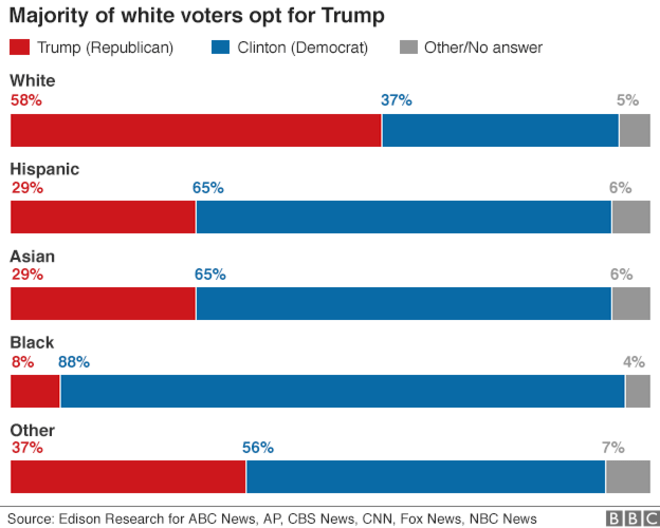
Despite what many political pundits are saying now that the vote is over, the race demographics of this election do matter; the statistics speak for themselves. White voters make up 69% of the electorate in the United States, and of these, 58% voted for Trump. Of the 31% of non-white voters, 74% voted for Clinton. The only white demographic where Clinton took a majority was among college-educated white women, and even then, the margin was small: 51% to Trump’s 49%. There is a clear division in voting patterns along racial lines, making it an important factor in analysing how and why Donald Trump achieved his surprise victory, and took the presidency.

BBC News infographic

It is clear to see that something resonated from Trump’s campaign among the white populations of the United States. American politics and culture is imbued in race, steeped in it. Race matters. It has been on the lips of everyone weighing in on the 2016 election; it is clear it mattered to the now-President, as Trump attacked the Gold Star parents of a Muslim soldier killed in Iraq, targeted Mexican immigrants and a Latino judge, and refused to disavow a Ku Klux Klan leader when he pledged support for Trump’s campaign. Despite long-standing legislation intended to equalise opportunity and rights for all Americans, political, social, and economic tensions remain between white and minority communities. Consider the 250 counties with the highest white populations in the US; 249 voted for Trump.

There is a growing resentment in the US among a subgroup of society that can be termed ‘forgotten whites’ – blue-collar, working-class white voters who feel alienated from the identity politics and contemporary liberalism that has dominated American politics for nearly a decade. These are communities where job prospects and industry have been in decline since the mid-twentieth century, only exacerbated by the 2008 financial crash; the concepts of privilege, inequality and oppression that political elites talk about seem far removed from their reality, and they feel powerless to change what has become the political, economic and social status quo. This feeling of powerlessness is hugely prevalent in those who voted for Trump. When polled by RAND, 86% of voters who agreed with the statement “people like me don’t have any say about what the government does” were voting for Trump.

It is these powerless, white voters who have come to view the Obama administration with deep resentment. Trump’s supporters would likely not refer to themselves as motivated by racial animus; in fact, the majority would most likely see themselves as colour blind, insistent that race no longer matters in America as long as you work hard and pay your taxes. Movements such as Black Lives matter seem anathema to a demographic that has always taught and been taught respect for law enforcement, most likely because law enforcement has, in general, always had respect for them. They see policies such as affirmative action as proof that the demographic discriminated against in modern America is white, male, Christian, and straight. Data taken by the Kaiser Family Foundation suggests that white voters do not view institutional biases or racism as influencing discrimination in the same way their Black and Hispanic counterparts do:

Kaiser Family Foundation research

2012 was the first time white voters saw a negative net change in voter turnout from the previous presidential election. Contrastingly, the response of non-white communities in the US to feelings of political injustices and alienation is not to become less involved with politics, but more so. Black Americans, and in particular, Black women, have the highest voter registration and turnout; the 2012 election, for example, saw a 70.1% turn out of female Black voters. Whereas Black Americans express their displeasure at the polls, the trend in recent year has been for white Americans to refrain from engaging in a political system that they see as skewed against them.

The crucial fact is, however, that despite the decrease in numbers, white votes matter. They have political might. White voters are who swung the election for Bill Clinton in 1992 when they made up 87% of the electorate, after his campaign made significant efforts to focus on welfare reform in order to appeal to the white vote. Donald Trump had a similar strategy: he appealed to those ‘forgotten’ voters who might previously have been Democrats, but who have become nominal Republicans after they see their fears about jobs, community, culture, race, and freedom reflected in Trump’s politics. The white working class craved a candidate who spoke their language, away from the elite halls of Washington D.C. There is an unfortunate irony in the fact that the voters who turned their backs on Hillary Clinton are the ones who put her husband in the White House.

The right to a democratic vote is enshrined in the Universal Declaration of Human Rights: every person has the right to “take part in the government of his country, directly or through freely chosen representatives… the will of the people shall be the basis of the authority of government; this shall be expressed in periodic and genuine elections which shall be by universal and equal suffrage and shall be held by secret vote all by equivalent free voting procedures” (art. 21). Allegations of voter intimidation excluded, the question in the United States is not the right to vote, but how that vote is used to procure one of two very different concepts of America. The silent majority, the forgotten white voters, are who propelled Trump to victory, expressing their will as a vision of America that is radically different to what it has been under the Obama administration. As political scientist David Cohen put it, this election season, and Trump’s shock success, will very likely be seen as “the revenge of the white working class voter.

Preview of Childreach International’s Sold: The Movie

This week, St Andrews will showcase a film that tells a story not often told about people who often go unseen. A young Nepali girl named Lakshmi is sold into sexual slavery, forced to work in a brothel in India, and must find her way to freedom. Though the film Sold, starring Niyar Saikia, follows one girl’s journey, its narrative is unfortunately not unique. In Nepal alone, an estimated 20,000 girls were being trafficked out of the country each year in 2012. That number that grew even larger after the 2015 earthquakes, partly due to the lack of functioning schools. The film aims to show the world the brutality of child trafficking in order to inspire a movement to address the crime globally. The filmmakers, in partnership with Childreach International’s Taught Not Trafficked campaign, have their work cut out for them, however – they estimate that only 8% of people in the UK are aware of the issue of modern slavery.

A still from the film, from the event’s Facebook page

Across the world, an estimated 20.9 million people are victims of forced labor, a term which encompasses sexual exploitation, domestic servitude, organ harvesting, and forced marriage. Many obstacles exist to breaking down this illegal industry; for one, forced labor is highly profitable, generating around $150 billion in profits every year. It is also difficult to track complicated, global supply chains to ensure that your sweater or smartphone was not, somewhere along the line, made with forced labor. The world is trying to move in the right direction on this issue, with governments enacting legislation to prevent goods created with forced labor from entering their borders and NGOs working to help victims worldwide. The United Nations Convention Against Transnational Organized Crime’s Protocol to Prevent, Suppress, and Punish Trafficking in Persons, Especially Women and Children has been signed and ratified by 170 parties. Still, the problem remains, in part because of a lack of public awareness.

Here in the UK, the Home Office estimates that there are currently between 10,000 and 13,000 victims of slavery. These victims come from all over the world, from Albania to Nigeria, though many are British Nationals. The Modern Slavery Act 2015 was created to consolidate legislation, introduce harsher sentences, and propose trafficking prevention orders. Successful prosecutions for trafficking are still rare, though the number has risen since the introduction of the Act, with 39 people successfully prosecuted in 2012 and 192 in 2015/16. The Act has been criticized by experts, however, for not creating jurisdiction for these crimes when committed by UK nationals or companies abroad and for not adequately focusing on victim support and protection. It is obvious that there is still significant work to be done to ensure that no one else has to go through the horrors that these victims go through, and that those still stuck in these situations are liberated, and that those responsible for these crimes are adequately punished.

What can you do to help end trafficking in your community and around the world? Start a fundraiser, set up an anti-slavery group in your hometown, and, of course, bring a few friends to Childreach International St Andrews’ showing of Sold. The film screening and panel discussion will be held on Thursday, January 26th at 7pm in the Byre Theater. You can watch the trailer for Sold here and reserve tickets here.

#trafficking #StAndrews #ChildreachInternational #film

Preview of Childreach International's Sold: The Movie

This week, St Andrews will showcase a film that tells a story not often told about people who often go unseen. A young Nepali girl named Lakshmi is sold into sexual slavery, forced to work in a brothel in India, and must find her way to freedom. Though the film Sold, starring Niyar Saikia, follows one girl’s journey, its narrative is unfortunately not unique. In Nepal alone, an estimated 20,000 girls were being trafficked out of the country each year in 2012. That number that grew even larger after the 2015 earthquakes, partly due to the lack of functioning schools. The film aims to show the world the brutality of child trafficking in order to inspire a movement to address the crime globally. The filmmakers, in partnership with Childreach International’s Taught Not Trafficked campaign, have their work cut out for them, however – they estimate that only 8% of people in the UK are aware of the issue of modern slavery.

A still from the film, from the event’s Facebook page

Across the world, an estimated 20.9 million people are victims of forced labor, a term which encompasses sexual exploitation, domestic servitude, organ harvesting, and forced marriage. Many obstacles exist to breaking down this illegal industry; for one, forced labor is highly profitable, generating around $150 billion in profits every year. It is also difficult to track complicated, global supply chains to ensure that your sweater or smartphone was not, somewhere along the line, made with forced labor. The world is trying to move in the right direction on this issue, with governments enacting legislation to prevent goods created with forced labor from entering their borders and NGOs working to help victims worldwide. The United Nations Convention Against Transnational Organized Crime’s Protocol to Prevent, Suppress, and Punish Trafficking in Persons, Especially Women and Children has been signed and ratified by 170 parties. Still, the problem remains, in part because of a lack of public awareness.

Here in the UK, the Home Office estimates that there are currently between 10,000 and 13,000 victims of slavery. These victims come from all over the world, from Albania to Nigeria, though many are British Nationals. The Modern Slavery Act 2015 was created to consolidate legislation, introduce harsher sentences, and propose trafficking prevention orders. Successful prosecutions for trafficking are still rare, though the number has risen since the introduction of the Act, with 39 people successfully prosecuted in 2012 and 192 in 2015/16. The Act has been criticized by experts, however, for not creating jurisdiction for these crimes when committed by UK nationals or companies abroad and for not adequately focusing on victim support and protection. It is obvious that there is still significant work to be done to ensure that no one else has to go through the horrors that these victims go through, and that those still stuck in these situations are liberated, and that those responsible for these crimes are adequately punished.

What can you do to help end trafficking in your community and around the world? Start a fundraiser, set up an anti-slavery group in your hometown, and, of course, bring a few friends to Childreach International St Andrews’ showing of Sold. The film screening and panel discussion will be held on Thursday, January 26th at 7pm in the Byre Theater. You can watch the trailer for Sold here and reserve tickets here.

The Right to Higher Education

Since the 1980s, the cost of higher education has risen sharply, with severe consequences for students and society in general. While in the past paying the equivalent of $10,000 was possible for most, paying off student debt has become a lifelong process. It has now reached crippling levels, to the point where people in their 50s who have worked for thirty years still have not paid their student loans off completely. Tuition in an average non-profit university in the United States has increased by 300% in the last 35 years.

Student debt and extortionate fees are a problem because they leave citizens in a dire economic situation, particularly if the economy is not growing. Many graduates are unable to find a job, and if this goes on for long enough, it becomes impossible to pay off student debt. Inability to find employment and crippling debt lead to poverty. This means that the struggle of finding employment and simultaneously having to pay off a large debt marginalises people. It marginalises people because they are excluded from participating in basic socialising through their work, or through leisure activities, which they are unable to pay for due to their lack of employment. Furthermore, it becomes difficult for those individuals to sustain a basic living. Without a job, they are unable to pay rent, and may eventually be without a home. It may be possible for them to find refuge with friends, family, or the state, however these arrangements are unsustainable. On top of this, evidence suggests that being idle along with the pressure of debt increases the risk of committing crimes of desperation. This is both undesirable and costly to society as processing criminals and dealing with crime is very expensive.

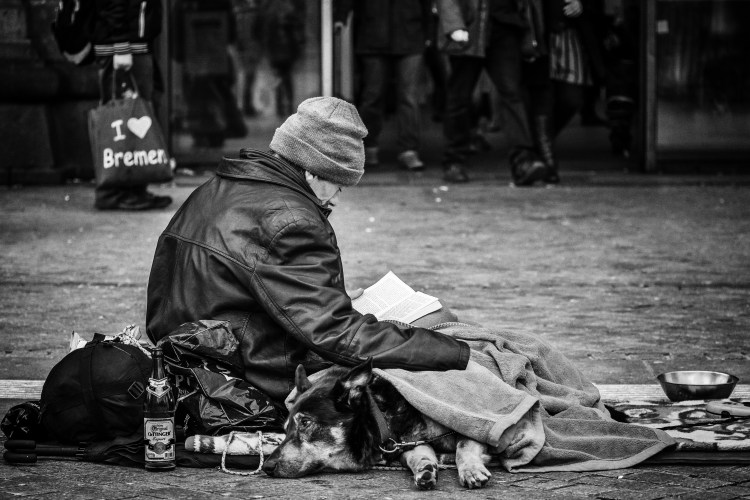
A homeless man reading on the street, by Per Gosche

Furthermore, tuition has become so expensive that it is now prohibitive. This means that people choose to not get a higher education because it is unaffordable. In the United States, low levels of education mean obtaining a job that offers a decent wage is very difficult. This means that those who cannot afford to pay the tuition, typically people of middle or working class, are unable to obtain a well-paying job and improve their living standard. This implies that the concept of the “American Dream” is flawed, and that in fact cannot simply work one’s way to the top is highly unlikely. It also implies that social class and poverty are perpetuated by the lack of affordable education. This means a serious restriction of freedom and social mobility, ensuring that those who have wealth and can afford education continue to be wealthy while others are denied the opportunity to attain that wealth.

The massive cost of providing free education for a whole country is often used as a reason for why it is impossible to do. While it is true that the US Federal Government spends billions on education, government spending reports show that only around 4% of federal spending goes to education. This is unsurprisingly lower than the percentage proportion assigned to education in countries like Sweden or Denmark, however it is also lower than less economically developed countries, like The Gambia and Djibouti. This suggests that rather than a monetary constraint, not providing affordable education is a choice. Often this choice is argued for by suggesting that some degree programmes are useless, that it cannot be the taxpayer’s responsibility for someone else to do a degree with which they might not earn much. This assumes, however, that some knowledge is useless, which couldn’t be further from the truth. It is also argued that affordable education is accessible to everyone through grants and cheaper in-state tuition fees. While this mitigates some of the problems of obtaining education, it does not go far enough. Only a small proportion of potential students are eligible for financial aid, and while in-state tuition might be lower, out-of-state tuition is sky-high.

If we proclaim freedom and equality to be the ideals that we aspire to, then we must choose to provide affordable education for everyone. It stands to reason that freedom cannot exist without equal opportunity. Equal opportunity cannot exist without equal access to education.

In a modern democracy, in which heads of state are elected, surely it is of interest to everyone that people have equal access to education on all levels, in the hope that it leads to a more informed and critically thinking electorate. This is not to suggest that without education it is impossible to have an informed opinion, however increased education makes active research and increased reasoning in the election process more likely. Through education, one can gain a broader insight into the dynamics of business and society. This means holding governments and corporations accountable becomes much more likely.

It is true that providing affordable education requires a shift in priorities, however that shift is necessary. The Scandinavian countries, in which all types of education are paid for by the state, show that this is possible. In Denmark, students are even given a living wage; they are paid to obtain an education. While the US faces different and more complex challenges than these countries, affordable education is achievable. One might not agree with tax levels in these countries, however they are highly developed, highly modernised, and very functional societies. Government expenditure figures suggest that tax levels need not be raised, so surely it would be worth learning from them in this regard.

Education is necessary for a society to function at a higher level, and it goes a long way to reducing inequality, lack of opportunity and want. It reduces societal constraints, it gives people the tools to success and it improves society as a whole. Education is a human right, and making the cost of education a heavy burden or denying people education through extortionate tuition fees is a violation of those inalienable rights.

Is Russia Finally Accountable?

The United Nations General Assembly held the Human Rights Council elections on October 28, 2016, a monumental day for human rights accountability across the globe. The Human Rights Council is an intergovernmental body within the United Nations, which is comprised of 47 states. Ban Ki-moon, the UN Secretary-General, states that “All victims of human rights abuses should be able to look to the Human Rights Council as a forum and a springboard for action.” However, these words are too optimistic. In fact, it is common for states in the UNHRC to not uphold this mission.

This was illustrated in Geneva when Russia was rejected for re-admittance into the Council. This is a rare occurrence, as it is viewed as nearly impossible for a Security Council member to lose an election or a bid of any type. The only similar occurrence happened in 2001 when the United States lost a seat in the Human Rights Commission, a predecessor of the Council. In this particular election, Russia lost its seat to serve in the Eastern European region of the Human Rights Council to Hungary and Croatia. Besides Russia, Guatemala was the only other state to lose the election for a seat on the Council. This then begs the question, what led to this substantial loss?

There are believed to be two main reasons for Russia’s failure to regain their seat in the United Nations Human Rights Council; Russia’s intensive domestic human rights abuses and Russia’s interference in Syria.

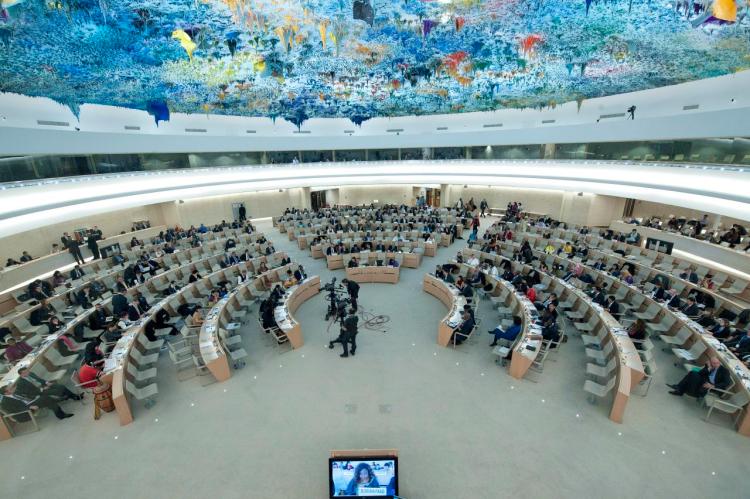
The 19th session of the Human Rights Council, by UN Geneva

Russian domestic abuses are widely known across globe, and are beginning to impact their world standing. These domestic abuses are largely focused on Crimea, an area annexed by Russia in 2014 after the ousting of Ukraine’s president. Since the beginning of the occupation, Russia has been accused of intimidation, arbitrary detention, torture, extrajudicial killings, and the denial of basic human rights such as the freedom of speech. These abuses are specifically targeted at political opponents of the Russian Federation and/or those who do not support the enforced Russian legislation and citizenship in Crimea.

The Russian government has also continually contributed to human rights abuses on the mainland. One of the largest issues to date is the lack of freedom of speech and the continuous censorship of the media and the internet, with many independent outlets and journalists being harassed if they publish any information not deemed appropriate by the Russian government. In addition, the right to freedom of assembly has been consistently blocked, and protests curtailed. LGBTQ communities in Russia are facing the brunt of the abuse, often getting fined or being detained for engaging in peaceful protests. In addition, LGBTQ laws are often bypassed in court, and LGBTQ organizations’ public pleas are viewed as ‘propaganda.’ These are only a few of the abuses that occur against Russian citizens on a daily basis.

While Russian human rights offenses are undermining the safety of its citizens at home, its interference in the Syrian Civil War is also causing severe damage. Since the beginning of the war in September 2015, Russia has been supporting Syrian President Assad’s regime. This is because Russia has a keen interest in protecting their naval facility at the port of Tartous in Syria, the sole Mediterranean base for Russia’s Black Sea fleet. Russia also maintains air forces in Latakia, a Shia ruled region. Because of Russia’s slowly declining military power, it is imperative to the state to ensure these forces in Syria are safe and contained.

A Russian plane attacking an ‘enemy position’ in Syria, by the Ministry of Defence of the Russian Federation

Russia has claimed that their involvement in Syria is to prevent terrorism in the region. However, their military intervention has been consistently aimed at Western forces, and those opposed to Assad’s regime. This gives Russia a few advantages: it can claim it intervened while the West has largely remained absent, and maybe more importantly, Russia will be able to gain control of Damascus when the opportunity arises. This would give Russia a crucial hub in the Mediterranean.

Russian intervention in Syria has included regular air strikes since September 2015 and the deployment of ground troops. In March 2016, it was recorded that these airstrikes have killed 4,408 people (including 1,733 civilians). The number has only risen since that date. Russia is currently involved in a bombing campaign on the city of Aleppo and, in October, Russia vetoed a United Nations Resolution to stop the siege of Aleppo, an offensive that has trapped 275,000 people within the city limits. Russia justified the veto by claiming the resolution would shield and protect terrorists within the city, however their political persuasiveness is no longer adequate in the international community.

The doubt that Russia has created amongst the other United Nations members is mirrored in the denial of Russia’s bid to rejoin the United Nations Human Rights Council. Louis Charbonneau, the UN director at Human Rights Watch, has exemplified this point by stating, “In rejecting Russia’s bid for re-election to the Human Rights Council, UN member states have sent a strong message to the Kremlin about its support for a regime that has perpetrated so much atrocity in Syria.” What then does this refusal mean to the international community and the United Nations? We can hope that Russia’s failure represents the beginning of a trend within the United Nations to fight back against states who systematically violate human rights. While there remains a considerable number of human rights abuses around the world, we can only hope that Russia is used as an example for the rest of the international community, and will persuade states to rethink some of their own domestic and international campaigns. However, this will be a long and tenuous road as we wait to see the effect that this snub has truly had on the international political climate and Russian policies at home and abroad.

Museums and Repatriation: Who Owns the Past?

Western cultural institutions such as the Louvre in Paris, the Metropolitan Museum of Art in New York, Museum Island in Berlin, and the British Museum in London are host to millions of visitors each year and play an integral part in the history of their countries and even the world. These museums display objects from all over the world and from a vast span of time, but does this display mean ownership? In order to decide and declare ownership over artefacts, the history and colonial past of many countries must first be confronted.

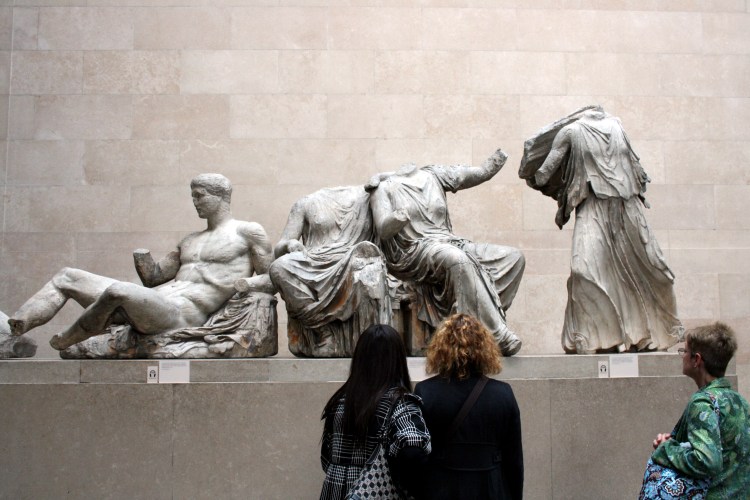
The Parthenon Marbles in the British Museum, by Kurt Thomas Hunt

The Acropolis Museum in Athens displays the wonders of Ancient Greece. Some of the most spectacular artefacts are missing, however: the Parthenon Marbles. Perhaps better known in Britain as the Elgin Marbles, named after Lord Elgin who brought them to Britain, they have been one of the main attractions at the British Museum for the past two hundred years. Recently, however, they have been at the centre of controversy. Questions about the legitimacy of their removal to ethical questions about repatriation tarnish these ancient wonders.

When Lord Elgin received permission from officials in Athens to remove the marbles from the Parthenon, Greece was part of the Ottoman Empire. Even at the time there was contention around his act, with some likening it to looting. Due to the controversial nature of their removal the British Government bought the marbles in 1816 and they have been displayed in the British Museum ever since. The legality, or rather illegality, of their removal is one of the key arguments for their return to Athens. Thousands of artefacts were removed by the British from countries both with and without official permission and to pursue each case would be impossible. When Greece gained independence, there was a huge effort to restore the country to the former glory of antiquity. The Parthenon and its marbles were central to Athens, and iconic across Ancient Greece and beyond. Greek identity once again was tied to the ancient values of democracy and philosophy.

The British Museum argues that the marbles are part of a wider collection displaying the cultures and history of the whole world. The museum is presented as a means for a large audience to view the artefacts and subsequently learn about the past. They claim that as part of the world’s heritage they “transcend political boundaries,” but is this their claim to make? It is understandable to discuss the important historical value they have but they are also intrinsically linked to Greece and Greek identity. The statement released by the British Museum argues that the current location of the marbles allows a greater number of people to see them than would in the Acropolis Museum.

The idea of historical and cultural artefacts transcending political boundaries is closely tied to empire and colonialism. Many important archaeological finds were discovered and looted during conflict and under the cover of empire. The Rosetta Stone, which allowed the decipherment of Ancient Egyptian hieroglyphs, was discovered in the 18th century under Napoleon and was later confiscated from the French by the British. It is now displayed in the British Museum and is one of the most important archaeological finds in the world. After the Greek request for the repatriation of the Parthenon marbles and other artefacts from institutions such as the Louvre and The Getty in Los Angeles, similar requests were issued by the Egyptian government. In their statement regarding the Parthenon Marbles the British Museum does acknowledge the ambiguity of their initial removal, however this acknowledgement is simplistic and does not explain the role of illegal looting in establishing a museum’s collection. As a cultural and historical institution all museums should be held accountable for events that happened in their past, especially if the stolen artefacts are still on display.

There is a concern that repatriation of artefacts to their country of origin will leave the great museums of the world with nothing to display, left only with objects from their own soil. Many of these large institutional museums are presented as ‘universal museums’, meaning they display everything and anything from around the world. This concept has some negatives, the most obvious being that the majority of artefacts on display will not be from the country the museum is located in. Many recognise the importance of universal museums as they reach a wider audience than a specific museum could. By spending a few hours at the British Museum one can see a 5000 year old Egyptian mummy alongside a plate commemorating Princess Diana, and still have time for lunch. Universal museums display and present the artefacts and values of present-day cultures alongside collapsed empires. In doing so they have a responsibility to display these items adhering to all religious and cultural rules. It is in these circumstances that repatriation is an important and significant gesture by museums.

The confrontation of colonial histories and accepting the role of colonialism in building their collections is central to museums remaining important cultural institutions. Repatriation and apologies do not tarnish a museum’s reputation, but instead they can help create a new narrative of cultural heritage and ownership. Whilst Greeks may consider themselves the direct descendants of the Ancient Greeks the Parthenon Marbles hold no spiritual or religious significance to modern Greeks. However artefacts relating to Native American or Maori tribes are not only important historical artefacts, they are central aspects of life and must be treated as such. They are still used everyday, they are not simply decorative or historical but fully functional objects.

The repatriation ceremony of Maori artefacts from the USA held at Te Papa, by the US Embassy

The Te Papa in Wellington is the national museum and art gallery of New Zealand. Combating its origins as a colonial museum, Te Papa is making strides in the display and treatment of cultural artefacts. The Museum of New Zealand Te Papa Tongarewa Act 1992 set out to create a museum which united the diverse population of New Zealand, focusing on creating a partnership between the Maori and the non-indigenous New Zealanders. Te Papa prides itself on being a bicultural museum and works closely with Maori tribes. Each Iwi (tribe) works with the museum to create an exhibition celebrating their heritage and artefacts, and tribal elders stay at the museum for the duration of the exhibition and perform several essential tribal roles. Repatriation of Maori artefacts is also an important aspect of Te Papa as a museum that represents the future and past of New Zealand. This conscious effort to engage the dual history and culture of New Zealand is playing an important role in the future of the country. By combining narratives and giving an equal standing to Maori voices, the past injustices are being confronted head on.

Whether it be in returning artefacts to their historical home or working with cultural groups to write a new a narrative, museums play a key role in how humanity views the past. It is only through understanding and confronting our history that we can move forward. Individual histories of peoples and countries must also be understood in a wider world context. Museums have a great opportunity to showcase everything humanity has done, to display the real narrative of our collective histories. It is from this broad historical context that humanity learns from its mistakes.

Crushed Spirit but Reinvigorated People: How One Man’s Death Reignited the Voice of a Nation

On October 28th, the small ocean-side city of Al-Hoceima was shaken by the death of Moroccan fish salesman Mouhcine Fikri. Although the fishing, possession, and dissemination of swordfish after autumn is illegal in Morocco, Fikri had managed to acquire 500 kg (1,000 lbs) worth, estimated to be valued at $11,000, and, following a desperate attempt to retrieve his swordfish products after they were confiscated by local police, he tragically died in the compactor of a garbage truck. Following his death, voices of protest and solidarity could be heard around the nation. Outrage over the incident was not unique to Al-Hoceima but was felt in major cities across the North African country like Marrakesh, Casablanca, and the capital city, Rabat, with protesters rallying after pictures of the vendor’s mutilated body surfaced and spread on various social media platforms.

King Mohammed VI, who was not in the country at the time of the incident, immediately ordered the Interior Ministry to conduct a thorough investigation of the circumstances surrounding Fikri’s death. Yet, the proactive nature of the government did not seem to immediately quell the impassioned voices of protesters banding together in the various cities, who demanded not only an end to police corruption and brutality but also justice for Mouhcine Fikri’s family.

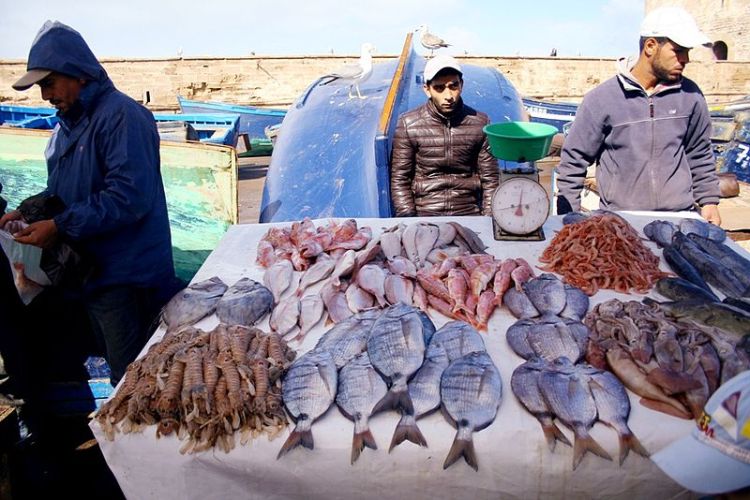
A fish market in Essaouira, Morocco

As of now, eleven people have been arrested in connection with the case. However, due to lack of evidence and conflicting eyewitness accounts, the true nature of what took place during the last moments of Fikri’s life may never be known. Some witnesses recall hearing a police officer order the power of the trash compactor be activated even though Fikri was still inside. When confronted about this claim, officials hold firmly that the tragedy was, although gruesome and unfortunate, nothing more than an accident. Other witnesses recall seeing Fikri and a group of friends dive into the back of the garbage truck, yet were unsure why his friends were able to stay out of harm’s way while Fikri himself had no such luck.

Al-Hoceima is a part of the mountainous region of Morocco called the Rif, home to a large portion of Morocco’s Berber population. The Rif is known for its rebellious history; its inhabitants waged war against Spain in the 1920s, the colonizer of Northern Morocco, as well as initiated a violent rebellion against the monarchy in the late 1950s shortly after Morocco won independence. The implications of Fikri’s death run deeper than his source of livelihood being confiscated; the incident highlights larger issues of abusive police practices and the dire economic conditions that have produced staggering levels of poverty and desperation in such rural areas. It also sheds light on the unique struggles of Morocco’s native Berber population, whose ensured minority protections have fallen short.

One of the biggest developments to come from the outcry for reforms following the occurrence was speculation by Western media sources and political experts that Morocco would experience a second Arab Spring and that Mouhcine Fikri’s death could be its ignitor. The outlets often pointed to similarities between Mouhcine Fikri and Tunisia’s Mohamed Bouazizi, a fruit vendor whose public self-immolation ignited the uprisings that eventually led to the Arab Spring. Bouazizi became a symbol of unemployment, police abuse, corruption, and the perils of an un-checked authoritarian government. Fikri and Bouazizi also share similar backgrounds, with both men coming from poor, marginalized regions of their nations and suffering mistreatment by authorities that affected their means of survival. Other hints that indicated that a second wave of monumental protests could be around the corner was the link between key demonstration organizers and their previous central involvement with the February 20th movement of the Arab Spring.

Rif Mountains, Northern Morocco, by Chloe-Kate Abel

In 2011, Morocco’s Arab Spring, encompassed by the February 20th protest movement, grew in size and scope due to the use of social media platforms like Facebook, Twitter, and Youtube, which protestors used to help mobilize and delineate their goals. The Moroccan government slowed the progression of the movement and was able to keep it comparatively short in duration by offering constitutional reforms that are criticized as being more cosmetic than fundamentally progressive.

Although initially there was talk of a second Arab Spring budding in Morocco, journalists have come to think that the unrest is likely to subside with limited lasting effects. The Moroccan government is experienced in handling widespread protests because of the Arab Spring in 2011 and is unique in the fact that, unlike some of its neighbors, it has always allowed for demonstrations without police intervention, a tradition that still holds today. However, these public rallies must be reported and registered to the government in advance. Another reason why Morocco will survive this period of protest is that the Moroccan political system is not being attacked or called into question. Protesters are calling for an end to elitism and police abuses rather than criticizing the monarchy directly.

Morocco is cited by historians and experts alike as one of the few success stories of the Arab Spring because its period of unrest and protest was relatively short and the state figurehead, the king, was not expunged. Although it is no longer thought that the voices of discontent that erupted around Morocco following Fikri’s death will lead to another Arab Spring, the protests should not be taken lightly because they show that concerns from 2011 are still very much unresolved. The Moroccan government was quick to address the situation and demand an investigation but have done little to explore the underlying issues of corruption, police brutality, and economic marginalization in rural areas. Although the tragic death of fish vendor Mouhcine Fikri may not have proven to be the straw that broke the camel’s back and ignited another powerful revolutionary movement, it is interesting to watch how much longer Moroccan citizens will remain tolerant. Either Mouhcine Fikri can be viewed as a martyr that woke the Moroccan government up to the core issues that had been masked and brushed aside following the constitutional changes of the Arab Spring or it is only a matter of time before another event occurs with even larger repercussions and fallout.

Stateless and Scorned: The Rohingya People

Amidst headlines saturated with an almost frenzied coverage of the recent United States presidential election, many news stories are drowned out and often go underreported, especially those involving the deprivation of the rights we often assume as granted. The failure by media outlets to spread awareness regarding the plight of the Rohingya people epitomises the silence exhibited throughout the long, often violent, troubles faced by the Rohingya in the pursuit of equal rights and representation in Myanmar.

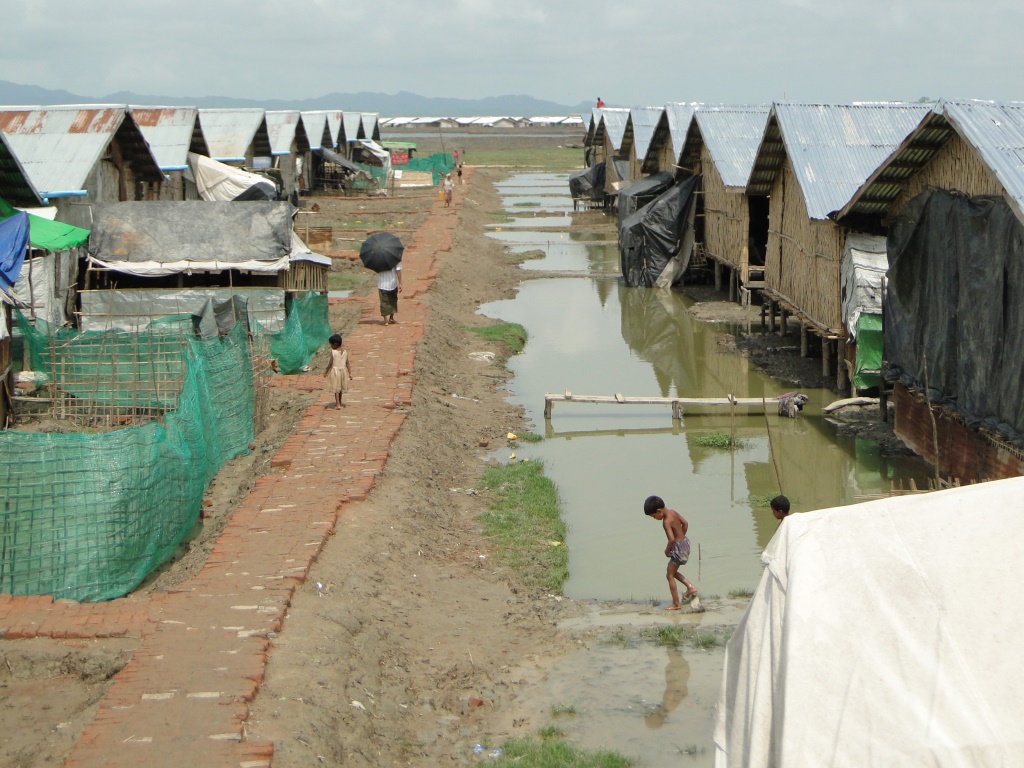
Myanmar, formerly known as Burma, is a union constituted of around 50 million peoples belonging to over 100 ethnic groups, with one of the largest minorities being the largely Muslim Rohingya people. The Rohingya, an ethnic group united through religion as well as a shared past have been subject to considerable, even systematic, racial, ethnic, and religious discrimination historically, as well as in recent years. The Rohingya, who total around one million individuals in Myanmar, are considered by the United Nations “to be the world’s most persecuted minority.” They have faced violence and a loss of citizenship and basic rights that some claim is encouraged by the state, which has led to many becoming refugees in their own country, residing in displacement camps with low living standards. Commentators, such as retired Archbishop Desmond Tutu of South Africa, have described the events in Myanmar as “slow genocide against the Rohingya people”, while financier and philanthropist George Soros has compared the Rohingya displacement camps with the ghettos and camps set up by the Nazis: “The parallels to the Nazi genocide are alarming.”

Despite the difficult conditions, children always seem to have a smile and a wave for visitors, by Evangelos Petratos

The present unrest and suffering in Myanmar can be traced back to the country’s colonial past. In the 19th century Britain annexed the northwestern part of the country, including the state of Rakhine (formerly Arakan), where the majority of the remaining Rohingya Muslims live today. The occupation encouraged the mass migration of Bengali Muslims, who became laborers and administrators in the colony. Owing to the influx, Burmese Buddhist peasants were internally displaced, leading to the seeds of hatred being sown. When Burma gained its independence from Britain in 1948, the government aimed to rectify the predicament of its displaced Buddhist population. Fears of an Islamic invasion, as well as failed Rohingya uprisings between 1948 and 1961, where some Rohingya attempted to declare their own independence, contributed to an atmosphere of Islamophobia and culminated in the 1982 Burmese Citizenship Law. This law is largely to blame for the Rohingya’s statelessness, their lack of access to employment, education, and basic healthcare, as well as the confiscation of their property. Thus, the historical background of the Rohingya’s suffering emphasises how they were, and are today by many Burmese nationalists, viewed as outsiders and invaders.

Such context has meant that the Rohingya have faced ongoing persecution from people who live alongside them, as well as by the state. One of the most active groups to fuel sentiment against the Rohingya has been the 969 Movement, an anti-Muslim nationalist movement that opposes what they see as Islam’s expansion in Myanmar. One of their most prominent members is a Buddhist monk, Ashin Wirathu, who claims that he is simply defending his nation and religion against attacks by outsiders, saying “The Burmese race has been insulted…the Buddhist religion has been attacked, and our country has been trespassed.” Such ethno-nationalist rhetoric fuels antipathy between Buddhists and Rohingya Muslims, creating a climate in which intimidation, violence, and rape regularly occur against the Rohingya people.

In June 2012, the state of Rakhine erupted in violence following reports of conflict between Muslims and Buddhists, including the rape and murder of a woman. Within days, the trouble had spread across Rakhine, with people being beaten, killed, and displaced, as well as homes being burnt down. The Rohingya whose homes were burnt and destroyed in 2012 today live in internally displaced person (IDP) camps with a low quality of life owing to the lack of access to food and emergency healthcare. The International Peace Institute has shown that since the outbreak of violence in 2012, “around 125,000 to 140,000 Rohingya in Rakhine, denied the right to leave the state, reside in camps” with disturbing levels of malnutrition and lasting health implications. With so many thousands of Rohingya refugees estimated to be internally displaced, some have left the country, trying to move to Malaysia or Thailand. Yet, in most instances the border remains closed to them, further emphasising how the Rohingya, in being denied citizenship and rights in Myanmar, are a stateless ethnic group, having been rejected by many foreign governments.

The Rohingya face a humanitarian crisis, by Evangelos Petratos

The plight of the Rohingya is made worse by the indifferent response of the state of Myanmar. The government maintains that no official state policy of discrimination exists, and those who claim the violence against the Rohingya is planned, or purposefully ignored by the authorities, do not understand the situation. Indeed, even the eminent pro-democracy politician Aung San Suu Kyi has repeatedly failed to speak up about the plight of the Rohingya, which has led some to question her devotion to human rights. Yale Law School has collected evidence that the government of Myanmar has committed crimes under the Genocide Convention. Human Rights Watch has also gathered evidence using high-definition satellite imagery that shows widespread fire-related destruction in ethnic Rohingya villages in Rakhine. Meanwhile, the UN has expressed deep concern over events in Myanmar, with Adama Dieng, Special Adviser on the Prevention of Genocide, warning in 2013 that “there is a considerable risk of further violence if measures are not put in place to prevent this escalation.” His words seem prophetic, as violence has again erupted in Rakhine, where around 30 people have been killed in clashes with the army.

Violence and discrimination against the Rohingya people is alive today, and we have a collective responsibility to spread awareness of what is happening in Myanmar. Indifference and neutrality regarding the plight of the Rohingya people only serves to embolden their opponents. If you would like to read more information on this abuse of human rights please have a look at Human Rights Watch, Amnesty International, and Al Jazeera.

How White America Controlled the US Presidential Election

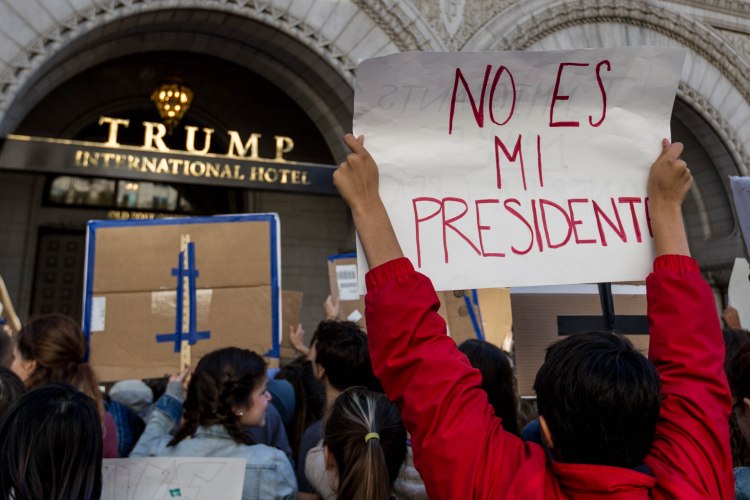
“Not My President.” These three words have been entering the daily conversations of the American public since November 9, when Republican nominee Donald J. Trump was declared the next President of the United States. Discontent with the ascension of an individual that has consistently exhibited racist, xenophobic, and overall bigoted behavior, thousands of Americans have taken to the streets, claiming that the result of this democratic election was not representative of the people’s will.

At the same time, another story has been making its way around the country; Secretary Hillary Clinton is taking the popular vote by 1,439,123, according to David Wasserman of the Cook Political Report, with that number rising daily. By the standards of almost every other liberal democratic jurisdiction in the world, Hillary Clinton won the presidency. The American people, simply put, chose Hillary Clinton. She is not the President-elect, however, because America participates in the Electoral College.

This is only the fifth time in American history that the elected President did not win the popular vote. This rare phenomenon, thus, allows us as a collective to question the legitimacy of America’s Electoral College system. With this examination, it is clear that the Electoral College propagates a system that upholds a certain white supremacy within the United States. In this sense, the term “white supremacy” is used to describe the dominance of white influence in the United States, versus its colloquial reference to racism and bigotry.

Protestors outside of Trump Hotel in Washington DC, by Lorie Shaull

It is perhaps best to explain the Electoral College’s faults by looking at the system’s genesis. James Madison recounted the mass deliberation between the delegates in choosing a method for the election of the new head of their government every term. Within this deliberation, the Electoral College addressed two main imperatives, one of which was to bolster the interests of slaveholders. Southern states had an enormous number of slaves that contributed to population size but could not vote. The Electoral College system would thus give the South extra clout in Presidential elections. At its heart, the current presidential election system was designed to push forward a white agenda and disenfranchise those who did not fit that label.

While that agenda was laid out in the eighteenth century, when slavery and other forms of overt oppression were commonly practiced, the Electoral College continues to effectively disenfranchise racial minorities today. In 2000, when Al Gore both won the popular vote and lost the election, Yale Law School professor Akhil Amar stated “[The Electoral College] was designed at the founding of the country to help one group—white Southern males—and this year, it has apparently done just that.” In 2016, the same analysis applies.

A piece published by the Washington Post explains how votes from states with low populations like Wyoming are weighed significantly more than votes from comparatively larger populations like California: each individual Wyoming vote weights 3.6 times more than an individual Californian’s vote.

Thus, the Electoral College systematically waters down the power of big state voters, while bolstering the power of smaller states. What is more is that states are not demographically identical; ethnic minorities tend to gravitate towards larger, more urbanized states. According to the Huffington Post, in the four largest states — states which have the least voting power per person — 52 percent of the population is of a racial minority; of the 33 states and Washington D.C. with 10 or fewer electoral votes — states that have the most voting power per person — 28 are ‘whiter’ than the national average.

In the 2016 election, the Electoral College thus underrepresented Clinton’s diverse, urban-centered coalition, and overrepresented Trump’s coalition, which is based around white, rural, and suburban people. This may be the result of chance geographic positioning of voters in the United States, but that lack of malicious intent has no impact on the reality of the system.

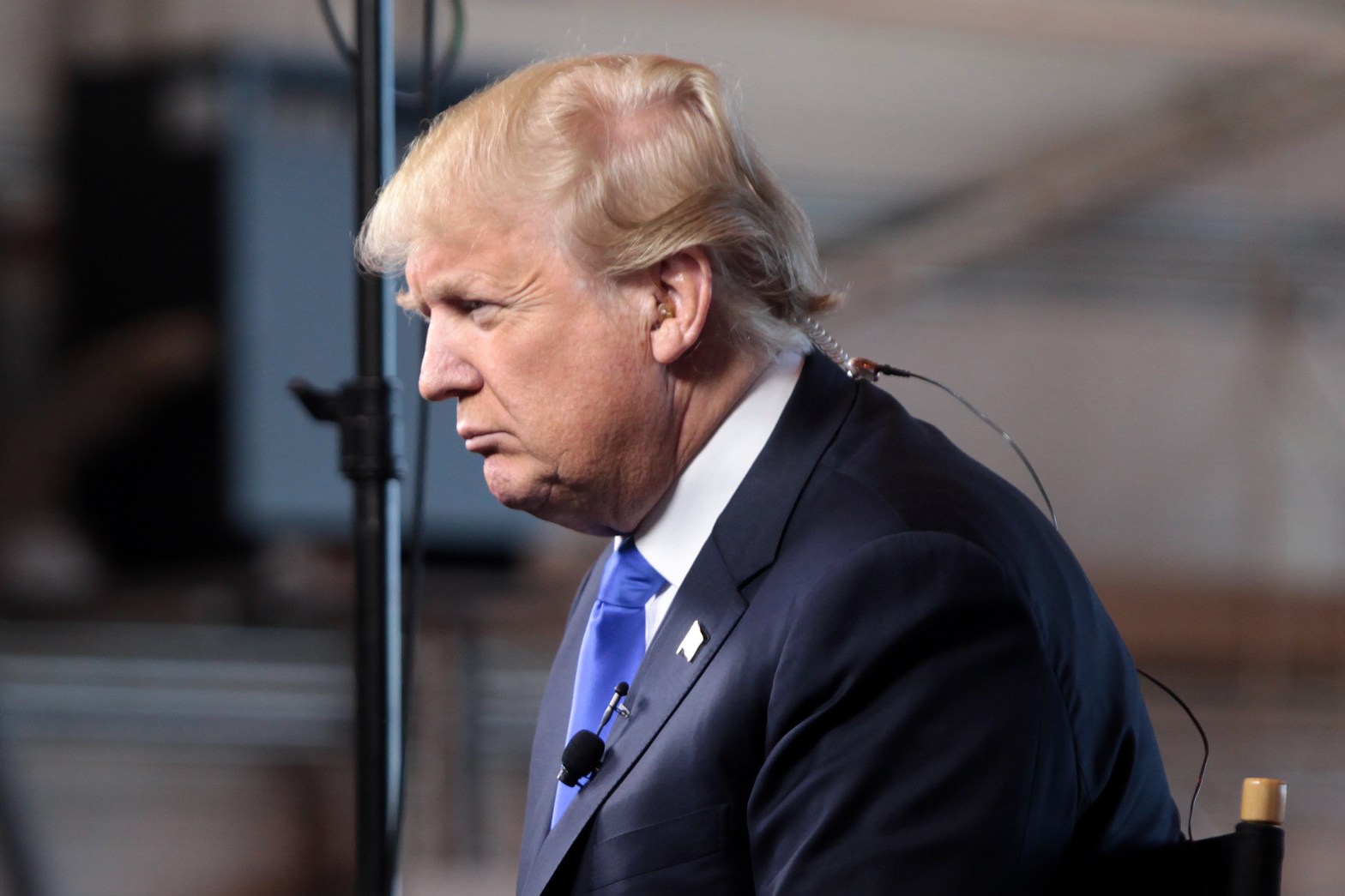
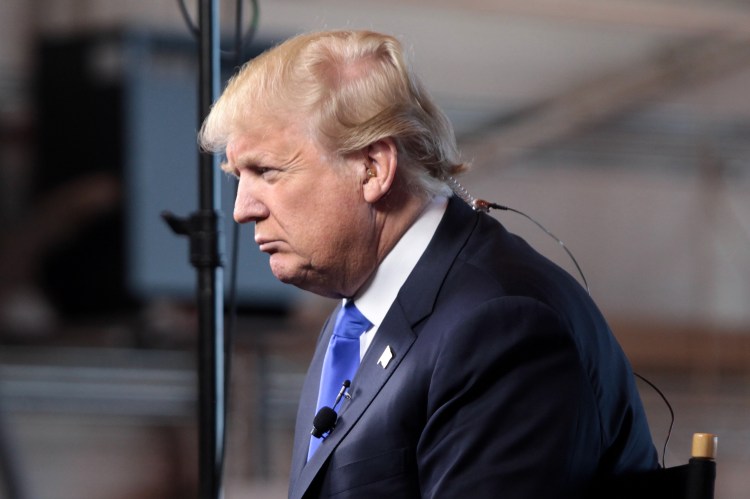
President Elect Donald J Trump, by Gage Skidmore

When political commentator Van Jones characterized Trump’s victory as a “White lash against a changing country,” he was not wrong. The white vote was weighted more than any other group during this election. Even though every single other racial minority group voted overwhelmingly against a Trump presidency, his popularity among white voters is all that mattered.

This is simply indefensible. The United States touts itself on being a beacon of diversity and equality, yet the leader of our nation is essentially determined by the will of one singular demographic. There is no democratic value to largely confining presidential campaigns to a relatively small number of large that devalue the individual vote. Furthermore, white rural states, which are already massively overrepresented in the Senate, hardly need further overrepresentation when choosing the president.

While the Electoral College is faulty, it probably will be there to stay. This singular system has been responsible for handing Republicans two successful presidents-elect in the last two decades despite losing the popular vote, giving them more than enough reason to thwart the supermajorities required to pass a constitutional amendment.

What is worse is that this anti-democratic system has reinforced anti-democratic action, and will continue to do so as long as it is used. In 2000, when the Electoral College last ignored the popular vote, John Roberts and Samuel Alito were elected to the Supreme Court and played their part in tearing down the Voting Rights Act. A solidly Republican Supreme Court will continue to promote anti-democratic action via avenues of voter suppression, which we have already seen in Republican state legislatures, and will further disenfranchise minority voters. Currently, there are a number of efforts to abolish the Electoral College, most notably by a MoveOn petition, which has garnered almost 600,000 signatures since its inception.