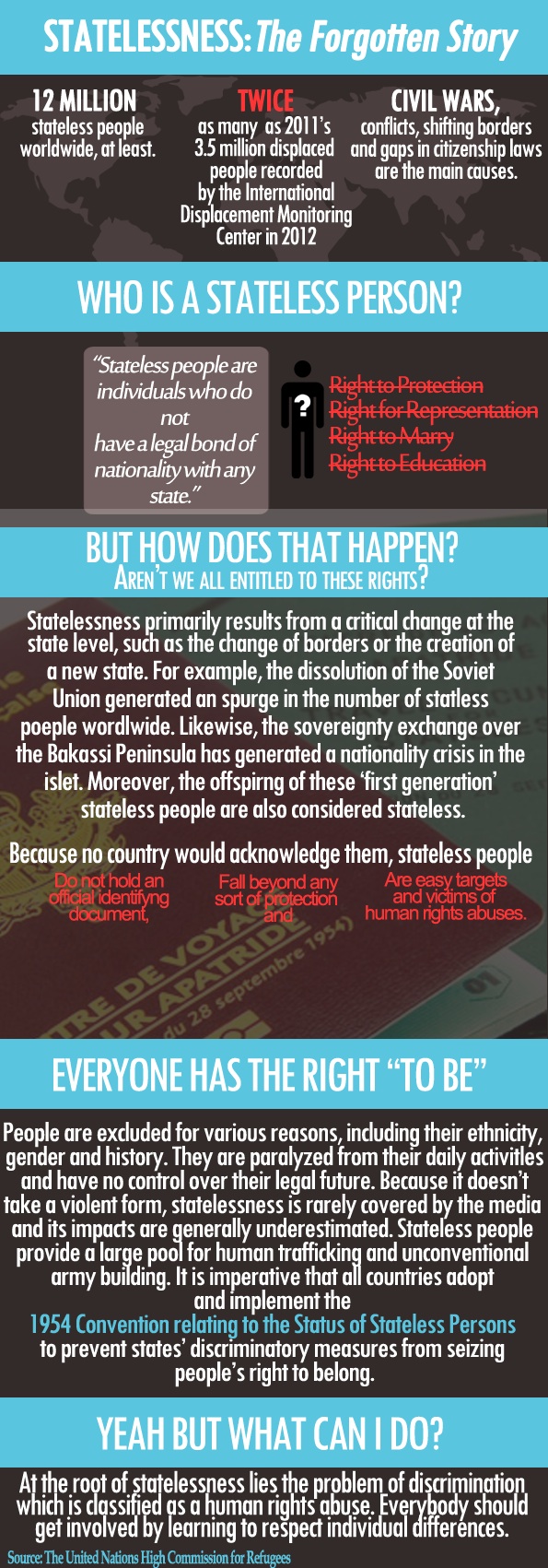
Ghana’s Prayer Camps

Facing a chronic shortage of appropriate medical care, the families of disabled people in Ghana are resorting to ‘prayer camps’. With just 3 public psychiatric hospitals and 12 practising psychiatrists across the whole country, according to Integrated Regional Information Networks (IRIN), families have resorted to sending their disabled relatives to ‘prayer camps’ run by private religious institutions who seek to expel the ‘demon’ through prayer and fasting. These practices originate in misinformation about how to treat disabilities. According to Foundation d’Harcourt, many practitioners attribute the disabilities to curses given as a punishment for some transgression.

Human Rights Watch reported that ‘‘the World Health Organisation estimates that close to 3 million Ghanaians live with mental disabilities and 600,000 of these have very severe mental conditions’. This shows the immense pressure on the current healthcare system and it is therefore unsurprising that ‘prayer camps’ are flourishing. There have been suggestions that the system is even enabling their existence- patients are often moved rapidly on from hospitals because of a lack of space. Private sector medical care is not feasible for many people due to high costs, and families are therefore turning to the ‘prayer camps’ to treat their relatives’ disabilities.

The self-proclaimed ‘prophets’ who run these prayer camps treat their patents with a variety of dubious methods, including prayer, in the hope that this will expel the patient’s ‘demons’. But the most shocking practice taking place in these institutions is the forcible fasting which patients are required to endure. Patients with often little understanding of what is happening or why, are subject to repeated fasting, either for a 3-day period, or for 12 hours every day for 40 days. This too is in the hope that so-called demons will be expelled. The camps also chain up the most aggressive patients, including children as young as nine. Disabled people’s rights are consistently violated through a regime of beatings, treatment without consent and starvation. It is clear that this treatment is not in line with correct courses of medical action, but are rather a product of local views on mental health. When at the camps, it is difficult to remove the patient, as they cannot leave until the ‘prophet’ has declared them healed, which can take weeks, months, or even years.

Despite claims by Rev. Betty Okai, the wife of one of the ‘prophets’ that attendance at the ‘prayer camps’ is voluntary because of self-belief that ‘the power of God can work more than medicine’, it is frequently the families of disabled people who admit their relatives. Mental illness is viewed as the product of a spiritual problem which can be treated through religious practices. One person treated at a ‘prayer camp’ outlined the view of mental health succinctly, claiming that ‘people think that you are mentally ill because you have done a terrible sin and that is the punishment’. This stigma is partially perpetuated by a lack of awareness of mental health issues. Unless the root cause of poor treatment for disabilities is addressed, human rights violations will continue.

There have been efforts to tackle the current disability crisis; in June 2012 the Mental Health Act was passed which laid out more rigorous procedures for dealing with mental health and brought the camps under the jurisdiction of the government. However, very little has happened to actually regulate and control the camps. The pervasive negative attitude towards disability has meant that these camps are unfettered, and far from a priority for the government. It is clear that a significant amount of work has to be done before the Act can be considered to be fully implemented. Furthermore, the UN Special Rapporteur for Torture has declared that ‘some provisions of the Act may not be in line with the Convention on the Rights of Persons with Disabilities and could be abused by health-care staff or family members.’ This shows the potential for further abuse of disabled people, and must be altered in order to fully protect those vulnerable under current legislation.

In November 2013 the UN special rapporteur on torture ‘raised serious concerns’ about the treatment of disabled people in the psychiatric hospitals and ‘prayer camps’. The severity of the treatment makes it unsurprising that an expert on torture is involved, but it also serves to show how bad the problem has become. Furthermore, in 2012, Human Rights Watch issued a damning report entitled ‘Like a Death Sentence’ on the issue describing the treatment of disabled people in both psychiatric hospitals and ‘prayer camps’. This has placed pressure on the Ghanaian government to properly implement the 2012 Mental Health Act and prevent torture and further abuse from taking place. As a result of the current stagnancy of the situation, it is unknown whether this will be successful. Additionally, in the report by HRW, they state that ‘The Pentecostal Council has set up structures to govern prayer camps registered with it’. This is simply not enough to properly regulate all camps, as they could not sign up and be regulated properly.

It is clear that the brutal treatment of disabled people within Ghana’s ‘prayer camps’ violates a raft of the most basic human rights in the name of treatment. The misinformed views of the wider population in regards to the treatment of disabled people have left them vulnerable to exploitation and mistreatment which has not been curbed by the actions of government. With the treatment so bad that the special rapporteur for torture getting involved, it can no longer be passed off as local custom, but rather a humanitarian problem which must be tackled. It is clear that more has to be done to protect the rights of disabled people in Ghana.
Combating Systematic Rape: South Sudan’s Struggle for Peace

Female peace activists in South Sudan have proposed a nationwide sex strike to end the country’s civil war. The proposal emerged from a meeting of more than 90 women, several of which were members of parliament, in the capital city of Juba. A sex strike was just one of many proposed ideas, all aimed at encouraging men to seek a peaceful settlement to the ongoing conflict.

Tobias Atari Okori, from the government- backed South Sudan Peace and Reconciliation Commission acknowledged that the idea highlights how desperate people are for the war to end. “People are experiencing great suffering, and it is the women, children and the aged who are suffering the worst,” he told Agence France-Presse.

After gaining independence from Sudan in July 2011, the young country erupted into violence in December 2013. Fighting broke out when forces loyal to former Vice President Riek Machar took up arms against government soldiers commanded by President Salva Kiir. Though triggered by a political dispute, the civil war has taken on a distinctly ethic dimension, perpetrated by a mainly Dinka army and a predominately Nuer rebel force. With at least 10,000 South Sudanese dead,1.7 million displaced, and more than 2 million facing starvation, the world’s youngest country is on the brink of a humanitarian disaster.

In addition to the mass violence and killings, South Sudan has witnessed an alarming amount of systematic rape. Following a six-day mission to the country, UN special envoy on sexual violence Zainab Bangura reported that levels of rape are the worst she has ever seen. Officials at a hospital in Juba told Bangura that 74 percent of rape and sexual assault victims were under the age of 19. The youngest they treated was only 2-years-old. One victim claimed that she was among 18 women raped by government soldiers in Palop. According to the woman, soldiers forced large wooden sticks inside the vaginas of seven women who refused to be raped, all of whom died.

A report by Amnesty International indicated that rape and sexual abuse are not just by-products of war, but are used as a deliberate military strategy. The report states that rape is often used in ethnic conflicts as a way for attackers to perpetuate their authority and redraw ethnic boundaries. If one group wants to control another, they can often do so by impregnating women of the opposing community, which they believe will result in the community’s destruction. In the Bosnian War, systematic rape was implemented as a strategy of ethnic cleansing. In Sudan’s Darfur region, the pro-government Janjaweed militias used mass rape to punish, humiliate, and control non-Arab groups. Presently in South Sudan, rebel fighters have used local radio stations to incite the rape of Darfuri and Dinka women.

Though the strategic use of rape in war is not a new phenomenon, it has only recently begun to be documented. Bangura notes that, “If people are raped because of their ethnicity it means someone has been instructed. It is a crime that is commanded.” Because much of the sexual violence has been “commanded” within a military context, structures can be implemented to ensure that such attacks stopped. With this in mind, women in South Sudan are joining together to come up with ways to end the violence. One proposal was to appeal to the wives of President Salva Kiir and his rival, Riek Machar, to urge their husbands to end the fighting. An even larger proposal was to mobilize all women in South Sudan to deny their partners sex until peace returns. Though the idea of a sex strike may seem far-fetched, sex strikes have proven to be effective strategies in the past.

Perhaps the most notable sex strike was under the leadership of Leymah Gbowee, who won a Nobel Peace Prize for her role in ending the 14-year Second Liberian Civil War in 2003. Thousands of women joined the Women of Liberia Mass Action for Peace, which forced an end to the war and led to the imprisonment of former president Charles Taylor, the first head of state to be convicted of war crimes. Shortly after the conflict ended, Liberia elected Africa’s first female president. Despite the success of Mass Action, Gbowee admits that the sex strike itself did not have a tremendous practical effect. The women employed other tactics, such as bringing Muslim and Christian women together to pray for peace and staging nonviolent protests. However, the strike did bring much needed attention to the civil war. While discussing the role the sex strike had in ending the war, Gbowee stated, “Every man is interested in the act of sex. We withheld sex from our spouses to get attention…we said, ‘We need you to take a stand.’ And they did.”

Generally, sex strikes appear to be most successful when the women involved have little economic independence, when their demands are specific and realistic, and when they possess endurance and strength in numbers. The proposed sex strike in South Sudan has the potential to deliver real impact, as long as the groups remain open to pursuing additional strategies. Though the efforts of female peace activists may attract much-needed attention to the conflict, lasting peace in South Sudan will require the combined efforts of local communities, the national government, and international society.

Definitive action against sexual violence has already begun. Zainab Bangura concluded her visit to the country with a Joint Communique with the government, which outlined explicit steps the government must take to address and prevent sexual violence crimes. These include issuing clear orders through the army chain of command prohibiting sexual violence and ensuring the victims of sexual violence receive the necessary care and support.

South Sudan now faces a pivotal moment in its nationhood. It can either reject the use of sexual violence as a weapon of war or it can continue down the same destructive path, thus decimating an entire country’s hopes for a better future. It is up to the people of South Sudan, backed by the support of the international community, to stand together and restore the peace they once fought so hard for.

Burkina Faso’s Governmental Crisis: Understanding Change after Stagnation

Burkina Faso, a landlocked country in Western Africa, is currently going through a massive governmental upheaval. Widespread civilian protests over President Blaise Compaore’s bid to change the constitution to allow himself to run in the next election cycle after 27 years in power, led to his resignation on October 31st. Since then, however, the military has taken charge, appointing Lieutenant Colonel Isaac Zida as the country’s transitional leader. This move has been met with more protests by the people, as Burkina Faso’s constitution states that the head of the National Assembly should take office if the president resigns and should organize elections within 90 days. The army has prevented this, dissolving the legislature and suspending the constitution.

It is often difficult for those who live in a place with representative governments and regular elections to understand coup d’états, presidential overthrows, and military rule.

Imagine that you are a typical Burkinabé. You have a low life expectancy of around 56 years, and there is only a 28.7% chance that you can read. You have most likely only known one President in your life, Blaise Compaore, who gained power in a military coup in 1987 that culminated in the assassination of the President at the time, Marxist revolutionary Thomas Sankara.

In 2011, students in your country were inspired by the events of the Arab Spring and the death of a young man in custody to begin protesting the current regime. They burned down the prime minister’s house as well as the ruling party’s headquarters. At the same time, the military experienced a minor mutiny when soldiers demanded unpaid housing allowances in several cities across the country. Though the soldiers were soon paid their wages and the military returned to its posts, the tensions between the military, civilian population (mainly students), and government will continue.

Traditional huts in the Southeast of Burkina Faso

When politicians announced that they would vote to change the constitution to allow Blaise Compaore to stand for re-election yet again, Burkinabés emerged in protest. The government suspended the vote and President Compaore resigned and fled to Côte d’Ivoire. Protesters shouted slogans such as “It is over for the regime!” and “We do not want him again!” and became violent, marching on the National Assembly building in Ouagadougou. They stormed national television headquarters, and set the parliament on fire. In an effort to gain control of the situation, military forces fired live rounds at the civilians protestors.

The next day, Lt. Col. Zida was appointed by the military to lead the transitional government, closed the country’s borders, and suspended the constitution. People were furious and thousands returned to the streets of the capital to demand civilian rule. However, the army opened fire at state TV headquarters, resulting in the death of at least one protester.

Now, imagine that for the first time in 27 years and quite possibly for the first time in your life, you have the opportunity to vote for a new president in hopefully transparent elections. Just as the president recognizes your grievances and complies with your wishes to resign, just as you are celebrating the end of a regime, the army seizes control.

These emotions and growing tensions have had an immense impact on the current protests and will continue to have an effect on the country for some time. The protesters will continue to demand civilian rule and there will be widespread dislike and mistrust toward the military. Hopefully the protesters and the military can work together to instate a new government soon.

The international community has been watching developments in Burkina Faso very closely. The United Nations has condemned the military takeover and threatened sanctions, while the UN’s West Africa envoy Mohamed Ibn Chambas has promoted a civilian transfer of power. The United States has also called for control of the interim government to be handed back to civilian authorities. The European Union also released a statement before the president’s resignation, with a spokesman saying “the European Union believes that it is up to the people of Burkina Faso to decide their own future. Any solution must be the result of a broad consensus and respect the constitution.”

The African Union and regional body Ecowas have been instrumental so far in pressuring the military to step down. The AU has said that the military acted unconstitutionally and is implementing a two week deadline, beginning November 3rd, by the end of which the military must step down, while Ecowas leaders headed to Burkina Faso on November 5th for talks. Presidents Macky Sall of Senegal, Goodluck Jonathan of Nigeria, and John Mahama of Ghana are aiming to hold meetings to pressure the military into a quick handover of power.

It would seem that the army currently has few options. To retain control would be foolish, as the UN, AU, Ecowas, and many of its allies have demanded a return to civilian rule and would impose sanctions if the army tried to stay in power. Lt. Col. Zida seems to be willing to comply with international demands in transitioning power within the next two weeks. Therefore a return to civilian rule seems imminent, but who will stand for election? Will an opposition leader, such as prominent figure Saran Sereme, gain power, or will it be an established politician?

The outcome of this change will have an effect across Africa. It is interesting to note that other long-term African leaders, including President Thomas Boni Yayi of Benin; one of the longest serving African presidents, Denis Sassou Nguesso of the Republic of the Congo; and President Joseph Kabila of the Democratic Republic of the Congo are also nearing the end of their constitutional terms in office. They will no doubt be watching the situation in Burkina Faso very closely over the coming months.

Image Credit: Erin A. Kirk-Cuomo

The Price of Security: Egyptian Freedom in the Age of Sisi

Ever since the Arab Spring, Egyptian politics have been a mess. Beginning with the successful ousting of US-backed technocrat Hosni Mubarak in 2011, the Egyptian people have been taken on a tumultuous political journey.

After winning Egypt’s first democratic presidential election by a razor thin margin, Muhammad Morsi of the Egyptian Brotherhood-backed Freedom and Justice Party (FJP), initiated a constitutional crisis by attempting to set his newfound executive authority above the oversight of the Judiciary branch. This largely came in response to popular pressure to remove the influence of the Supreme Council of the Armed forces (SCAF), which had also set itself above the 1971 constitution when acting as the interim government. The resulting firestorm of protests and military backed coup removing Morsi from power have all added up to give the Egyptian Revolution a decidedly lukewarm legacy. Even with the democratic election of Mubarak era military general Abdel Fattah El-Sisi in June, support for the government remains low, best exemplified in Sisi’s cartoonishly large victory margin which stems from his ban of the Muslim Brotherhood, the most successful post-Mubarak political organization in Egypt and the major political group backing the FJP, from the political process.

While Egypt was stealing all of the headlines a little more than a year ago with the spectacle of revolution and its own first (ill fated) democratic election, surprisingly little has been said of the country since Sisi rose to power. Casting himself as a populist strongman capable of taming Egypt’s tumultuous political landscape, he has unfortunately made good on his promise through a series of increasingly controversial moves.

From the onset, Sisi’s administration has been defined by its crackdown on political activists. Playing upon the desires of the Egyptian people to see some semblance of stability re-emerge within the political system, Sisi has focused upon casting himself as a pragmatic and moderate reformer. By using his own version of Islam as a battering ram against constituencies that traditionally align with the FJP, Sisi rose to power in a way that appeared to placate both those suing for security as well as the more militant Islamist base within the Egyptian electorate.

Unfortunately, the crackdown was not merely a well-played political gesture. As many have been quick to point out, one of Sisi’s first acts as President was a vicious crackdown on members of the Muslim Brotherhood staging a peaceful protest of the coup and demanding greater oversight over the Sisi administration. Human Rights watch estimated that the crackdowns at Rab’a al-Adawiya and al-Nahda Squares alone killed over 900 people. More distressingly, their report concluded “[that] the government used disproportionate force, failed to take measures to minimize loss of life, and knowingly opened fire on unarmed protesters with live ammunition, therein committing serious violations of international human rights laws…coupled with evidence indicating that the government anticipated and planned to engage in mass unlawful killings, i.e. murder”

Rather than cooperating with the international community in order to detect possible abuses of power within his administration, Sisi has instead opted to condemn NGO’s like HRW for their work. Sisi has also further ramped up anti-protest measures by arresting over 22,000 peaceful protesters.

Asking the international community to accept the quasi-democratic election of Abdel Fattah al-Sisi is already a stretch. Though his rise to prominence was largely dictated by circumstance, it is too much for anyone genuinely concerned with human rights to bear to see a democratic election be used to re entrench a dictatorship. If the international community cares at all about the legacy of the Arab Spring, and all it stands for, now would be the time to act. The United States could add provisos to its aid, attached to demanding improvement in Sisi’s abysmal human rights record, and the EU could connect future trade ties to similar measures.

An excellent example of this principle in action occurred when US Senator Patrick Leahy, America’s longest serving senator currently in office and head of the Senate appropriations committee, refused to give support for the Obama administration’s plan to send a massive aid package to Egypt. The package, according to the Atlantic Council, was to include “125 M1A1 battle tank kits, twenty F-16 fighter jets, twenty Harpoon cruise missiles, and ten Apache attack helicopters.” The continuous supply of aid is critical for the military, as its largely American-made arsenal requires a great deal of maintenance in order to function, providing valuable leverage for Americans concerned with the legitimacy of the regime.

Leahy’s opposition occurred in response to the infamous Minya Court ruling, which saw 529 people sentenced to death in under an hour-many in absentia, and all without any proper defense- for their alleged connections to an attack on a police station in 2013. Though negotiations between Leahy and members of the Obama administration had resulted in an agreement that will see the helicopters sent off this November, the rest of the supplies have all been retained under the provision that they will not be delivered until Egypt makes steps ‘towards a more inclusive democracy’, a proviso unparalleled in the history of U.S. Egyptian relations.

All of this also has a very strong lesson for those concerned with America’s responsibility to act in the global community. As examples from Libya to Syria best attest, the continual problem that the United States has had in acting in the international community in recent years has been its focus on military based solutions to very complex problems. A sort of might makes right approach, only, we are assured, with more nuance. Unfortunately, this has had the predictable consequence of not only increasing the likelihood for instability, but also encouraging regional or intrastate actors to find solutions through raw coercion.

Ultimately, this may be the greater, darker legacy of the Arab Spring. That those states that have received the greatest amount of attention from the United States-invariably in a military fashion- have seen their revolutions crumble or decay. In Syria, Libya, Egypt, Yemen, and so many other countries that found themselves in the throes of a genuinely democratic impulse, such a force has been invariably destabilizing. It is telling that the first country to be swept up in the protests, Tunisia, saw its revolution occur at a rate too quick to see an international response. It will also be having its first democratic election next week. While some, such as Egypt, may have been able to avoid an all out war because of Washington sheltering influence, it has all come at a terrible price. A price that all future revolutions continue to be forced to pay, and that Egyptians have paid all too dearly for: the price of security.

Changes and Challenges in Humanitarian Intervention

People need more than food to have a normal life, pointed out Alasdair Gordon-Gibson during his talk in St Andrews on October 16th. Gordon-Gibson graduated in 1982 from the University of St Andrews with an honors degree in Arabic and Islamic Studies. He went on to lead a successful career with the British Red Cross, and he has had many international assignments in various countries, including Ethiopia, Somalia, Rwanda, Democratic Republic of Congo, Russia, the Balkans, India, Sri Lanka, Jordan, and Syria. He has seen first hand how humanitarian intervention has improved over the last twenty years, and also knows of the problems that have yet to be solved.

Zaire, 1994

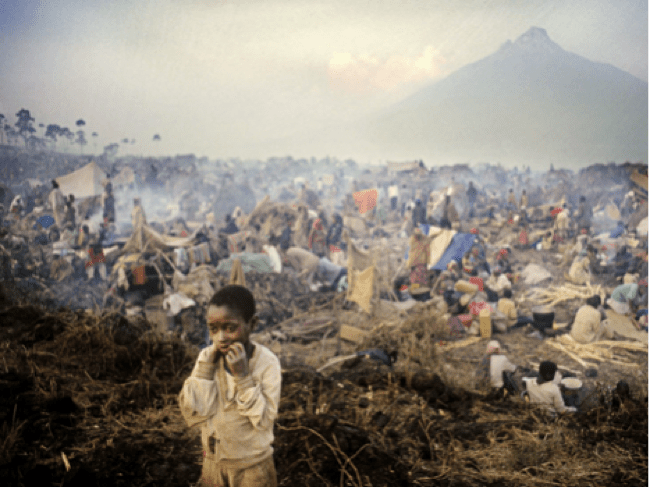
One of Gordon-Gibson’s earlier assignments was Zaire (now the Democratic Republic of Congo) in 1994. This was following the Rwandan genocide, in which an estimated 800,000 members of the Tusti ethnic group were killed by the Hutus between the months of April and June. After the genocide, the Tutsi-led Rwandan Patriotic Front (RPF) took over. About 1.2 million Rwandans, most of whom were Hutu, fled to the 35 refugee camps that were established in Zaire.

A refugee camp in what is now the Democratic Republic of Congo in 1994

Gordon-Gibson explained that the refugee camps were established on a volcanic plateau. This meant that there was no running water, and refugees suffered from dehydration. Even worse, there was no drainage and up to 50,000 people died from Cholera within the first four weeks.

Zaatari, 2014

The refugee situation in Zaire was clearly not ideal, and it became a watershed for standards in humanitarian intervention. Gordon-Gibson described the many improvements to refugee camps that have been applied in Zaatari, his most recent assignment.

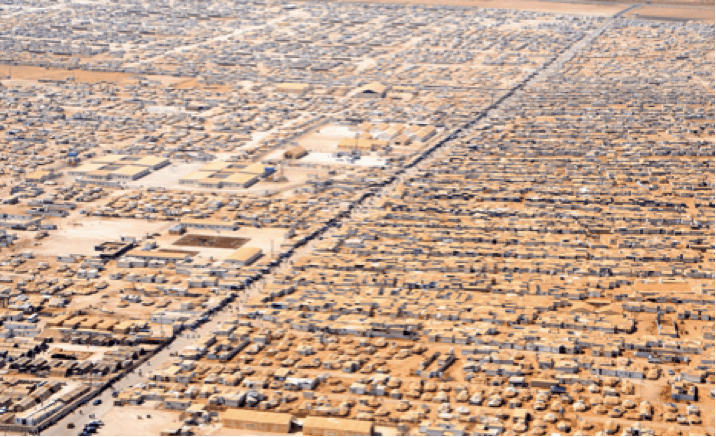
This Syrian refugee camp located in Jordan is well organized into sectors, allowing greater organization and efficient distribution of aid. There is now a focus on making the camp child-friendly and restoring normalcy to the refugees lives, providing them with psychosocial relief as well as physical relief.

The Zaatari refugee camp

In addition, the refugees are no longer given a month’s supply of food in bulk as they were in Zaire, which was a logistical issue as well as a security issue due to a huge demand and limited supply. The refugees are instead given cards with a set amount of money per person per month. They do their own budgeting and shopping, which solves the logistical and security issues of the past and restores a sense of normalcy to their lives. Some refugees even set up small businesses as a way to make money. This helps the refugees to feel much more independent. They are able to have a sense of control over their out-of-control lives, and not be passive victims of a bad situation.

A Syrian refugee knits clothes that she can sell to make money

Recent technology has also played an important role in improving humanitarian aid. Satellite images and GPS technology used by the Humanitarian OpenStreet Maps (HOT) help aid workers locate vulnerable groups of people and coordinate the best ways to help. This is especially useful in providing aid to the many people who are internally displaced.

Current Challenges

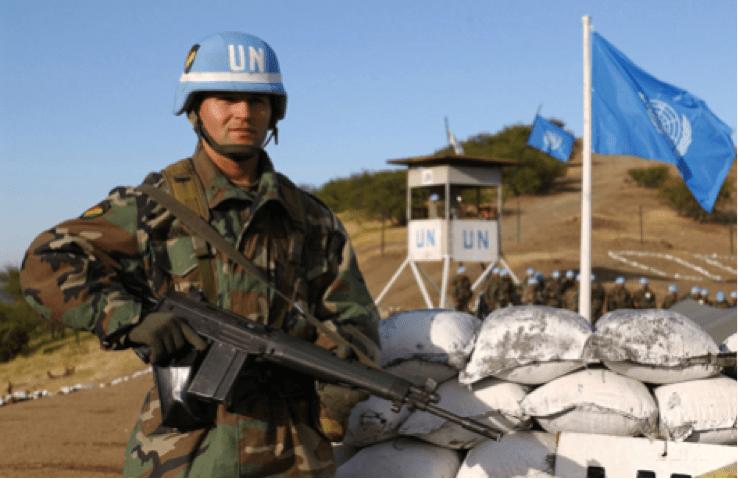
Despite the many improvements in providing aid, there are still serious challenges. One is the militarization of aid. The International Committee of the Red Cross describes the “blurring of lines” debate, and says that “the question is not whether the military can contribute to humanitarian efforts; it…has an obligation under international humanitarian law to evacuate wounded civilians. Aid becoming part of counter-insurgency strategies, however, is much more problematic. …Such developments lead parties to conflicts and affected populations to associate all humanitarians with specific political and military goals in Afghanistan and beyond. When humanitarian action becomes part of strategies aimed at defeating an enemy, the risks for aid agencies in the field grow exponentially. This is when a bright red line must be drawn.” The focus of humanitarian aid needs to be only on helping the civilians in any way possible. When the military becomes involved, motives get more complicated and the situation becomes more dangerous for everyone involved.

A UN Peacekeeper

Another challenge is funding. It is very difficult, if not impossible, to reallocate funding. Donors give money for specific purposes, and it is illegal and immoral to use those funds for a different purpose. This is a problem because all of the money that is donated to over-funded projects still needs to be spent, and cannot be transferred to other projects that are under-funded and in desperate need of more money. According to the UN Refugee Agency, there are over 3 million Syrian refugees, and over 6.5 million more have been displaced inside Syria. However, Syria remains extremely under-funded, and only has 51% of the funding that is needed. Although over $1.9 billion has been received, over $3.7 billion is required.

Lastly, the need for humanitarian intervention continues to grow. According to the Global Humanitarian Assistance report, a record US$22 billion was spent in 2013, compared to a significantly less US$17.3 billion in 2012. Despite several challenges, the changes in the way humanitarian crises are dealt with are significant, and make a real, positive difference in the lives of refugees. However, as these crises continue to grow in scope and number every year, eventually there will not be enough funding to support all of them. The biggest challenge of humanitarian intervention is how to eliminate the need for it in the first place.

Where days are numbered

I had the unique opportunity to take part in a field visit for Amnesty International Hungary when they visited the ‘Numbered Streets’, a so-called slum in Miskolc. Miskolc is a large city in northeastern Hungary housing approximately 170,000 residents. The city was particularly influential in the Soviet era, when many factories and mines were located in its vicinity. Tens of thousands of industrial workers once lived there, many of Roma origin. Since then, however, the place appears to have been forgotten, abandoned during the great restructuring of Eastern European political economies 25 years ago. As economic crisis and the collapse of the Soviet regime struck Hungary, the majority of workplaces disappeared, leaving thousands of people unemployed and in poverty.

The ‘Numbered Streets’ was a typical working-class neighborhood. The social housing provided in the area was bounded by factories, cooperatives and a stadium. Now the boundaries remain, but only the stadium functions. The current Hungarian government is planning to modernize the stadium as a part of an ambitious, country-wide building programme. Moreover, the stadium is set to expand with plans for the construction of a spacious parking lot – just where the ‘Numbered Streets’ are located.

Now, here comes the riddle. How do you clear a neighborhood that continues to house more than 1000 people?

The municipality has a very detailed plan which includes the elimination of all legal obligations for the city and a marketing campaign intended to convince the residents of Miskolc to outlaw the ‘Numbered Streets’.

In May, the municipality introduced an amendment to a decree, allowing for the forced eviction of people in certain circumstances. They developed a plan to pay insignificant compensation (up to a maximum of £3,800) to residents of the ‘Numbered Streets’ who have valid tenancy agreements if, and only if, they move outside the boundaries of Miskolc.

So far it only seems illegal, but not entirely scandalous. However, there is another condition of the neighborhood that the municipality is aware of and exploits. There are three types of tenants in the ‘Numbered Streets’. Out of approximately 200 families, 60-70 do not have any legal documents for their tenancy, despite paying rent every month; the tenancy agreements of 60-70 families will terminate in the near future; and only 60-70 families have indefinite or longer-term tenancy agreements, which the municipality is now trying to end. The long-term contracts of some families can be terminated due to debt problems, so only a few families remain out of 200 who are eligible for compensation in the event of eviction.

The municipality has also started a campaign to discredit the residents of the ‘Numbered Streets’. Presenting the slum as a hub of criminal activity and unhygienic living, they have collected signatures in the form of a petition that asks the weighted question “do you want to deconstruct the slums or not?”. 35,000 people, around one fifth of the residents of the city, have signed the petition, a figure which is used by the municipality to demonstrate widespread support for clearing of the ‘Numbered Streets’.

I do think that there were people who signed the petition because they believed in the destruction of the “Gypsy slum”. In the ‘Numbered Streets’ the majority of the families are of Roma origin. In general in Hungary, and especially in Miskolc, where work opportunities are limited, and unemployment and extreme poverty are high, there exists visible tension between Roma and non-Roma Hungarians. Discrimination is a proven reality; it is much harder to find a job or enjoy the opportunities provided in the country if one has the dark complexion of a Roma.

Fear is normal. Everyone is afraid of the “Other”, especially if the media and cruel rumors propagate unrealistic and false images. I myself was a little scared to go to the so-called “gypsy slum”. I considered whether or not to bring my expensive camera. I was not sure if I was ready to experience the “kind of poverty” that exists in the environment. I was training myself for days to remain open and accept everything I would see, convinced that I should not lose my tolerance.

I could not have been more wrong. The “slum” is really just a modest, and at times, poor neighborhood. The houses are often old, but they are colorful. Running water is available for some families; others bring it from water pumps at the end of their streets. The sewage system is not fully developed, but there are modern parts of the capital city in which this remains an issue. There is no garbage on the streets, and there are satellite dishes on nearly every house. The gardens are somewhat modest in size, but many of them are properly cultivated.

There are kids, teenagers and women chatting, walking, playing and riding bicycles. Together, as friends and family, in a big community. Roma and non-Roma people together. I did not perceive the slightest bit of violence or filth. The pictures speak for themselves.

Is this the “slum” which must be destroyed?

Forced evictions have already begun. Among the first was a mother with small children and a disabled woman. The next one was an unemployed man and his family. He could not pay the rent because he had to pay for the funeral of his wife.

Evictions are most likely to stop now for some time, since municipal elections are held in October, and there is a moratorium on evictions during the colder months. But as lawyers of the residents have suggested, the full force of mass evictions is likely to continue in spring.

Of course many people and organizations continue to fight the evictions. Locals, opposition parties, leading Hungarian NGOs such as Amnesty International Hungary or the HCLU (Human Civil Liberties Union) have raised their voices against this form of social injustice, however so far their efforts have not proven fruitful.

Social housing does not only mean that the landlord is the municipality. Social housing is provided for people who are underprivileged and need help in providing acceptable accommodation for themselves and their families.

People have the fundamental human right to adequate housing. The municipality should think about integration rather than discrimination. This is not just a law, but a moral obligation.

Also featured on the Amnesty International Hungary website (Hungarian only)

The forced labour behind the great constructions

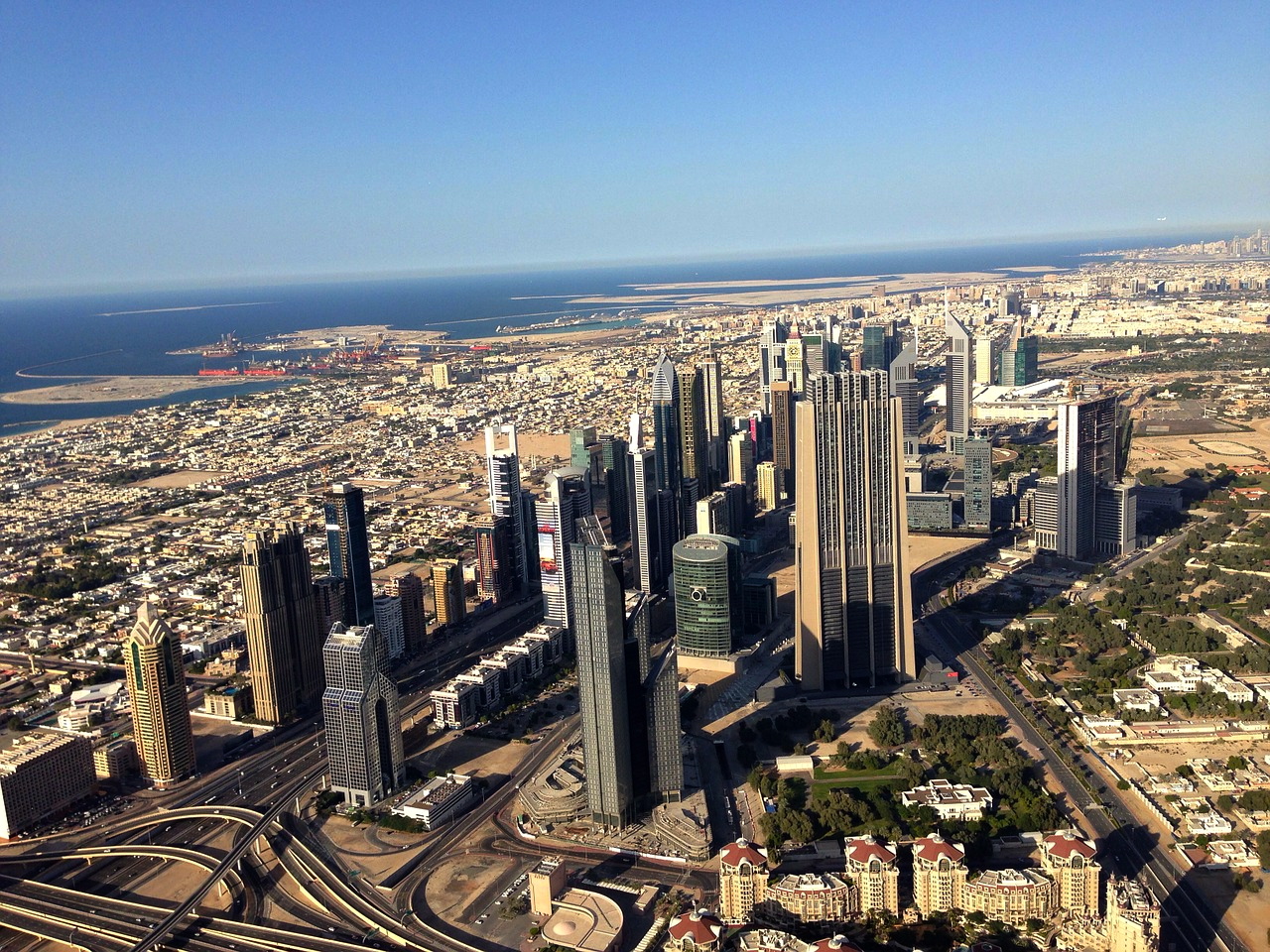
At first glance, the large structures stand out reaching up into the sky. Burj Khalifa, the world’s tallest building, stands among them as one of United Arab Emirates’ greatest creations. Enormous malls, beaches, hotels and other aspects of the luxurious life one can live in Dubai or Abu Dhabi are what most see when they stay there for a short period of time. Having lived in the city for three years, I have realized that there are many facets of life that may not meet the eyes of a tourist. Boasting a glossy exterior and high-rise buildings, Dubai is a bustling city constantly under construction. It seems their four-lane roads that stretch into the desert are accommodating for a population of the future, with construction plans to match.

Consequently the ever-changing web of roads, overpasses and tunnels cause a daily standstill in many parts of the city. One look out the window of a car in a traffic jam, and the first thing that meets the eye is a group of men in blue overalls standing outside, working in the blazing heat. Dubai is a city filled with migrant workers; some are lucky enough to be able to bring their families there, whilst others are not. “Many of the city’s migrant workers put up with long working days, relative isolation and inhospitable weather so they can send money back home; sometimes to children awaiting school fees or daughters awaiting dowries.” (CNN). They live in camps outside the areas where even residents would regularly travel, seemingly stowed away from public sight.

Dubai hosts a highly multicultural society; less than 20% of the population are citizens of the United Arab Emirates (UAE). It has one of the highest net migration rates in the world, people from all nations come to work and live in the UAE and its cities. According to the CIA World Factbook, expatriates account for 85% of the labour force. South-Asians make up roughly 50% of the population, and whilst they work in all industries, the majority work in the construction industry, being bussed to and from their camps to work in the heat day after day with minimal pay. In a Human Rights Watch (HRW) report from May 2009 entitled, The Island of Happiness: Exploitation of Migrant Workers on Saadiyat Island, Abu Dhabi, HRW highlighted a number of issues that are prevalent within the construction industry fuelled by migrant workers in the UAE. Key factors include obscure employment information prior to the worker’s arrival, with inferior terms offered than what was promised. Removal of passports, indebtedness due to recruitment fees, and the sponsorship system are also issues that were flagged in the report and its follow-up in 2011.

Workers are brought into the country through immigration sponsors, which give employers large amounts of power over their new workers. This policy, called the kafala (visa sponsorship) system, ties workers’ visas to their employer, thereby restricting the migrant worker’s ability to change employers. Obscure employment information is a widespread issue, as authorities, contractors and developers have not ensured that the information the workers receive pre-departure is correct. Often, the migrant workers had not signed in their home countries or had signed but arrived facing contracts with significantly different terms. Arriving in the UAE then becomes a challenge, as they either have to forego the investment of going there or work for a lower wage than agreed upon.

Throughout the UAE, striking is illegal, and any company, or foreign contractor is obliged to report a possibly formation of workers’ committee to the authorities (South & Bland, 2014. Striking workers are often beaten, and face imprisonment and possibly deportation, as was the case on Saadiyat Island. But if the workers wanted to leave at any point, would they be able to? No, the removal of passports is a common practice in low-wage industries, and this is no exception. They do so by either confiscating them to “protect their investments” or claiming they will keep the documents safe. The truth is that this policy keeps the workers dependent on their employer. The International Labour Organization (ILO) has highlighted confiscation of passports as one key element in identifying forced labour situations.

Several other aspects bring the labour situation closer and closer to forced labour. Recruitment fees are to be paid to the employer for bringing them to the UAE. This cost far outweighs the wage, especially after sending most earnings to their families in their home countries. Most reported to HRW that they paid between US$900 and $3,350 to agents in their home countries when seeking employment in the UAE. This limits their freedom by leaving them in debt to the agencies that help them migrate, a debt that often takes more than three years to pay off, according to the same report. The problem is that in spending all possible resources to obtain a job in a foreign country, little is left for the family and those around them. Pooling all resources into these fees, false contracts and jobs with hazardous conditions may seem like a futile effort to make a living, and it is highly contestable as to whether it really is better than their situation back home after all. When both living and working conditions are under scrutiny, bad news often comes into sight. The well-known construction scandals of the upcoming Qatar World Cup in 2022 do not stand as isolated incidents in the region, construction workers in several of the Gulf States live under measly conditions and without the freedom to leave if they so desired.

The list of optimistic construction plans never seem to end, with several projects have been discussed in recent years. Examples include Dubailand, the City of Arabia complex as well as the new plans to build a Mall of the World at a size of approximately two hundred football pitches in ten years (Gulf News). This in addition to hosting the 2020 World Expo in Dubai makes it clear that the city will need vast amounts of labor to reach its ambitious projects in the future. Clearly there are a number of issues that need to be addressed related to the treatment of migrant workers in the construction industry. Whilst many suggestions have been made, it is important that all companies and that the government protect worker’s right, no matter which socio-economic background they come from. They deserve the chance to make an honest living, without having to work under what highly resembles forced contract.

The War Against Women: At Home and Abroad

There are 60 million women missing due to neglect and sex-selective abortions, 15 million female slaves in sex-trafficking and labour, and 5,000 victims per year in honour killings. These are hallowing indications of a phenomenon known as gendercide. Gendercide is the systematic killing of members of a specific sex. In this article, we will expand it to encompass the violence against women and the neglect that result in their deaths. For example, between 1,500 and 1,800 women die every day from preventable causes related to pregnancy and childbirth. Approximately 99 percent of all maternal deaths occur in developing countries. However, these deaths are not just the problem of a particular region. The United States has a higher ratio of maternal deaths than at least 40 other countries even though it spends the most money per capita for maternity care.

The war against women is easy to ignore. This is not a conventional conflict. There are not drone strikes on female-only areas of the population. There is not media coverage of sex-selective abortions favouring men or infanticide in the form of murder or neglect. In order to understand the scope, a UNICEF study found that in Bombay after prenatal sex determination, 7,999 out of 8,000 abortions were of females. The World Health Organization estimates that about 50 million girls are “missing” as a result of China’s one-child policy. They have been aborted, sold, killed through neglect, or murdered.

Actual wars can overshadow violence against women. The death toll is the centre of attention while the systematic rapes and their impact are often looked over. Between 250,000 and 500,000 women were raped during the Rwandan Genocide. Around 70 percent of them were infected with HIV due to the use of HIV positive men as a weapon of genocide. The Rwandan Genocide brought attention to systematic rape as a weapon of war. Rape was given credence as a war crime in the Statutes of the International Criminal Tribunal for Rwanda. Rape has lasting consequences for their victims because it can render them ‘untouchable’ or not suited for marriage. The children of rape are often killed or neglected due to their community’s unwillingness to care for them.

More recently, systematic rapes in Syria are threatening the social make-up of society. There is a generalized perception that women who are arrested are raped. This perception stigmatizes women who are arrested and alienates them from their community. Many of them remain silent due to repercussions they may face in their communities. A woman was thrown to her death off a balcony when her husband found out that she had been raped. The children of rapes are given no sympathy. Bodies of new-born babies have been found in alleyways in Syria. A woman leapt to her death because she was unable to abort her child. Fathers are rushing to give their daughters away in marriage to avoid them becoming ineligible for marriage due to crimes against them. The international community has largely remained silent, but these crimes threaten familial and societal structures as families are torn apart and women suffer silently.

While rape is categorized as a war crime, violence against women it is still pervasive domestically. In the United States, a woman is raped every 90 seconds. One in five women will be the victim of rape or attempted rape in her lifetime. In the United States, three women are murdered every day by their intimate partners. Twenty to fifty percent of women experience domestic violence in their lifetimes and a woman is abused every 15 seconds by her partner.

Violence against women has become so commonplace that most people are numb to the statistics. However, if one were to consider the University of St. Andrews, they might find the facts have a greater impact. Out of the 7,775 students at St. Andrews around 4,500 are female. Applying the aforementioned statistics, of those 4,500 women, 900 have been or will be victims or rape or attempted rape. Around 900 to 2,250 of these women have been or will be victims of domestic violence.

This violence pervades all societies from the third-world, to war zones, to right here at home. What is there to be done? At home, we can combat the everyday manifestations of “rape culture” that affect our society. They take forms of trivializing rape and victim-blaming or disbelief . We have to hold our politicians accountable for how they deal with sex crimes and how they speak about rape and their assumptions about women. We have to combat “wilful ignorance” and pay attention to what we are watching, games we are playing, and what our friends are saying.

Violence against women becomes normalized when we allow it to enter our everyday lives. The more commonplace it becomes, the more we are desensitized to it, and the easier it becomes for us to accept it. We have to shift our perspective from thinking about what women can do to avoid violence to how we can teach society to respect women, their bodies, and their agency. We have to stop casting judgment on victims and trying to make justifications for why they were victimized. We have to listen without judgment if someone feels comfortable enough to come to us about something they have experienced.

We have to stop removing ourselves from atrocities that do not occur within our communities. We have to realize that violence against women is a societal problem. Women play an influential role in their communities. Women earn less than 10 percent of the world’s wages but do two-thirds of the work. In sub-Saharan Africa, women own less than 2 percent of the land but produce more than 90 percent of the food. Women are the cornerstone of families around the globe and their sacrifices make it possible for societies to advance. In South Africa alone, women walk the equivalent of a trip to the moon and back sixteen times, every day to supply their households with water.

The world cannot advance to its fullest potential without utilizing and promoting half of its population. Bill Gates responded to the question whether or not Saudi Arabia could reach the top ten countries in technology by 2010 with, “Well, if you’re not fully utilizing half the talent in the country, you’re not going to get too close to the Top 10”.

Websites like kiva.org provide microloans to women across the globe to promote economic empowerment. Amnesty International has campaigns to support women’s rights across the globe through activism. CAMFED provides scholarships for girls in the developing world. With the Global Give Back Circle you can become a mentor of a Kenyan girl or sponsor a girl’s IT training and education.

For our society to reach its full potential, we have to move beyond our own communities and cross national boundaries. We have to become everyday activists in our communities and provide a hand up to those not in our communities. Think of your mom, your sister, your girlfriend, your academic mom, and female friend, statistically speaking one of them will be a victim of rape or attempted rape. Gendercide and rape unravel the foundations of our society. We are all soldiers in the war against women.

Hondurans Face Expedited Removal at US Border

Human Rights Watch recently reported that Honduran adults seeking asylum in the U.S. are subject to “rapid – fire screening”: a process which involves deporting migrants without proper assessment. Migrants have mixed motives for leaving Honduras, but with the highest murder per capita rate in the world, many flee to the U.S. to escape the gang violence that plagues the country. Honduran gangs often extort civilians for money and retaliate if they fail to pay. The increasing gang violence has also led many children to flee Honduras. A majority of unaccompanied minors crossing the U.S. border are boys aged 15-17 – trying to escape the pressures of joining gangs. With constant violence and a lack of opportunity, the U.S. is the only source of hope or basic survival for many Hondurans, but flawed U.S. border practices and policies only send migrants back to the danger they tried to flee.

Once a migrant is detained at the U.S.- Mexico border, they undergo a two-part assessment by the U.S. Border Patrol for either “expedited removal,” if they are crossing the border for the first time, or “reinstatement of removal,” if they have been previously deported. An agent from Customs and Border Protection (CBP) will flag a person for a “credible fear” or “reasonable fear” in the first part of the assessment. Migrants then meet with an asylum officer who evaluates their claim to determine if the fear of return is either “credible” or “reasonable.” If the claim of fear is deemed legitimate, the migrant will continue in immigration court, presenting their case before a judge. Children are automatically referred to immigration court proceedings but evidence has shown that an increasing number of adults seeking asylum are being turned away in the first part of expedited removal. By failing to recognize asylum seekers the U.S. is violating international law and human rights obligations.

According to data collected by Human Rights Watch, in 2011 and 2012, of all the Honduran migrants detained at the border, seeking asylum, “at least 80 per cent, [were] placed in fast-track expedited removal” and only “1.9 per cent [were] flagged for credible fear assessments by CBP.” The most recent data shows a general trend towards stricter border policies. In July, 63 per cent of all migrants who claimed a “credible” or “reasonable” fear were found to have met the criteria whereas 83 per cent of all claims were deemed credible just six months earlier. This decline comes from stricter regulations from U.S. Citizenship and Immigration Services Asylum Division. The goal of these new guidelines, according to an agency official, “is to ensure that immigrants with little to no chance of obtaining asylum in immigration court are quickly sent home.” But this problem of stricter regulations precedes the past six months; immigration reform is a predominant concern in American policy.

In 1996, U.S. Congress enacted a provision entitled “expedited removal” as part of the Illegal Immigration Reform and Immigrant Responsibility Act (IIRIRA). “Expedited removal,” allows for the “summary expulsion of noncitizens who have not been admitted or paroled into the U.S., who have been in the U.S. for less than two years, and who present fraudulent documents or have no documents.” Unless the person makes a claim of “credible fear” then “they may be immediately deported and will be barred from returning to the U.S. for at least five years, and often much longer.” Originally the American government only applied expedited removal conditions to noncitizens arriving at “ports of entry.” After September 11, 2001 the Department of Homeland Security, which was created after the attacks, began enforcing expedited removal along the entire U.S. border. The IIRIRA also created another provision, the reinstatement of removal. If a person who was previously removed from the U.S. and subsequently re-enters the country illegally, they face the reinstatement of the previous order and are barred from applying for asylum.

The responsibility of the CBP is to determine “credible fear” and refer migrants to an asylum officer. Data shows that not only have CBP officers been improperly screening migrants but that a majority of asylum referrals come from Immigrations and Customs Enforcement (ICE). A migrant can be referred to asylum after they have left CBP but ICE does not have a duty to actively screen all migrants in custody for credible fear. “Approximately three-quarters of the credible fear referrals the United States Citizenship and Immigration Services (USCIS) conducted in 2012 came from agencies other than the CBP, even though that year CBP was responsible for approximately 57 per cent of all noncitizen apprehensions.” For migrants who are referred to asylum officers, the likelihood of being granted asylum has fallen significantly in the past few months with a decrease of 20 per cent since July. Tighter regulations not only hinders migrants from entering the U.S. but also reflects the influence of the political right on immigration.

The Universal Declaration of Human Rights states that “everyone has to the right to seek and to enjoy in other countries asylum from persecution,” but current immigration policy in the U.S. is making the opportunity for asylum increasingly difficult. A majority of Honduran migrants detained at the U.S.-Mexico border are rarely given the opportunity to make their case for asylum. Trying to escape a life surrounding by gang violence, many Hondurans are sent back without due process of law and denied their basic human right of seeking asylum under international law. The U.S. should cease using fast-track deportation to ensure migrants have an adequate opportunity for asylum that is guaranteed to them under the Universal Declaration of Human Rights so they will not have to face the torment of their home country.