The Case Against the Dakota Access Pipeline

The marginalisation of Indigenous American peoples has been practically commonplace in society since Columbus’ ‘discovery’ of America in 1492. In today’s America, where political correctness supposedly runs rampant and discourse on the subject of cultural appropriation seems to be at the forefront of every other media controversy, one should be hard pressed to find examples of subjugation towards tribal communities. However, this is not the case, as evidenced by the continual use of inaccurate stereotypes as collective representations of Native peoples utilised in costumes, all examples of media, and as mascots for sports teams. More recently, however, the infringement on Native American rights has been highlighted by the Dakota Access pipeline controversy.

The Dakota Access Pipeline is a proposed 1,172-mile pipeline to connect the oil fields of North Dakota to refineries in Illinois that would transport around 470,000 barrels of oil per day. According to the project website, which is run by the pipeline company Energy Transfer, the project “is committed to working with individual landowners to make accommodations, minimize disruptions, and achieve full restoration of impacted land.” This statement has been proven illegitimate not only by the evidence of the protest movement which now has participants hailing from nearly 100 different indigenous tribes, but also in the instance of many non-native farmers in Iowa. Such is the case of Cyndy Coppola, who was arrested on her own land for attempting to block Dakota Access trucks on October 15th. She is just one of several Iowa landowners whose land is being used for the pipeline despite the owner’s objections, with Energy Transfer citing ‘eminent domain’ in order to gain easements.

However, this is not the only instance in which the practices of this project faced backlash. The official project website also contains a claim about their commitment to safety, stating “Underground pipelines are the safest mode of transporting crude oil.” However, according to data from the Federal Pipeline and Hazardous Materials Safety Administration, since 1986 an equivalent of 200 barrels of oil per day has been spilled as a result of accidents involving faulty pipelines. Furthermore, an April report from The Associated Press states that three separate federal agencies wrote to the United States Army Corps of Engineers, the group who approved the pipeline’s construction, after carrying out what these agencies claim to be a faulty environmental assessment. These correspondences call into question the assessments of potential impact to the environment, namely Native American drinking water sources, in the case of a pipeline leak, as well as the adequacy of justifications in concluding that there would be no significant environmental impact, including that of sites containing historical value to affected Native American tribes. The latter point of contention is elaborated on in the Advisory Council on Historic Preservation’s Section 106 Regulation, which “requires Federal agencies to take into account the effects of their undertakings on historic properties” and “place major emphasis on consultation with Indian tribes and Native Hawaiian organizations.” The developers also tout themselves as champions of the local economy with their “creation of 8,000 to 12,000 local jobs during construction.” The issue with this is that, in the long run, once construction is completed, these jobs will disappear and once again local unemployment will rise. In reality, the number of permanent jobs created by this pipeline project will go no higher than 40.

Tribal citizens demonstrating against pipeline construction

Since April of 2016, members and affiliates of various Native American tribes have protested the installation of the North Dakota access pipeline. Located on the outskirts of the Standing Rock Sioux reservation, the construction site for the pipeline, though not technically on the reservation, still cuts through what the Standing Rock Sioux consider to be ancestral lands, places where their forefathers once carried out day to day life. This land would have been inhabited or at least used as hunting grounds by Sioux people prior to the Treaty of Fort Laramie on April 29th, 1868, which corralled the once nomadic tribe for the personal gain of the United States government. From that point, lands of the Sioux Nation were repeatedly reduced, culminating in its division into six separate reservations in March 1889, thus forming the reservation of the Standing Rock Sioux.

In a September 23rd press release issued by Dave Archambault II, the Chairman of the Standing Rock Sioux, noted that they “have already seen the damage caused by a lack of consultation. The ancient burial sites where our Lakota and Dakota ancestors were laid to rest have been destroyed. The desecration of family graves is something that most people could never imagine… sacred places we have lost can never be replaced.” Mr Archambault’s statements serve as a testament to the grief felt not only by the Standing Rock Sioux, but by generations of indigenous peoples who have had their tribal lands disrespected or taken away completely throughout history at the hands of both the United States government and private companies alike.
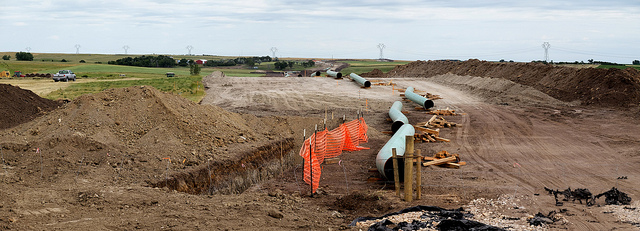
The Dakota Access Pipeline under construction, by Lars Ploughmann

At the centre of this pipeline issue is a key component that is often overlooked, for lack of conceptual knowledge, the fact that it gets lost among the claims of the pipeline as primarily an environmental injustice, or due to general feelings of discomfort among those who have historically perpetuated racial injustices. This is the complex notion of tribal sovereignty, the inherent concept which, when recognised, allows for the self-determination of Native peoples. The DAPL is a project that, at surface value, may appear to be a racial group banding together in order to make an environmental complaint against a private company. However, this controversy runs much deeper than that, serving first and foremost as an exercise in tribal sovereignty, voicing a significant assertion about Native American self-determination in the face of a society which has systematically worked against them since the late 1400’s.

In the past week, tensions have risen between protesters and law enforcement officials, culminating in the arrests of at least 127 on October 22nd. There have been allegations from both sides claiming use of unnecessary aggression and unlawful tactics including unprovoked violence and pepper-spraying. Mr Archambault claims that “it is because of the behavior of the state that these tensions are heightened,” citing the use of blockades, police vans, and police in riot shields and the calling in of the National Guard by Governor Jack Dalrymple. These protests, which were intended to be peaceful acts of civil disobedience and often included prayer, have reached a boiling point as Energy Transfer continues with construction despite criticism from non-native activists, politicians, and celebrities alike.

The halting of the Dakota Access Pipeline construction would have a significance far beyond the context of this isolated event. It would serve as an acknowledgement of Native American rights and make a claim about tribal sovereignty that would hopefully bolster the exposure of injustices towards Native peoples and allow them the visibility which they should have inherently received for hundreds of years. In order to aid not only the Standing Rock Sioux, but indigenous peoples everywhere, donate directly to the Tribe through their website, sign a petition to President Obama started by Greenpeace, or send supplies to resistance camps.
Should Human Rights be Sacrificed for Trade Relations?

In Western democracies, such as Great Britain and the United States, human rights are widely esteemed, applauded, and upheld as the cornerstones of a civilised, modern society. As US President Barack Obama said in a recent trip this year to Vietnam, “Nations are more successful when universal rights are upheld.” Yet, such reverence for human rights is hypocritically ignored by Western democracies when negotiating trade and economic relations with other nations. A prime example of this approach, by which another nation’s disregard of human rights is ignored in favour of trade relations, is Britain and America’s relationship with Saudi Arabia.

The juxtaposition of these Western democratic societies’ values with the abuse of citizens’ human rights in Saudi Arabia is startling. This year began in shocking fashion when Saudi Arabia executed 47 individuals, including the prominent Shia cleric Sheikh Nimr al-Nimr, who called for free elections, anti-corruption, and non-violent activism in Saudi Arabia. Presently, his nephew Ali al-Nimr lives in fear of the death penalty being carried out against him. He was just 17 years old when he was sentenced to death by crucifixion for his participation in a pro-democracy demonstration during the Arab Spring uprising. Having been tortured and forced to sign a false confession, which was then used as the evidence against him, Ali could be executed at any time. Such disregard for the fact that he was a minor at the time of his sentencing, as well as for accepted and fair procedures of justice, connote how the Saudi judiciary and government often do not respect international law on human rights, as outlined in the United Nation’s Universal Declaration of Human Rights.

In terms of press freedom, Saudi Arabia often initiates reactionary measures against those who criticise the ruling elite. Saudi writer Raif Badawi, who expressed his opinions on the separation of religion and state as well as on freedom of speech via his blog, has been in jail since 2012, with the prospect of one thousand lashes hanging over him and his family. When a writer is sentenced to physical punishment and imprisonment for their words, it raises the question of how Western nations such as Britain and America, that purport to stand for freedom of speech, can enter into economic relations with Saudi Arabia.

Ensaf Haidar, the wife of jailed activist Raif Badawi, holding his portrait at the 2015 Sakharov Prize award ceremony, © European Union 2015 – European Parliament

Moreover, the rights of women in Saudi Arabia are curtailed. Although in 2015 women were for the first time allowed to vote in municipal elections, they could only register to do so with the consent of their male guardian. The male guardianship system means that adult women must obtain permission from a male guardian to travel to a foreign country, marry, or to be released from prison, and possibly to work or receive health care. This applies to all women, and their guardian is often their father or husband; some mothers even require consent from their sons. Such restrictions last for the entirety of a woman’s life as women are, from the perspective of the state, permanent legal minors. The life of women in Saudi Arabia therefore stands in stark contrast to the freedoms of women in Britain and America.

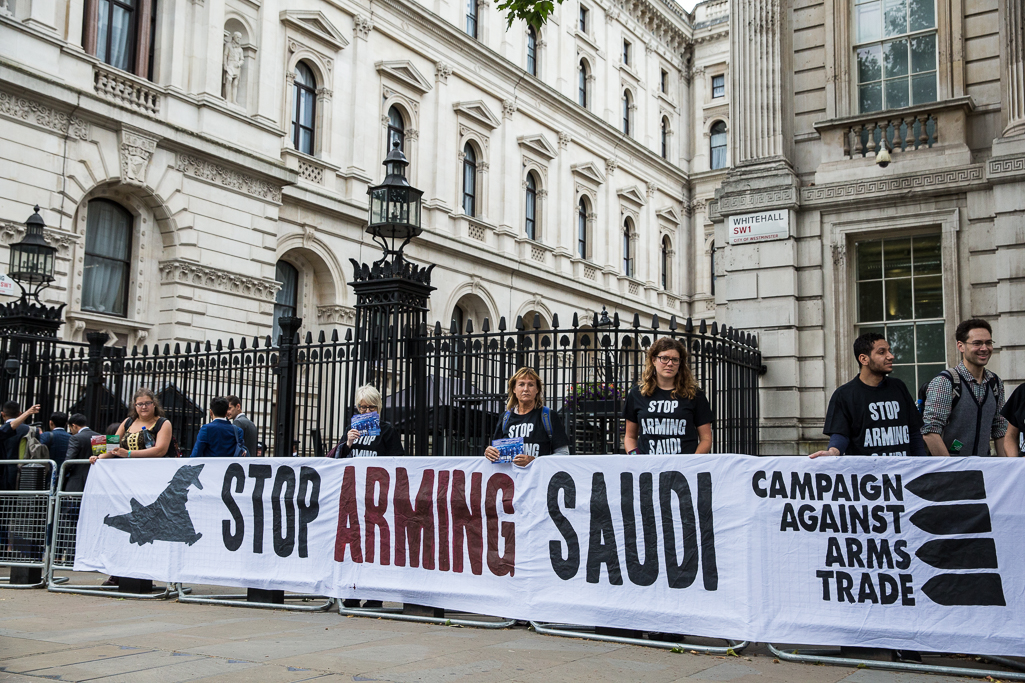
In such a context, it appears startling that nations such as Britain and America engage in cordial economic relations with Saudi Arabia, as though economic opportunities take precedence over respect for and promotion of human rights. Over 6,000 UK firms export goods to Saudi Arabia, with £7.5 billion of goods and services being exported to the Middle Eastern country in 2012. Britain also has an arms trade with Saudi Arabia, which has drawn criticism, especially from organisations such as Campaign Against Arms Trade (CAAT). Meanwhile, America also has an arms trade with Saudi and US goods and services trade with Saudi Arabia totaled $81 billion in 2012.

Seemingly, Britain and America behave rather hypocritically, and perhaps morally reprehensibly in their trade with Saudi Arabia. This raises the vital question of whether human rights should be sacrificed in the name of free trade and international economic deals. Should Western democracies trade with countries like Saudi Arabia that violate the human rights we societally purport to revere and uphold?

The world is rarely clear-cut in terms of moral responsibility, and one may be naïve in viewing the complicated world of trade and foreign relations so simplistically. Indeed, the opposing argument would hold that the act of blocking economic relations with Saudi Arabia would be regressive, and perhaps this is the case. By isolating such a powerful actor in the Middle East through sanctioning trade, Western nations such as Britain and America would lose leverage and diplomatic relations with Saudi Arabia.

A reasonable position? : London, July 2016, human rights campaigners protest against Farnborough International arms fair, by the Campaign Against Arms Trade

Moreover, some might argue that blocking trade with Saudi Arabia would only hurt consumers and exporters in the West, as well as damage relations with the Saudi government. In the words of Ronald Reagan, “The freer the flow of world trade, the stronger the tides of human progress and peace among nations.” Therefore, arguably the act of trading with all countries, whether repressive of its citizens rights or not, aids and promotes freedom and development. Historical examples of this theory in action include Franco’s Spain and Communist China. Indeed, imposing sanctions against Saudi Arabia in the name of human rights could disrupt the relationship between Western democratic nations and Saudi Arabia, while doing nothing to improve human rights. Perhaps, then, the best policy for promoting human rights in states such as Saudi Arabia that frequently ignore them, remains economic and diplomatic engagement, as opposed to a trade embargo that would likely damage the Western relationship with Saudi Arabia, as well as harm consumers and exporters. Perhaps we are wrong even to politicise international trade in the first place by making it an arena for human rights battles.

So, what is the answer? Should Western nations shun Saudi Arabia based on its government’s disregard of human rights? In an ideal world, such a solution would encourage the Saudi government to respect human rights. However, in the complicated world of diplomacy, realpolitik, trade, and foreign relations, such an action perhaps seems short-sighted, and even dangerous in terms of isolating a major power in the Middle East. Nonetheless, even if cutting all economic ties with Saudi Arabia seems unrealistic, Western democratic nations and their leaders should do more to condemn abuse of human rights in Saudi Arabia, and use diplomacy and ‘soft power’ tactics, as well as the leverage of trade, in order to influence progress on the fundamental human rights those in the West often take as granted. Therefore, while the solution may not be as drastic as to cut all trade ties with Saudi Arabia, Western governments ought to do more to encourage and persuade nation states like Saudi Arabia, that do not uphold many human rights, into respecting them.

If you would like to learn more about human rights in Saudi Arabia, please follow this link. If you would like more information on and ways to support the individual cases of Raif Badawi or Ali Mohammed Baqir al-Nimr then please click on their respective names.

Lighting a Powder Keg? The Sunni-Shia Divide in Northern Nigeria

The most important festival in Shia Islam, Ashura, occurred this year on October 11th. Around the world, Shi’ites marched to commemorate the martyrdom of Husayn, the Prophet’s grandson, who was killed at the hands of a Sunni army. Every year this festival highlights the divide between Shia and Sunni Islam, and it has increasingly resulted in violence between the two sects. One such case this year was the eruption of violence in northern Nigeria, with reports of at least eleven deaths and hundreds of injuries linked to violence around the festival.

In Funtua, a town in the state of Kaduna, nine were killed when soldiers opened fire on Shia marchers. Angry mobs, purportedly comprised of young local men, attacked Shia gatherings, killing two elsewhere in the state. The homes and community centres of Shi’ites were set ablaze across the north of the country. While the international community has been confronted with the atrocities of Boko Haram, who seem determined to fight the entire world, this more subtle conflict within and between Nigeria’s Islamic communities has gone almost entirely unnoticed.

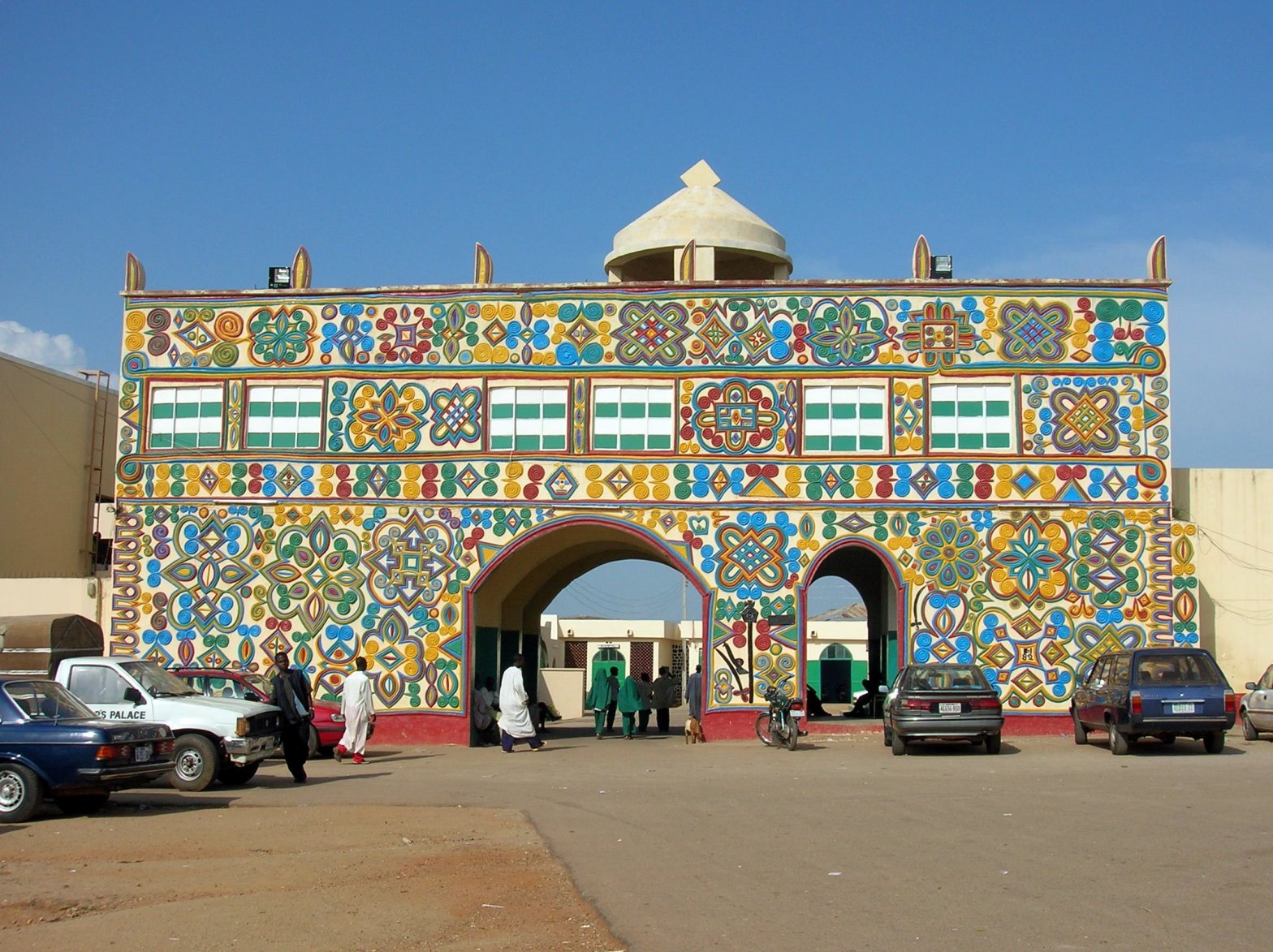
Northern Nigeria has a long Islamic tradition, as shown by this gate to the palace of the Emir of Zaria, by Shiraz Chakera

Nigeria’s population is split almost evenly between Christians and Muslims, with the Christians living predominantly in the south and Muslims living predominantly in the north. Within the Muslim population itself, only a very small proportion (estimated to be 3-4%) are from the Shia sect, with over 90% of Nigerian Muslims practicing Sunni forms of Islam. Shi’ites face discrimination, particularly in northern states, which have incorporated Sunni interpretations of sharia into their laws. The states of Kaduna and Katsina recently went so far as to ban the Ashura festival itself. The fact that Shia groups defied what they considered to be blatant discrimination and marched anyway may have been what led to the violence seen on October 11th.

The deeper causes of this October’s violence are mired in a potent mixture of politics and religion. Nigeria’s main Shia-associated group – which led the march in Funtua – is the Islamic Movement of Nigeria (IMN). Founded by the charismatic Sheikh Ibrahim Zakzazy in the 1980s, the IMN advocates peacefully for Nigeria to become an Iranian-style Islamic state. While the movement is Shi’ite in its ideology and theology, many dissatisfied Sunnis have also been attracted to the movement. However, for almost three decades the movement remained little-noticed by the authorities.

The Boko Haram insurgency, which began in 2009, put Nigerian Islamists in a harsh spotlight, particularly the IMN, as it also called for an Islamic State to be set up in Nigeria. As well as bad publicity for the Muslim community, Boko Haram also brought a huge military presence to northern Nigeria. These government soldiers, primarily from the south of the country and unfamiliar with the religious and demographic geography of the northern regions, have frequently been accused of heavy-handedness and brutality in their attempts to keep the peace.

This was displayed during last year’s Ashura, where army attempts to enforce state laws against Shia processions also led to violence and tensions with the IMN. These escalated into a siege of the IMN’s headquarters in Zaria, in which hundreds of Shi’ites were killed and the movement’s entire leadership was imprisoned. The fact that Shi’ites still marched in defiance of the ban this year may indicate that the IMN has promoted a new group of more confrontational leaders. This could lead to the group taking a similar trajectory to Boko Haram, who themselves only took up violence after the arrest and killing of their leader Muhammed Yusuf.

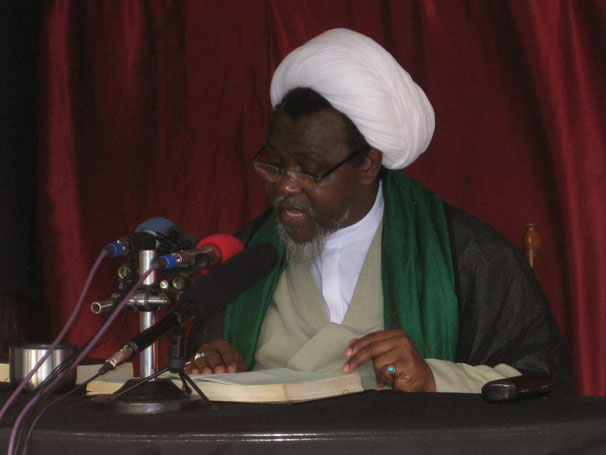
Islamic Movement of Nigeria’s leader Sheikh Ibrahim Zakzazy, by Tajo Malli

As well as tensions with the Nigerian army, the Shi’ites are facing an increasing Sunni Islamist movement that discriminates against them. Since the late 1970s Nigeria has been part of the worldwide surge in Wahhabi ideology, taught in religious schools, evangelised through websites, television channels and radio stations, and all funded by oil money from Saudi Arabia. Wahhabism emphasises the apostasy of the Shia and considers them to be a threat to Islam itself.. Wahhabism has taken hold in northern Nigeria from the grassroots level of inspiring violent mobs of young men to high offices, where individual state legislatures pass increasingly radical versions of sharia into law.

This process is aided by the fact that Nigeria, though a secular state, is governed by the socially conservative All Progressives’ Congress, who encourage decentralisation of power to the state level. This decentralisation principle has ensured that Nigeria – ostensibly a secular state – has not interfered in the increasing Sunnisation of its northern states, and fails to prevent the ostracism of a vulnerable minority.

Nigeria has seen this before, in the worryingly recent past. The process of a radical but non-violent movement turning increasingly to violence, through loss of leadership and heavy-handed military opposition, is exactly that taken by Boko Haram after 2009 and the death of Muhammed Yusuf. So far that insurgency has claimed over 20,000 lives and it has taken over seven years to drive the militants out of populated areas into the remote borderlands of Borno state. It must be remembered that, as an organisation, Boko Haram is surprisingly weak. It has never been able to recruit in significant numbers, and relies on slavery and drug trafficking to sustain its organisational capacity.

The Islamic Movement of Nigeria is a different matter. It has significantly larger membership and popular appeal, even attracting non-Shia members who are dissatisfied with Nigeria’s secular system. More importantly, whereas Boko Haram is internationally isolated (especially after its pledge of allegiance to the so-called Islamic State), IMN is allegedly backed by Iran. While the extent to which the Islamic Republic supports the movement is unclear, Sheikh Zakzazy has repeatedly pointed to the Islamic Revolution, along with movements such as Lebanon’s Tehran-backed Hizbullah, as the inspiration for his movement.

The events of this year’s Ashura show that Nigeria risks blundering into a conflict even more devastating than that against Boko Haram. If its actions continue to drive Nigeria’s main Shia movement towards extremism it may find itself faced with an enemy as highly motivated as Boko Haram, but with international backing and significantly more recruits and resources.

St Andrews for Syria Preview: The White Helmets

The Syrian Civil War, now in its fifth year, has become a major crisis that affects not only Syria itself and the Middle East, but also the rest of the world. It has caused massive harm to the economy, with total economic losses from the beginning of the conflict to the end of 2014 estimated at $202.6 billion. Syrian refugees now make up the second largest refugee population in the world, with 4.8 million people forced to flee, while over six and a half million have been displaced internally.

On the ground, the crisis seems even more bleak. Four out of five Syrians now live in poverty, and life expectancy has dropped by over 20 years since the start of the conflict. Barrel bombs, explosive-laden barrels packed with glass or metal fragments and thrown out of helicopters, are being used more and more often. Amnesty International reported that barrel bombs killed more than 3,000 civilians in the city of Aleppo in 2014 alone. The bombs are a tactic commonly used by the Syrian government, though President Bashar al-Assad denies that his forces use them and refuses to acknowledge a single civilian casualty from the attacks. Though the UN Security Council unanimously adopted a resolution in 2014 demanding that all sides stop all attacks against civilians, specifically barrel bomb attacks, the attacks have continued to this day. According to estimates by the Syrian Centre for Policy Research, more than a tenth of the population of Syria has been killed or wounded in the war.

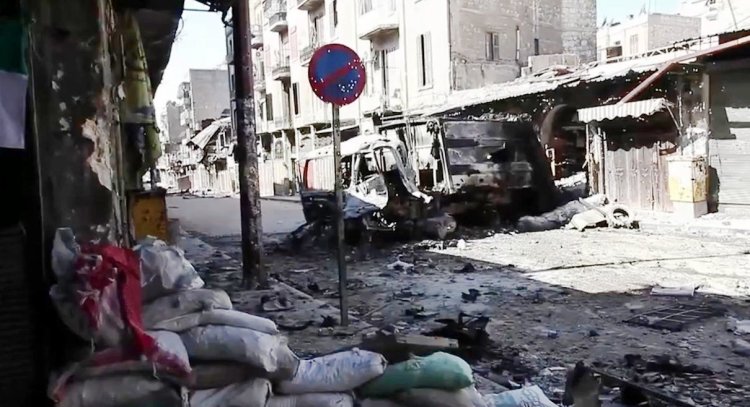
Bombed out vehicles in Aleppo in 2012

Though the UN has been involved in Syria since the beginning of the conflict, the organization has recently come under fire for its operations in the country. An investigation by the Guardian found that the UN awarded contracts worth tens of millions of dollars to people close to President Bashar al-Assad, including businessmen whose companies are under US and EU sanctions and two charities set up by his wife and closest associate respectively. In spite of the UN’s promise that it is ensuring the money is spent properly, critics say that aid is being prioritized to government-held areas and the money is not going where it should be to make the widest impact. Eighty-one aid groups and NGOs in Syria have suspended cooperation with the UN’s information-sharing program and demanded an investigation into its operations in an open letter. The question has become, if the people of Syria cannot trust the UN, who can they trust? The answer may lie in another internationally-recognized impartial organization, albeit one with a less universal mandate.

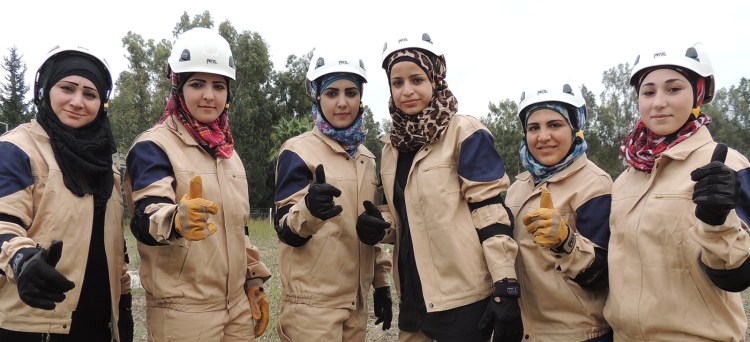
Syrian Civil Defense, also known as the White Helmets, is an impartial organization founded in 2013 and comprised of just under 3,000 volunteers across Syria who estimate that they have saved more than 62,000 lives as first responders to the scenes of attacks. The volunteers include around 70 women, who are needed especially in more conservative Syrian communities where a man cannot rescue a trapped woman, no matter how life-threatening her situation. Their credo: “to save the greatest number of lives in the shortest possible time and to minimise further injury to people and damage to property.”

Female volunteers in the Syrian Civil Defence

The White Helmets’ job is extremely dangerous. Often, helicopters will carry out ‘double tap’ attacks, where a second barrel bomb will be dropped in the same area as and a few minutes after the first in order to target the first responders and the crowd that gathers to assess the damage. 145 of the volunteers have been killed while performing their job, with many others badly wounded. To them, however, the risk is worth the cost in order to save Syrian civilians’ lives, and it seems the international community agrees. The White Helmets have been nominated for the Nobel Peace Prize twice, and were one of the four recipients of the the 2016 Right Livelihood Award, a prize worth around $85,000.

“They are working very hard in a very dangerous situation, doing something few others could do,” Malek Al-Hammo, a resident of Aleppo, told Al Jazeera. “They even work when the planes and helicopters are still shelling.”

Not everyone is impressed with the White Helmets’ work, however, with President Bashar Al-Assad downplaying the importance of their work and both Damascus and Moscow accusing the White Helmets of being too close to the extremist Al-Nusra Front by actively helping rescue their fighters. The group has also been accused of having its impartiality compromised by its acceptance of funds from foreign governments. Though the White Helmets are funded in part from the aid budgets of Japan, Denmark, the Netherlands, the United Kingdom, and the United States, they deny that the funds come with any strings attached.

Even with these criticisms, it is hard to deny that the work that the White Helmets perform on the ground is humanitarian, selfless, and saves people’s lives in the midst of a seemingly endless war.

“On the ground, we don’t make distinctions between people,” Raed Saleh, head of the White Helmets, told France 24. “We will save anyone’s life… We’ll continue to do our work – we don’t have a choice.”

To learn more about the war in Syria and the White Helmets, please attend the St Andrews for Syria event series. The first event, a film screening of the BBC Panorama documentary ‘Aleppo: Life Under Siege’, is scheduled for 6pm on Friday, October 28th in School II of St Salvator’s Quad. The film is a further introduction to the White Helmets and conditions in Aleppo.

The main event, an expert panel discussion on a range of topics within the Syrian conflict, is scheduled for 7pm Friday, November 4th in the Buchanan Lecture Theatre. Participating experts include Professor Raymond Hinnebusch, director of St Andrews’ Centre for Syrian Studies and founding member of MECACS, who will chair the discussion; Dr Ayman al-Yassini, a Refugee Status Determination Expert with UNHCR in Turkey; Alasdair Gordon-Gibson, former Head of Delegation (Moscow, Damascus, Sri Lanka) and Head of Operations (Myanmar, Syria) for the International Red Cross and Red Crescent Movement and current PhD candidate at St Andrews; Dr Idrees Ahmad, lecturer in journalism at the University of Stirling and author of The Road to Iraq: The Making of Neoconservative War; and Dr Jasmine Gani, Associate Director of the Centre for Syrian Studies.

All proceeds from St Andrews for Syria’s events will go directly to the White Helmets. Supporters of the volunteers are attempting to raise the $1 million the White Helmets would have received if they had received the Nobel Peace Prize to help continue their operations.

Black Hair: Why the Revolution Matters

For many black females, the decision to ‘go natural’ has been fuelled by a revolution of self-acceptance, self-love, redefined standards of beauty, and nonconformity. The term refers primarily to the eradication of relaxer, a chemical straightener which works its magic by uncoiling, unkinking, and de-constructing the tight coils which are the hallmark of our African ancestry. The second you unscrew the lid you are hit with the pungent smell, something like a rotting egg, and if that is not enough to deter you, the chemical proceeds to create a fiery itchiness on every part of your skin it comes into contact with. Other methods were used in the black community, and whilst my mother kept me far away from chemical straighteners, the ‘hot comb’ was her tool of choice. This metal comb was placed on top of the kitchen stove until it was nearly glowing with heat, at which point it slid through my hair like a magic wand turning it to silk before my eyes. Perhaps ‘magic wand’ is inaccurate, more like a Taser burning the tips of my ears and the back of my neck as it passed around the perimeter of my head, all in the pursuit of ‘good hair.’ Ultimately one would think that good hair would simply be hair that you are happy with, but within the black community the term ‘good hair’ has very different connotations. In short, ‘good hair,’ or ‘white girl hair,’ is hair which flows long and silky, sleek and full, an antonym of ‘nappy’ ‘kinky’ ‘black girl hair.’ One thing was for sure, my hair boasted none of these qualities, and whilst my Jamaican grandmother marvelled at the silky hair of my cousins from our part Jamaican-Chinese ancestry, I distinctly remember her shouting after me “chile, your hair favour barb-wire!”

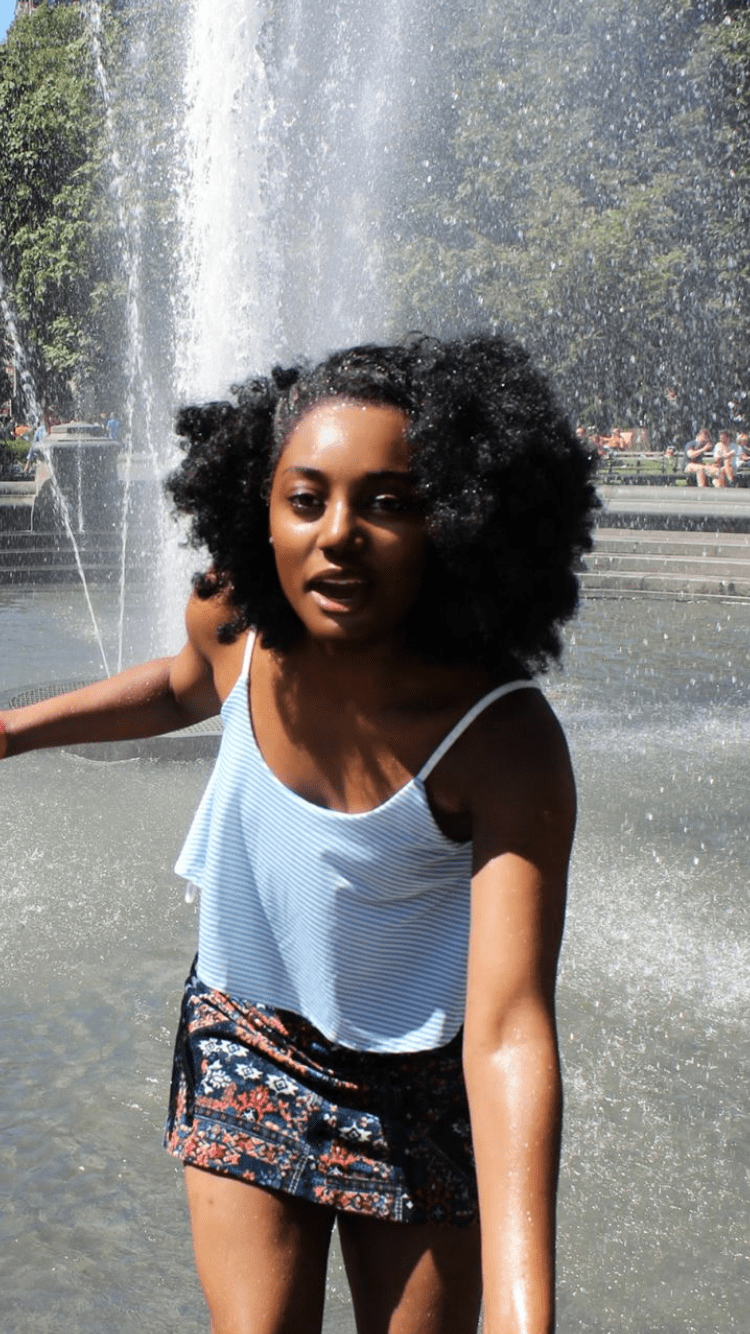
The author with ‘natural’/non chemically straightened Afro hair

However, discomfort is not unique to the black woman, in fact for many women a little pain seems an appropriate price to pay for beauty. So why is the black woman’s hair so political? And by political I mean entangled in a struggle for power, respect, and meritocracy. In the summer of 2014, I remember going to an interview for a mini pupillage at a law firm in London. It was my first taste of the corporate workforce, I had gone through my personal statement with a fine-tooth comb, but my hair remained natural and free. I arrived on time and as I sat in the waiting room my eyes were automatically drawn to the only other black female in the room. She was poised, her clothes perfectly fitted and not a hair out of place. For the first time, I thought that my natural hair could possibly disadvantage me in corporate Britain; just as I had learned to celebrate my hair personally I was forced back into offering the world a warped version of myself. Maybe the interviewer would think I had not made an effort to do my hair, even though getting my afro to sit so neatly and proper on my head had taken one wide tooth comb, one bristle brush, a handful of edge control, a dollop of Shea Butter curl crème, and 30 minutes at least. Yet, perhaps my hair would stand out to her like a tattoo of my ex-lover’s initials in the middle of my forehead and limit my employability like a silver hoop dangling from my eyebrow. I realised this was more than just a corrupted ideal imposed upon black girls from birth, that they must conform to a Eurocentric standard of beauty to truly be beautiful, this was a racial bias which permeated all sects of society that had grouped the hair which sprung from my scalp with taboos like tattoos and piercings.

Afros are not the only black hairstyle which can attract negative bias. Other protective styles worn by black woman include braids, cornrows, twists, and dread loc(k)s. I had read about one such controversy where a young girl called Lara Oddofin had a job offer withdrawn after refusing to change her braided hairstyle. The employer wrote “Unfortunately we cannot accept braids – it is simply part of the uniform and grooming requirements we get from our clients. If you are unable to take them out I unfortunately won’t be able to offer you any work.” Ironically, braids are a style many professional women opt for, in an attempt to achieve the neat and professional look that many corporate jobs require. Braids can last for up to 3 months, are very versatile, and can be styled in many different ways all without the irreversible damage of chemicals and heat. Perhaps the most controversial of all black hairstyles is dread loc(k)s, and in September of 2016 the US Supreme court deemed it legal for employers to discriminate against dread locs. The Equal Employment Opportunity Commission, who brought the case to the Supreme Court, rightly saw this for what it was, stating “prohibition of dreadlocks in the workplace constitutes race discrimination because dreadlocks are a manner of wearing the hair that is physiologically and culturally associated with people of African descent.” The fact is locs, though worn by people of all races, are primarily associated with people of African ancestry and a verdict like this disproportionately affects black people. More importantly, such biases are no doubt fuelled by the culturally ignorant assertion that locs are merely a style with roots no deeper than hair follicles. Having grown up with Rastafarian grandparents, I saw first-hand the cultural and religious elements of their locs. My grandmother called it a “constant reminder of her liberty and livity [way of life]”. For many, locs are an ethnic boundary marker which Rastafarians wear with great pride, no different than a Jewish Payot or Sikh turban.

Within modern feminism, there is a gaping hole where the black woman should be. Our hair is one of the unique experiences which separate our narratives from women of all other races. One problem women in all cultures face is that people seem to infer so much from so little. The texture of one’s hair could tell you so many things about them; ‘wild,’ ‘crazy,’ or ‘unruly.’ These are the adjectives used to describe black hair and, consequently, they often become the adjectives used to describe black women. Some have refused to abide by these rules as a stand for the right to be treated equally to their white counterparts, i.e. in accordance with their qualifications and their contributions. Nonetheless, others endure this discrimination in silence, for fear that their hard work could not only be dismissed on account of the racially ordained characteristics of their hair, but then vindicated by a legal system which approves their maltreatment. Natural hair was utilised in the civil rights movement by organisations like the Black Panther Party as a proclamation that black is beautiful, not ‘ugly,’ ‘unprofessional,’ or ‘something to be changed.’ The fact that in 2016 the act of a woman wearing her natural halo could be so revolutionary highlights that many of the same prejudices which plagued us in the 1960’s still prevail. Today, worthy women are continually forced to pay the damaging price of assimilation and many women continually fight against institutions which seems to care more about the hair on our heads than the head on our shoulders.

Lost Childhood: The Reality of Modern Day Child Marriage

It is estimated by UNICEF that there are over 700 million women alive today who were married as children. To put this in perspective, that is roughly ten times the population of the United Kingdom, or double the population of the United States. Of these women, more than one in three was married before the age of 15. Not only is this a breach of these girls’ human rights, but also their rights as children, and it has a disastrous effect on every aspect of their lives.

This issue is not restricted to certain countries or religions, but affects children worldwide. While it is important to note that there are male children who are also forced into a marriage, these cases are far fewer than those of female child marriage.

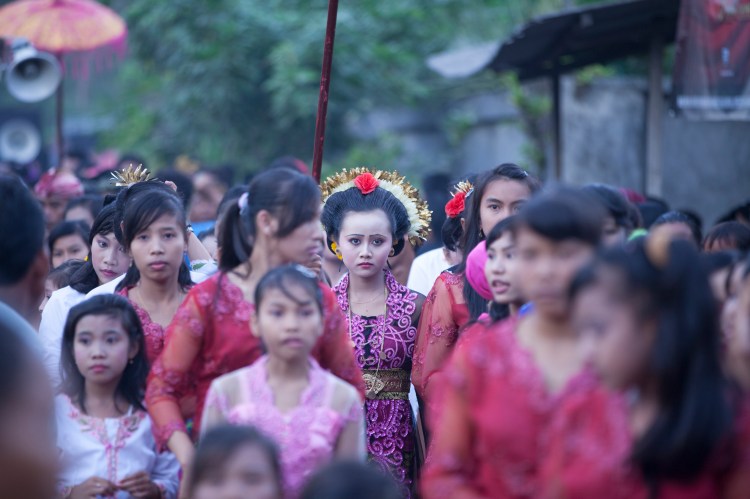
A 14-year-old bride in Indonesia, by UN Women Asia and the Pacific

Anti-Slavery International highlights the factors which indicate a forced marriage: the man’s belief that he owns the woman, abuse within the relationship,and the impossibility of being able to leave the marriage. This is based on the United Nations Declaration of Human Rights which, in Article 16, states that “marriage shall be entered into only with the free and full consent of the intending spouses.”

If a girl is under the age of 16 when she is married, as over 250 million women alive today were, the marriage can be seen as a form of slavery as it is not possible for a child under the age of 16 to give consent to marriage. This lack of consent indicates that child marriage is a very real problem.

Furthermore, child brides are often forced to carry out domestic work, and are often forced into having sex with their partners. This alone may be seen as exploitation, and therefore a breach of both their child and human rights.

If a girl is married before she reaches adulthood, every aspect of her life is seriously affected, from education to health, and this has been highlighted by the campaign Girls Not Brides. Girls who are married before the age of 18 are often removed from school, and miss out on vital education. Over 60% of women between the ages of 20 and 24 who have no education were married before they were 18 years old. Without education, a woman is denied the chance to learn essential skills that will give her self-sufficiency, and is therefore often at the mercy of men. A link can be formed between education and child marriage when looking at poverty stricken families. Often these families do not have the means, or do not see the point, in sending their girls to school. This leaves few options open to the family, and so marriage is often seen as a solution.

Perhaps one of the most obvious effects of child marriage is the impact that it has on the health of the girl. This impact is both mental and physical. Not only has child marriage led to the rise of HIV among adolescents – as child brides are often not taught about safe sex and are not in the position to be able to talk about it with their partner – but domestic violence is a very tangible reality. Girls Not Brides has calculated that 44% of girls between the ages of 15-19 believe that domestic violence is not only permissible, but justifiable. This shocking statistic rises when focusing on individual countries. This has obvious effects on the mental health of women around the world.

Perhaps the most publicised impact of child marriage is the effect that it has on the underage mothers during childbirth and beyond. Mothers who have a child when they are under the age of 20 are 50% more likely to give birth to a stillborn baby, or to have the baby to die within the first few weeks of life. This statistic has been further broken down to show that babies whose mothers are under the age of 18 have a 60% higher mortality rate than babies whose mothers are over the age of 19. Furthermore, the risks of death during childbirth are far higher in girls under the age of 15.

Every aspect of child marriage goes against the Convention on the Rights of the Child, ratified by 192 United Nations member states, which highlights the protection of children from exploitation and abuse. This has caused NGOs such as UNICEF and Save the Children to run campaigns and publish reports on the issue. While UNICEF has suggested that the rates of child marriage are slowing, this decline is outpaced by population growth and so the figures are still rising.

On the 8th of March, a new initiative to try and combat child marriage was launched by UNICEF and UNFPA. Executive Director of UNICEF Anthony Lake stated that “this new global programme will help drive action to reach the girls at greatest risk – and help more girls and young women realize their right to dictate their own destinies. This is critical now because if current trends continue, the number of girls and women married as children will reach nearly 1 billion by 2030 – 1 billion childhoods lost, 1 billion futures blighted.”

The initiative aims to empower girls through increasing their skills and giving them the ability to better support themselves and negotiate. It makes their education free and compulsory in order to maximise the number of girls attending school, and alleviates poverty through loans, scholarships, and subsidies for attending school, as well as offering vocational training in order to increase viable job opportunities. The emphasis of this initiative is placed on the education of girls, and this is due to the fact that education gives the girls an increased number of opportunities. Moreover, on the most basic level, girls who are still in school are often not seen as ready for marriage. Through increasing and strengthening laws which state that a bride must be over the age of 18, emphasising education, improving health care, and increasing economic support, this initiative hopes to aid the decline of child marriage. However, for many girls, this initiative comes far too late.

If you would like to learn more about this please visit the Girls Not Brides website, or read UNICEF’s report on the progress of ending child marriage.

The Threats of Corporate Culture

In every workplace there is a particular mentality which makes each job different, both in a positive and a negative manner. The sense is one of ‘how we do things around here.’ It has always been an attribute of a workplace, has always existed, and whether this attitude is conscious or not, it is central to giving meaning to work. This attitude is referred to as ‘corporate culture.’ Over the last forty years, there has been an important change in the way work, people and attitudes are considered, which has led to conscious changes in corporate culture and has had very serious consequences for people working in organisations.

The key difference between today and forty years ago is that today, corporations and businesses have realised that attitudes and feelings, specifically feelings about a job, are directly linked to the productivity and output of an employee. In research, this realisation has led to the creation of theories such as the Human Resource Management (HRM) theory, which describes how to manage the feelings, attitudes and behaviours of workers through a multitude of techniques, including modifying the layout of the workspace, organising team building trips and providing flexible working hours. HRM draws on the science of semiotics and psychology to understand how people think and respond to different signs, messages and environments. It then attempts to manage these factors within an organisation in order to produce the desired behaviour in an employee.

The facade of an office building, by Justin Lynham

The creation of open-plan offices with no cubicles is a classic example of how organisations change the environment in order to influence workers. These types of offices are designed to force employees to interact as much as possible, and to communicate through direct human contact rather than through impersonal email. The organisations try to create a social setting and to make people identify with each other as members of the same organisation, and therefore with the organisation itself. Some organisations claim to have introduced such office spaces with health in mind. Realising that physical activity improves concentration and productivity, they make people move around, and even build gyms and hire health coaches to council employees on healthy living, forcing a particular lifestyle on employees.

The attempts to influence employees’ behaviour are numerous. Besides creating spaces that encourage interaction, companies fill the workplace with pictures and cartoons reciting company values, create inspirational videos featuring well-paid actors hired to enact the role of the perfect employees, and even issue official guidelines as to how all members of the company are expected to work and behave. This latter type of initiative is common in the airline industry, in which air hostesses are often given a handbook to memorise. This handbook contains a detailed account of the vocabulary they are to use, as well as how they are expected to deal with customers, requiring them to always be humble, attentive and smiling, regardless of the situation.

The most interesting, and perhaps most disturbing organisational change, is less obvious. When organisations undertake culture change programmes and modify their workplace with employees in mind, their underlying goal is to internalise the values and thoughts of the employees, making sure that all workers think in the same way, work in the same way and live in the same way. Gideon Kunda, in his book Engineering Culture, describes how through the above mentioned initiatives, as well as making the workplace a place of ‘fun’ and creating a ‘family’ or ‘team’ mentality, organisations seek to control every little aspect of employees and of businesses.

All of this is done by companies as an attempt to instil a particular, uniform value and culture in the workforce. One might argue that the idea of making employees move around and communicate face to face, of training air hostesses to offer a uniform, high-quality service and making sure employees all adhere to similar values are necessary and worthwhile efforts.

However, this creates several problems. First, there is the unfortunate fact that employees who do not adhere to and internalise the values desired by a company are very often driven out of, or fired from their jobs. Several studies show that while labour laws protect individuals from this to an extent, firing employees on grounds of personality and participation in company life has become more and more common.

Second, it has been shown that controlling the environment in such ways does not lead to increased efficiency, and is closely tied to increased stress in the work environment. This is because the employees, realising they are being forced to do things they may not want to do, sometimes pretend to adhere to company values and behaviour, but in reality practice resistance by not working to their full capability.

Third, and most importantly, there is the ethical issue of trying to control the thoughts and behaviours of workers. Organisations are in a position of power in which they are able to influence and control the thoughts, opinions and personalities of people. The basic premise of HRM is higher productivity and a greater output for the company, which shows that a company generally has no interest in the well-being of its employees, and these initiatives have the sole purpose of creating a more profitable business, regardless of human cost. Companies only consider the well-being of employees in relation to its effect on performance.

Companies and corporations are in a position of power. They are in control of means of producing and selling, and they also have great power over their employees. It is therefore crucial to ensure that this power is not exploited at the cost of human rights. Having corporations in a position where they can control the way consumers and employees think and act is dangerous. The thoughts, behaviours, and lives of people are private and not be meddled with. Companies’ use of Human Resource Management theory to exploit psychological knowledge to control people is eerily similar to brainwashing, and must be condemned.

Nigeria and the Unspoken Effects of Boko Haram

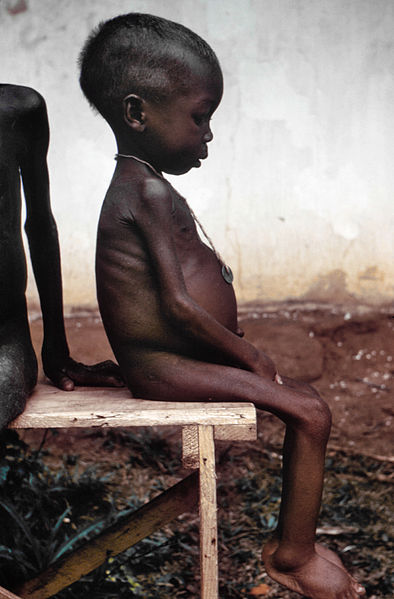
In Nigeria, “nine million people need emergency relief; 4.5 million people are severely food insecure; [and] 2.5 million people have been forced from their homes,” according to the United Nations (UN). UNICEF stated that “an estimated 244,000 children faced severe malnourishment in Borno State alone and warn[ed] that an estimated 49,000 – one in five – would die if they didn’t receive treatment” and Elizabeth Wright, head of communications for Action Contre La Faim (Action Against Hunger), said that it is “the worst humanitarian crisis and suffering since World War II.” However, this particular aspect of life in northeastern Nigeria is receiving sparse news coverage.

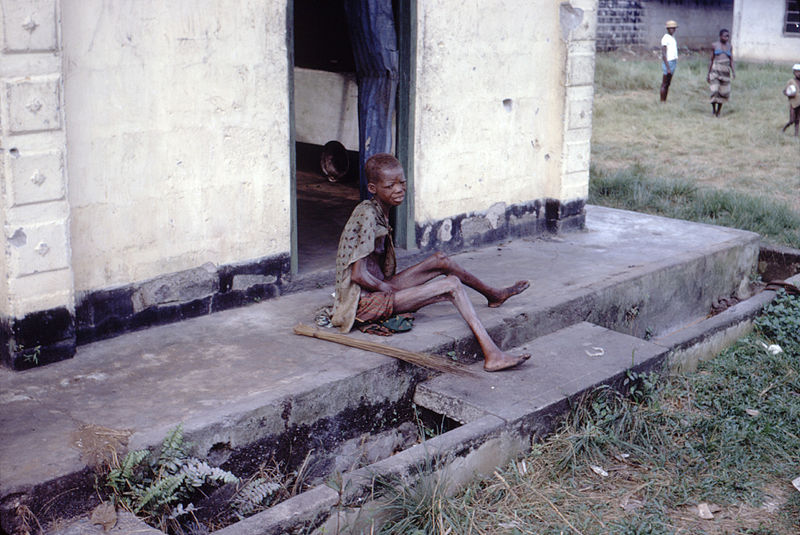
A severely malnourished Nigerian refugee in a refugee camp in the 1960s

One of the primary causes of the famine and extreme malnutrition is the presence of Islamic terrorist group Boko Haram. The group, which has been active in Nigeria since the early 2000s, was deemed a “Foreign Terrorist Organization” in 2013 by the US State Department, and in 2015 it pledged its allegiance to the ISIL, referring to itself as “ISIL-West Africa Province,” according to National Counterterrorism Center. The United States Institute of Peace reported that Boko Haram primarily attacks “representations of authority” by taking over areas, buildings, towns, and regions, and attacking both government and public locations. The group is arguably most famous for its April 2014 kidnapping of 276 Chiboki schoolgirls, 21 of whom were released on October 14th, 2016. However, while the immediate effects of Boko Haram’s actions in northeastern Nigeria are often reported, there is a lack of news coverage on the long-term and less direct effects.

Just outside Maiduguri, the capital of Borno State and the founding place of Boko Haram, there is an increasing number of unofficial camps of displaced persons. The United States’ National Public Radio (NPR) reported that Muna, one of the informal settlements, is “a sea of flimsy, makeshift shelters, covered in plastic sheeting. It stretches out for acres, with virtually no trees, facilities or amenities in sight for more than 13,000 displaced people.” The individuals within these camps have either chosen to leave their homes or have been forcefully removed by Boko Haram. The settlements are barren, and have resulted in Nigeria’s low rates in human development indicators including poverty, hunger, disease, illiteracy and, most recently, malnutrition. As a result of the conflict between the government and Boko Haram, access to the camps is limited, and therefore it is suspected that the situation is worse than has been previously reported in many of the settlements.

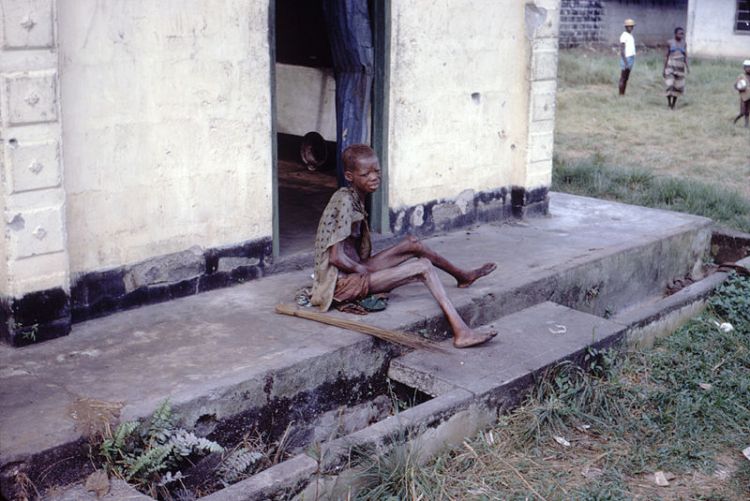
A young Nigerian child suffering from kwashiorkor, a severe case of protein–energy malnutrition, in the 1960s

Despite the fact that “These are kids that basically have been hungry all their lives,” as American midwife Jean Stowell explained, there have been few reports on this aspect of Boko Haram’s terror. The media has covered the starving children in Africa for decades, but has it decided that this topic will no longer bring in the most views, or the most revenue? Even though, as Elizabeth Wright explained, “We are seeing a horrifying prevalence of malnutrition that far exceeds emergency thresholds, and people are facing catastrophic levels of food insecurity,” not to mention the reported cases of measles and polio, the news has, mostly, neglected to inform the public of the long-term repercussions of Boko Haram’s presence in northeastern Nigeria.

Nevertheless, not all news agencies are ignoring the conflict, and a number of humanitarian agencies are involved in bringing aid, such as UNICEF and Doctors Without Borders, who have set up emergency feeding centers primarily for children in and near several of the settlements. It is impossible to predict the future actions, and therefore repercussions, of Boko Haram’s decisions. However, it is clear that northeastern Nigeria is in need of both news coverage and increased humanitarian aid.

For more information and to follow the situation, check the UN News Centre.

Victory for Polish Women’s Rights

A controversial abortion bill was rejected by the Polish parliament on Thursday, 6 October after public protests throughout the preceding week. The law was rejected by a large margin of 352 to 58, with 18 abstaining votes by members of the lower house of parliament, called the Sejm. The bill would have limited abortion to only lifesaving instances. This law would have prevented women, including those who had suffered rape or incest, from obtaining abortions. Women who miscarried could have been investigated as the bill would have made the “death of a ‘conceived child’ punishable with a prison sentence.” The Catholic Church supported the bill originally, but the bishops recanted their support due to the suggestion that women who opted for abortion and doctors who performed abortions should be punished, including imprisonment for up to five years. The bill originated with Ordo Iuris, a conservative think tank and “an anti-abortion citizens’ initiative” that gathered around 450,000 signatures.

In Poland, abortion is banned for most women after the 12th week of pregnancy, and the only exemptions from this include the “severe and irreversible damage to the foetus, a serious threat to the mother’s health, or if the pregnancy is the result of rape or incest.” Medical professionals already have access to the ‘conscience clause,’ which can be used to opt out of performing an abortion in addition to the large number of medical restrictions. Poland, as a Catholic state, maintains one of the most severe stances on abortion in Europe. Countries with more strict laws include Malta, the Vatican, the Republic of Ireland, Andorra, Liechtenstein, San Marino, and Northern Ireland. All of these states are officially Catholic.

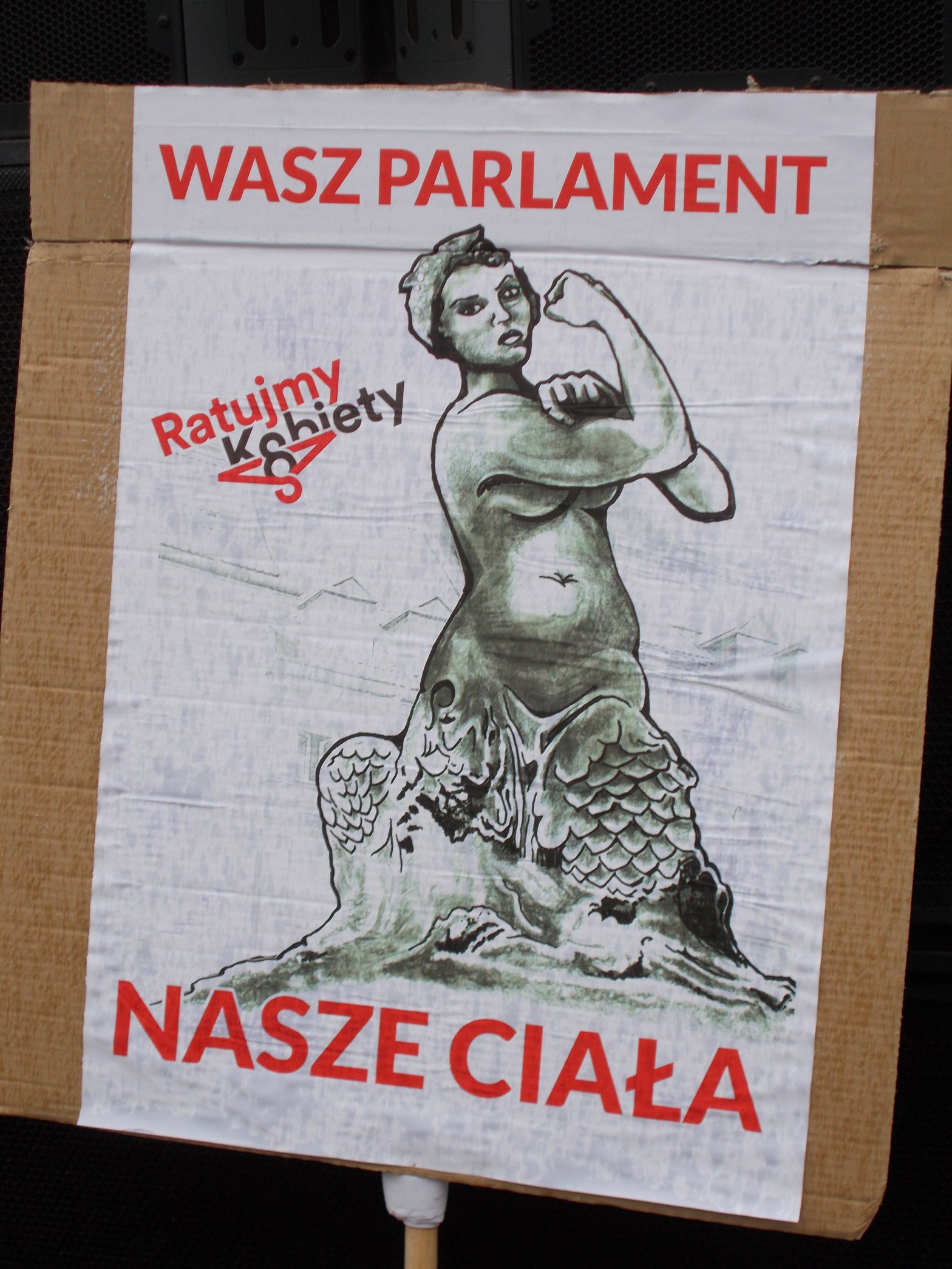
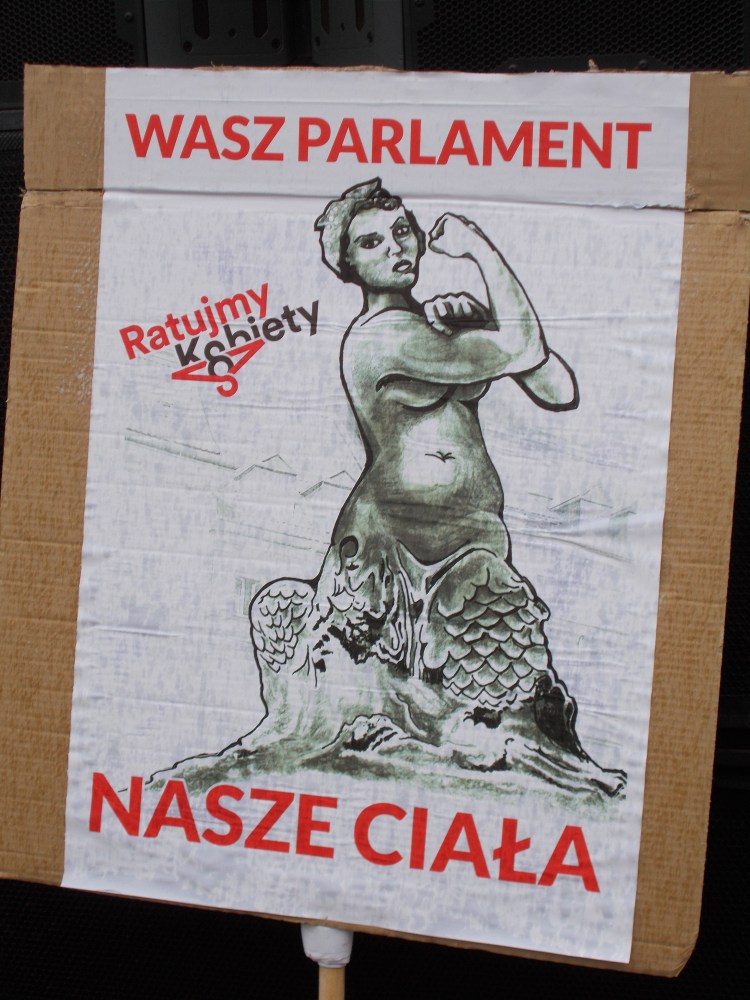
A sign from the protests that reads ‘Your Parliament, Our Bodies’

Due to the bill’s clause that would have allowed for the punishment of medical professionals, there was concern that medical personnel would have become afraid to conduct “invasive prenatal tests and lifesaving operations.” Additionally, it is widely felt that the bill would not have prevented abortions, but caused them to take place illegally. During illegal terminations, the danger to the woman increases dramatically. If this law had passed, a larger proportion of the estimated 21 million unsafe abortions that typically take place in the developing world each year would take place in European, developed countries such as Poland. Currently, illegal abortions far outnumber legal ones in Poland, with conservative estimates ranging widely from 10,000 to 150,000 in comparison to around 1,000-2,000 legal terminations.

The bill was protested en masse on 3 October during the Black Protest, which saw women marching in a peaceful protest wearing black clothing. The march was closely followed by social media with the hashtag #CzarnyProtest trending on Twitter and Facebook. Radio Poland estimated that millions of individuals participated in the protest across the nation and in Warsaw alone, thousands of peaceful activists participated in the march on what has been deemed Black Monday. Feminist groups from within Poland and across the globe supported women’s rights from Gdansk, Lodz, Wroclaw, and Krakow to Chicago and European cities such as Berlin, Brussels, Dusseldorf, Belfast, London and Paris.

Witold Waszczykowski, Poland’s Foreign Minister was a prominent opponent of the protests on Black Monday. She said “We expect serious debate on questions of life, death and birth. We do not expect happenings, dressing in costumes and creating artificial problems” and proceeded to call the protests “marginal” and claim that they were “making a mockery of important issues.” In stark contrast, Deputy Prime Minister Jaroslaw Gowin sought to comfort the protesters by saying it was unlikely a complete ban on abortion would be voted through the parliament, especially one that included rape victims or put the woman’s life or health at risk. The majority of Polish citizens agree with this view. An opinion poll conducted by Ipsos a mere eleven percent of respondents preferred more strict abortion laws. Additionally, nearly half of all respondents answered that the current legislation should be unaffected, however, over one third of participants answered that legal terminations should be more accessible.

After the parliament voted against the bill, Jaroslaw Kaczynski, the leader of the Law and Justice Party, stated that he supported “the protection of life,” and that he believed the legislation would not have aided in that endeavour. Beta Szdlo, Poland’s Prime Minister, echoed Kaczynski and additionally declared “a new program to support families who decide to give birth to, and raise, children who have disabilities from difficult pregnancies.” She also announced an educational campaign to promote pro-life values in lieu of the bill after it did not pass. The government said that protests against the bill had given ministers “food for thought” on Poland’s hard stance against abortion. Thus, the protests on 3 October 2016 were a victory for women’s rights as they created a change in government policy and persuaded the parliament to reject the bill, which would have damaged women’s health and reproductive rights.

The protesters are not the only ones asking the Polish government for answers justifying the strict abortion laws. The European Court of Human Rights has joined in on the debate and The European Parliament debated whether its members should criticize the restrictions on reproductive rights in Poland and the proposed law. It chose to request that the “Polish government to abide by its international and European obligations and end this attack on women’s rights,” bringing further attention to the issue. The EU has condemned Poland “for taking control of state media appointments and for reforms to Poland’s constitutional court” after Law and Justice became the ruling party in 2015.

You can learn more information about the protest on OpenDemocracy.net and the Czarny Protest Facebook Page.

Artists: the Human Rights Activists of Our Time

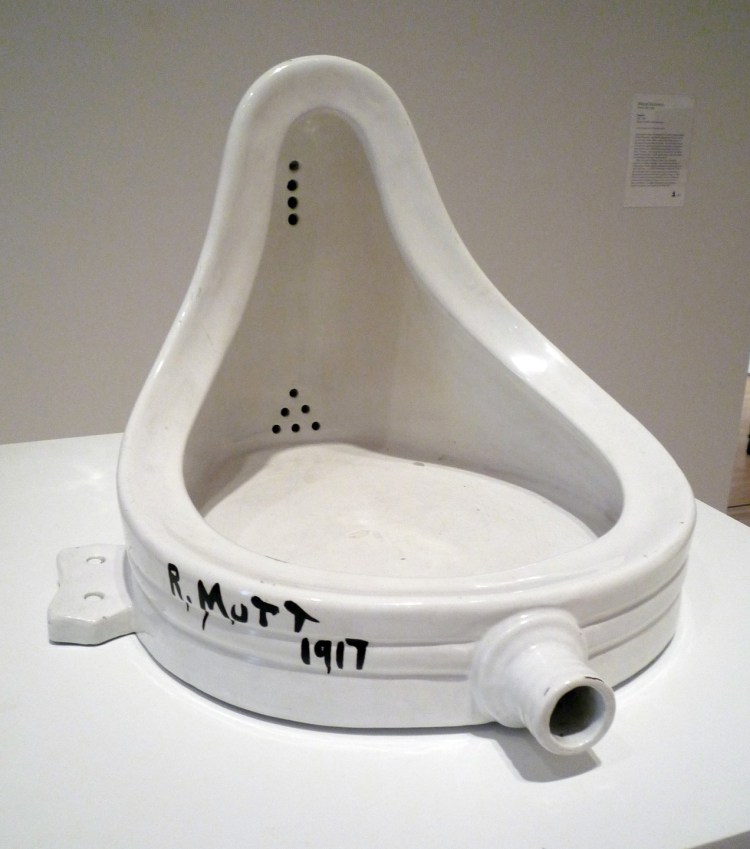
Ostensibly, it might sound surprising that artists and the art world has anything to do with human rights issues, or even politics in general. The commonplace image of an artist is of a rather self-involved hippy who creates art for its own sake; surely, Marcel Duchamp exhibiting a urinal is not a demonstration of a drive to tackle social inequality.

Fountain by Marcel Duchamp, photographed by Steven Zucker

However, art serves many purposes in social life. It allows us to see our experiences through a different lens and so it can act as a tool for dissemination of knowledge. Art can reference injustice and help to raise the bar on awareness of human dignity. In the case of human rights, art can raise awareness of issues of concerns on their violation as part of protest efforts or campaigns for social change. The role of the artist has been on display in the art world, and it has been agreed that they can act as indicators of change making a meaningful contribution to community by using the creative products for intervention. In reality, many artists have been making politically engaged artworks not just recently, but throughout history. Many have even been included in the traditional canon of art history for centuries. For instance, renowned artists such as Goya and Picasso made artistic interpretations of the agonies of warfare and the horrors of war. Goya created several propaganda paintings against Napoleon III and the massacre carried out by the French against the Spanish freedom fighters. Goya’s representation of suffering was thought to lead into a new era of artistic depiction of atrocities and led up-and-coming artists, such as Picasso, to deal with politics and the horror of war.

“No, painting is not made to decorate apartments,” Picasso said, “it’s an offensive and defensive weapon against the enemy.” His Guernica is based on the events of 27th April in 1937, when Hitler’s German air force bombed the village of Guernica, a city of no strategic military value, signalling the first time in history when aerial saturation bombing targeted a civilian population. Today these events live on through Picasso’s masterpiece, as a widely understood symbol of people’s inhumanity to one another.

3rd of May 1808 in Madrid by Francisco de Goya

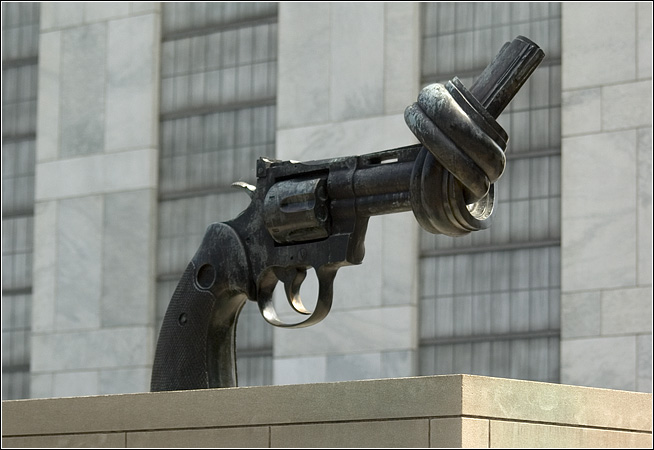
Recently, within the current political climate, more and more artists have grown to act as activists of global human rights issues and to influence public opinion through their art practices for social development. Today we can find artworks relating to most types of human rights, for example pieces on issues of domestic and public violence and racial or religious bias. William Kelly, an American artist and human right advocate, argues this growing trend for humanist ideals in art practice is due to the fact that art has the capacity to be visionary and to spread information as well as a worldview with “sensitivity, compassion, and wisdom.” These works of art have to be able to responsibly and independently address questions through critical dialogue and raise awareness of established power bases. Moreover, when an artist is seeking to intervene in the violation of human rights, when addressing these problems they have to use strategies to inform, but also to motivate and challenge, the audience to go beyond a passive reception of the visual construction, and impel the viewer to participate in the conversation on inequality and injustice. This way, the reminiscent influence of these artworks can help to support human rights causes, even if their efficiency is problematic to measure. For example, the Swedish artist Carl Fredrik Reuterswärd’s Non-Violence, a sculpture depicting a revolver tied in a knot, was found so influential it was displayed not only outside the United Nations headquarters in New York City but at sixteen other places, including in front of the European Commission in Luxembourg and at the Federal Chancellery in Berlin.

The recent dissemination of the inclusion of human rights issues in artworks might also be due to the fact that fine art practices are now often collaborating with other art practices such as performance or film and are frequently able to occupy sites other than the traditional gallery, thereby creating a more transferable, versatile product. One of the best example of this is the appearance of street art. Street art is often conceived as political protest and performance art, as the act of drawing on a private property but on the public display can be seen as taking a deliberate stance against the state’s authority.

Right: Non-Violence by Carl Fredrik Reuterswärd, photographed by Timothy Vogel

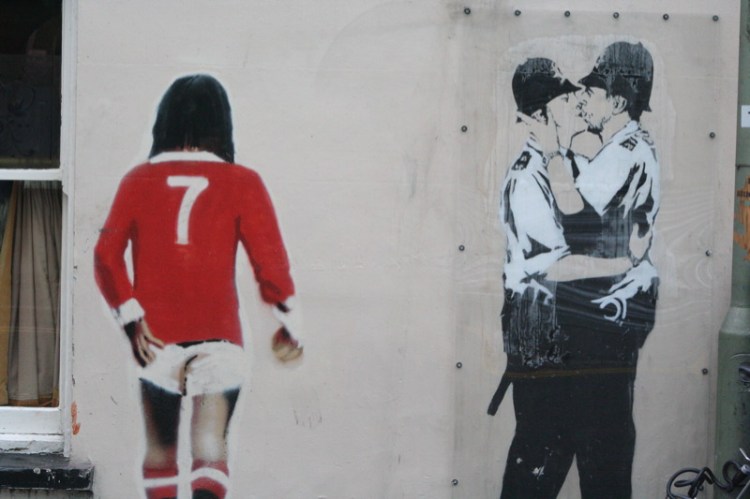
The act of making street art itself is read as a tool against elitism, making the artworks accessible to everyone. Many see the art world as snobbish because most galleries and museum charge a great sum for entry (unlike most British institutions), and often the exhibited works require a certain level of education in art history. However, street art located in public places does not require money, and often artists put up pictures of their works onto the internet. Furthermore, most of these works use direct visual imagery with clear meanings, so their interpretation does not require a high level of education. These features make street art an excellent form to propagate human rights. Unlike commissioned public art, street art is illicit and many find it subversive, thus most street artists are forced to use pseudonyms to avoid legal prosecution for vandalism. Banksy, arguably the most famous street artist, keeps his identity a secret. His work focuses on the process of intervention and public engagement, and he travels across the world to stimulate political dialogue on social struggle by making site-specific, temporary art. He has made works related to, inter alia, LGBT+ rights, oppression of marginalised groups, workers’ rights, government surveillance, and, recently, the refugee crisis.

Kissing Policemen by Banksy, photographed by David Singleton

In January, a new Banksy appeared on a wall opposite the French Embassy in London, depicting a young girl from Les Miserables with tears in her eyes as CS gas billows towards her, criticising the use of teargas in the ‘Jungle’ refugee camp in Calais. Additionally, this artwork is interactive and includes a QR code, linking people to an online video of a police attack on the camps on 5th January.

If you are interested in Banksy’s work, you can visit his website, check out his work at the French Embassy, or see his preserved works, such as Kissing Policemen in Brighton. You can also watch the aforementioned video here.