We’ll Get You All: Terror As a Response to Terrorism

A spray-painted swastika and the words: “We’ll get you all” deface the door to the home of seven Eritrean refugees just days before one, Khaled Idris Bahray, is found stabbed to death in his own courtyard. In Dearborn, Michigan, on February 12th, an Arab family is attacked after being called “terrorists” and ordered to “go back to [their] country.”

Xenophobia, the unreasonable fear or hatred of foreigners, is sowing terror in the lives of immigrants and refugees everywhere. Through increased coverage of Islamic extremists, notably the Islamic State in Iraq and the Levant (ISIL), Islamophobia has intensified exponentially. According to a study by LifeWay Research, around 1 in 4 Americans now believe that ISIL is representative of the true nature of Islam. They view the highly publicized executions, suicide bombings, and anti-Western rallies as indicative of the attitude of all Muslims, without recognizing that extremists exposed in the media are there precisely because they are atypical. The sensationalist slant employed by the international media, in conjunction with widespread ignorance of Islam, have created an environment in which the response to terror is terror.

The ever-increasing percentage of the population that equate all Muslims with ISIL have tended to retaliate strongly. In Houston, Texas, the Quba Islamic Institute was set ablaze last Friday with supportive responses such as “let it burn…block the fire hydrant”, proliferating on social media.

Similarly, three students at the University of North Carolina were shot, execution style, last Tuesday, in an attack that family members and friends have labeled a hate crime. Although the attacker claimed that the crime related to a dispute over parking, his feelings towards Muslims were well known by neighbors.

Some Americans, it has also been argued, view foreigners as a threat to their way of life. Despite the fact that there have not been attempts to impose Sharia law in the US, more than a third of Americans have expressed concern about the possibility of Sharia law being integrated into judicial systems. Thirty-two states have already passed laws against this eventuality, in response to fears.

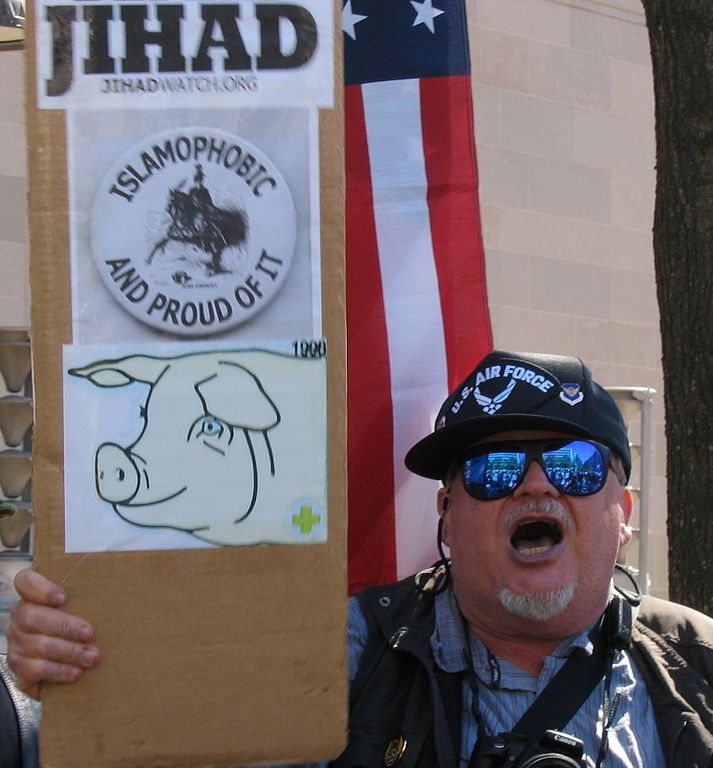
Anti-Islamic groups have used highly publicized ISIL attacks to garner support. The active anti-Muslim organization, American Freedom and Defence Initiative, spent 100,000 USD in October to run anti-Muslim ads on New York buses and in subway entrances. One of the ads depicted the execution of James Foley with a caption that read, “Yesterday’s moderate, is today’s headline.” This type of sensationalist propaganda not only incites fear, but also evokes painful memories for those who have lost loved ones in the battle against ISIL. Using the term “moderate” places all Muslims into an unfounded spectrum at the end of which is extremism. Consequently, ordinary Muslims are not sufficiently distinguished from the anti-Western acts of their radical counterparts. Grassroots anti-Islam movements, coupled with perpetual coverage of ISIL’s crimes, have resulted in anti-Islamic sentiment that has created an atmosphere of fear.

It is not only reporting on ISIL, however, that produces this negative outcome. Every September, Americans are reminded “never to forget” the attacks of 9/11. What is often ignored is that “never forgetting” also requires them to recall the animosity that was created, the tension against Muslims, and the insatiable urge to act even if it meant years of war and bloodshed.

In Europe, protests organized by PEGIDA (Patriotic Europeans Against the Islamization of the Occident), an organization that began as a small gathering of 350 people, peaked at a record high of 25,000 demonstrators on January 12th. Fortunately, other Europeans appeared to recognize the fear-mongering nature of these protests, with more than 100,000 counter-demonstrations taking place across Germany the next day. Similarly, many news stations have been quick to report on the anti-hate protests taking place in Europe. It remains easier, however, to find reports on ISIL’s horrific violence, than on the opposition of everyday Muslims to the crimes of this group. This approach silences the voices of those Muslims who are trying to explain that their religion is one of peace, rather than the hate and violence that is carried out in their name.

Last year, a mass grave comprised of Yazidis (formed of mostly Arabs), was found in the Kurdish region of Iraq. On February 16th, ISIL murdered twenty-one Egyptians. Sixty Muslims were killed in an ISIL bombing against a Shia mosque in Pakistan. Underreporting these stories serves to perpetuate the association of Muslims with ISIL and incites outrage by focusing on ISIL’s attacks against Westerners and Christians, even though the vast majority of their victims are Muslim and Arab.

Gordon Duff, an analyst on the region, has stated that by reinforcing the division between Shias and Sunnis, ISIL is attempting to destroy the Iraqi economy. Despite their devastating attacks, and the serious economic toll they are taking on Iraq and Syria, the beheadings of Americans, James Foley and Steven Sotloff, and British citizen, David Haines, remain some of the most exposed moments of ISIL’s campaign. ISIL’s heinous acts against Muslims and Arabs in the region are often ignored due to the intense focus on their anti-Western objectives.

This unbalanced reporting has contributed to the anti-Islamic hysteria that is sweeping across Europe and America. ISILs extreme violence remains inexcusable as does the backlash that has been experienced by Muslims and Arabs. Violence begetting violence still leads to a human rights violation, even if these stories are underreported. Targeting a specific group based on the perceived connection they have with another group, is similar to the rationale used by ISIL. The words, “We’ll get you all” reflect an individual-based sort of genocidal outlook. Those who connect Arabs and Muslims with ISIL efface them of their individuality and dehumanize them by associating them with the inhumane actions of ISIL. This kind of in-group out-group mentality can lead to ever increasing levels of violence if they are not sufficiently contained by attempting to understand and attempting to combat detrimental generalizations.

New Technologies and Human Rights: What We Can Do

With the internet and new technologies integrating and transforming nearly every aspect of our daily lives, new forms of expression have emerged. From online petitions to #hashtags and viral trends, new technologies are firmly engraining themselves in our everyday organization and association, gradually revolutionizing the way we take action.

Concurrently, the way human rights issues are approached and how campaigns against those issues are conducted has also changed. These changes however have come under attack as they expose the genuineness of the issues to heightened emotionalism, ‘false flags’, and moments of madness which are often more harmful to the cause. With that in mind, in what ways can new technologies be used to create responsible long-term social change?

Create a Conversation

The one fact that needs to be accepted, both by advocates and critics, is that people spend or try to spend most of their time in front of a screen, be it a laptop, a tablet or a cellphone. Whether we should conform to this or not is beyond the scope of this article but suffice it to say that this phenomenon can be harnessed for good. The internet is packed with socialization and organization platforms such as Facebook, Twitter, Reddit, StumbleUpon, Snapchat, Yik Yak and what not, which all provide an important potential for action.

While they do not nearly rival in intensity and power old-fashioned vigils, fasts and acts of civil disobedience, they represent a necessary first step in an evolving society. To ignore this paradigm in our fight for universal human rights is not the most effective strategy. The internet and related technologies profoundly affect social, economic and political institutions worldwide, particularly in new and emerging democracies.

Be Careful with the #Hashtag

What was once known as the pound sign appears to have turned today into a revolutionary symbol. From campaigns such as #BringBackOurGirls, #Kony2012, and others, the hashtag has become the primary mode of expression of a socially discontented generation finding solace and empowerment in online communities.

To be fair, we should recognize that hashtags are efficient ways to optimize conversations and content, for brands, organizations, individuals, but also for causes. What is more is that they also provide a much needed sense of [virtual] organization often absent in ‘e-Movements’. Nonetheless, very few hashtag campaigns lead to a coherent response.

Discussing the place of Twitter in the age of activism, Johanna Herman highlights how the simple format of Twitter and Facebook led to the simplification of situations in Nigeria and Northern Uganda when Kony and #BringBackOurGirls emerged, arguing that the ill-defined aims of the two campaigns were eventually blown out of proportion by the online masses.

As such, going viral is not always the way to go, and even if it will bring about world attention on an issue, it doesn’t guarantee worldwide engagement and participation. The activist must know that Facebook and Twitter sharing is not enough. Once a conversation has been created around the topic of female genital mutilation, for example, one has to direct the trajectory of the momentum to both personal and corporate action.

Be Responsible

Perhaps a final point to emphasize is that of responsibility. It is almost impossible not to feel an emotional pull to do something when reading about something as terrible as a mass kidnapping or the plight of refugees and stateless people. But a thoughtless and irresponsible act on the basis of emotional intensity is not necessarily conducive to a long-term, positive outcome.

And this is probably one of the biggest paradigms in bridging new technologies and human rights activism. Whereas the internet and mobile technologies are avenues for people to pour out their feelings, human rights activism is a responsible and quite often organized process which requires objectivity to function as an effective strategy. Without it, one is merely protesting without ever accomplishing anything.

Of course, there is also the risk, as Therese Murphy highlights in her book New Technologies and Human Rights, that the rush to adopt new technologies can lead humanity to lose its humanity. As such, new regulations and social conventions need to be implemented and/or old ones updated, a sign that as our society evolves, so too do human rights issues and our approach to addressing these topics.

White Helmets Bring Hope in Syria

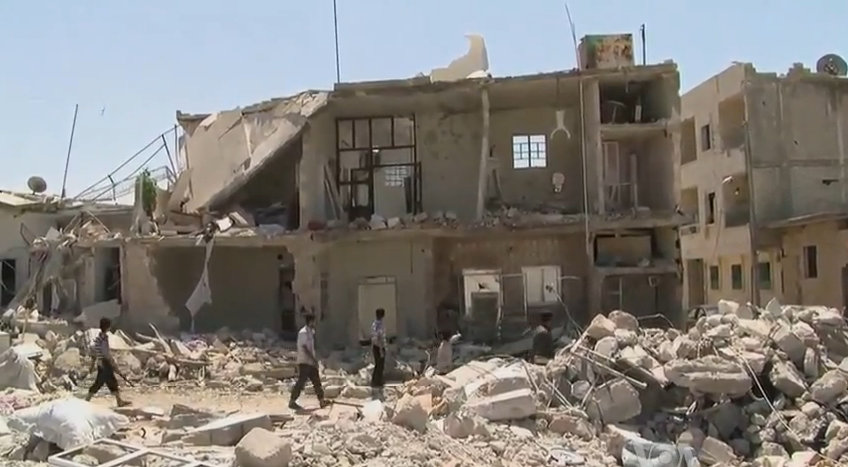
Since 2011, almost 200,000 Syrians have died in the bloody civil war that has beset the country. What started as pro-democracy protests in 2011 have turned into one of the deadliest civil wars to afflict the Middle East. With support from Iran and Russia and a lack of aid from the international community, the Assad regime has grown stronger in the face of unwavering opposition. Over 3 million Syrians have fled, contributing to one of the largest refugee exoduses in recent history. Whilst peace in Syria remains far from sight, some hope exists in the form of the Syrian Civil Defence.

Founded in 2013, the Syrian Civil Defence, more commonly known as the White Helmets, is a team of volunteers who, unpaid and unarmed, risk their lives to save others. A team of White Helmets may rush to a bombing site, for example, and dig through the rubble to rescue survivors. More than 80 have been killed in the line of duty mainly as a result of “double tap” attacks – the practice of dropping bombs on rescuers at sites where they are attempting to salvage lives. Members of the White Helmets wear only simple white construction helmets for protection, making them extremely susceptible to violent bombings. They exercise a purely humanitarian function and have even been responsible for the rescue of officers associated with the Assad Regime. With a ceasefire far from sight in Syria, the White Helmets have become increasingly essential for the protection of human life in a country beset by violence.

Farouq al-Habib is the organization’s coordinator and program manager. A former banker, he holds a BA in economics, an MA in international business, and a doctorate in business administration. Whilst Habib does not reflect the typical Syrian rebel portrayed in newspapers, garbed in military uniform and weaponry, he was in fact one of the first protesters to come out against the government in 2011 – marching for democracy and freedom from the oppressive Assad regime.

Habib says that he stood up in 2011 “because he and his comrades felt a duty to change their nation’s destiny.” Habib did not foresee the consequences and damage of what would become a civil war. Having spent most of 2011 assisting journalists capturing footage of atrocities committed against peaceful protesters, he was captured and detained by security forces later that year. Despite there being no law in Syria governing support provided to journalists, Habib was imprisoned and tortured for his actions. Later released from jail, a fact which he attributes to the corrupt penal system and jailers that took bribes from his friends, he has since dedicated his life to the promotion of a peaceful Syria.

Like Habib, volunteers for the White Helmets come from all walks of life. The majority are men who were originally bakers, engineers, pharmacists, painters, carpenters, students, amongst other professions. However, since October of last year, there has been an increase in women joining the organization. Previously forbidden from joining due to cultural reasons, women rescuers have since become a source of hope for women and girls trapped underneath the rubble. In the most conservative communities hardline devotees had hitherto refused to let men rescue trapped women if they were undressed, making the 56 women who currently form part of the White Helmets an essential component of the organization’s humanitarian mission.

The volunteers rescue victims from all parties to the conflict pledging themselves to the principles of “Humanity, Solidarity, Impartiality”. Thus far the White Helmets have saved the lives of 12,521 people, a number which is growing on a daily basis. More than 50 bombs and mortars land each day in some Syrian neighbourhoods, the most lethal of which is the barrel bomb consisting of a rusty barrel full of nails, shrapnel, and even axes. These bombs are not only responsible for the destruction of homes, but schools and hospitals have also been targeted by the regime. The extent of damage facing Syria has yet to be revealed. According to Dundar Sahin, Director of the Akut Institute of Training and Research in Turkey, “to be able to understand accurately the damage and the threat and the devastation of the disaster in Syria, they are having a 7.6 earthquake 50 times a day.”

The White Helmets receive preliminary medical and rescue training before they engage in operations. They receive their supplies through donations and modest financing from the United States, Britain, and private donors. Unfortunately, without a greater level of assistance from the international community, the Syrian Civil War will only become more deadly with time. The White Helmets, who maintain neutrality during rescue missions, are currently campaigning to stop the use of barrel bombs. Many argue that the international community is too preoccupied with the threat of the Islamic State and that it is ignoring atrocities committed by the Assad regime. Despite attempts to intervene or create governing bodies by the United Nations the world is currently at an ends with Syria. Without intervention or other action, the White Helmets remain the only form of security available to citizens still trapped in the crossfire of the Syrian Civil War.

Since 2011, almost 200,000 Syrians have died in the bloody civil war that has beset the country. What started as pro-democracy protests in 2011 have turned into one of the deadliest civil wars to afflict the Middle East. With support from Iran and Russia and a lack of aid from the international community, the Assad regime has grown stronger in the face of unwavering opposition. Over 3 million Syrians have fled, contributing to one of the largest refugee exoduses in recent history. Whilst peace in Syria remains far from sight, some hope exists in the form of the Syrian Civil Defence.

Founded in 2013, the Syrian Civil Defence, more commonly known as the White Helmets, is a team of volunteers who, unpaid and unarmed, risk their lives to save others. A team of White Helmets may rush to a bombing site, for example, and dig through the rubble to rescue survivors. More than 80 have been killed in the line of duty mainly as a result of “double tap” attacks – the practice of dropping bombs on rescuers at sites where they are attempting to salvage lives. Members of the White Helmets wear only simple white construction helmets for protection, making them extremely susceptible to violent bombings. They exercise a purely humanitarian function and have even been responsible for the rescue of officers associated with the Assad Regime. With a ceasefire far from sight in Syria, the White Helmets have become increasingly essential for the protection of human life in a country beset by violence.

Farouq al-Habib is the organization’s coordinator and program manager. A former banker, he holds a BA in economics, an MA in international business, and a doctorate in business administration. Whilst Habib does not reflect the typical Syrian rebel portrayed in newspapers, garbed in military uniform and weaponry, he was in fact one of the first protesters to come out against the government in 2011 – marching for democracy and freedom from the oppressive Assad regime.

Habib says that he stood up in 2011 “because he and his comrades felt a duty to change their nation’s destiny.” Habib did not foresee the consequences and damage of what would become a civil war. Having spent most of 2011 assisting journalists capturing footage of atrocities committed against peaceful protesters, he was captured and detained by security forces later that year. Despite there being no law in Syria governing support provided to journalists, Habib was imprisoned and tortured for his actions. Later released from jail, a fact which he attributes to the corrupt penal system and jailers that took bribes from his friends, he has since dedicated his life to the promotion of a peaceful Syria.

Like Habib, volunteers for the White Helmets come from all walks of life. The majority are men who were originally bakers, engineers, pharmacists, painters, carpenters, students, amongst other professions. However, since October of last year, there has been an increase in women joining the organization. Previously forbidden from joining due to cultural reasons, women rescuers have since become a source of hope for women and girls trapped underneath the rubble. In the most conservative communities hardline devotees had hitherto refused to let men rescue trapped women if they were undressed, making the 56 women who currently form part of the White Helmets an essential component of the organization’s humanitarian mission.

The volunteers rescue victims from all parties to the conflict pledging themselves to the principles of “Humanity, Solidarity, Impartiality.”. Thus far the White Helmets have saved the lives of 12,521 people, a number which is growing on a daily basis. More than 50 bombs and mortars land each day in some Syrian neighbourhoods, the most lethal of which is the barrel bomb consisting of a rusty barrel full of nails, shrapnel, and even axes. These bombs are not only responsible for the destruction of homes, but schools and hospitals have also been targeted by the regime. The extent of damage facing Syria has yet to be revealed. According to Dundar Sahin, Director of the Akut Institute of Training and Research in Turkey, “to be able to understand accurately the damage and the threat and the devastation of the disaster in Syria, they are having a 7.6 earthquake 50 times a day.”

The White Helmets receive preliminary medical and rescue training before they engage in operations. They receive their supplies through donations and modest financing from the United States, Britain, and private donors. Unfortunately, without a greater level of assistance from the international community, the Syrian Civil War will only become more deadly with time. The White Helmets, who maintain neutrality during rescue missions, are currently campaigning to stop the use of barrel bombs. Many argue that the international community is too preoccupied with the threat of the Islamic State and that it is ignoring atrocities committed by the Assad regime. Despite attempts to intervene or create governing bodies by the United Nations the world is currently at an ends with Syria. Without intervention or other action, the White Helmets remain the only form of security available to citizens still trapped in the crossfire of the Syrian Civil War.

by Brooke Stewart

Hope in the Middle East: Female Militants Combat the Islamic State

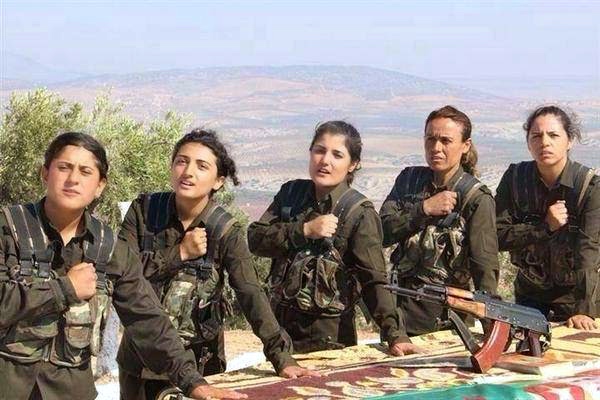
Kurdistan’s female militants are making history in their battle against the Islamic State (IS). These women have played a major role in halting the advance of IS and are currently involved in the fight for a key border in the Syrian town of Kobani.

Kobani has been under regular attack by the Islamic State, which has been trying to seize the town since mid-September. Reports suggest that one in three of Kobani’s defenders are female, fighting under the banner of the Women’s Protection Unit, known by its Kurdish acronym, YPJ. The female fighters are now fully integrated with their male counterpart, the People’s Protection Unit (YPG).

Established in 2012, the all-female militia group is an offshoot of the Kurdistan Workers’ Party (PKK), the Turkish-Kurdish guerilla group designated as a terrorist organization by the US and EU, mainly because of its three-decade rebellion against NATO-ally Turkey. Amid the context of the Syrian civil war, the population of Rojava took control of a region in Northern Syria and declared itself autonomous. The YPJ emerged shortly after, growing out of a Kurdish resistance movement with democratic ambitions. The organization currently has over 7,000 volunteer fighters between the ages of 18 and 40, who fight alongside the YPG and the Kurdish Peshmerga in the battle against the Islamic State. Unlike the Peshmerga, however, neither the YPJ or YPG receive support from the international community and are wholly reliant on the Kurdish community for supplies and food.

According to one female fighter, the women of the YPJ have taken up arms because they feel that they can no longer depend on the Kurdish government. “They can’t protect us from [IS],” she told Marie Claire. “We have to protect ourselves [and] defend everyone…no matter what race or religion they are.” And the YPJ has proved successful in doing just that.

The group has played a critical role in rescuing the thousands of Yazidis stranded on Mount Sinjar. The Yazidis captured the world’s attention in early August, after news emerged of the Islamic State’s campaign against the group, which included kidnapping, killing, and enslaving hundreds of girls and women, and sending thousands fleeing to the top of Mount Sinjar. As the international community deliberated over a possible plan of intervention, help emerged from elsewhere. The YPJ, along with the YPG and PKK, were the first forces to respond to the calls of the trapped Yazidis. The troops broke the siege IS maintained on the area, allowing the refugees to flee into the relatively safe part of northern Syria, where they received medical attention, food and shelter.

The PKK guerillas and fighters from Rojava were the only forces on the ground to respond immediately to the crisis. Many Yazidi refugees criticized the Peshmerga, who were supposed to be defending Sinjar, for withdrawing so quickly. One refugee questioned why the US and Turkey called the PKK terrorists, when she and the other Yazidis owed the guerilla fighters their lives.

Though many of the Yazidis were able to escape, thousands remain stranded on the mountain. Additionally, the UN has estimated that nearly 2,500 women and girls are currently held captive by IS. A month after this report was released, the Islamic State published its own account, explaining why Yazidi women are “devil worshippers” who can and should be enslaved.

Despite the dire situation the Yazidi’s still face, the YPJ has vowed to find the thousands of missing girls and women. In addition, the YPJ and YPG have collaborated with the PKK to offer training to young Yazidis under the banner of the Sinjar Resistance Units. They have set up three training camps, teaching male and female fighters how to shoot an AK-47 and throw hand grenades. In driving these people from their homes, IS- notorious for its barbaric treatment of women- has inadvertently created an army of women prepared to fight. As one woman stated, “joining the units has changed my life. Daily life with girl fighters is so different [to the fear of fleeing from IS].” The atrocities endured by the Yazidis have only made them more determined and dedicated to a shared goal: the eradication of IS from Sinjar.

Female soldiers might actually be more effective than males in the fight against IS. In addition to their expertise in handling snipers, Kalashnikovs, and rocket-propelled grenades, the YPJ fighters have a secret weapon: IS are terrified of female soldiers. The extremist Sunni group believes that if they are killed in combat by a woman, they won’t go to heaven. One female Kurdish fighter described how IS soldiers would run away once they noticed women on the battlefield. She told AFP, “I think [IS] are more afraid of us than of men.” Another fighter believes that the fear has more to do with how IS views women as sex objects. “They know how they treat women, and they know we are aware of what they do and can feel our resentment and hatred of them,” she stated. Either way, the female fighters are proving to be hugely influential in the fight against the Islamic State.

The Women’s Protection Unit has incited hope amongst not only the Yazidi refugees, but in people across the entire Middle East. They have succeeded in providing military protection to civilians, as well as challenging traditional gender expectations and redefining the role of women in conflict. However, both the YPG and YPJ are now in a very vulnerable position. They have become the primary targets of IS and have no backing from western nations. The West should seriously consider supporting both groups, who could prove to be crucial partners in coordinating efforts to rescue and protect those at risk of persecution by the Islamic State.

Asylum Seekers in Israel

An estimated 53,000 African migrants have arrived in Israel between 2006 and the beginning of 2014. Israel, which took over reviewing asylum claims from the UN High Commissioner for Refugees in 2002, has been widely criticized for its treatment of them. Recently, however, the government has been attempting to reform its stance towards migrants. Will it be enough?

The Israel-Egypt Border

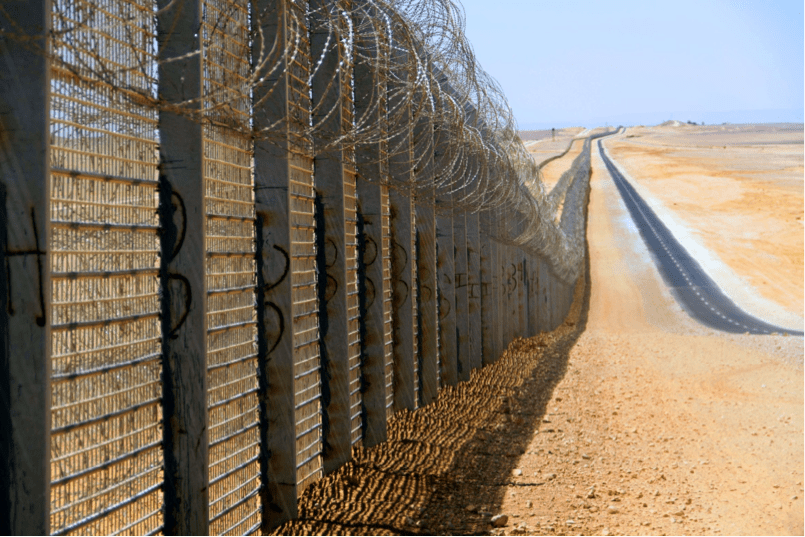
Even the US State Department, usually one of the most vocal supporters of Israel, has criticised the handling of refugees in the past. In a 2012 report they outlined their issues with Israel’s process, including the way officials referred to migrants as ‘infiltrators’ and compared them to cancer, the regulations that allowed authorities to reject applications without appeal, and the construction of a barrier along the border with Egypt. This last point led to a widely-condemned incident in September 2012, in which African migrants were trapped at the border for over a week.

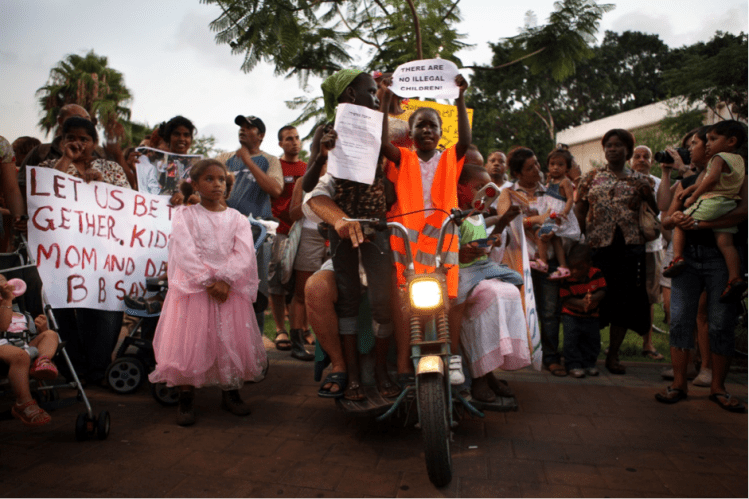
It is not just the international community who has been protesting the treatment of African migrants in Israel. The migrants themselves took to the streets of Tel Aviv this past January to demand the right to work legally, to call for their asylum bids to be processed, and to protest a law that allows illegal immigrants to be detained for a year without trial. For a lot of these migrants, especially ones from Eritrea and Sudan, returning to their troubled home countries is not an option, so their only avenue is to spend time in detention in Israel. In a separate but related protest, women and children marched to demonstrate their fear that the Israeli government is attempting to force them out of their homes and to send them to the Holot detention centre in the Negev Desert to be held indefinitely. The UNHCR has accused the Israeli government of following a policy that “creates fear and chaos amongst asylum seekers” in a way that could be in violation of the 1951 Refugee Convention.

The Israeli government has lately been attempting to make migrants leave Israel ‘voluntarily’ by enforcing laws that prevent them from working legally as well as offering them sums of money if they agree to leave Israel. Though most migrants cannot leave Israel safely, the government still actively pursues this policy.

Protest for refugees, Tel Aviv, Israel, 2009

Following a report by Human Rights Watch published in early September which criticized the way Israel has handled cases of Eritrean and Sudanese asylum seekers held in the Holot Residency Centre, the Israeli High Court took matters into its own hands. Though the government insists that the centre is legal and not a ‘detention centre,’ many others have refuted these claims. The centre, located in the Negev Desert, holds thousands of migrants and asylum seekers who are required to check in at the centre three times a day and stay inside during the night, making it impossible for them to leave for extended periods or hold jobs. On September 22, the High Court of Justice ruled that the 2009 law that established Holot was illegal and therefore void and that the Israeli government had 90 days to either shut down the facility or change the framework of the policy. Ever since, the government has been attempting to come to an agreement so that Holot would not have to close.

The reaction to the High Court’s decision has been mixed, with some right-wing Knesset members criticizing the decision because they believe that the infiltrator law was crucial in keeping out unwanted migrants. Human rights groups, however, have celebrated the end of the law. Though the state argues that these migrants are only coming to Israel for the economic benefits, human rights groups have long maintained that most migrants are actually asylum seekers who cannot be returned to their homelands.

An amendment to the law formed by the government and distributed in early November placed a new 20-month limit on the amount of time a migrant could be detained in Holot. However, this decision was not widely supported. Former Interior Minister Gideon Sa’ar was one member of the government who didn’t agree with the decision, as he had pushed for a minimum term of two years in Holot for asylum seekers. Prime Minister Benjamin Netanyahu was forced to step in to help find a middle ground.

The Knesset Interior and Environment Committee Chair Miri Regev vowed not to let the Holot detention centre

close when required to do so by the High Court, saying that the government would come up with new laws to govern the centre. However, if they are not able to push through the bill detaining asylum seekers for a maximum of 20 months, the detention centre will close on December 22. This would be a momentous event for African refugees entering the country, though there is still a lot to be done before African migrants are treated equally within Israel.

Israel seems to be headed on the right path in the choice between limiting detention times or potentially shutting down the Holot detention centre, though this could be short-lived progress. Hopefully, the Israeli government will grant more rights to migrants and shut down detention centres in the near future. Based on the current rhetoric, which refers to asylum seekers as ‘infiltrators’ and compares them to cancer, this change seems unlikely to happen soon. However, many of these asylum seekers can’t wait any longer in a state that is trying its best to make them go home.

Human Rights in Iran

On June 20, 2014, London-based British-Iranian citizen Ghoncheh Ghavami was one of a number of women to protest peacefully outside the Azadi stadium in Tehran. The group were campaigning to be allowed into the stadium to watch a men’s volleyball match. It is not illegal in Iran for women to attend sporting events of this nature, yet convention meant that Ghavami and her comrades were not granted entrance and were actually detained for their protest. Although they were promptly released, Ghavami was rearrested within days and has since been sentenced to one year in prison. Having served 5 months of this time, she was released on a £20,000 bail on November 23 and remains free until her court appeal. Despite this small victory, which followed an international campaign for her release, Ghavami may yet return to prison, where she has already suffered cruel treatment and undergone hunger strikes in an effort to be afforded her basic human rights.

Accused of “spreading propaganda against the system,” when she was finally granted her right to a court hearing in October, Ghavami not only faces up to another 7 months in prison but a two year ban on international travel. She is just one example of an Iranian activist who has fallen foul of the law for promoting equality and freedom of expression. One of the most high profile examples was the arrest of seven Iranian citizens in May for creating a video of themselves dancing to the Pharrell Williams song Happy. In September they were each given a suspended sentence of six months in prison and 91 lashes, which they will serve if they commit another crime in the next three years. Additionally, the group were made to appear on national TV to apologise for their supposedly ‘obnoxious’ behaviour.

Despite the risks, a number of Iranians continue to protest and flout government regulations on everything from dancing to wearing the burqa. Social media was used last year to spread images of Iranian men dressed in traditional Kurdish female attire, protesting a court ruling to punish a criminal by making him wear women’s clothing. This year, websites have been set up to accommodate sharing pictures of Iranian women without their burqa. Most recently, on November 28, a video of a woman dancing on a Tehran subway, with and without her headscarf, appeared online and soon went viral. Experts believe that protests of this kind are increasing.

It is not as a result of these protests, or their ensuing punishment, however, that Iran has been receiving so much media attention of late. No consensus was reached between Iran and the six world powers of the US, UK, France, Germany, Russia and China on a long-term nuclear agreement by the deadline of Monday 24 November. Talks in Vienna instead ended with agreement that negotiations should be extended until March 1, with all technical details agreed by July 1. If all goes to plan, an agreement will be in place by March relieving the Iranian government of a number of sanctions, while curtailing their nuclear development so that they are not such a threat to the international community.

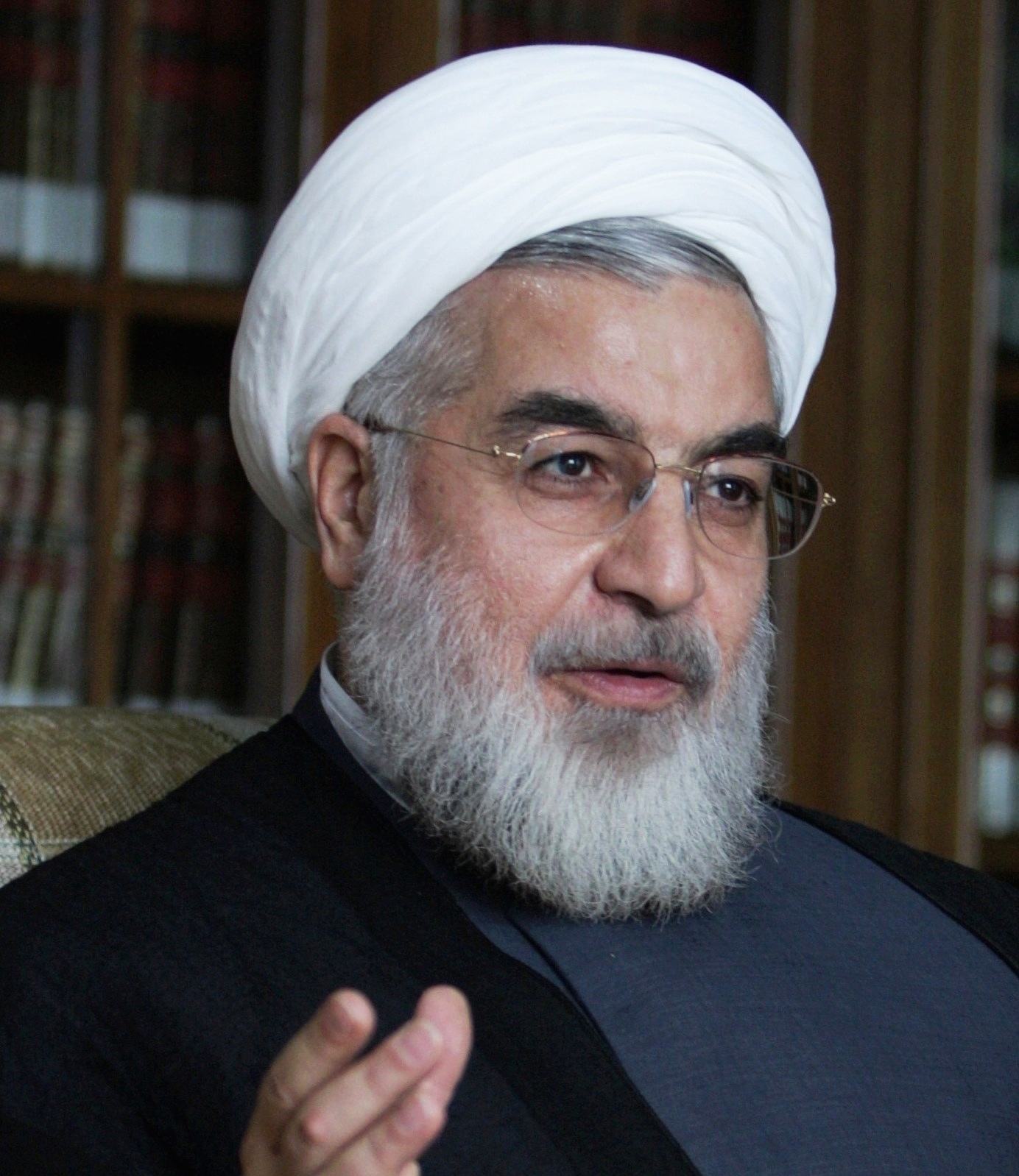
Arguably, this promising diplomacy and cooperation is being made possible by the far more moderate approach of the relatively new Iranian President Hassan Rouhani. Having assumed office in August of last year, Rouhani has not only worked to achieve consensus on the issue of nuclear weapons in Iran, but made promising statements about human rights in his country. Speaking last December, the President stated, “In today’s world, having access to information and the right of free dialogue and the right to think freely is the right of all people, including the people of Iran.” In addition, he has released a significant number of prisoners, given more women government positions and pledged to etablish a citizens’ rights commission. In response to the aforementioned ‘Happy’ video, Rouhani tweeted, “Happiness is our people’s right. We shouldn’t be too hard on behaviours caused by joy.”

All of this suggests that improvements can and may soon be made to the human rights situation in Iran. However, reality does not always match rhetoric and there is still a long way to go until Iranians can expect the human rights which many around the world take for granted. After all, while Rouhani accepted the ‘Happy’ video as an expression of fun, the state police and judicial system did not. Despite this, there is a glimmer of hope that human rights may improve in Iran in the near future. If the international community really does succeed in working together to reach a long-term nuclear agreement, they can arguably work together once more; to aid Iranian activists who have suffered for their beliefs and to help Iranian politicians create a citizens’ rights commission that properly protects the rights of Iranian citizens. In the mean time, Ghoncheh Ghavami’s prison sentence still stands. If any reader would like to encourage the Iranian government to reconsider and drop the charges against her, please follow this link to take action by sending an email.

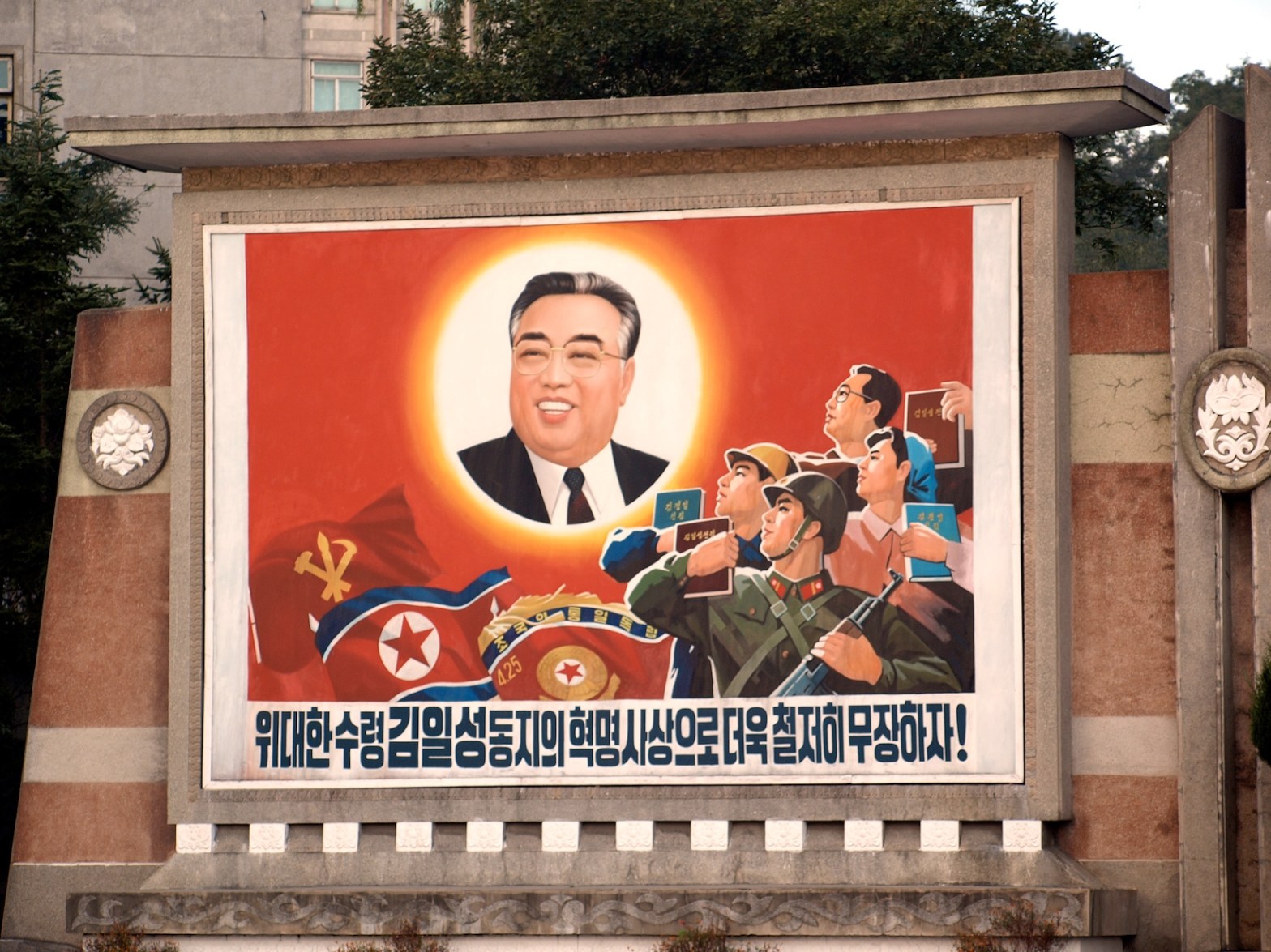
North Korean leaders could be tried for crimes against humanity…one day

“The North Korean regime controls and monitors the usage of the very words. The concept is not even taught. I had never even heard of the term “human rights” when I was in North Korea.” – Shin Dong-Hyuk

The North Korean façade is under pressure. The leadership has been condemned for human rights abuses, and may be subject to proceedings by the International Criminal Court (ICC) for “crimes against humanity”. The findings of a United Nations (UN) Commission of Inquiry into systematic violations of human rights in the Democratic People’s Republic of Korea were released in February 2013 and attested to the scale and nature of human rights abuses that have ocurred. Michael D. Kriby, a commissioner in the Inquiry, stated that the abuses in North Korea were without “parallel in the contemporary world”. North Korea however, has flatly denied the commission’s findings and issued a counter-report, declaring that North Koreans “feel proud of the world’s most advantageous human rights system”.

In response to the recent developments, the North Korean representative to the United Nations called the condemnation “an insidious plot to destabilize the country by its enemies”, with the US in the lead. They have been trying to do all within their power to halt the movement of a recent resolution condemning their violations which would subsequently reccomend referring the state to the ICC. It seems as though North Korea’s faux-utopianism is faltering, or is at least being challenged more readily by the international community.

For too long has the isolated state been able to keep its human rights violations shrouded in mystery. The authoritarian state has arguably done well in staying out of reach. The regime in is well known for its brutality, but little has been observed as they reject visitation by any official inquiry. In a society where the very concept of “human rights” does not exist, neither does the safety and security of its people.

Shin Dong-Hyuk was born and raised in a North Korean prison camp and remains the only person to escape alive. He has brought the world disturbing accounts of the camps, including various forms of torture, inhumane living conditions and degradation. Through his gruesome sketches of the camp, he recounts eating rats, snakes and being pushed to the point of physical exhaustion. It was not long ago that North Korea admitted that “labour detention centres” exist, and that they were intended to rehabilitate the incarcerated “through (changing) their mentality and to look on their wrongdoings.” However, the true scope of the camps was revealed by the UN Commission of Inquiry, which provided the most detailed and authoritative account of the plethora of violations that have ocurred. The abuses included torture, rape, murder, forced abortions and inhumane treatment of the approximately 120,000 people.

North Koreans are punished for any alleged signs of “defection,” violating their right to freedom of thought. If caught trying to escape they face the “three generations of punishment” rule, whereby three generations of the defector’s family are sent to prison camps. Among those who manage to escape from North Korea, many are women. As if their liberation from an oppressive regime was not enough, some estimates claim that 90% of these women become victims of human trafficking. Traffickers exploit Chinese deportation policies, fear of returning to North Korea, and an absence of the UN High Commission for Refugees in order to recruit, imprison, transport, and sell North Korean women into prostitution, enslaved marriages and forced labour. A price is set on their bodies, and they are sold as commodities. They are in high demand, as the three Chinese provinces closest to North Korea have a male to female ratio of 14:1 as a result of the ‘one child policy’. Escaped women experience psychological and physical violence, abuse and exploitation from their new enslaving families and husbands, who assume control of all aspects of their lives. As more women continue to flee the country, the risks they face if successful are arguably as horrific as if they had stayed.

Evidently, average North Korean citizens suffer from a lack of basic freedoms. The report clearly states that the state possesses a monopoly on information, social organization and details how indoctrination of citizens happens from an early age. Most of these issues are well known or come with little surprise, but have not been officially recognized and condemned until now. Repression is an effective tool in maintaining the utopian image they so desperately cling onto. It is without a doubt unjustifiable to commit such gross violations on any scale, but the sheer magnitude of the North Korean case sets it apart in the modern day world. Citizens suffer from starvation while the leadership sips fine cognac behind closed doors.

The North Korean leadership has lashed out particularly emphatically towards the US, the EU and Japan. The latter two have drafted a resolution condemning North Korean human rights violations, effectively bringing the issue to attention of official international bodies. Will it have the impact they are hoping for? If the world is to see an improved North Korea, it is clear that the current state of affairs cannot continue unopposed. The international community can no longer turn a blind eye to the de-humanising way in which North Korean citizens are forced to live. It was a bold move to suggest that the Security Council vote on referring the case to the ICC, as both Russia and China have interests in North Korea and veto rights. If either opposes, the justice we hope for may not be obtained. As questionable as the international legal system is, we can only hope that there will be significant consequences should the case go through to the ICC.

It is unclear if North Korean leaders would actually appear in front of the Hague. It would prove extremely difficult to force their appearance without entering North Korean territory. The issue then arises, how can such an isolated state be held accountable for their actions?

In my eyes, any action taken will be reduced in scale if China does not alter its policies. China provides North Korea with more than 70% of itscrude oil requirements. Additionally, food, aviation fuel and other trade between the two states made the sum of Chinese-North Korean trade in excess of $1.3 billion last year. Arguments are made both for and against Chinese support, as the discontinuation of support may be what topples the system and leaves it in ruins. Regardless, the UN needs Chinese political cooperation, and with the issues out in the open it will be difficult to justifiably support a state accused of conducting unrivaled human rights abuses.

What is clear from recent events, however, is the extent of North Korea’s discontent. Threats of new nuclear tests have been issued, and may be the beginning of a new phase. Whether it represents some form of retribution, threat, or a last resort, a fourth nuclear test may be looming and would complicate diplomatic affairs even further. The report may be revolutionary, but it is a step in the right direction. The fact that it is the strongest attempt made to document abuses in North Korea to date renews our hope in the possibility of justice.

Slaves Among Us: Modern Day Slavery in the United Kingdom

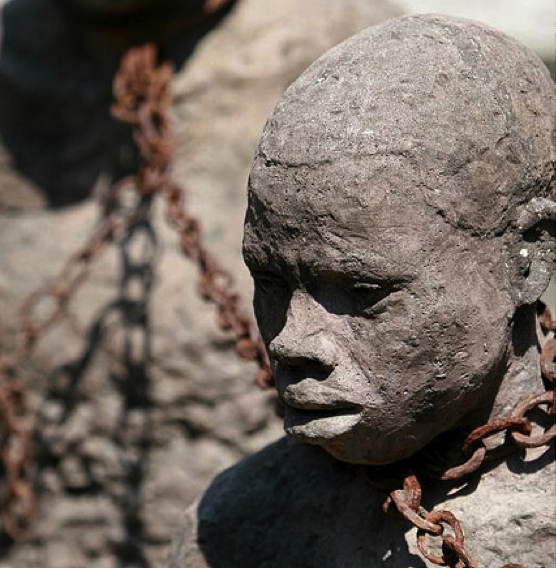
Modern day slavery affects at least 3,000 to 5,000 people in the UK today. This issue takes the form of domestic servitude, forced labour, and sexual exploitation. The British Empire abolished slavery in July 1833. The act did not take effect immediately. At the time, planters were still to be compensated with 20 million pounds for their loss and former slaves were forced to be “apprentices” for 6 years following their enslavement. Now, nearly two centuries later, the scourge of slavery still mars the face of the United Kingdom.

Pavel, a former forced labourer who preferred to remain anonymous, described his time of exploitation: “It’s somehow impossible to describe, feeling worthlessness, losing my confidence, losing my pride – you feel abused and they treat you like a thing, without any feelings.” His testimony is indicative of the loss of agency that all exploited workers experience. Pavel was forced to live on one meal a day and to work without any pay. Because slaves are unable to generate income, they have no way to travel and no way to pay for phone calls. Until you have been truly without money, it is difficult to understand how necessary money is to function in our society. Moreover, language difficulties and lack of knowledge of surroundings can further hinder attempts at freedom. Slaves are completely dependent on their captors. It is not necessary to pose physical barriers to freedom in order to keep someone enslaved, it is only necessary to remove their resources and they are confined just the same.

Modern day slavery is an extremely lucrative business. Ben Cooley, CEO of Hope for Justice, an anti-trafficking charity, explains that they have rescued victims that have generated £15,000 of profit in a matter of months.

The Joseph Rowntree Foundation conducted a study on the trafficking of people for forced labour. In the report, they included recommendations on how businesses could combat trafficking in their workplaces. They suggested: requiring detailed and formal service level agreements with labour providers, scrutinizing labour providers terms and conditions, increasing familiarity with the supply chain, and conducting further research to reveal information that internal audits may not have covered. Ultimately, the Foundation concluded that in order to effectively fight modern day slavery, the government would have to take a strong stance.

In June 2014, the government actively engaged with this issue by introducing the Modern Slavery Bill. The two major provisions of the bill are the establishment of an Anti-Slavery Commissioner and two civil orders to prevent modern slavery.

Sexual exploitation is one of the most manipulative forms of modern day slavery. In the majority of cases, women and girls are made to feel safe. Their soon-to-be abusers lure them in with promises of security. Their abusers, at first, are charming and articulate. They bring them gifts and give them money. Makela was trafficked from her village in Africa. She met a young Briton in a hospital after she had been tortured by her community following being accused of witchcraft. He lured Makela to Britain where she was forced to have sex with ten men a day in order to pay her captor for the money he had spent to bring her here. When he threatened to subjugate Makela’s daughter to rape as well, she fled with her daughter to the Salvation Army.

Some abusers even go through the ruse of dating their future victims and convincing their victims that they have fallen in love. These relationships can be so ingrained that they are difficult to dislodge. Claire, at the age of 13, was forced into prostitution. She described the relationship she had with her abuser prior to being taken advantage of, “He filled the gap in my life and made me feel loved”. After the abuse she said, “I still loved him. I found it hard to see he was an abuser”. Systematic rape has a history in the UK. In the Rotherham case, it was discovered that between 1997 and 2013 1,400 girls had been abused.

Despite efforts by charities and the government, modern day slavery continues. In order to effectively deal with human rights violations, it is necessary to look at demand as well as supply. This is a lucrative business because people are buying and raping slaves. One of the reasons traffickers continue their criminal activity is due to insufficient punishment. Ilyas and Tallat Ashar abducted a 10 year-old deaf girl from Pakistan and then proceeded to rape her repeatedly for a decade, all while keeping her locked in a cellar. Having stolen 10 years of a girl’s life and inflicting untold psychological damage, the husband received a 13 year sentence and his wife just 5 years. The wife was to serve only half the time that she had spent torturing the young girl in prison. Such short sentences cannot be an effective deterrent for abusers who gain the advantage of dominating another person’s life however they wish and as long as they wish.

Under the Modern Slavery Bill, abusers could face life imprisonment for their crimes. While this provision is a major step in combatting trafficking, its efficacy has yet to be determined.

In addition, even though the Joseph Rowntree Foundation has specified guidelines for employers to prevent trafficking, many employers will ultimately not implement them. Taking the time to investigate the origin and treatment of employees can be an arduous, and more importantly, expensive undertaking. This reality is enough to prevent employers from implementing these steps. In order to ensure the success of these measures, employers should be given some form of incentive to invest in the prevention of this crime.

Extensive research has been done on the reality of modern day slavery. It is easy to find statistics on the number and demographics of slaves today. However, it would be beneficial to conduct research on the psychology of an abuser to uncover what factors lead them to rape, imprison, and exploit other human beings. If current strategies are proving ineffective at stifling this crime, it is necessary to look at alternative approaches, even if these approaches are unconventional.

University students are well aware of human rights violations across the globe. Students are not ignorant of systematic rape, chemical warfare, coups, and genocide. It is easy in a nation as developed as the United Kingdom to fail to notice the human rights violations happening within our own borders. As citizens and inhabitants of the United Kingdom, we must be sure to make ourselves aware of and seek to free the slaves among us.

When Fear of Contagious Disease Rationalizes Discrimination

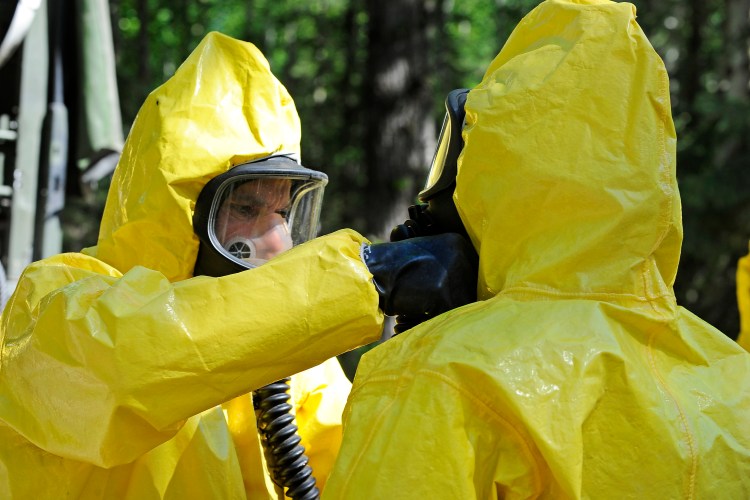
According to the Center for Disease and Control (CDC), the 2014 outbreak of Ebola Hemorrhagic Fever is the largest outbreak of the virus in history and the virus’ first epidemic. While Nigeria has managed to stop the flow of new cases, Guinea, Liberia and Sierra Leone have widespread transmission of the virus. As of 5 November, there have been 13,015 lab confirmed cases between these three countries; the actual number of cases is probably significantly higher. The 2014 outbreak of the Ebola virus is, undoubtedly, a health crisis in West Africa.

Quarantine and immigration policies in Western countries, including the United States (U.S.), Australia and Canada, seem to categorize the virus as a threat to national health and security in Western countries, but this is not necessarily true. Ebola has been constructed as a threat to Western countries by the media and politicians. This has brought about rhetorical and political responses that are disproportionate to the actual threat of the virus. The result is the dehumanization of victims and the impediment of efforts to treat victims and contain the outbreak in West Africa. In the West, Ebola is more dangerous to social relations than to public health.

A paper published by the Center for Comparative Immigration Studies analyzed “the relationship between epidemics, national security, and immigration policy”. The paper claims that epidemics have historically been the biggest security threat to humans. The paper goes on to claim that epidemics are a threat to states’ national security.

Firstly, an epidemic poses an economic threat “through its affect on human health and productivity” in three ways. It will increase the morality rate, render infected citizens unable to work and cause suboptimal performance among those still able to work. We can concede that an epidemic would constitute an economic threat to national security, but what is not obvious is that Ebola is, or even has the potential to become, an epidemic in Western countries.

According to the CDC, the current number of lab confirmed cases of Ebola in the U.S. is four; three of these patients recovered from the virus. There been have no lab confirmed cases in Canada or Australia. However, both countries have instituted immigration restrictions according to the World Socialist Web Site. Citizenship and Immigration Minister Chris signed an order that effectively suspended “consideration of all visa and permanent residency applications from foreign nationals who are or have been present in a country that is experiencing widespread transmission of the virus.

This order is problematic in a couple of ways. First, the government’s definition of being “present” in an affected country is too broad, so that someone who passed through an airport in an affected country would fall under the restriction. The order also applies to anyone planning to visit one of the affected countries in the future. Second, health professionals claim that denying visa applications could impede efforts to develop a treatment for the disease by preventing scientists from collaborating with researchers in Canada, who have actually been at the forefront of developing two experimental vaccines for the virus. Canada is not fulfilling its commitments to the international community, because their policies put strains on legitimate, non-threatening immigration.

Secondly, the paper claims that an epidemic would pose a domestic and internal security threat. It says that an epidemic may contribute to the construction of the ‘other’. This may result “in stigmatization, persecution of minors, and even diffuse inter-ethic or inter-class violence.” In the case of the 2014 outbreak, it is not the disease itself which is having these effects but the hysteria over the perceived threat of the virus. The symptoms of an epidemic are apparent, but the virus is only indirectly responsible for these. The threat of the disease was constructed and can be deconstructed with the reverse of what is currently being done.

It is the arguably premature and unwarranted quarantine and immigration policies that have contributed to the stigmatizing of Ebola patients and the workers treating patients in Africa and in the U.S. Because only five cases of Ebola have been confirmed outside of Africa, including one in Spain, Ebola is not an epidemic in the West. However, the stringent policies that some Western countries have implemented in response to Ebola seem to portray it as a global pandemic.

Either the policies of Western countries aimed at preventing Ebola from infecting their citizens are proactive and reasoned or else they are rationalized, institutionalized racism. The Australian Human Rights Commission has this to say about casual racism: “Like other forms of racism, casual racism can marginalise, denigrate or humiliate those who experience it.” Casual racism “can exclude the target from wider society. It sends a message that they aren’t welcome. It reinforces social barriers and attacks the dignity of the victim as an equal member of society.” People in Western countries may perceive people from West Africa as dangerous because they associate them with Ebola. This could isolate West Africans from the rest of society. There have been instances throughout history when fear of disease caused society to shun those it thought were contagious.

These policies are suspect because there is a lack of scientific knowledge of the disease by the public and policy makers. Additionally, the threat the disease poses to states’ national security has been over-exaggerated. States’ response to contagious diseases is not consistent; the threat of Ebola has been overstated while the flu, which kills thousands of people annually in the U.S. alone, is largely ignored.

In the U.S., New Jersey and New York have implemented a quarantine policy for anyone traveling from one of the affected West African countries. Australia and Canada have stopped short of quarantine policy, but have put restrictions on immigration. According to the World Socialist Web Site, “Canada is suspending consideration of all visa and permanent residency applications from foreign nationals who are or have been present in a country with ‘widespread and intense transmissions of the Ebola virus’ within the past three months.”

The same site claims that Canada’s policy response demonstrates “callous indifference” to the plight of Ebola patients in West Africa. The Canadian government is blatantly putting the interests of its nationals above the interests of other people at higher risk of contracting the virus purely on the basis of their nationality. The international community should be prioritizing international health and not undermining efforts to treat the infected and contain the virus at its origin. It seems that the West’s concern over Ebola does not extend to West Africa. It is important to try to explain this obvious discrepancy.

Casual racism is also apparent in the language spoken by politicians and the public in the U.S. According to the Guardian, former U.S. Senator Scott Brown used the language of security to roll the Islamic State, U.S./Mexico border concerns and the Ebola outbreak into one super-threat to national security. He told voters before midterm elections, “I think it’s all connected. We have a border that’s so porous that anyone can walk across it. I think it’s naive to think that people aren’t going to be walking through here who have those types of diseases”.

First, he uses non-precise language to refer to contagious diseases, because the intent of his language is not to inform but to alarm citizens. His opponent in his more recent bid for Senate, Jenna Shaheen, accurately referred to his statement as “fear-mongering”. His rhetoric is consistent with the construction of the ‘other’ as a threat, as was discussed at the beginning of this article. One of Brown’s supporters, Frank Demi, asked, “What’s stopping ISIS from getting contaminated people, sneaking them into this country and setting them free among the people?”

Brown’s fear-mongering was seemingly effective in generating a caricature of Ebola victims and establishing ties between real threats to security and the imagined threat of an Ebola epidemic in the U.S. The fear over Ebola is disproportionate and therefore not constructive. Instead, it may propagate suspicion of those at risk of the virus which would rationalize racial discrimination.

In addition to having elements of casual racism, quarantine policies and restricted immigration in response to the Ebola outbreak may be counter-productive. Ebola surely does pose a threat to global health and security but not in the way that the media and politicians say it does. The policies of some Western countries will isolate and stigmatize workers treating Ebola patients and could prevent supplies and a vaccine, if one is developed, from reaching the countries where they are needed.

Therefore, the policies discussed in this article are not only unnecessary but they may actually obstruct efforts to contain the infection in West Africa. The Ebola virus does constitute a threat to security in Western countries, but not in the way we might think. It poses a threat to security because of the effects that misinformed policies can have on social relations.

Gay rights – a global perspective

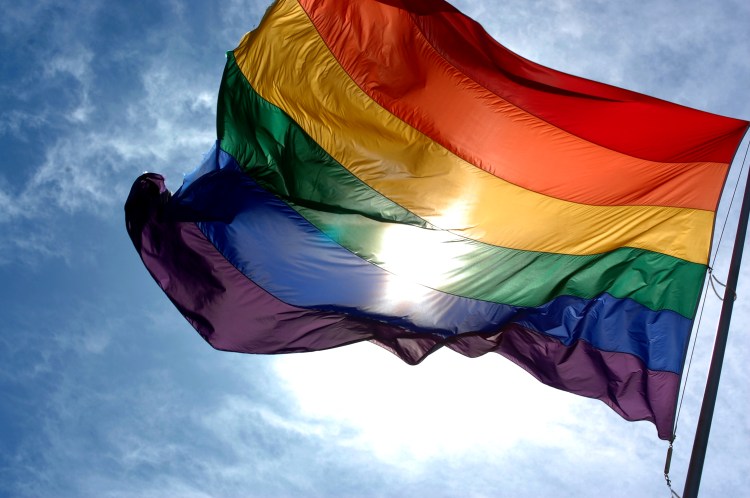
“Ultimately, I think the Equal Protection Clause does guarantee same-sex marriage in all fifty states.” These were the words spoken by President Obama to the New Yorker in late October. His statement coincided with the Supreme Court rejection of a number of appeals, resulting in the legalisation of gay marriage in Alaska, Arizona, Idaho, North Carolina, West Virginia and Wyoming. The addition of these six states means that, to date, thirty-two US states have now made same-sex marriage a legal act. “As far as I am concerned, LGBT can only stand for leprosy, gonorrhoea, bacteria and tuberculosis.” These were the words spoken by President Yahya Jammeh of Gambia in a televised speech this February. This August, Gambia’s national assembly passed a bill calling for life sentences for those found guilty of ‘aggravated homosexuality’. This term has not been clearly defined by anyone in the Gambian government, leading Human Rights Watch and Amnesty International to express concern over the ambiguity of this legislation. 2014 has so far been a year of disappointments as well as victories for the gay rights campaign, and the problem is one the international community must tackle together.

In recent months there has been a worrying trend of anti-gay legislation spreading across the African continent. This January, President Goodluck Jonathan of Nigeria signed into law a bill punishing those who ‘promote’ homosexuality with 10 year prison sentences and those who engage in it with 14 years. The UN human-rights chief consequently stated that she had rarely seen a law that “in so few paragraphs directly violates so many basic, universal human rights.” Furthermore, in March of this year there were reports that four men were publically whipped for allegedly participating in homosexual activity. Following this, a Ugandan anti-gay bill, which had previously been rejected in 2009 after furious international response, resurfaced at the beginning of the year. Although the bill no longer called for the death penalty in cases of ‘aggravated homosexuality’ it still proposed long prison sentences and, as with Gambia, left lines over what could be considered ‘aggravated’ worryingly blurry. In February this bill was signed into law by President Yoweri Museveni and, although it was overturned on a technicality by Uganda’s constitutional court in August, is once again being redrafted. Chadian lawmakers have since proposed legislation calling for 15 to 20 year prison sentences for those found guilty of homosexual behaviour.

The gay rights controversy to have attracted most attention from British media in recent times, however, involves a British man in another African country, Morocco. British citizen, Ray Cole, is a 69 year old homosexual who was arrested alongside Moroccan national Jamal Jam Wald Nass on September 18 and given a prison sentence of four months. His son Adrian spoke in early October of how Ray’s living quarters saw him, “sharing with murderers, rapists, paedophiles,” for the ‘crime’ of his sexuality. Ray was released less than a month later thanks to the work of his family and lawyers, with some help from Moroccan authorities. This case drew public and media attention to the plight of gay individuals living and holidaying in Africa, yet in reality it had a happy ending in comparison to a vast majority of homosexuality sentences in a number of African countries.

A Human Rights Campaign Foundation and Human Rights First report from July serves to highlight this. The report found that in 37 out of 54 African countries same-sex relationships are still criminalised. Furthermore, in the four countries of Mauritania, Nigeria, Somalia and Sudan the death penalty is in place for ‘crimes’ committed by LGBT people in all or parts of the country. Additionally, the report unearthed more shocking statistics about individual African countries. For example, in Cameroon more people are arrested based on sexual orientation than any other country in the world. The report found that only in one African country, South Africa, was marriage equality available to LGBT citizens. Following this report, the US Government faced calls from Amnesty International to promote an international agenda of LGBT rights at the US-Africa Leaders Summit that week. Despite these efforts, the summit seems to have made little impact.

It is not only in Africa that homophobic feeling has resulted in anti-gay legislation and the recent trend in harsher anti-gay bills is not limited to this region. It was announced as recently as 29 October that Singapore’s high court had chosen to uphold section 377(a) of penal code. Thus, men convicted of committing “or abet[ting] the commission of…any act of gross indecency” with another man can be reprimanded with up to two years in prison. While the Singaporean government has spoken to the UN of its acceptance of homosexuals and allows national gay-pride events such as the famous Pink Dot to continue, this is a setback for the rights of all gay men living in and visiting the country. In recent years, Russia has also been a source of homophobic legislation. Controversy surrounded the decision not to establish a Pride House at the Sochi Winter Olympic Games. In 2013 a law was passed banning the distribution of homosexual “propaganda” to minors.

Elsewhere, gay rights have had some victories in recent times. In India, homosexuality is becoming gradually more acceptable and the first national magazine for gay people, Pink Pages, was launched in 2009. Gay-pride parades have been growing in popularity in Vietnam since their inception in 2012, while bills legalising same-sex marriage nearly passed in both Vietnam and Thailand this year. Along with the legalisation of same-sex marriage in a number of US states, these victories bring some small comfort, and yet it is clear there is still much progress to be made before LGBT people can expect the equal rights they deserve.

In late October, former British Foreign Secretary William Hague called for Great Britain to use its influence in Commonwealth countries to help tackle anti-gay laws put in place there. He stated, “While we are making progress in Britain and elsewhere, the situation in many countries in the world is not only difficult, it is actually worsening.” Meanwhile, President Obama’s administration continues to face calls to promote gay rights on the international stage. Whether, in reality, Western dialogue on this matter would actually be welcome in states with anti-gay laws remains to be seen and appears unlikely. Indeed, President Yoweri Museveni accused critics of Uganda’s legislation of a form of colonialism and signed the bill in part to distance himself from Western values. Yet LGBT citizens around the world are still suffering as a result of their sexual orientation or gender identification. Homosexual acts remain illegal in a total of 80 countries worldwide. There needs to begin a more constructive dialogue in which anti-gay legislation is discouraged without states feeling dictated to or threatened. The international community cannot stay silent when thousands are being denied their fundamental rights.