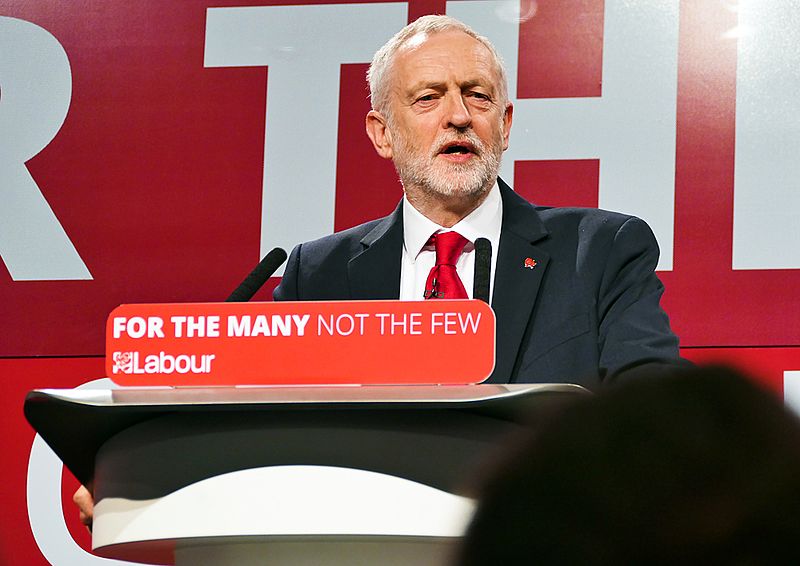
On March 26th, hundreds of people, including Labour MPs, protested against anti-semitism within the Labour Party and the handling of anti-semitism by leader Jeremy Corbyn. However, this protest is just the most recent in a history of allegations of anti-semitism and an avoidance of addressing this issue within the Labour Party. Historically the Labour PartyContinue reading “The Intolerant Left? Labour’s Anti-Semitism Problem”
Author Archives: protocolmagazine1
Review: “Hope to Nope: Graphics and Politics 2008-18” at the Design Museum, London
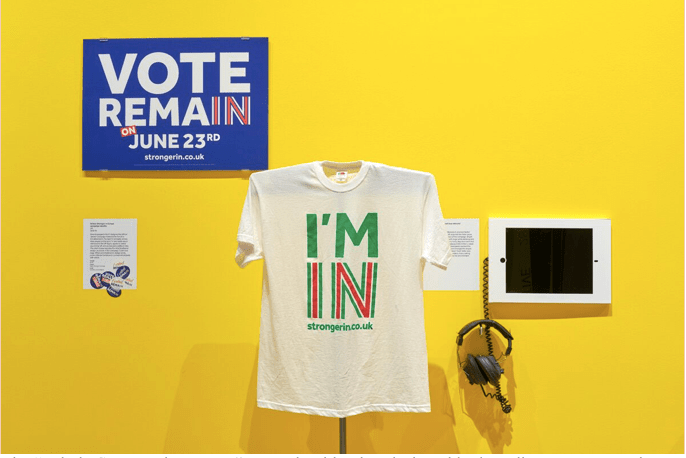
What can we learn about graphics, politics and human rights? Political graphics have long been attached to British and overseas politics, from early twentieth-century suffragette banners to the placards featured in last month’s Campaign Against Anti-Semitism protests at the Labour Party HQ in London. However, whilst they have traditionally been associated with states, corporations andContinue reading “Review: “Hope to Nope: Graphics and Politics 2008-18” at the Design Museum, London”
Life in Limbo: Yazidi Tales of Refugee Life in Northern Iraq

Khalaf Dakheel is a 17-year old Yazidi refugee and journalist living in a camp in Iraqi Kurdistan. A writer for the National Discourse with his work having featured in the Jerusalem Post, he often reports on conditions within the camp and life for its Yazidi residents. I spoke to him about his work and hopesContinue reading “Life in Limbo: Yazidi Tales of Refugee Life in Northern Iraq”
Review: Symposium X Children in Conflict
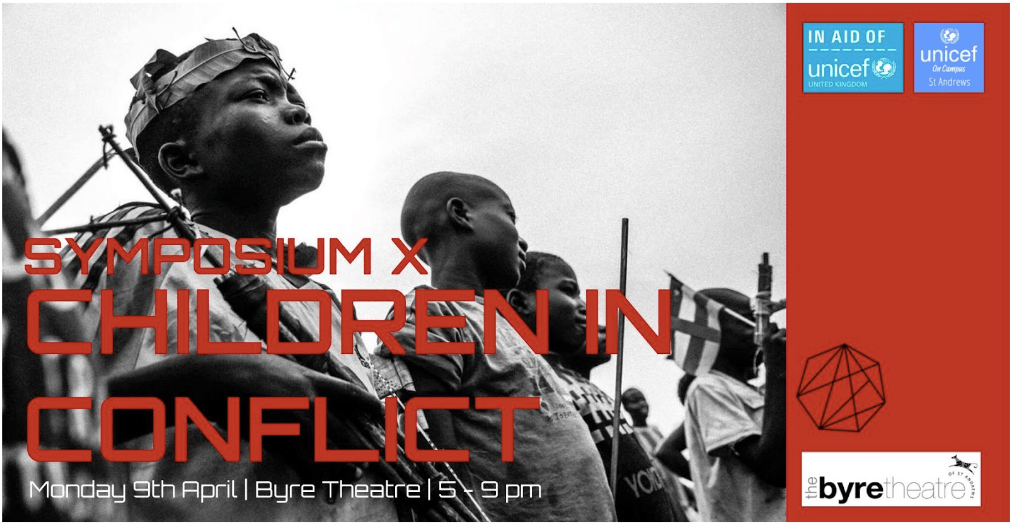
St Andrews UNICEF On Campus held its fourth annual Symposium on Monday 9 April in conjunction with the On The Rocks Festival. The nearly sold out event was held in the Byre’s top floor loft, extending an intimate feel to the event. The evening kicked off at 5:00 pm with a drinks reception, followed byContinue reading “Review: Symposium X Children in Conflict”
Approaching Day Zero of Cape Town’s Water Crisis in the Aftermath of Apartheid
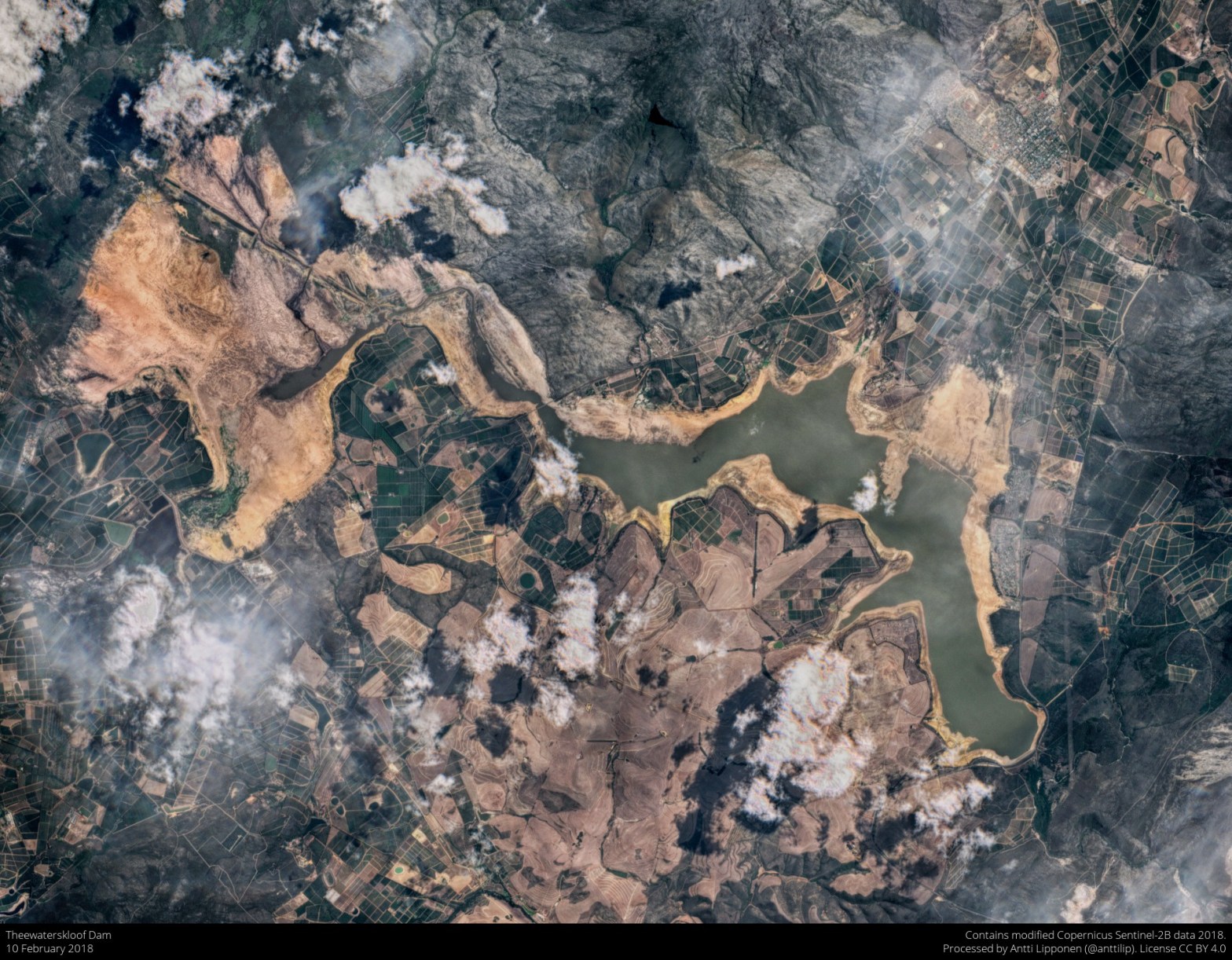
The South African Apartheid, which systematically separated the black and white populations–was officially dismantled in 1991. Before the Apartheid, native South Africans underwent hundreds of years of subjugation under white imperialist countries, namely the Dutch and the British. Stemming from centuries-long white suppression, the end of the Apartheid did not succeed in accomplishing total equality;Continue reading “Approaching Day Zero of Cape Town’s Water Crisis in the Aftermath of Apartheid”
Ethical Issues in the International Arms Trade: Is it possible to moralise sales of weapons?
On February 5th, 2016, the former Secretary-General of the United Nations (UN), Ban Ki-Moon, issued a statement about the Yemeni civil war, urging the need for a resolution: “Yemen is in flames, and coalition airstrikes, in particular, continue to strike schools, hospitals, mosques and civilian infrastructure. […] We need states that are party to [the]Continue reading “Ethical Issues in the International Arms Trade: Is it possible to moralise sales of weapons?”
Migrant Workers in the Gulf: Kafala and the Need for Reform
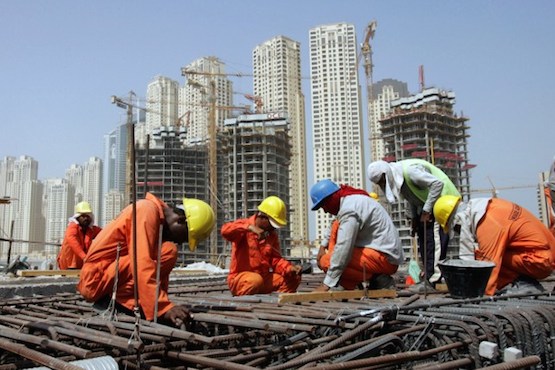
In the last forty years, few regions on Earth have experienced as dramatic, or indeed meteoric, of an economic rise as the Persian Gulf states. The regimes of Bahrain, Kuwait, Oman, Qatar, Saudi Arabia, and the United Arab Emirates, who today make up the so-called “Gulf Cooperation Council” have seen near unprecedented explosions of prosperityContinue reading “Migrant Workers in the Gulf: Kafala and the Need for Reform”
How Uzbekistan Used Western Fears of Islamism and Terrorism to its Advantage

With thousands of political prisoners, endemic torture in the prison system, and extremely restricted freedom of speech, Uzbekistan is hardly a model for human rights. Yet, President Karimov, who ruled the country from 1989 until his death in 2016, successfully played on Western fears of Islamism and terrorism and used them to his advantage. HeContinue reading “How Uzbekistan Used Western Fears of Islamism and Terrorism to its Advantage”
Fast Fashion and its Fatal Consequences in Bangladesh
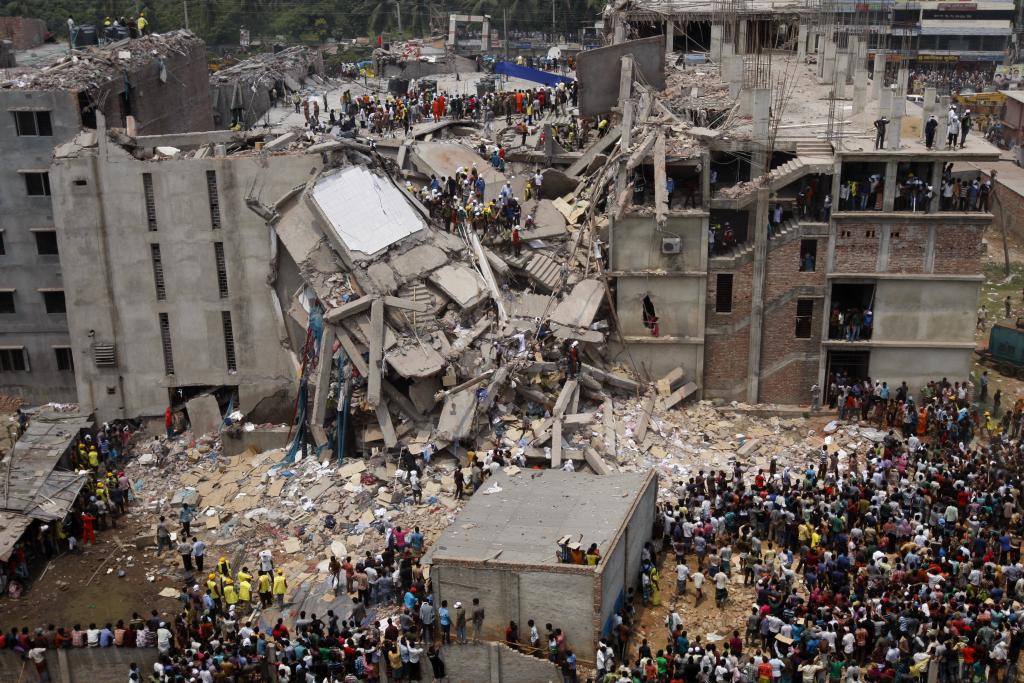
This coming April will mark 5 years since the garment industry’s deadliest disaster: the collapse of the eight-story Rana Plaza factory building in Bangladesh. The tragedy, a consequence of cheap construction and heavy equipment, was entirely avoidable, yet took the lives of over 1,100 people and injured thousands more. It regrettably took a catastrophe ofContinue reading “Fast Fashion and its Fatal Consequences in Bangladesh”
Cape Town Water Crisis

Water scarcity is one of the most imminent challenges the world currently faces. As a result of lack of access to or a physical shortage of water, 700 million people face a water scarcity crisis. Even more startling is the 1.6 billion people who face economic water shortage because their state cannot afford water infrastructure.Continue reading “Cape Town Water Crisis”
 Protocol Magazine