Legal Smokescreens: Corruption and Exploitation by Anonymous Companies

What could a wealthy oligarch sprawled in a luxury New York City apartment possibly have in common with member of ISIS battling with state-of-the-art weapons? Both share a common connection enabling their crime. The link between a terrorist and a corrupt business magnate is the same as the link between a dictator and the leader of a drug cartel – their money is veiled in paperwork, and it is safe. An increasing and overwhelming number of major criminals today manage, move, and maintain their wealth in plain sight, under a guise of legal contracts shielding their names and thus allowing for vast and far-reaching unlawful activity in a lawful setting.

In certain states in the U.S. it is easier to open a company than to renew a library card. Delaware, for example, was ranked in 2009 as the most financially secretive location in the world, requiring a proof of address or social security number to carry out a majority of basic administrative tasks such as applying for a driver’s license or city library membership, but not to create publically recorded company accounts. Creating a business is simpler, faster and often less regulated than any other official activity in these states – a phenomenon that is making economic crimes commonplace.

‘Anonymous companies’ are companies registered using little to no information about their beneficial owners – that is, the people who manage the company’s assets and benefit from its profits – leaving a complex and misleading paper trail that makes it nearly impossible to know who is truly in control of business. Incorporating a company is a process that is wholly legal and easily managed in all fifty American states, turning a company into its own legally autonomous business structure that is able to operate as a separate actor from the individual actually running affairs. Subsequently, American law allows new companies to be opened under the name of existing ones rather than under the name of a traceable individual, furthering the cycle of ownership anonymity and spinning webs of deceit. In other words, the American government (along with the governments of states that have more stringent privacy laws, such as the United Kingdom) doesn’t require that a face be put to the name behind a company. Because of this, and in spite of claims to high standards of financial accountability and a commitment to civil justice, the United States is home to the largest and fastest-growing network of fraudulent corporations in the world.

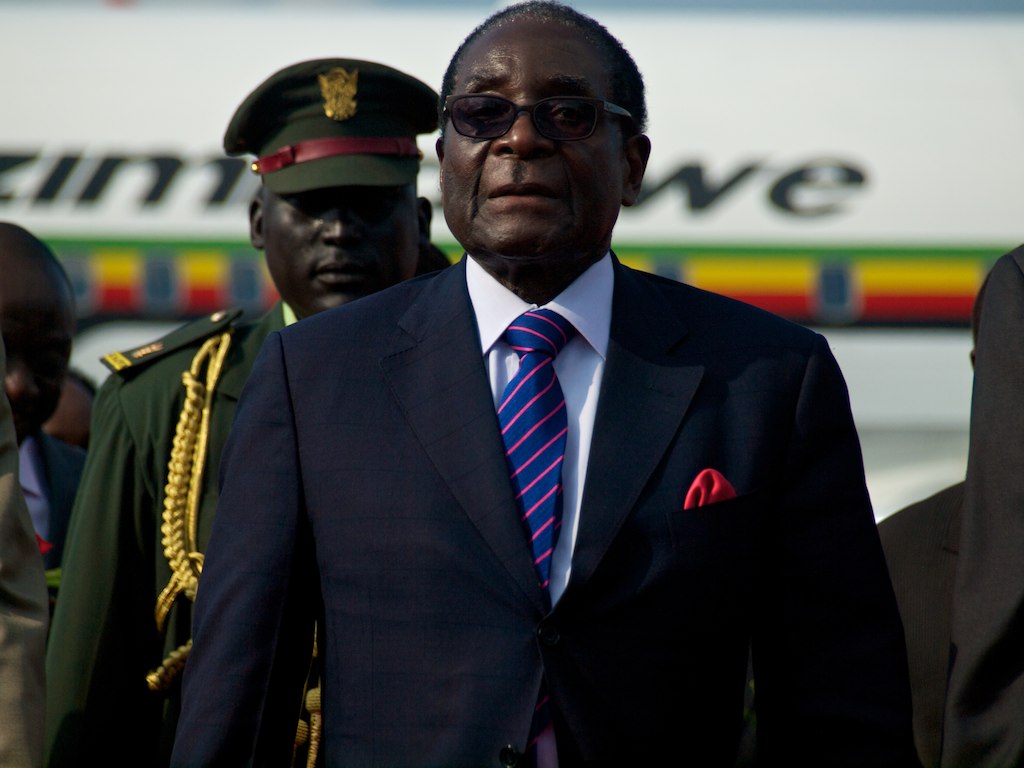
President Mugabe, who has held office since 22 December, 1987, by Gregg Carlstrom

Dubbed the “getaway cars of choice for the world’s criminal and corrupt”, anonymous companies provide channels to conduct legal business practices for illegal purposes. Criminals fund and enable illicit activities of all kinds through these companies, powering the global trade of drugs, people, arms, and a vast array of human rights abuses. Deeply concealed in the multi-layered disguise crafted by current corporate bureaucracy, creators of anonymous companies manipulate a system that is intended for enterprise, instead using it for exploitation. The World Bank, in a 2011 report analysing over two hundred major corruption cases between 1980 and 2010, found that the greatest number of companies involved in scandals were incorporated in the United States – a result of the liberal and loosely regulated laws surrounding corporate ownership.

‘Shell companies,’ another term for the phenomenon, owe their name to the many layers of false ownership that any one company may have, like the many shells of a Russian doll. Certain countries simply do not require information to open companies, while others store information about company shareholders in binding secrecy agreements, creating tremendous difficulty for law enforcement when tracking criminals down. States that collect ownership information allow for the aforementioned use of one company as the registered owner of another.

A harrowing example of the corruption and inhumanity propelled by anonymous companies can be seen in the turmoil shrouding Zimbabwean politics. A country marked by decades of authoritarianism, the control of dictator Robert Mugabe has been turbulent, bloody, and fraught with human rights abuses. The Zimbabwean people have suffered greatly at the hands of their brutal leader, facing political coercion and intimidation, the threat of assassination for dissent, and significantly, exploitation as a workforce. Supported by the national production of blood diamonds, the industry of Zimbabwe’s profitable national resource has been propped up by their corrupt President in order to fund his various power campaigns. The Marange diamond fields of eastern Zimbabwe are the site of unprecedented atrocities, including the torture and enslavement of local populations to work in the fields mining diamonds.

In the wake of the public eye turning to the abuses taking place in Marange fields, U.S. officials placed sanctions on the production site, banning the export of diamonds from the fields owned and operated by the Zimbabwean military at the time. In response, the Zimbabwean government removed the military from the fields altogether, replacing their presence with that of private companies that would thereafter manage the diamond industry – or so it was alleged. In 2012, a report on the diamond industry of Zimbabwe found that the “private companies” in charge of the Marange fields were in fact anonymous companies, running the fields in the exact same manner as prior to sanctions.

Zimbabwe’s secret police force (the Central Intelligence Organisation, or CIO), is believed to exercise joint control over Sino Zimbabwe Development (Pvt) Ltd., a national diamond conglomerate shared with Sam Pa, a Chinese business figure. Upon closer inspection, it emerged that Sino Zimbabwe Development (Pvt) Ltd. was an anonymous company used to supply the Zimbabwean military with funds from the exploitative national diamond trade. Consequently, Sam Pa also represented an anonymous company. Registered in the name of an individual, the businessman was simply representing a broader fraudulent scheme in which the government held large stakes. This revelation, indicative of the systematic abuse and oppression of Zimbabwean civilians, outraged human rights activists. Nonetheless, little has changed in the diamond industry. As Mugabe’s time in office approaches twenty-nine years, Zimbabwe is ranked 163rd out of 179 nations on a global Corruption Perceptions Index by the non-governmental organisation Transparency International, making it one of the most corrupt nations in the world – and it is wholly facilitated by anonymous companies.

Global Witness co-founder Charmian Gooch at a TED Conference

Efforts to halt the speed and ease with which anonymous companies are created are marred by politicians in favour of corporate freedom, who argue that all systems are corruptible. A threat to company ownership is a threat to the very core tenets of capitalism that many Western states rely on. This is why few restrictions are placed on such processes as opening a company; it is meant to encourage the spirit of entrepreneurship that nations such as America greatly herald. Anonymous companies currently exist in a global system in which their creation is fuelled by dictators to fund corrupt governments, oligarchs to hide wealth, terrorists to buy arms, and many more.

However, anonymous company exploitation ends when policy changes. The harm caused by unregulated, unfettered corporate activity to disenfranchised Zimbabwean civilians, enslaved sex workers, and illegal drug manufacturers can be curtailed if laws are put in place to hold individuals accountable. The issue of anonymous companies is a deeply ingrained, institutional problem, but efforts are being made to change policy and such movements are gaining momentum. Organisations such as Global Witness, a non-profit watchdog organisation based in London, are pushing politicians to insist on mandatory public registries for company beneficial ownership, making it a legal requirement to name – and shame, in the case of illicit activities – the face behind a corporation.

Transparency in business and consumership is possible if we ask questions and demand the right answers. Creating an ethical conscience in all levels of society – in the government, in corporate administration and as consumers ourselves – is critical for promoting the solution to this issue and cutting the economic power of human rights abuses.

To explore an interactive map of currently known anonymous companies, their far-reaching bases, and their victims, click here. To learn more about what you can do to get involved and raise awareness, check out Global Witness here.

Overcoming the Threat of Autonomous Weapons and Combat Robots

Autonomous weapons, broadly defined as weapons and robots able to select targets and engage in combat without human input, are being developed by the world’s foremost military powers including the United States, the United Kingdom, Israel, South Korea, China, and Russia.

Experts have predicted that “technology allowing a pre-programmed robot to shoot to kill, or a tank to fire at a target with no human involvement, is only years away.” Bonnie Docherty, who is a senior arms division researcher at Human Rights Watch, said, “Machines have long served as instruments of war, but historically humans have directed how they are used. Now there is a real threat that humans would relinquish their control and delegate life-and-death decisions to machines.”

These combat robots promise great military and security advantages. However they are operationalized, they will likely create battlefield conditions in the future in which far fewer soldiers will need to be deployed in life-threatening situations. They can be designed to act and react more quickly than humans, and to enhance the efficiency and safety with which targets are identified, acquired, prioritized, and eliminated. They would not need to be fed, they would not disobey orders or suffer from post-traumatic stress, and they could be mass-produced.

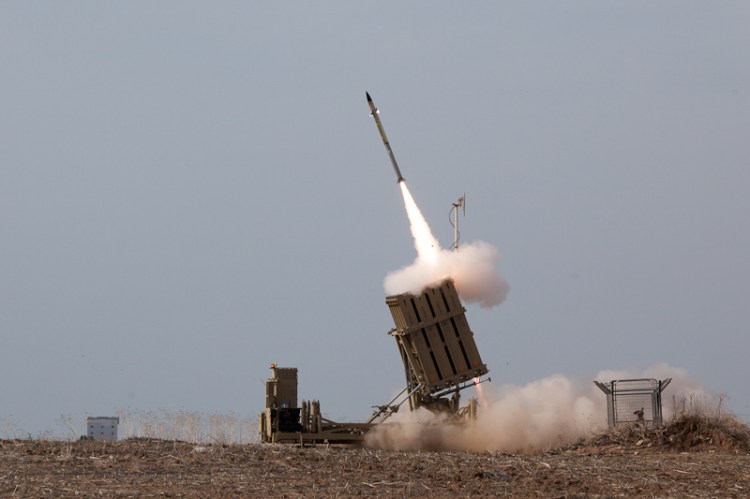
Iron Dome, by the Israeli Defense Forces

However, they also pose a risk to human rights and international humanitarian law. Autonomous weapons have not yet proven that they possess the ability to distinguish between a combatant, a noncombatant, and a surrendering combatant, and this puts the legal principles of civilian protection and prevention of unnecessary harm to combatants in great jeopardy. Nor have autonomous weapons demonstrated that they can successfully determine how proportionate their application of force should be depending on the situation.

Among other concerns, this has led Human Rights Watch, the Future of Life Institute, the International Committee for Robot Arms Control, the Women’s International League for Peace and Freedom, the International Committee of the Red Cross (ICRC), and the Campaign to Stop Killer Robots to adopt positions calling for various prohibitions and restrictions on the development and usage of autonomous weapons.

These efforts to establish arms control for autonomous weapons have, up to now, made little progress—in that no agreement, preemptive ban, or regulations have been implemented, and military powers continue to develop autonomous weapons unabatedly.

If arms control for autonomous weapons is to be effectively established, activists must be realistic about what they can accomplish. Past efforts to control anti-personnel landmines and cluster munitions have demonstrated how difficult it is to prohibit a weapon which provides great military advantage.

No ban on autonomous weapons can be implemented. States will continue to pursue autonomous weapons and robots and they will do so fiercely. Instead, the best hope to control autonomous weapons is through the pursuit of international regulations. Specifically, the United Nations Convention on Certain Conventional Weapons (CCW) must be called upon to adopt a new protocol.

For this ‘Protocol VI on Autonomous Weapons and Robots’ to succeed, it must—instead of trying to entirely prohibit autonomous weapons, which would never gain international support—regulate the design and purpose of autonomous weapons; accommodate for existing security threats, commitments, and geopolitics; and determine the environment and context in which autonomous weapons are used.

Autonomous weapons designed for defensive and non-lethal purposes should be explicitly supported. This would include autonomous weapons designed to defend military bases, submarines, naval vessels, and soldiers on the battlefield; and those designed for the selecting and targeting of material structures and munitions. This gesture will enable states to utilize autonomous weapons for legitimate military security, but reduce the possibility of indiscriminate violence.

Campaign to Stop Killer Robots

Regulations should also consider the nature of a weapon’s autonomy and how that should correspond to the lethality it is designed to inflict. As an autonomous weapon’s autonomy increases, so should the safeguards protecting against accidents and indiscriminate violence. If regulations stipulated that all weapons and robots be designed with emergency safety/termination protocols and human monitoring in place, and that ‘fully’ autonomous weapons not be used to apply lethal force intentionally, the same offensive military objectives could be achieved but the possibility that autonomous weapons will begin unstoppably and indiscriminately targeting noncombatants would be greatly reduced. It is likely that this measure would gain support as the United States and the United Kingdom have already indicated that they are uninterested in developing uncontrollable autonomous weapons for lethal purposes.

Regarding environmental and contextual usage, John Lewis has suggested that while autonomous weapons are still in their infant stages, they should be operating only in isolated environments and in a defensive context. Michael Schmitt has similarly argued for the possibility of autonomous weapons being deployed only in remote areas, or attached to naval vessels.

Kenneth Anderson and Matthew Waxman suggested that they should only be used in operational environments where there are few to no civilians, such as from a submarine. Jean-Baptiste Jeangéne Vilmer distinguished between urban environments and underwater, marine, aerial, or spatial environments, where the risk of indiscriminate noncombatant violence is far lower.

Gary Marchant and others speculated that autonomous weapons should be used only on specified missions, such as in long-range aerial bombardments. Voicing a similar sentiment, Peter Potsma advocated that they be permitted in high-intensity conflicts, but prohibited in counterinsurgency operations.

If autonomous weapons are to be used in urban centers—not unthinkable given the hideouts of many terrorists—then regulations can be enacted which stipulate that the autonomous weapons or robots are to be accompanied by a squad of soldiers, or only be used in a defensive or non-lethal combat capacity.

The possibilities are numerous and have great potential. A dialogue between states about the ethical and practical usage of autonomous weapons must be encouraged rather than a futile attempt to impede autonomous technology.

Although the arms control of autonomous weapons is in gridlock, the fact that these weapons have not yet been deployed means that they have not yet killed. They have not yet been used in inhumane ways that will be regretted and condemned later. There is still an opportunity to control autonomous weapons effectively and perhaps save many lives in the process. The time to act is now.

Mohamed Nasheed: A Politically Motivated Prosecution?

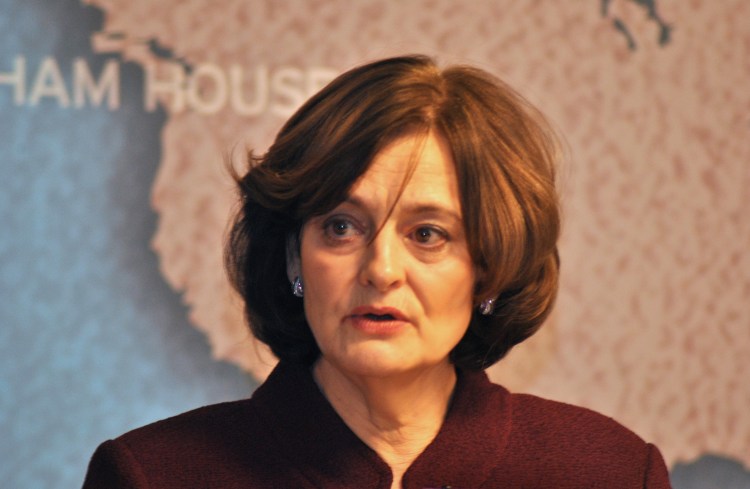
An established barrister in her own right, having made QC in 1995 and with a CBE to her name, Cherie Blair (the wife of former British Prime Minister Tony Blair) founded Omnia Strategy LLP, an ‘international law firm that provides strategic counsel to governments, corporates and private clients,’ in 2011.

Cherie Blair QC MBE by Chatham House

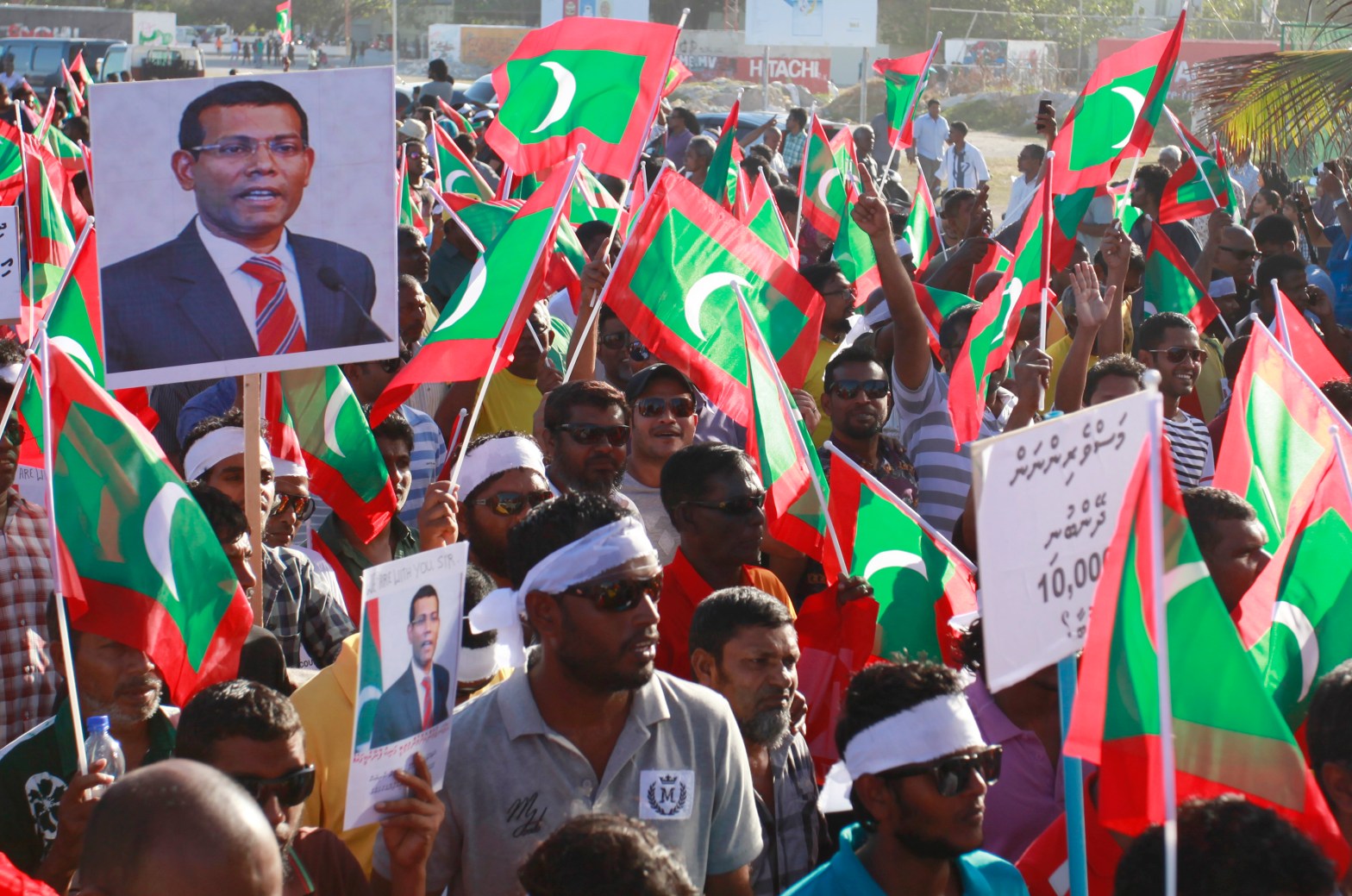
As stated in an email sent from Omnia Strategy to the UK Foreign & Commonwealth Office (FCO), Omnia Strategy were appointed by the Government of the Maldives to “advise on legislative reform and promotion of human rights as part of the Government’s strategy of democracy consolidation.” The relationship between Omnia Strategy and the Government of the Maldives has come under scrutiny, mostly with regards to the case against the former President of the Maldives, Mohamed Nasheed.

After 30 years of autocracy, in the first multiparty election decided by popular vote, Nasheed was sworn in as President in November 2008. Four years earlier, he had been declared a political refugee here in the United Kingdom. At the time when Nasheed was recognised as a refugee by the British Government, Tony Blair was Prime Minister. Speaking at a press conference in London, Nasheed said of Mrs. Blair, “It’s very sad that a Labour former prime minister’s wife has decided to work against the people of the Maldives.” It’s understandable that Nasheed, having had a good working relationship with previous Labour leaders Gordon Brown and Ed Miliband, may feel somewhat betrayed at this representation.

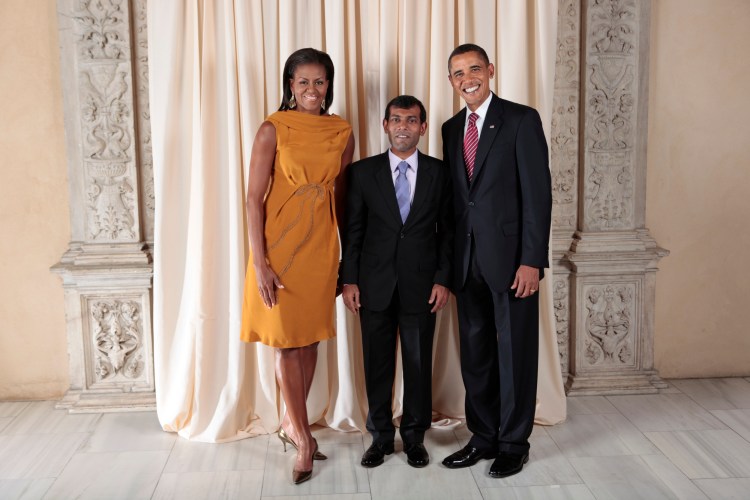
Having been arrested over twenty times for crimes including writing articles about the Maldivian elections, Mohamed Nasheed has been praised worldwide for his work in preventing climate change and promoting human rights and has been labelled ‘the Mandela of the Maldives.‘ In 2011, Prime Minister David Cameron told The Guardian that “my new best friend is the President of the Maldives.” With public figures as wide-ranging as Barack Obama, Richard Branson and the UN Human Rights Commissioner backing President Nasheed, why does the wife of a former British Prime Minister continue to fight, with the Maldivian Government, against him?

Mohamed Nasheed with The Obamas

In an email from Omnia Strategy on behalf on Cherie Blair to the FCO, it was stated that Omnia Strategy were aware that “the UK has expressed concerns regarding recent events in the country, particularly regarding Former President Nasheed.” With a UN Working Group stating that Nasheed did not receive a fair trial (according to Article 6 of the European Convention on Human Rights (ECHR)), this means that the human rights of Mohamed Nasheed have been breached. The same UN Working Group concluded his conviction was politically motivated.

With Omnia Strategy’s former clients including the governments of Kazakhstan and Gambia, both of whom have a history of human rights violations including, but not limited to, illegal detention and torture, many people might start to wonder how a firm who advise ‘on the integration of the 2011 UN Guiding Principles on Business and Human Rights’ are actually making a positive change with regards to human rights. In recent months, it has been said that Omnia strategy took an undisclosed amount of money from the repressive regime. It is perhaps also interesting to note that amongst the members of Omnia Strategy’s Advisory Council is Aliko Dangote, the richest person in Africa with an estimated wealth of $25 billion. The resulting corruption scandal over the relationship Omnia Strategy has with the Government of the Maldives has likely only increased the amount of time before justice can be found for Nasheed.

Protestors Supporting Nasheed’s Release by Dying Regime

Why would a government choose a firm founded by the wife of a former British PM to advise them? Did they seek to use the firm’s political ties to influence the case against Nasheed? Perhaps the answer may be the simple fact that Omnia Strategy are a successful international law firm with a track record of resolving international disputes. Perhaps, these are the questions the world will likely never know the answer to.

With accusations of corruption against his prosecutors, a history of an unfair trial and the high profile nature of the case, it’s difficult to say if justice will ever be found for President Nasheed. To encourage the current President of the Maldives, Abdulla Yameen, to free Nasheed, sign this ‘Take Action’ petition.

Climate Refugees: A Global Issue

Europe is in the midst of a massive migrant crisis as people flee from nations of conflict in the Middle East. A refugee in this context has been defined by the 1951 UN Refugee Convention as a person with “well-founded fear of being persecuted because of race, religion, nationality, or membership of a social group or political opinion, and are unable, or unwilling to seek protection from their home countries.” Today, though, there is another irrefutable reason for people to flee their homeland; climate change. A brief review of the changes reveal that the world has already warmed over 1 degree Celsius, with global consensus that irreversible changes will happen at 2 degrees Celsius. The oceans have historically risen about one foot per century (although this is noticeably accelerating and could be near 10 feet by 2100). Climate change is making heat waves and droughts more intense, rain patterns more extreme and floods stronger. It is not a question of if there will be displacement, but when.

Climate affected people march in the coastal city of Khulna,

Bangladesh to have their situation recognized, by The World Wants a Real Deal

There is contestation about whether millions of people will be granted refugee status as the terms ‘climate refugee’ and ‘environmental refugee’ are currently not legal categorizations recognized under the 1951 Convention. The UN today instead refers to ‘environmental migrants’. There is a void in the legal system and classification can be difficult and legitimacy contested. Connecting a single event and climate change is difficult and often inconclusive. Ahmed, a Syrian refugee located in the Calais camp in March, noted that in his experience people do not often leave because of drought or environmental reasons. He added, “Now after the war it’s gotten harder to get water in some places.” In contrast, many correlations have been made between the coupling of drought and poor policy that forced people to move to urban centers in Syria, propelling and solidifying revolution. Scientists estimate that the drought on the Fertile Crescent has displaced 1.5 million Syrian farmers and even led the warring factions to use the decreased food supply as a weapon. While the internal conflict will likely run it’s course, the negative impacts of climate change have a much longer time span and will get increasingly worse.

The global nature of the problem is undeniable. In 2011, 13 million people in Ethiopia, Kenya, Somalia and South Sudan needed food and water from the worst drought in the region in 60 years. The refugee camp that was formed, Dadaab in Kenya, was the biggest in the world with 520,000 people. In Zambia, the Kariba Dam, an essential source of electricity and stability via hydroelectric power, is at 13% of capacity. In Bangladesh about half a million people move to Dhaka to escape monsoon floods in rural villages every year. Water will continue to encroach on their land, accelerated by melting glaciers in the Himalayas and cyclones. Multiple island nations in the South Pacific are worried about simply not existing in a few years, including Tuvala, Kiribati, Nauru, and the Marshall Islands.

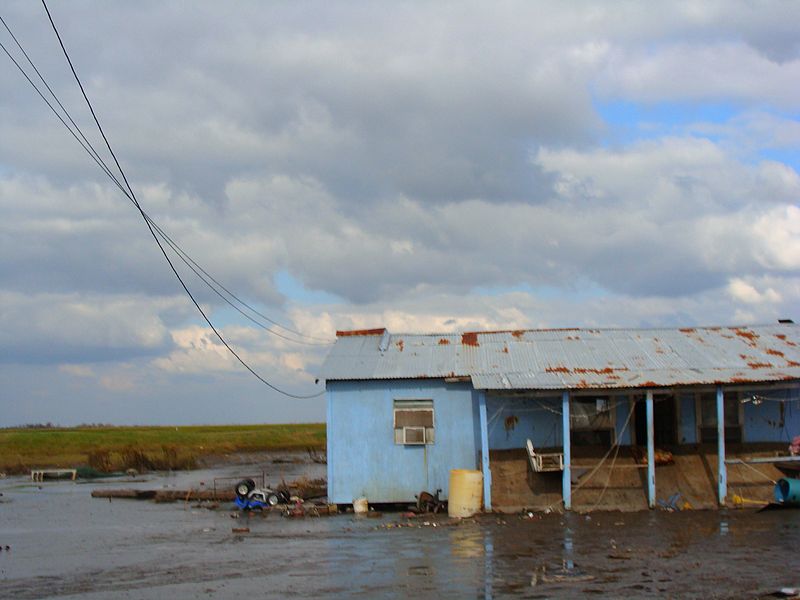
Ioane Teitiota, a man from Kiribata, filed for asylum to New Zealand last year and was rejected, and consequently deported, in September. He is in danger of inadequate fresh water and fragile sea walls flooding his low-lying home. He could have been the world’s first climate refugee, but his is just one story. There are about 20 million people from over 100 countries displaced in 2014 due to geophysical or weather related disasters, a number that was doubled in 2010. Even the United States, a major player in creating the climate disaster, is not immune. Just take the Isle of Jean Charles in southern Louisiana, which is sinking into the Gulf of Mexico.

Flooding on the Isle of Jean Charles in Louisiana in 2008,

a community that has now been evacuated, by Karen Apricot

This information focuses on what is currently happening, not to mention what could come to fruition given predictions about sea level rise and extreme weather by the end of the century. Numbers of climate refugees could get into the hundreds of millions even by 2050. The consequences will be global, though it comes as no surprise that developing nations will hurt the most. Even in the COP21 Paris Climate talks in November 2015 there was little focus on the issue. While the discussion appropriately focused on greenhouse gas emissions and reducing global temperatures, a cleaner world is inextricably linked to human justice. A right to homeland is a major concern.

The UNHCR, the United Nations Refugee agency, recognizes the threat and has an Advisory Group on Climate Change and Human Mobility though, frustratingly, the most recent news is from 2009. The Nansen Initiative, funded largely by Norway and Switzerland, is the most relevant and action-oriented organization advocating protection for displaced people due to climate change. The Environmental Justice Foundation (EJF) is also working to protect climate refugees and their human rights via their climate campaign.

The questions become: what will millions of people without access to food and clean water do and how will developed countries deal will mass migration estimated to be upwards of 25 million people? Foremost, the definition of a refugee needs to expand. In light of the the current situation it becomes strikingly clear that infrastructural and legal protection, even those recognized by international law, are not adequate for migrants. Basic human rights must be met for the refugees of today if we have any hope to deal with the refugees of the future.

The Living Stone: A Case of Religious Unfreedom in Guiyang, China

“The Light shines in the darkness, but the darkness has not overcome it.” John 1:5

Around the time of Advent in 2015 as many Christians around the world made preparations for Christmas, the Living Stone House Church in Guiyang city, the capital of Guiyang province located in the south-western region of the People’s Republic of China, had just underwent perhaps the most intense suppression that it has ever experienced since its establishment.

Four ministers established the house church Living Stone back in 2009. The Church would rent rooms in the city centre for worship purpose. Despite starting with only twenty members, the church grew steadily. By 2013 it had already gained 400 believers. By then, their usual meeting space was not big enough for the service anymore. The church had to purchase a bigger venue to meet for worship.

A cross in Beijing

Although the nature of the Living Stone is an underground church (which means it is not affiliated with the Chinese state controlled Three-Self Patriotic Movement, known as 三自教会in Mandarin). It is open to all people interested. They are also very open and transparent in terms of their elections and management of finances.

The Living Stone is not only a place for Christians to worship and participate in the Sunday service, but also a open family where members to support and love each other, to help growth in faith and offers spiritual and moral advice. In the middle of an impetuous city such as Guiyang, people may truly experience peace in their heart in the Living Stone.

The Chinese government, although it officially tolerates religion, demands all religious organisations be brought under the control of the Three Self Patriotic Movements. This forces all religious organisations to put love towards the party and the nation first and does not allow the religious organization to be under ‘foreign influence’ such as the Dalai Lama or the Vatican. Religious organsiations who refuse to conform to this policy are subjected to heavy persecutions and classified as ‘evil heretics’ (邪教).

The growth of the Living Stone attracted attention from the Chinese government, as they were not part of the Movement. The government has taken a few steps in attempt to both coerce leaders, pastors, and organisers of the Living Stone to affiliate with the Three-Self as well as imposing fear on parishioners and deter them from attending Living Stone’s church service. They were given the choice of either continuing their services, but submit themselves to the Three-Self Patriotic movement, or being forced to close down. From as early as 2013 they were sent warnings. For example, during Christmas services, the law enforcing authorities cut out their electricity and water supplies. Two baptisms had to be cut short because of that.

After the Living Stone purchased a larger gathering space in the town centre, the intensity of coercion from the government increased, perhaps due to the government’s increasing concern over the growth of the church. On the 8th of November 2015, during its normal Sunday worship, the government mobilized hundreds of police force including ambulances, police vehicles and special police force and surrounded the entire area as if they were facing the number one terrorist organisation. Despite the intimidation from the might of the state, the service continued.

After the intimidation, many of the pastors and organisers were brought for ‘chats’ and even house visits by the police authority in order to persuade and coercive them into joining the Three-Self movement. From the perspective of the Living Stone, the Three-Self Movenment is more like an extension of the Party control. Joining the Three-Self Movement would compromise not only the integrity of the church but also the nature of the church as Christian; hence they cannot accept the offer to join.

Guiyang, China

Failing to persuade the church leaders, the government started to extend their fear tactics to individual churchgoers. According to one of the interviewed church members, almost all of his friends who attend Living Stones church had received a phone call or a house visit from the government. Their close family members were also called by the police and asked to help persuade them to stop attending services, among them many elders who had lived through the period of political oppression during the Cultural Revolution and the 1989 political unrest. One of the elders was very frightened after being threatened by the government. The pastor Yang Hua called the police saying “You can’t bully old people anymore!”

The fear tactics are very frightening, especially to those who work at nationalized companies. Their financial security is really at risk if they kept attending church services. The government has the power to force their bosses to fire them on political grounds if they do not comply. Under those threats, indeed many people stopped attending services, however, the general number of people did not decrease following government intimidation, and the church kept growing.

Finally in December, the government’s patience ran thin. On ninth of December, the Department of Civil Affairs in Guiyang mobilized around three hundred police force and closed down three sites of the Living Stone gathering place. Two hundred believers were under house arrest. By twenty first of December, six of organisers and pastors of Living Stone were under arrest with trumped-up charges. Pastor Su’s request to meet with his lawyer was also declined.

Unfortunately the case of the Living Stone is not an isolated case in China. The intrinsic human right to freely practice one’s religious belief is suppressed across the country, not only for Christians but also for Muslims and Buddhists. One Living Stone blogger Yangdamei sends a powerful message in Our Belonging is Jail: without the protection freedom to practice religion, we fear that we would lose our bodily freedom when arrested. In fact when we are overwhelmed by fear, our soul is already imprisoned. Therefore, “If a government imprisons its citizens because they are Christians, imprisons people who cares about justice; perhaps the true belonging of Christians and people who have a sense of justice is jail.

The Swedish Language: Challenging the Traditional Gender Binary

In April 2015, Sweden made international headlines by including a third gender pronoun into the official dictionary of the Swedish language (SAOL). The gender-neutral ‘hen’, to be used alongside ‘han’ (he) and ‘hon’ (she), is used to refer to a person without revealing their gender, either as an anonymising tool when gender is unknown or irrelevant, or because a person wishes not to identify themselves within the traditional gender binary. The creation of a new, neutral pronoun where there previously was none carves out a place, linguistically and culturally, for individuals who were previously obscured by language.

The word ‘hen’ emerged within the queer community in Sweden at the turn of the century, but became the focus of a national debate in 2012, when the publication of a children’s book called Kivi och Monsterhund (Kivi and Monster-dog) by Jesper Lundqvist identified its protagonist as ‘hen’. A subsequent column (in Swedish) by Karin Milles in a prominent national newspaper celebrated the book and became the catalyst for intense societal debate about gender identities, the gender binary, and of ‘hen’ as a gender-neutral pronoun. The term was launched from obscurity, and quickly gained popularity. The Swedish Academy, announced its inclusion in SAOL in early 2015. In the face of huge media-attention, the editor-in chief of SAOL, Sven-Göran Malmgren, stated (in Swedish) that he was surprised by the quick breakthrough of ‘hen’, but that its frequent and widespread use earned it an “indisputable” place in the dictionary.

The heated debate over ‘hen’ of a few years ago now mainly exists in the comment sections of online articles and on social media. In print-media and in popular discourse, however, there seems to be little disagreement on the fact that ‘hen’ is here to stay. It is used frequently in daily newspapers and ad campaigns and has even been used in court rulings (in Swedish). ‘Hen’ no longer appears accompanied by an explanation for its use when it shows up in print-media, as was frequently the case when it first entered. The word, its definition, and by extension also the people who identify by using ‘hen’ are assumed to be understood by all readers. The gender-neutral pronoun has become a part of the Swedish national consciousness.

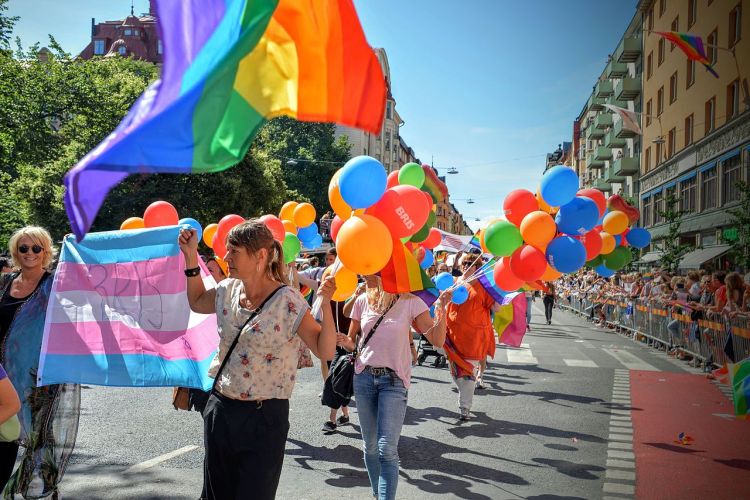
A flag promoting transgender rights during Stockholm Pride 2015 by Jonatan Svensson Glad

The wider implications of the gender-neutral pronoun are still unclear. Milles argues that the linguistic rejection of the gender binary is of symbolic importance, but it may also act as a catalyst for wider societal change. In the column that initiated the ‘hen’ revolution, she writes that “the manic and active differentiation of gender has negative consequences for both the individual and society, and a freer attitude without such strong gender indoctrination would lead to a better future. Inserting the word ‘hen’ into the language is part of that effort.”

Somewhat surprisingly, the Swedish openness to the gender neutral ‘hen’ has not been mirrored in its neighbouring countries (in Swedish). Although ‘hen’ has been debated in Norway to some success, the national council for language use has denied the term official recommendation, claiming it too controversial. In Denmark officials have likewise rejected the use of a third gender pronoun.

In English it is possible to identify a long list of pronouns to enter the public discourse alongside he and she. Inventive alternatives such as ‘xe’, ‘ze’, ‘e’ and ‘s/he’ have emerged and gained some limited traction. None seem to have stuck, for the simple reason, some have claimed, that “they look stupid.” While such comments do little to ease the challenges faced by the gender queer, they are indicative of the scepticism that runs through the pronoun debate. However, the last few years have seen the development of what might be deemed the most viable gender-neutral pronoun in English: the singular ‘they’.

The English ‘they’ and the Swedish ‘hen’ are, in a way, two sides of the same coin. They represent the two possible linguistic sourcing of a third gender pronoun. ‘Hen’ is a neologism, a new word altogether. ‘They’ is the repurposing of an already established word. For the Swedish, the route of the neologism has been successful – the gender-neutral hen has been well established within the discourse. In English, on the other hand, the reconfiguration of the singular ‘they’ is still causing much debate.

However, the repurposing of ‘they’ as a gender-neutral personal pronoun comes with its own difficulties. Singular ‘they’ goes against deep-rooted grammatical rules, which may work against its saturation into popular discourse. In a sense, it represents a linguistic appropriation of the plural they. Sceptics argue that while ‘they’ succeeds in its move away from gendered language, it results in a problem of linguistic ambiguity.

A symbol combining the male symbol, female symbol, and infinity sign

It is possible, though, that the opposition to singular ‘they’ is not grammatical or aesthetic, but ideational. Many still see the rejection of the gender binary as incomprehensible, and are therefore unlikely to support any additional pronouns no matter what they are.

Nonetheless, the limitations of traditional gender pronouns are being increasingly debated in most English-speaking countries. One surprising development has recently brought a lot of media attention to the issue: the American Dialect Society voted the pronoun ‘they’ the 2015 Word of the Year.

In a celebrated New York Times article, Amanda Hess writes – ‘if the intention behind a third gender pronoun is to break down the gender binary – ‘they’ ‘feels a little bit like a shortcut to acceptance. It represents a third option outside the binary, sure. But it doesn’t compel people to make mental room for a new word’. If Hess is looking for confirmation of the inadequacy of the gender binary, she might find just that in the success of the Swedish ‘hen.’

Third person pronouns have become an arena in which wider debates about gender and identity are being played out. The gender-neutral pronoun can carry implications that are of symbolic and real value to the people who choose to be identified by it. Whether ‘hen’, ‘they’, or ‘ze’, the official linguistic recognition of non-traditional pronouns can be a step towards a more open and accepting society where people of all genders, and indeed people of no gender, are respected and celebrated.

To learn more about how to use gender neutral pronouns in English, read this article.

Anders Breivik and Human Rights Behind Bars

On the 22nd of July, 2011, Anders Behrig Breivik killed eight people with a car bomb in Oslo before killing 69 people, mostly youth at a summer camp, on the island of Utøya. His motivation? Radical right-wing views and a desire to stop immigration and the “Marxist Islamic takeover of Europe.” He was sentenced to the maximum amount of time in prison allowed by Norway, 21 years, and is currently being held in Skien prison.

Now, he is suing the state of Norway for violating his human rights.

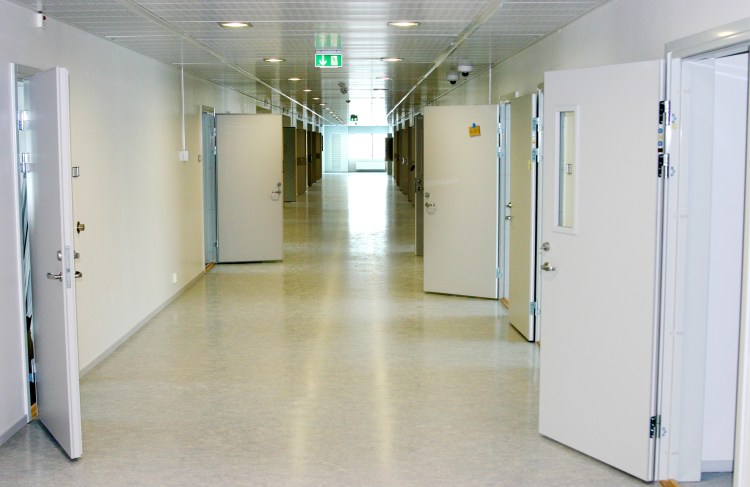
The interior of Halden prison in Norway, by the Ministry of Justice

Breivik has said that the conditions he is being kept in constitute inhumane treatment. He was allowed physical contact with just one visitor, his mother, before she died in 2013. His correspondence is censored. He has no access to the internet. He says he has been subjected to 885 strip searches since his arrest. He insists that the food he is given in prison is worse than waterboarding. Perhaps most important of all, however, are his complaints about being kept in solitary confinement.

A report by the Norwegian Centre for Human Rights on solitary confinement emphasized how harmful this treatment can be for prisoners by negatively impacting their psychological health, escalating aggression, and limiting their ability to be reintegrated into normal prison routines. The 2012 report finishes with the recommendation to review the legislation, practices, and control and review mechanisms relating to solitary confinement. The 2011 report on Norway by the European Committee for the Prevention of Torture and Inhuman or Degrading Treatment or Punishment said that 70% of prisoners subjected to solitary confinement had the treatment lifted within one month, and each case had detailed reasoning behind the decision to submit the prisoner to such measures. However, it also noted that three prisoners had been held in solitary confinement for over six months in 2010-2011.

In general, the Norwegian prison system is considered to be quite successful. Norway’s incarceration rate is 75 per 100,000 people, compared to 707 in the United States. The level of crime itself is fairly low, and Norway has a very low recidivism rate (the percentage of inmates who are rearrested within five years) at 20% to the United States’ 76.6%. Norwegian prisons focus mainly on rehabilitation with the full knowledge that almost all their prisoners will be out in society again soon, and that preparing them for that life is the best way to make sure they do not reoffend. The prisons themselves look more like university halls than jails with artwork, shared kitchens, and televisions. Breivik himself has access to three cells, a computer without internet access, a gaming console, books, a television, newspapers, puzzles, and the ability to study political science remotely at Oslo University.

Among his more serious assertions of psychological damage due to solitary confinement, Breivik has also complained that he has to eat microwaved meals and drink cold coffee, is denied the right to meet fellow Nazis, and is prevented from publishing two books about himself and his crimes. Perhaps most ridiculous of all, he asserts that his newfound enjoyment of reality TV show Paradise Hotel is “clear evidence of serious brain damage caused by isolation.” In many other states around the world, his treatment seems cushy, preferential even, and certainly does not seem to constitute ‘inhumane treatment.’ In Petak Island Prison in Russia, for instance, inmates are kept in small two-man cells for 22.5 hours per day and are all serving a minimum of 25 years. They are also only allowed two visits per year for the first ten years of their sentences. Iran’s infamous Evin Prison boasts solitary confinement in rooms with no bed, cells meant for six prisoners that are holding sixty, and documented cases of torture.

Oslo city just after the July 2011 bombing

However, the question is not whether Breivik is being treated inhumanely in comparison with other prisoners. The goal should not be to punish him by ensuring that he, like his fellow inmates in Evin or Petak, should be subjected to torture and psychologically damaging conditions. The goal should be to ensure that prisoners everywhere are allowed the same basic human rights within the criminal justice system as those outside it while serving their time. Though prisoners are, by nature, denied an element of their freedom, it is important to ensure that the time they spend in prison does not simply punish them for their crimes but rehabilitates them so that they may function normally in society when their sentence is completed.

The European Convention on Human Rights, which Breivik says Norway has violated in its treatment of him, prevents subjecting people “to torture or to inhuman or degrading treatment or punishment,” allows for the right to “respect for his private and family life, his home and his correspondence,” and holds that freedom of expression extends to the right to “receive and impart information and ideas without interference by public authority.” Though the Convention does allow for the state to infringe upon the last two rights in order to prevent disorder or crime, which arguably Breivik would be causing by disseminating his national socialist ideas, Breivik may indeed have a case against Norway for his treatment. Though the state’s lawyers continue to argue that his conditions fall within these guidelines, this raises important questions about how much a state may take away these rights when providing them would negatively impact others.

It is interesting to note that the opinions of the victims’ families have been divided, with some calling the lawsuit a joke. However, Reuters reports that one survivor, Bjoern Ihler, had this to say: “Breivik made us inhuman as victims of his actions and we’re in danger of falling into the same trap as him if we take away his human rights.”

Desperate Criminals: Seeking an Abortion in the Republic of Ireland

As the Republic of Ireland’s political parties meet for talks to establish a new government after the unsuccessful election in February, the most controversial topic is a referendum on the 8th Amendment to the Constitution. This amendment gives the life of the unborn the same rights as the life of the mother. The battle between pro-choice and pro-life campaigners has been a common theme in Ireland for many years. In recent years, however, new laws have been introduced to make abortion more accessible in certain circumstances, although the reception of these laws has been negative on both sides of the abortion debate.

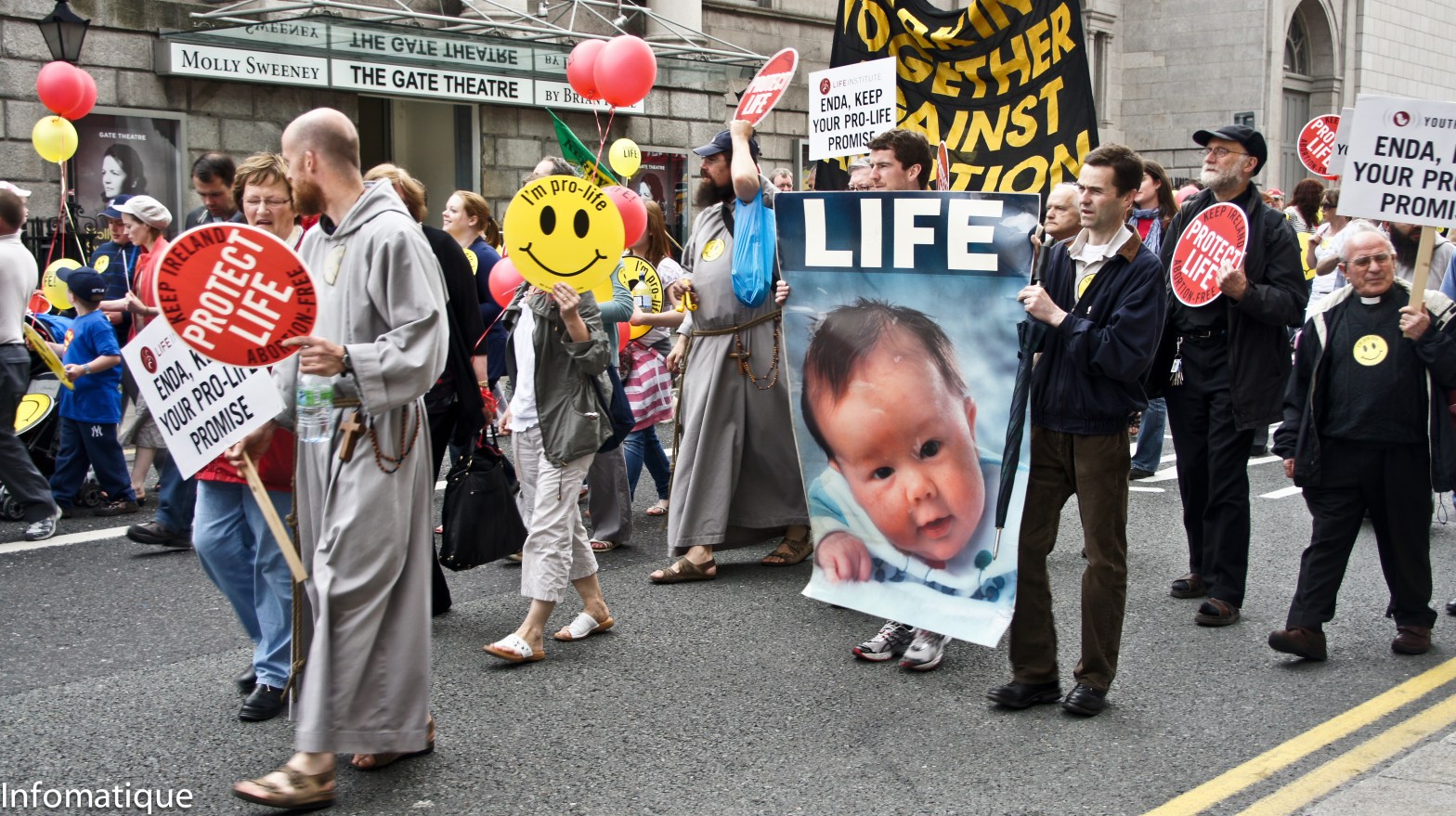
Annual Irish Rally for Life

The Protection of Life During Pregnancy Act 2013 sets out the circumstances in which abortion in Ireland is legal. These narrow circumstances address the physical and mental health of the pregnant woman seeking an abortion. The act allows a legal abortion to be performed only if the pregnancy endangers the life of the women either due to physical illness or suicide, making it a life or death issue. The practitioner who performs the abortion must be aware of “the need to preserve unborn human life as far as practicable,” meaning that that majority of the time the life and human rights of the pregnant women come second to that of the foetus. As the conditions for abortion are so restricted, pregnancies as a result of rape or incest have to be carried to full term. This also includes pregnancies where the baby has no chance of survival outside the womb. This is where the argument around legalising abortion gets complicated.

Ireland is a historically Catholic country and nowadays, more than 80% of the population identify as Catholic. This illustrates why the opposition against legalising abortion is so intense. The general Catholic attitude to abortion is that all life is sacred, meaning that abortion for any reason is inexcusable. However, there are also activists who believe that abortion in the case of rape or incest should be allowed, but not for unplanned pregnancies. On the opposite side of the debate are the pro-choice groups, who believe that women should be able to make decisions about their own bodies and pregnancies. The human rights of both the women and the foetus is a highly contested argument both for and against legalising abortion. The current legislation puts the mother’s rights second, denying her autonomy over her body. It is also argued that other options for unwanted pregnancy, such as adoption, deny the women her basic human rights.

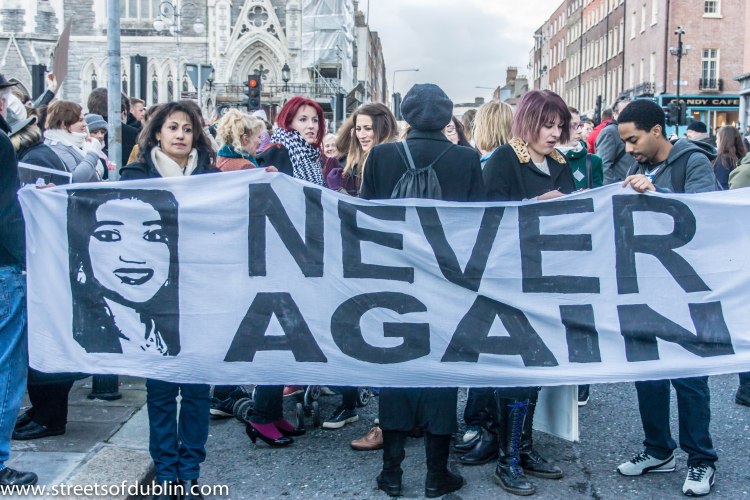
In 2012, before the introduction of the Protection of Life During Pregnancy Act, the death of Savita Halappanavar brought Irish abortion laws to public attention. After experiencing severe back pain and being admitted to hospital Savita asked the doctor for an abortion. This request was denied due to the laws against abortion despite her health deteriorating. She was told that as long as the foetus’ heartbeat remained she could not terminate the pregnancy. After she miscarried her condition continued to worsen and she passed away days after requesting the abortion. Savita’s death caused outrage in Ireland and the wider world, with multiple groups protesting the Irish government. Although the Protection of Life During Pregnancy Act was introduced a year later, pregnant women are still in desperate situations because they cannot legally have an abortion in Northern Ireland.

Protests after the death of Savita Halappanavar

For women who cannot receive an abortion due to the 2013 Act, the options available for terminating their pregnancy are to travel outside Ireland for an abortion or to purchase miscarriage-inducing pills. Amnesty International estimate that around 4,000 women travel to the United Kingdom from Ireland each year to receive an abortion. The 1995 Regulation of Information (Services Outside the State for Termination of Pregnancies) Act legalises this journey made by so many Irish women. Clinics in the United Kingdom are accustomed to those travelling to receive a termination and many charities give advice specifically for Irish women. This option is expensive and often a journey they have to make alone.

For other women their only option to terminate their pregnancy is to perform an abortion themselves. The most common route is by purchasing mifepristone and misoprostol, which when taken together induces an abortion. These can be purchased online easily and medical information is also readily available. Organisations such as Women on Web and Marie Stopes offer practical medical information for Irish women. Despite the access to medical advice online, these pills can have serious side effects, including excessive bleeding. In October 2015 the Abortion Pill Bus visited four towns across Ireland providing advice and information for women seeking abortions. Supported by the organisation For Reproductive Rights, against Oppression, Sexism and Austerity (ROSA) and Marie Stopes, the bus had a consultation room where women could speak to a doctor over skype. This allowed them to get more specific medical advice for their situation without fear of being reported to the authorities by an Irish doctor. Under Irish law this bus was illegal as it was distributing miscarriage pills, yet no arrests were made.

Ireland has some of the strictest abortion laws in Europe but progress looks to be on the horizon, with large human rights organisations such as Amnesty International and the United Nations putting pressure on Ireland to recognise the human right that women have over their own bodies. This also raises interesting questions about the relationship between church and state, showing the influence the Catholic church has in Ireland. Considering the history of abortion in Ireland, it is unlikely the debates around the topic will ever cease.

Counter-Terrorism: Intrusive, Inconvenient, Illegal or Necessary?

In light of the recent attacks in Paris and Brussels, there is an even greater need for governments, the European Union, and the United Nations to impose effective counter-terrorism measures. Arguably, the severity and intensity of these attacks has led to a popular demand to know what exactly is being done to prevent such attacks in the future. Fear is causing panic in a war on terror that seems to have no end in sight. While bodies such as the United Nations uphold the regulations of Human Rights Councils, surely the measures that must be taken to prevent the rise of violent extremism, namely increasing social surveillance and security measures, infringe upon some of the premises of the 1998 Human Rights Act. The question has become how much we are prepared to concede our Human Rights in order to win the war on terror.

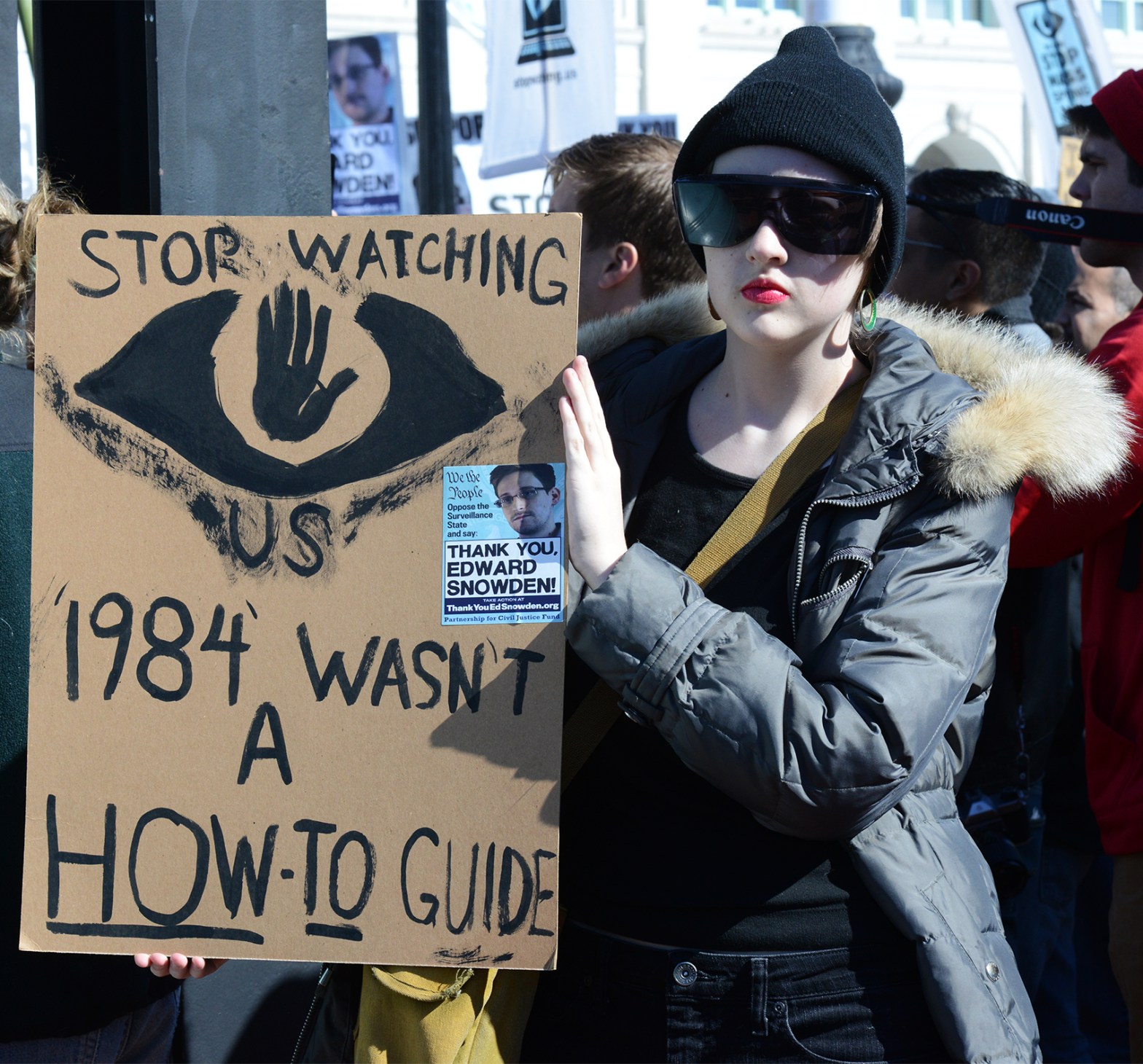
2013 DC Rally Against Mass Surveillance by Stephen Melkisethian

It is easy to conjure an Orwellian 1984 image of “Big Brother is watching you,” although there are legitimate issues regarding how far social surveillance can go in the aim of greater safety for all of us in the long run. Recently, the UN Human Rights Council has considered whether “initiatives to ‘counter and prevent violent extremism’ raise serious human rights concerns.” Primarily, they raise the issue of defining ‘violent extremism’ and not confusing this with terrorism. This is dangerous insofar as extreme measures may be sanctioned that are acceptable as a reaction to terrorism, but are potentially too severe for ‘violent extremism’ and thus abuse human rights. Violent extremists include animal rights or environmental activists; they are not terrorists, although they are still potentially dangerous. This level of violence may warrant a different method of counter-action. The Human Rights Council argues that Prevention of Violent Extremism (PVE) initiatives “have a significant potential to threaten the human rights to equality and freedom from discrimination, the right to privacy, and the freedoms of expression, association, and religion or belief.” Terrorists are, by definition, extremists; however extremists, though potentially violent, are not by default terrorists.

The right to privacy is probably the most debated element here, especially considering Edward Snowden’s leak of classified information from the NSA. Global reactions to this in 2013 were deafening. While it is a clear abuse of our human rights, it is possible to comprehend how, in an age of technology, internet surveillance may help recognise terrorist actions and the actions of violent extremists before they cause any harm. The grey area that has been exploited by the NSA and other non-government surveillance companies needs to be defined. Some surveillance is obviously essential, however the United Nations Global Counter-Terrorism Strategy of 2006 does not define the boundaries of this surveillance. Therefore, a new and comprehensive approach needs to be adopted and recognised. The Thirtieth Session of the United Nations Human Rights Council in 2015 reiterated that counter-terrorism measures should not be used as a ‘smoke-screen’ for any state to justify mass surveillance; human rights principles are a “prerequisite to any effective counter-terrorism response.”

Artwork by Banksy in London by Christophe Stoll

Another consideration following the mass outrage is that some members of society may feel that they are inconvenienced by methods of counter-terrorism efforts. Freedom of movement between countries is a particular example of this as it becomes increasingly regulated. We can all picture the rushed businessman cursing the backlog in airport security. Nonetheless, it is necessary to remember that this is for our protection; it is not an infringement on our human rights, but the defence of them. These forms of security measures are more important than ever reflecting on the specific places that were attacked in the Paris and Brussels attacks: concert halls, metro stations, the entrance of the airport. All of these are places without intrusive security measures. Did these attacks prove we need extensive security measures to be more common? If so, how is this to be carried out without hindering our modern way of living or abusing our human rights by increasing intrusive surveillance methods? These are only two possible factors among a myriad in counter-terrorism efforts, although they are perhaps the most controversial.

The issue appears to be that the government’s methods to secure our safety infringe upon our human rights. Terrorism itself deprives us of our most fundamental human right, the right to life. Perhaps no government, or any ruling body can contradict such malicious attempts without beating terrorists at their own game, so to speak. This seems an overly negative conclusion. Justly or not, the western world prides itself on its civility; this concept must be applied to how we treat counter-terrorism measures. Human rights should not be conceded in this battle. This does not make us powerless, although the search for a viable solution is a matter of drawn out debate, which is more and more pressing as the number of attacks continues to rocket.

Airport Security, Orlando Airport

One of the fundamental pillars of the United Nations Global Counter-Terrorism Strategy, which is coming up to its tenth anniversary this year, is to ensure that human rights laws are abided by when implementing counter-terrorism measures. And yet, when member states committed to tackling terrorist organisations such as ISIL via airstrikes, they knew that civilian casualties were possible and likely. The debate in the British Houses of Parliament on the 2nd December 2015 was a neat summary of the possible divisions on the issue. Clearly public safety and the security of troops are high priority, however, the actions are a definite human rights violation for the civilians who are ‘getting caught in the crossfire.’ It is a matter of conscience whether we personally agree or not with the use of air strikes as possibly the lesser of two evils, especially considering the egregious abuses of human rights that are employed by terrorist organisations. However, while these air strikes may be a breach of human rights laws and thus in a sense illegal, they are also accepted and necessary to a certain degree. Airstrikes, like intrusive surveillance and security measures, can push the boundaries of our human rights. However, we must ask ourselves: how safe would we feel without them?

For more information on the United Nation approach to counter-terrorism and how this affects human rights click here.

Unrecognized and Unassisted: The Struggle for Freedom in Tibet

Since 1950 when the People’s Republic of China (PRC) invaded Tibet and forced it to recognize Chinese rule, the Tibetan people have suffered numerous human rights violations. A US Department of State International Religious Freedom Report from 2014 pointed out that the Constitution of the People’s Republic of China states that citizens may enjoy ‘freedom of religious belief,’ but limits these protections to only ‘normal religious activities’ and does not define ‘normal.’ This wording has been used as China’s loophole to persecute Tibetans despite the promise that Tibet’s political system and Tibetan Buddhism would be protected.

In response to China’s failed promises, a monk-lead uprising began in June of 1956, lasting until 1959. Fearing the kidnapping or assassination of the Dalai Lama (the spiritual leader of Tibetan Buddhism) Tibetans surrounded the Potala Palace in Lhasa on March 10 to protest Chinese occupation and protect their spiritual leader, eventually securing a route for him to India where he would remain in exile.

The PRC has further devastated Tibetan life with its 2006 mass rehousing and relocation policy, aiming to build a new socialist countryside in the Tibetan Autonomous Region (TAR). Interviewed in 2013 by Human Rights Watch, locals claimed that they were not relocated or rehoused voluntarily. In addition, a 2015 report from Human Rights Watch stated that “Since 2006, over 2 million Tibetans, both farmer and herders, have been involuntarily ‘rehoused’- through government ordered renovation or construction of new houses – TAR; hundreds of thousands of nomadic herders in the eastern part of the Tibetan plateau have been relocated or settled in ‘New Socialist Villages.’” Another 115 page report documented extensive human rights violations, addressed the poor quality of the houses provided, and pointed out the disregard for autonomy rights supposedly guaranteed by Chinese law in Tibetan areas.

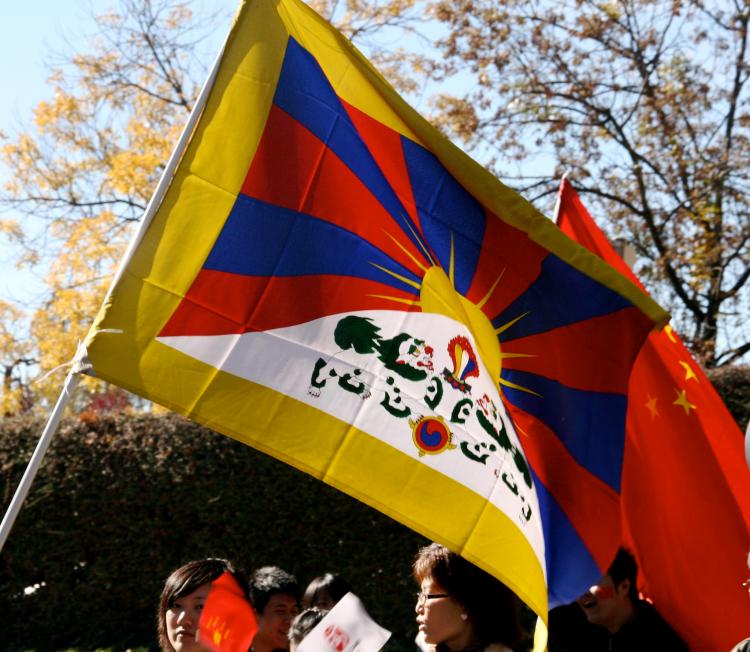
Tibetan national flag with Chinese flag behind it, by Michael Lieu

National Uprising Day is observed by Tibetans every year on March 10 to commemorate the Dalai Lama’s exile and their unsuccessful uprising against the Chinese. Chinese government repression is particularly severe during this time.

In response, more than 140 Tibetans have self-immolated in protest since 2009. Monks carried out most of the initial acts, but more and more Tibetan farmers and nomads are taking part. An 2014 report by International Campaign for Tibet claimed that since 2012 at least 11 Tibetans were sentenced to prison terms or death on ‘intentional homicide’ charges for allegedly ‘aiding’ or ‘inciting’ others to self-immolate. Punishments for those allegedly involved or those who have incited these self-immolation protests include imprisonment, heavy fines and restrictions of movement. This year, on February 29th in the Sichuan Province of China, an 18-year-old Tibetan monk died from self-immolation while protesting Chinese rule in Tibet. On the same day, in Dehradun, India, Tibetan student Dorjee Tsering committed the same act while shouting “Free Tibet.” He died three days later in a New Delhi hospital.

This year, the US think tank ‘Freedom House’ ranked Tibet among the 12 worst countries in the world for denial of freedom. Tibetans are under daily surveillance by Chinese government forces; the Tibetan flag and national anthem are banned and Tibetan Buddhism is seen as a threat to the Chinese state. People found in possession of images of the Dalai Lama or his teachings are imprisoned and tortured.

The on-going struggle for freedom of expression manifests in many ways. In 2012, the UN reported that a 17-year-old girl was severely beaten and sentenced to three years in prison for distributing flyers calling for the freedom of Tibet and the return of the Dalai Lama; others have been sentenced to up to seven years in prison for writing essays, making films or distributing photos of events in Tibet outside China. 84-year-old former Tibetan political prisoner, Gyaye Phunsok, died after ten years of house arrest at the end of last month. Phunsok was charged with engaging in separatist activity after Chinese police raided his home and seized a portrait of the Dalai Lama and a Tibetan history book. He was detained at age 68 in August of 1998 for two years, and was released in 2000 to be put under house arrest. Phunsok died due to poor health sustained from injuries during his more than two years of detention in Chabcha County of the Tibetan Autonomous Prefecture. This is a common experience for many political prisoners, who are “commonly subjected to prolonged incommunicado detention, subjected to beatings and torture, with increasing number of deaths in detention,” and many fail to recover from the physical and psychological damages.

The Potala Palace in Lhasa, Tibet, once the seat of the Dalai Lamas and the political center of Tibet, by Dennis Jarvis

The West has never acknowledged Tibet as an independent country – the goal of any attempt to improve life there is limited to the actual implementation of what is theoretically granted by the PRC Constitution. The EU has also expressed concern on the issue, but does not openly support freeing Tibet due to the fear of damaging relations with the Chinese government. Periods of tension in EU-Chinese relations correspond with the publicity of human rights abuses in Tibet and also the Dalai Lama European tours. Officially, all European governments acknowledge that Tibet is part of China. None have recognized the Tibet Government in Exile (TGIE). EU policy makers have not committed themselves to support more than autonomy for Tibet under China, rather they insist that Tibet should focus on China’s violation of human rights. However, the Chinese government generally ignores these international criticisms. The Dalai Lama has accepted Tibet as part of the PRC but “insists that Greater Tibet should become a self-governing political entity founded on a constitution that would grant Tibet Western-style democratic rights.” The PRC has dismissed this request as indirectly seeking independence.

In September 2013, the UN Human Rights Council (UNHRC) highlighted China’s abuses when China was seeking election to return as a member. Navi Pillay, the UN High Commissioner for Human Rights, urged China to address these alleged violations in Tibet back in 2012. Pillay called on the government to respect peaceful protest through assembly and expression and to release those who were detained for exercising those human rights. She also urged the Chinese government to allow independent and impartial monitors to assess the conditions in Tibet and to lift restrictions on media access to the region. As of November 2012, there were 12 outstanding requests for official visits to China by the UN Special Rapporteurs on various human rights issues.

If you would like to take action or get involved, you can support various Free Tibet campaigns here. You can also sign Unite for Tibet’s petition to urge world leaders to demand that China find a peaceful solution.