Cuba: A Model for Sustainable Agriculture

In 2006, the World Wildlife Fund identified Cuba as the only country in the world to achieve sustainable development. This was largely due to the great success of its agricultural sector. The Cuban state for the past quarter of a century has encouraged local production by small scale farmers, using sustainable strategies without chemical pesticides.

Some estimates argue that up to 60% of the fruit and vegetables consumed within Havana is grown in Havana by a large network of small-scale farmers. It is worth pausing for a second to consider how a city the size of Houston, Texas, is so agriculturally productive. In total, Cuba has 383,000 urban farms, covering 50,000 hectares of otherwise unused land and producing more than 1.5 million tons of vegetables. Thus Cuba’s small farmers, whilst only controlling 25% of the land, are producing 65% of its food. This is a model of food production that differs sharply from it neighbours in the Caribbean, such as the Dominican Republic, which grows and exports sugar to the United States, and imports staples such as soya beans.
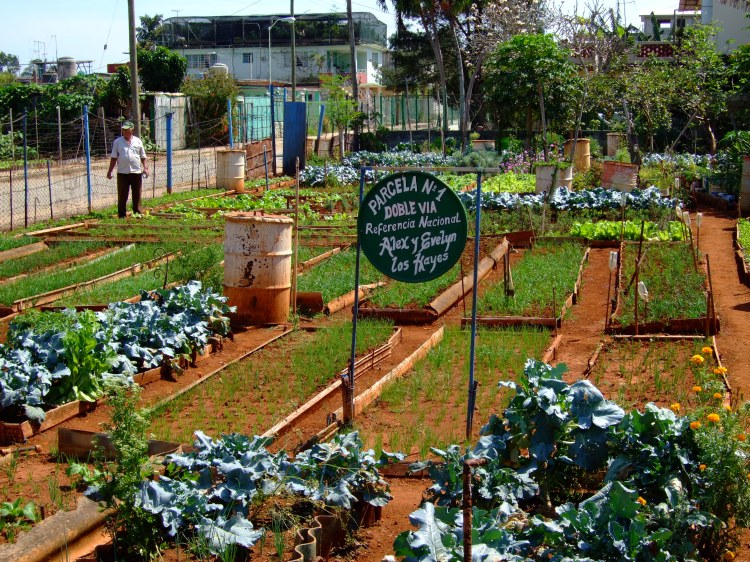
An urban agriculture business in a suburb of Havana, by Arnoud Joris Maaswinkel

It was not always this way. From 1959 until the mid 1990s Cuba engaged in a similar trading pattern as the Dominican Republic but instead with its communist ally, the USSR. The Cuban government devoted 30% of its agricultural land to sugarcane for the purposes of export, in return importing 57% of Cuba’s food supply. Importantly, it relied on importing tractors and large quantities of pesticides and fertiliser inputs. During this period, pests started to increase, and the land suffered soil erosion, compaction, salinization, high acidity, and lower fertility.

The collapse of the USSR hit Cuba hard, as it lost both generous subsidies and its main trading partner. It was no longer able to maintain all the Soviet tractors it owned, or even run them, as it lacked the oil. It didn’t produce fertilisers or pesticides of its own. Most importantly, 57% of its food supply just dried up in a few short years. The United Nations Food and Agriculture Organisation estimated that calorie intake plunged from 2,600 a head in the late 1980s to between 1,000 and 1,500 by 1993. In other words, Cuba only had half the food it used to.

The response by the government was radical. Land was switched from producing crops for export to producing food for domestic consumption. They decentralised, dismantling inefficient state farms and encouraging farmers to work in local collectives. Integrated pest management, crop rotation, composting, and soil conservation were implemented as farmers became experts in worm composting and biopesticides. Furthermore, the Ministry of Agriculture established urban gardens and small-scale urban farming so that by 1995, there were 25,000 allotments farmed by families and small groups. From this period of crisis, Cuba’s food system managed to emerge even stronger than it had been before. In 2007, Cuba’s average daily per capita dietary energy supply was over 3,200 kcal, the highest of all Latin American and Caribbean nations and higher than the 2,600 it had been in the late 1980s. The most productive urban farms in Cuba yield up to 20 kg of food per square meter, the highest rate in the world, and they manage this without any synthetic chemicals.

Given the success of the Cuban experiment, it seems that other countries could learn lessons from it, notably those who are suffering from food shortages, as Cuba was in the early 1990’s. The most obvious candidates would be Cuba’s neighbours, such as Haiti, the Dominican Republic and Nicaragua, all who suffer much higher rates of undernourishment of their populations than Cuba.

The right to food is one of the most basic human rights a state can provide. It underpins the right to life, the right to a livelihood, the right to an adequate standard of living, and so on and so forth. This is why it is part of Article 25 of the Universal Declaration of Human Rights and also why it was included as one of the eight Millennium Development Goals, the first being the eradication of extreme poverty and hunger. The successor to the Millennium Development Goals, the Sustainable Development Goals, simply stated zero hunger. Yet despite this, the right to food is often forgotten in human rights discourse. Topics such as slavery, refugees, or female genital mutilation take centre stage. They are shocking, violent, and dramatic, demanding the attention of the media, politicians, and the public. However it is not always helpful to think of human rights in these terms, as some of the most important rights are as mundane and banal as food production.

Cuba may not just be the model for the global south though, it may also be the model for the global north as well. The world’s population is predicted to rise to 9.7 billion by 2050, with 70% of those people predicted to live and work in urban areas. The question hangs over us: how will we feed all those people? For many the answer lies in the Green Revolution, which was a set of initiatives that were put in place from the 1930s up until the 1960s, which focused upon technological responses. This meant planting high-yield crops, mechanisation, and the mass use of pesticides. Whilst it was highly effective in increasing the level of food production in many countries, notably in less economically developed regions, it also produced some notable downsides. It increased greenhouse gases, its methods were non-renewable, the high use of pesticides had health effects on local populations, it reduced both biodiversity and the quality of many people’s diets, and whilst it increased food production, this did not always mean it increased food security due to the economic and social systems in place. As we are aware of these problems, we could try and update the Green Revolution for the 21st century. However, Cuba is an intriguing example, which points us in another direction in which we can meet the dietary demands of the coming century. Most interesting is the focus on urban agriculture, which has to be one of the responses in more urbanised parts of the world. It expands the amount of land which can be potentially used for agriculture, it shortens the supply chain, reducing the resources used on shipping produce across the globe and increasing food security in these urban areas, which are normally the worst affected when food shortages occur.

Cuba was forced to think rapidly and forced to adapt in the 1990s by the collapse of the Soviet Union. The rest of the world was not. However, the lessons learned from Cuba should be taken on board by other countries sooner rather than later, so that they can more effectively provide for their citizens, and help prepare for whatever the future may throw at them.

Mixed Messages and Crossed Wires: Human Rights Promotion in Central Asia

Non-Governmental Organizations (NGOs) in Central Asia have long been regarded as a vital part of the democratisation of the region. Central Asian governments have recently introduced a series of laws constricting the space in which local NGOs can operate, but how effective has international support really been?

Since suddenly and unexpectedly coming to independence in 1991, all five of the former Soviet Republics of Central Asia have seen the retrenchment of authoritarian rule. While there is variation – Kyrgyzstan has long been more open and free than most of its neighbours, while Turkmenistan and Uzbekistan rank among the world’s most repressive countries – none of the ‘Stans’ can boast a good human rights record. Despite some initially promising developments, hopes that the end of Cold War would herald a wave of democratisation in Central Asia proved unfounded.

A recent wave of restrictions on ‘civic space’ – the ability to exercise freedom of expression and association – seemed to confirm this pessimism as Central Asian regimes have implemented new laws to curtail NGO action and the ability to protest. In 2014, Tajikistan implemented a new law requiring prior permission for protests, in effect affording veto power to the government. Similar permission is also required in Kazakhstan, while Turkmenistan has long since forced any kind of independent civil society underground. In May this year, the Parliament of Kyrgyzstan surprised many by voting down a bill modelled on Russian legislation that has decimated NGO activity by introducing burdensome legal requirements on organisations that receive foreign funding. However, despite this glimmer of hope, the trend of escalating anti-LGBT violence seen in Russia has also been mirrored in Kyrgyzstan.

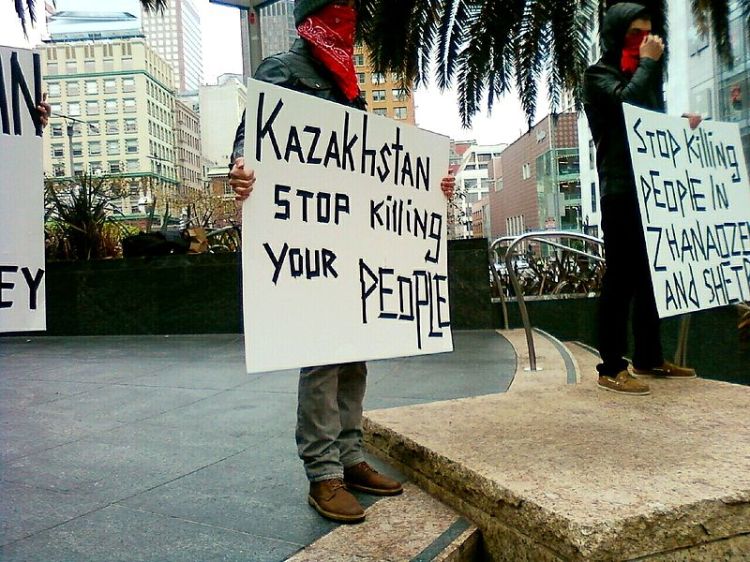
Demonstrators in San Francisco protesting the government of Kazakhstan’s response to the 2011 Mangystau riots

This is concerning for human rights reasons, and because civil society has long been seen as a cornerstone of the transition to democracy. After Central Asian independence, international funding to promote human rights and civil society flooded in. In the two decades following independence, the European Union allocated over 2.1 billion euros to Central Asia, most of which went to Kazakhstan, Tajikistan, and Kyrgyzstan. American investment is also impressive, with organisations such as USAID and the Soros Foundation making considerable donations. For Kyrgyzstan and Tajikistan – which lack the oil and gas reserves of their neighbours – foreign aid is a significant proportion of state budgets, and in an economically deprived region with a total population of less than 70 million people, this is a huge sum of money. Much of this aid came with the stated aim of aiding rule of law and democratic transition. Why, then, is Central Asia seeing this ‘backslide’ to authoritarianism?

One reason is the mixed aims and half-measures taken by Western governments to human rights abuses by Central Asian governments. The war in Afghanistan relied on air bases in Uzbekistan and Kyrgyzstan for logistical support, and Central Asian gas is seen by the EU as a potential alternative to reliance on imports from Russia. This led Western governments to human rights abuses for the sake of stability and support for the War on Terror, a phrase that has gone a long way to legitimise repressive policies in Central Asia and Western China. As the years went on after Central Asian independence, military assistance made up more and more of the aid sent from the USA to Central Asia as time went on during the late 1990s and early 2000s. Following the Andijan massacre in Uzbekistan, in which security services fired on protesters killing over 180, European governments did implement sanctions. However, the German government later pushed to have them overturned, in effect choosing its air bases in Uzbekistan over human rights. This partnership not only legitimised Karimov’s government on an the international stage, but also saw huge sums of money go straight to the government. In December 2011 in Kazakhstan, at least 16 people were killed in clashes between striking oil workers and security forces in the oil town of Zhanaozen, when protesters’ demands turned from working conditions to political reform. The workers’ trade union put the death toll at over 50. Support for Central Asian activists can only do so much when EU governments demonstrate repeatedly that there are no real consequences for human rights abuses.

A further reason is the role of international finance in the ability of elites to appropriate their countries’ wealth, facilitated by offshore financial vessels, which are often administered by the same countries that claim to stand for human rights and democracy. Corrupt elites are nothing new, but globalisation has meant that potential destinations for dirty money have proliferated. Removal of legal – as well as illegal – money from the country means that even before taking corruption into account, the funds available for socio-economic development in Central Asia are greatly diminished. Western complicity in this system means that the inflow of aid money is a trickle compared to the flood that leaves Central Asia each year. The Turkmenistan Stabilisation Fund – a sovereign wealth fund worth that props up one of the world’s most tyrannical regimes – is administered by Deutsche Bank with virtually no transparency. Gulnara Karimova, daughter of Uzbekistan’s recently-deceased president Islam Karimov, allegedly received more than $1 billion from a Norwegian telecoms firm in exchange for access to Uzbek markets.

Another reason can be found in the failure of ‘democracy promotion’ efforts themselves to address underlying problems in Central Asian regimes. Aid has too often been short-term and aimed at things that are easily measured but not necessarily important, while the overwhelming presence of large amounts of NGO money in relatively small economies can have a distorting effect that damages the long-term viability of the very causes that the NGOs are trying to promote. Mariya Omelicheva argues that foreign attempts to create ‘civil society’ in Central Asia have failed or been unable to appreciate the cultural changes that democracy in the region requires and the long term nature of these changes. A campaign to improve turnout at an election achieves little in a system engineered not to produce structural change, while legitimising regimes that can point to ‘façade’ elections as signs of progress. Clumsy NGO intervention in Southern Kyrgyzstan to try and ease tensions after ethnic violence broke out in 2010 was reportedly seen by many local Kyrgyz as favouring minority Uzbeks, further exacerbating divisions between communities. Furthermore, ‘democracy’ is not a universal concept. The assumption that democracy is conducive to a successful state is not shared by Russia and China, and emphasis on economic growth and stability finds more resonance with both Central Asian leaders and much of its population.

For the time being, the outlook for human rights looks bleak. Kyrgyzstan’s parliamentary vote in favour of allowing NGOs to operate as they have been shows the leverage that international opinion can have in a country so heavily reliant on international donors. This is much less the case in resource-rich Uzbekistan and Turkmenistan, where it is clear that geopolitics trumps human rights in EU and US foreign policies. Even in Tajikistan, where the state budget is heavily dependent on international organisations, President Rakhmonov has been becoming steadily more authoritarian. China’s new foreign policy of huge infrastructure investments in Central Asia could see tens of billions of dollars flowing into the region with far fewer strings attached than EU and US aid. Nevertheless, the West remains home to the world’s largest markets and most important financial institutions, and could still have significant leverage on human rights issues in Central Asia and across the world. Whether it will choose to use it is another question.

Prioritising Life: Media Bias in Times of Crisis

With news being broadcast 24 hours a day, and the ability to access the news from any location via mobile phones, we have the capacity to be better informed than we have ever been. However, there is a gross bias in the media which inhibits this ability. While some humanitarian disasters – both human and natural – are widely reported and receive media coverage and support, others receive woefully little coverage.

Media coverage has the capacity to have a positive impact on the aftermath of a humanitarian crisis. It can lead to increased aid from the public in the shape of donations and from governments around the world. Furthermore, it can force the hand of policy makers to pledge humanitarian aid, and can restrain actors who would make the situation worse by making them aware that the whole world is watching, and is capable of casting them in an extremely negative light. All of these things can aid in the aftermath of crises, and so for there to be a bias in what gets reported there must be a prioritising of which people are the worthiest. This prioritising would appear to put the right to life of some above the right to life of others. This is, quite simply, not morally permissible.

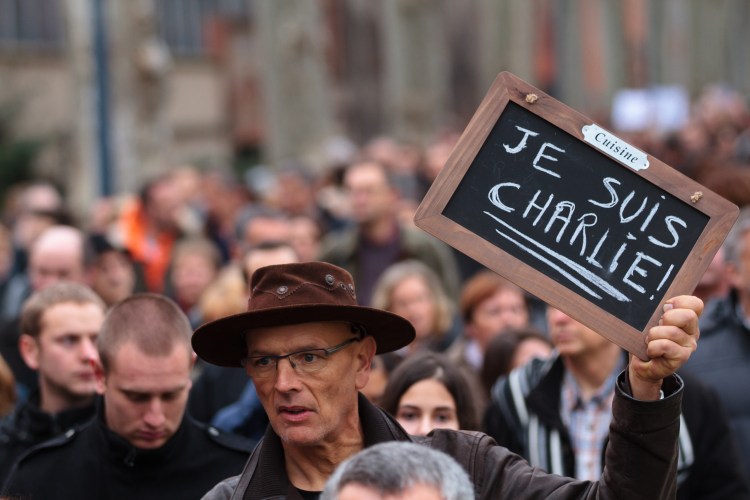
An example of this media bias can be found in the Charlie Hebdo attacks which took place on the 7th of January 2015. While this attack was reported with outrage around the world, the mass killings that occurred on the 3rd of January 2015 in Nigeria were largely ignored. The reports of this attack, carried out by Boko Haram, were so few and far between that there is not even any clear consensus on how many were killed, with estimates ranging from 150 to 2,000 men, women, and children.

One of many demonstrations to show support for France after the Charlie Hebdo attacks.

Furthermore, many stories that have come out of Africa have focused on the Ebola outbreak. While this was a major crisis, it also served to erase conflicts such as the one in the Central African Republic, which led to the deaths of 5,000 people in less than a year. John Ging, the director of the United Nations Office for the Coordination of Humanitarian Affairs, has stated “the elements are there, the seeds are there, for a genocide.” For this barbarity to be allowed to go unreported was to suggest that this near genocide was permissible. Moreover, there has been an implication that the sole reason that the Ebola outbreak attracted so much media attention was due to the possibility that it may spread to Western countries. This not only highlights the bias in media, but shows the double standards when it comes to protecting the right to life.

The fact that these atrocities are not reported has led to Virgil Hawkins calling them “stealth conflicts.” A stealth conflict is a conflict which has never received proper media coverage, and so attention has never been drawn to it. These injustices and humanitarian crises are prime examples of media bias, the West’s blinkered perspective, and the double standards that occur when it comes to protecting the right to life.

Perhaps one of the most shocking aspects of media bias is that a humanitarian crisis is more likely to be reported if it is ‘dramatic.’ This means that a disaster is more likely to be reported in the news if it involves explosions of the sort that we would see in a Hollywood blockbuster. Rather ominously, this indicates that the destruction of people’s lives is something for the entertainment of the West. Moreover, often humanitarian crises are overlooked for being ‘boring’ or ‘repetitive.’ This is a disturbing thought in itself. The idea that an entire population starving to death may not be reported simply because it is not sensational enough or unique enough is truly horrific. It implies that we only care about loss of life when it is an interesting situation, or when it is so out of the ordinary as to be seen as abhorrent enough to be publicised.

In addition to this sensationalism of death, some have said that the public needs to have some connection to the people involved in these atrocities in order for them to care. This is an idea which has been posited by Nick Harvey, who states that Western media cares more about conflicts when they are closer to home. It is emphasised that humanitarian crises which happen in Africa are ‘too far away,’ happening to people who are “too different, living in countries that are simply not important enough.” This is a sentiment which is echoed by many. The implication is that the higher the standing of the people that are affected, and the closer to the West they are, the more coverage they will receive. This can be evidenced in the aforementioned Charlie Hebdo attacks and the Boko Haram attacks in Baga, Nigeria. While each were equally deserving of media attention, one went almost completely unnoticed and the other caused outrage. We can therefore surmise that there is an element of prioritisation of life within media coverage. This is completely unacceptable and suggests that the right to life is not properly protected.

We can build on this idea by bringing race into the debate. Even when reporting on humanitarian crises in far flung countries, the focus is often on Western characters such as American or British people who have become caught up in the conflicts and disasters. This has been remarked upon by the Human Rights Watch’s Emergency Director, Peter Bouckaert. The idea that simply by having an American or a British person involved transforms a previously unimportant humanitarian crisis into a newsworthy occurrence is incredibly ominous.

This debate over prioritising lives was brought to a head upon the implementation of the Facebook safety feature. While the feature was not turned on for countless attacks in Africa or the Middle East, it was turned on for attacks in Paris and other subsequent attacks in European countries. Up until the 13th of November 2015, the safety feature had only ever been utilised for natural disasters. Many have questioned why the feature was not activated for the bombings in Beirut which had happened the day before the attacks in Paris. Mark Zuckerburg replied that Facebook “plan to activate Safety Check for more human disasters going forward.” However, the majority of events which have caused the safety feature to be switched on have occurred in Europe. With around 146,637,000 Facebook users in Africa, this is a shocking bias. This issue is further debated with regards to profile picture filters which are used to show solidarity with those who have been affected. While there have been filters for Western countries, there have been very few for any other countries which have been affected by crises. This is yet another example of the media prioritising Western lives over the lives of other nationalities. This is simply unacceptable.

Terrified of Trump? Imagine Being Iranian Right Now

Donald Trump’s victory in the US elections has terrified many within the United States; economists fear his business incompetence and cavalier attitude to borrowing and debt obligations; Hispanic-Americans fear stigmatisation and deportation; the African-American and Muslim communities have already experienced vicious attacks against them; LGBT suicide hotlines have seen a huge spike in calls; and women fear that Trump’s rampant misogyny (not to mention the simple fact that a man with multiple sexual abuse accusations – including the rape of a child – has become president) will embolden abusive men across the country.

However, the group of people who have perhaps the most to fear do not reside in the United States. The Trump victory has the potential to smash the delicate balance of relations between the US and the Islamic Republic of Iran, a nation home to over 77 million people.

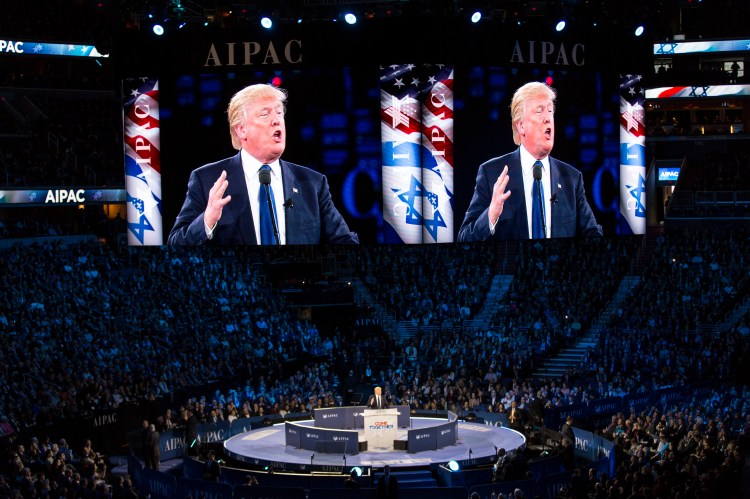
Donald Trump addresses the American Israeli Public Affairs Committee (AIPAC) in March, by Lorie Shaull

The history of relations between the US and Iran has always been tense. Tensions rose to perhaps their highest under the George W. Bush administration, when plans for an invasion were only called off after Hezbollah’s successful resistance against the technologically superior Israeli Defence Forces in the 2006 Arab-Israeli war (for more details, check out David Hirst’s Beware of Small States). However, the story of the last few years has been one of diplomacy and negotiation, culminating in the July 2015 nuclear deal. Under the terms of the deal Iran was forced to allow snap International Atomic Energy Agency (IAEA) inspections of all its nuclear facilities, as well as negotiated access to even its most top-secret military sites. It also has conceded to freezing all its civilian nuclear development for at least a decade, and abiding by the UN arms embargo on it for another five years.

In return, sanctions were lifted on Iran and the country had over $100 billion of its own assets returned to it, which had been frozen in foreign accounts. However, the bigger implied benefit to Iran was the promise of peace, with the Obama administration regarding the diplomatic deal, rather than a military intervention, among its greatest foreign policy achievements.

However, as Trump’s own professional history has shown, for some people, deals were made to be broken.

The announcement of the Iran deal was immediately met in the US with condemnation from the Obama administration’s opponents. Not a single one of the seventeen original contenders for the Republican nomination (remember Jim Gilmore? No, neither does anyone) supported the deal and most condemned it in strong terms, pitching it as a concession to the Iranians that “endangered US safety and security” in the words of Ted Cruz. Trump himself said, in classic Trumpian style, that the deal was a “bad deal” and that he would get a “much better” one. In another characteristic move, he declined to describe precisely how his deal would be better. Maybe he would make it out of gold.

Beyond mere rhetoric, President-Elect Trump has a history of unconventional decision-making when it comes to negotiation, to say the least. During one of his many, many bankruptcies, Trump allegedly stormed out of negotiations in a fury after rejecting a proposed compromise, simply because it had not been him who thought up the deal. By the way, this is no dubious smear on the man, the report comes from Trump’s own legal team. Trump has promised to bring his business acumen to the White House, and if he brings his attitude to deal-making, the years of negotiations that led to the Iran deal could have been pointless.

The Republican Party has not suggested a peaceful alternative to the Iran deal. Arkansas Senator Tom Cotton was the deal’s main detractor, drafting a famous open letter from Senate Republicans to Iranian leaders, describing how a Republican executive could reverse the agreement. His idea of an alternative to the deal is “Something more along the lines of what President Clinton did in December 1998 during Operation Desert Fox. Several days [of] air and naval bombing against Iraq’s weapons of mass destruction facilities.”

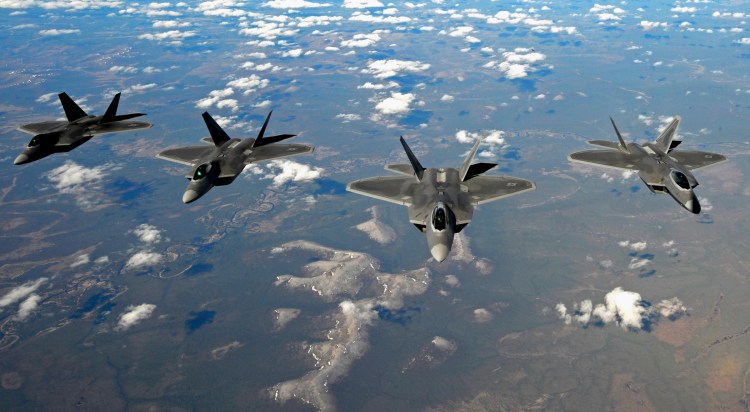
Republicans have proposed air strikes on Iranian facilities

Cotton has also talked about bombing Iran’s nuclear facilities “back to day zero.” Opponents of the GOP immediately pointed out the flaws in Cotton’s simplistic narrative; Iran is immensely stronger today than Iraq was during the Clinton Administration, with the ability to retaliate against American targets with its own military and through its proxies throughout the Middle East and beyond. They also point out that US relations with the Saddam Hussein regime did not culminate in the bombings in 1998. Instead, in 2003 the George W. Bush administration launched the invasion of Iraq – ostensibly to neutralise the risk of weapons of mass destruction – which has so far cost almost 4,500 American lives, and over 30,000 wounded.

Tom Cotton is among those tipped to be part of the Trump administration. When asked about the Senator in the summer, Trump said “I’ve gotten very good, you know, very good statements from Senator Cotton, whose parents I know and met. I think he is a very talented guy. He’s also a very popular, a very popular person. So…[he is] high on the list for something at least. That I can tell you.” This level of incoherence is only one of the issues facing Iranian experts trying to predict the future direction of American policy.

Other prominent tips for Trump’s cabinet should send Iranian leaders into a panic. Top neoconservative John Bolton is a favourite for the position of Secretary of State. Bolton used his role as an official in the Bush State Department to push for the Iraq War, falsely claiming that the Hussein regime were developing nuclear weapons. Bolton insists to this day that “the decision to overthrow Saddam was correct.”

One potential candidate for the Department of Defence (or potentially National Security Advisor) is retired general Michael Flynn. Flynn retired early from his post in the Defence Intelligence Agency (DIA) in April 2014 amid claims that his leadership was “chaotic and disruptive.” During the election campaign, Flynn publically stated that the world needed to fear America’s might. He also wrote a book describing Islam as “a cancer.” hardly good news for the Islamic Republic of Iran.

Perhaps the worst potential pick, from the Iranian perspective, is the man expected to become head of the CIA, Jose Rodriguez. Rodriguez actually has experience dealing with Iran, although not the sort he’d put on a resumé; he was investigated by the FBI in the aftermath of the Iran-Contra scandal of the 1980s. He played a direct role in the torture programme of the Bush administration, and was also responsible for the destruction of evidence documenting the torture of detainees. The CIA’s torture programme never led to any actionable intelligence, and was lied about by CIA officials; nevertheless, Rodriguez remains unapologetic of his role in the programme. Given how intrinsic the ‘evidence’ given by detainees was in the run-up to the Iraq invasion, Iranians must be fearful that a reboot of the torture programme will inevitably lead to ‘evidence’ vindicating a war against Iran.

There is no real way out of this conundrum for Iran; they made a deal with the USA and the world powers in which they gave enormous concessions, but it according to America’s next president even that wasn’t good enough. Iran is caught between a rock and a hard place. If it does nothing now, it will have little defence if the US attacks it; but any preparation for war will be taken as aggression and an excuse that may bring war on its own.

2,000 Murders: Duterte’s War on Drugs

Since the violent and bloody war on drugs began in the Philippines, nearly 2,000 people have been murdered, with the full support and encouragement of President Rodrigo Duterte. During his campaign the President vowed that 100,000 criminals, not only drug dealers, would die within the first half of his first year as president. Further campaign rhetoric includes his pledge to “fill Manila Bay with the bodies of thousands of executed suspected criminals.” Since his election, he has likened himself to Adolf Hitler, saying he would be “happy to slaughter” drug addicts. In past speeches, Duterte has encouraged private citizens to murder drug dealers and claimed that the murder of those involved in drugs was legal as long as it was in self self-defence. Peter Laviña, Duterte’s Deputy Cabinet Secretary, claimed that these comments were not intended as factual, claiming, “We say things differently in our own culture, and in our own context.” He proceeded to defend Duterte by claiming “the president’s way of saying things is very unique. The only way you deal with criminals in [this] case is to be tough against them.” This campaign is not merely ‘tough’ but a human rights violation on a massive scale. Duterte is perusing drug dealers specifically, threatening them by saying “Do not destroy my country, because I will kill you.” He has also used extremely callous rhetoric in his speeches, such as “Do the lives of 10 of these criminals really matter? If I am the one facing all this grief, would 100 lives of these idiots mean anything to me?” Implying a lack of moral compass or empathy for his citizens. Duterte has further described the widespread use of drugs as a “pandemic” sweeping the Philippines.

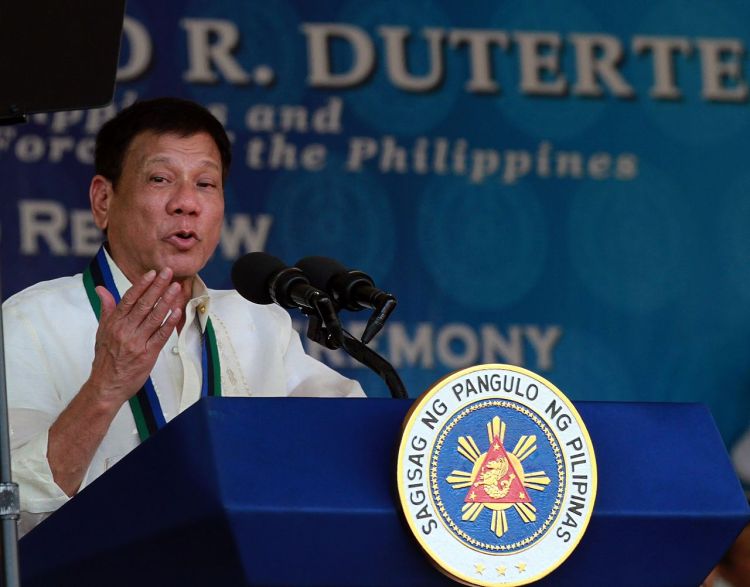
President Duterte delivering a speech during the turnover rites of the Armed Forces of the Philippines

Duterte’s death squads threaten only individuals who participate in the problem at its lowest level, the dealers and the users. At the head of the production and distribution racket are police generals, judges, and high-ranking public officials. Officially, the police have killed 756 people. The government claims that the victims were ‘resisting arrest,’ but this does not explain the bodies found in the poorest parts of the capital city with signs claiming their deaths were because of their involvement in drugs next to them. There are reports of masked gunmen and hired killing squads who have gone free after the murder of criminals. The Deputy Asia Director of Human Rights Watch, Phelim Kine, has described this as “nothing less than an utter human rights catastrophe that’s underway in the Philippines.” Human Rights Watch has a higher figure of the death toll than the BBC, claiming the deaths of 5,000 people have occurred since June 30th, 2016.

It is not in dispute that the Philippines have a large problem with the criminal manufacture and use of crystal meth, an amphetamine known as ‘shabu’ in the Philippines. It is an incredibly addictive drug that is inexpensive to produce. Its use is common especially by poor individuals who live in the slums of Manila and work in manual labor for long hours. The cost of Shabu is only 1,000 Philippine pesos per gram, or £16. This price combined with the industrial labs used for the production of the drug by the ton fosters a large problem, which is then exported throughout Asia.

A senate joint inquiry, led by Senator Leila de Lima, has been formed to investigate the dramatically increased homicide rate. It is hearing from officials and from family members of those murdered. Already two former policy officers have been charged with murder after the Philippines Commission on Human Rights negated the claim that an individual attempted to snatch one of their guns. One Senator claimed that the sheer number of those killed was “alarming” and had “a chilling effect.” In a statement to the senate, Police Director-General dela Rosa claimed that no policy directing the killing of those who abused or sold drug existed. He also defended the police, saying they are “not butchers.” He also claimed that the senate was investigating 40 non-drug related deaths that were attributed to robberies and domestic deputes. Three hundred police officers are suspected of involvement in the drug trade and have been threatened with removal from the force and prison if convicted.

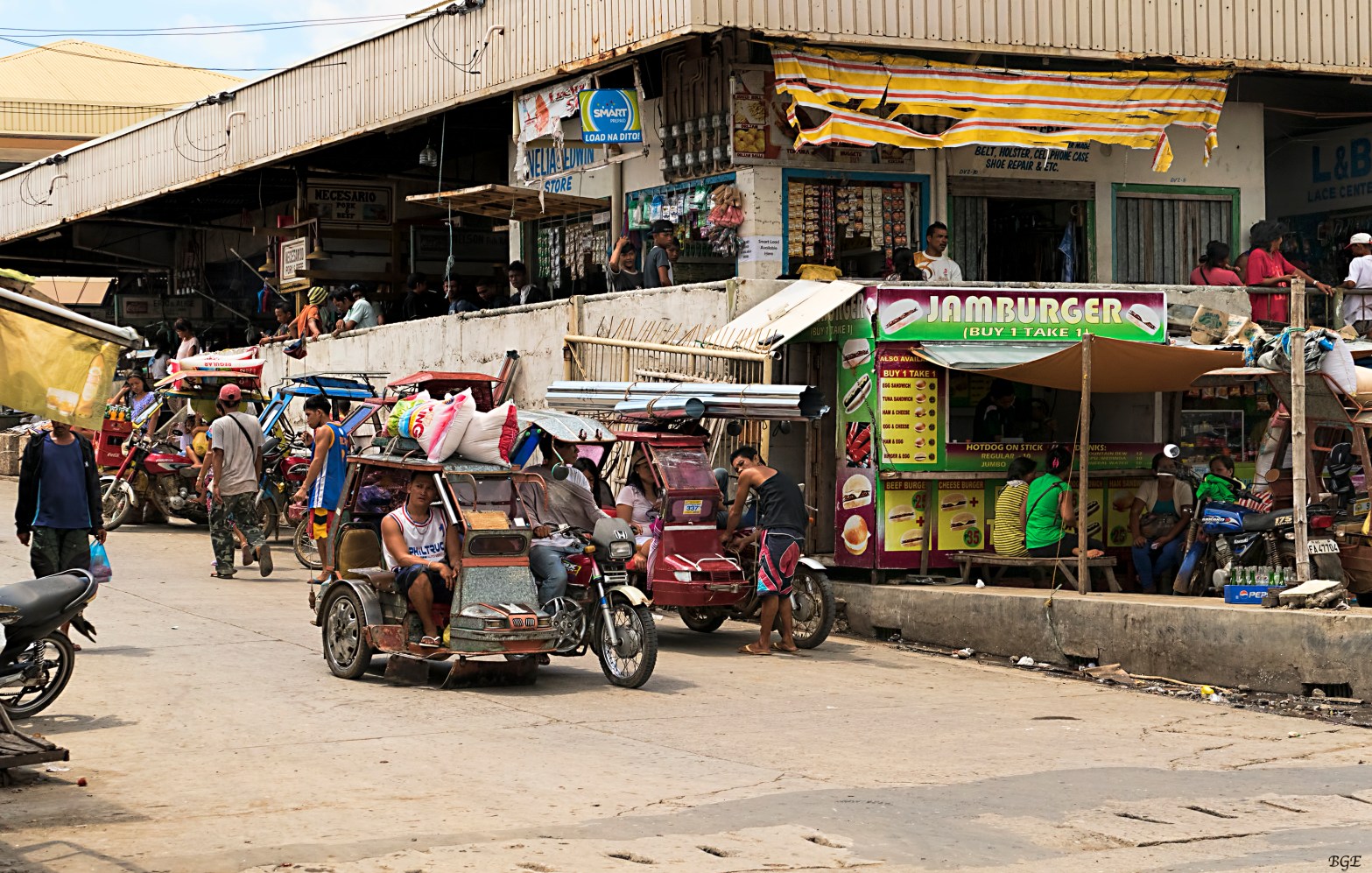
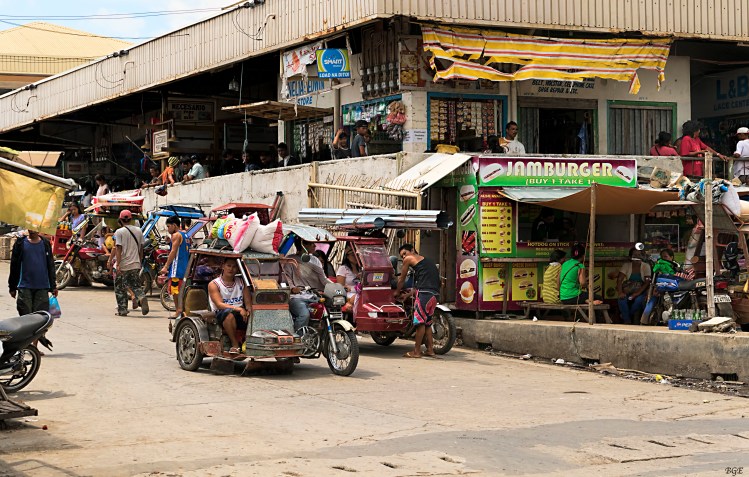
A marketplace in Cadiz City, Philippines, by Brian Evans

This is not unprecedented for Duterte as, during his tenure as Mayor of Davo, he created an image of callous rhetoric and stands accused of the murder of more than 1,000 people through illegal means. Although he may have perceived this as encouragement, as the overall crime rate of Davao did drop while he was in office. This theme was reiterated by Police Director-General dela Rosa, who claimed that the rate of crime in total had dropped, but that the homicide and murder rate had increased, although he did not say by what percentage. He percieves 700,000 individuals involved in illegal drugs in The Philippines turning themselves in to the police as a victory for this violent movement. He said “I admit many are dying but our campaign, now, we have the momentum.”

President Duterte has not been receptive to conversations with the United States after his election. He told President Barack Obama he could “go to hell” after the United States criticized the violent war on drugs and expressed that it was “deeply concerned” over the killings. The President has also said that he would like to “end joint military exercises with the US.” Even further, he has claimed he would “separate” from the United Nations after the proclamation that the war against drugs as a crime as determined by international law.

Only time will tell when Duterte will end this war on drugs and to what extent The Philippines’ relationships with foreign partners will have deteriorated. For now, it is crucial that the international community continues to denounce his actions.

Island of Despair: The Offshore Detention of Refugees in Australia

The Australian government maintains a strict rule that asylum seekers travelling by boat will be detained and subject to ‘offshore processing’ outside of the country. The ongoing Syrian Civil War and conflict within the Middle East have flooded European countries with refugees fleeing war-torn countries, and migrant target destinations are expanding across the Pacific. Thousands of refugees attempting to enter Australia, regardless of age, gender, race and ability, have been detained by the government and are being held in ‘processing centres’ where they are at this moment subject to shocking human rights abuses.

The Pacific Solution’ is the name of a policy introduced by the Australian government in 2001 to essentially prevent refugees from reaching the mainland. The policy has three core stratagems: firstly, it removed various external territories (for example, surrounding islands such as Christmas Island) from the Australian migration zone to limit the ability of migrants to apply for visas to enter Australia once they had landed in these technically Australian territories. Secondly, it launched an operation to intercept boats carrying migrants once they had entered Australian waters, and turn the vessels around. Lastly, it created the process of sending these migrants to detention centres on Manus Island (Papua New Guinea) and Nauru, for offshore processing to determine their refugee status.

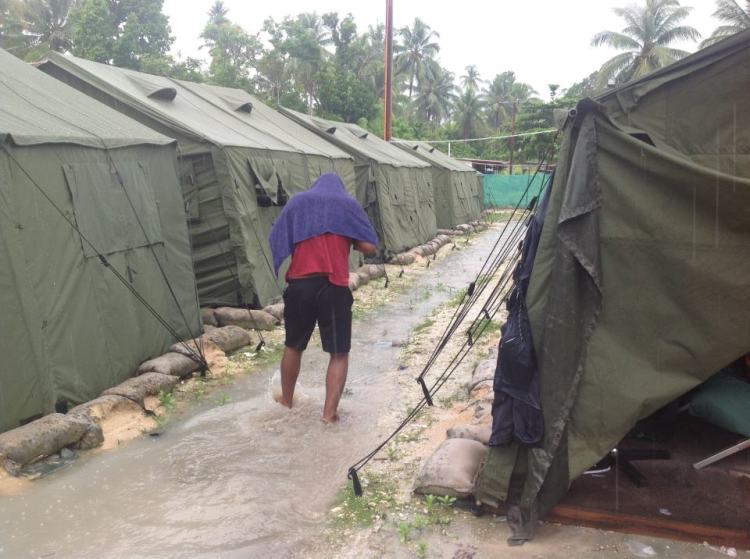
Inside the Australian Government’s ramshackle detention center on Manus Island, PNG, from Greens MPs

Amnesty International labels the detention centres in Nauru and Papua New Guinea “open air prisons.” Detained refugees on these islands are living in appalling conditions, subject to prison-style searches and various abuses by guards. Human Rights Watch’s investigation into conditions on the islands exposed the “appalling abuse and neglect” of refugees, including delays and denial of urgent medical care, neglect by Australian government workers and unpunished assaults by local islanders. The detention centres themselves amount to little more than crowded tent colonies which, vulnerable to the elements and tropical climate, foster unlivable conditions.

The scale of the human rights abuses in offshore processing centres on Nauru and Manus Island was brought to light in recent news by the Guardian’s harrowing exposé “the Nauru files.” The files detailed the consequences of the Australian government’s inhumane treatment of refugees on these islands – suicide rates, self-harm and mental health issues have skyrocketed whilst allegations of sexual and physical abuse against migrants are emerging. The suffering at these centres is immense, and the Australian government continues to feign ignorance. Protesters against the camps, along with organisations such as Amnesty International and Human Rights Watch, believe that the Australian government is championing a policy of deterrence, whereby refugees unable to withstand such cruel conditions any longer will give up their hopes of ever entering Australia.

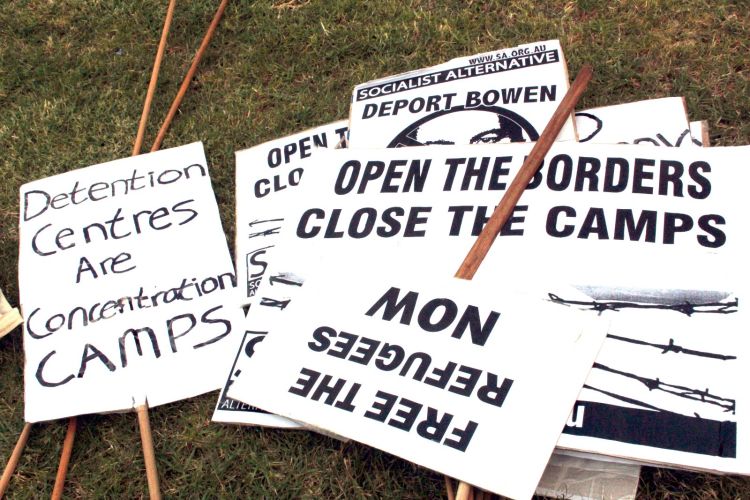
Australian protests against immigration detention centres, by John Englart

Furthermore, a tragic repercussion of the offshore processing of refugees in these third-world island nations has come to light. The consequences of detention for LGBTI migrants violate basic human rights conventions, and place them in dangerously hostile conditions. Homosexuality is illegal in Papua New Guinea, the location of Manus Island’s crowded offshore processing centre. Gay, lesbian, and transexual refugeees on Manus Island have fallen victim to rape and physical assault from both their fellow detainees and local islanders, and government officials are failing to respond adequately to protect them. The Guardian Australia obtained an orientation presentation shown to migrants arriving at the Manus Island detention center which reads, “Homosexuality is illegal in Papua New Guinea…people have been imprisoned or killed for performing homosexual acts.” Gay and lesbian refugees, many of whom are fleeing persecution in their home countries, face a harrowing decision – revert to the repression of hiding their sexuality, or risk potentially fatal punishment for their sexuality.

So, a Pacific Solution or a xenophobic punishment scheme? The uproar against Australia’s blatantly discriminatory migration policy has increased in recent years, but its government continues to attempt to seal its borders to asylum seekers to this day. Within the past month, the government has announced a bill proposal for a lifetime ban on any migrants attempting to reach the country by sea. Refugees fleeing desperate situations lack the means to travel to Australia by other methods, often forced to attempt the perilous sea journey in smugglers’ boats. This new legislation would cripple the ability of the majority of refugees attempting to enter Australia from settling there. The government has defended their proposition, claiming that it does not violate constitutional law and would enable third-country resettlement. Immigration Minister Peter Dutton has stated that “we are keen to get people off to third countries if they can’t return to their country of origin,” in a statement clearly demonstrating an unabashed rejection of humanitarianism and aid for refugees. Meanwhile, the offshore processing of migrants on Manus Island and Nauru continues, as a great human rights tragedy criminally disguised by the Australian government.

Human Rights: Who Cares?

Why should I care about human rights? What difference does it make to me in Scotland? We’ve always had human rights, right?

These are questions which no one asks, or at least, no one has ever asked me. Yet when you ask people on the street about whether they support human rights, they will likely say, “Yeah, of course!”. To say anything else is socially unacceptable. Universal human rights are the new norm in Scotland. I say new, because it was only in 1998 that the UK government passed the Human Rights Act. To put that in context, I am a year older than the Act which guarantees me the right to freedom of speech, the freedom to practice my faith, the right to a fair trial, protection of property, protection from slavery, and that most basic of human rights – the right to live. Free education was only made compulsory across the UK with the 1870 and 1872 Education Acts, and even then, only for five- to thirteen-year-olds. The right for women and men to vote, regardless of gender, class, or property, was only enshrined in UK law with the 1928 Representation of the People Act. Corporal punishment was still legal in schools as recently as 1986, while homosexuality was still a crime until 1967, and it was not until 2014 that gay and lesbian couples could be legally married in Scotland.

Professor Alan Turing, the man credited with cracking the Nazi Enigma Code in WW2, was discovered to be in a homosexual relationship after his house was broken into in 1952. He was subsequently charged with ‘Gross Indecency’ (sexual activity between men) and forced to undergo hormonal treatment. He died in 1954 of Cyanide poisoning, though there is debate as to whether it was suicide or not. This photo is in the public domain.

But surely, the UK’s human rights abuses are the stuff of history? Yes, and they still continue to this day. Take the example of poverty: In Scotland, 1 in 5 children grow up in poverty, while in the UK, there are 13 million individuals living in poverty. According to the Scottish Government, “Life expectancy is still lower by 12.5 years for males in the 10% most deprived areas compared with males born in the 10% least deprived areas, for males born around 2012.” In Scotland, people are playing a postcode lottery with their lives. It is proven that children who grow up in poverty are more likely to perform worse in school compared to their better off peers, are more likely to suffer from chronic illnesses and are three times more likely to suffer from mental health problems than their more affluent peers. It is a situation replicated across the UK and with further welfare ‘reforms’, the Institute for Fiscal Studies estimates that there will be a 50% rise in the number of children living in child poverty across the UK. How can the UK government justify this? We are one of the richest nations in the world and yet the rights of children continue to be abused.

Or what about the right to not “be subjected to torture or to cruel, inhuman or degrading treatment or punishment?” Surely we still do not torture people? What are we, the Islamic State? Yet, even the UK has sunk to the level of terrorists, with members of our armed forces accused of torture and inhumane treatment of prisoners, as well as killing innocent civilians. These are actions that stand at odds with our support for universal human rights.

What about other countries? Should we just let them abuse their citizens? Shall we be silent and leave them be? Our government’s hands may be tied by principles of sovereignty or a desire for self-interest. Our hands are free, and we are members of the global community of humanity. When orphans drag themselves across Europe to Calais, should we see them as less deserving than a child born in Scotland? When writers and bloggers are imprisoned, attacked, or executed for daring to criticise the state’s role in atrocities, shall we be silent and ignore them because they are in Bangladesh or Saudi Arabia? When demagogues rise, and threaten to “bomb the ****” out of regions with innocent civilians ruled by terrorists, shall we nod silently and get on with our lives? After two world wars, the world said “Never again.” Yet the final world war continues, the war against oppression, slavery, and persecution. The war where innocents die and children can be abused. The war that tyrants, dictators, and demagogues all over the world wage on universal human rights.

1 in 4 men in Glasgow will die before they reach their 65th birthday while there were twice as many murders per 100,000 people in Glasgow as there were in London in 2012. Photo by Giuseppe Milo.

We, the people, have a duty to each other. We can take part in raising awareness or fundraising for charities such as Save the Children or Oxfam. We, the people, can put pressure on governments with petitions and letter writing campaigns such as those organised by Amnesty International. We can tackle human rights abuses in our country by lobbying our elected representatives, who can bring about substantial change at all levels of government. We, the people, have our rights in our hands and we should exercise these rights to spread human rights around the globe.

Many are hugely privileged in Scotland but more work needs to be done. One child in poverty is one child too many. One person discriminated against is one person too many. Universal Human Rights are accepted by all UN member states; it is our duty as citizens of our respective nations to ensure that our rights are protected.

If you are interested in getting actively involved in human rights, please look into Amnesty International, Save the Children, and Liberty. For charities which specialise in helping people in the UK living in poverty, the Joseph Rowntree Foundation and Child Poverty Action Group provide excellent resources and information. Finally, see what your rights are as enshrined in the UN Universal Declaration of Human Rights 1948.

Life Online: How our Social Media Culture Advances the Cause of Human Rights Advocacy

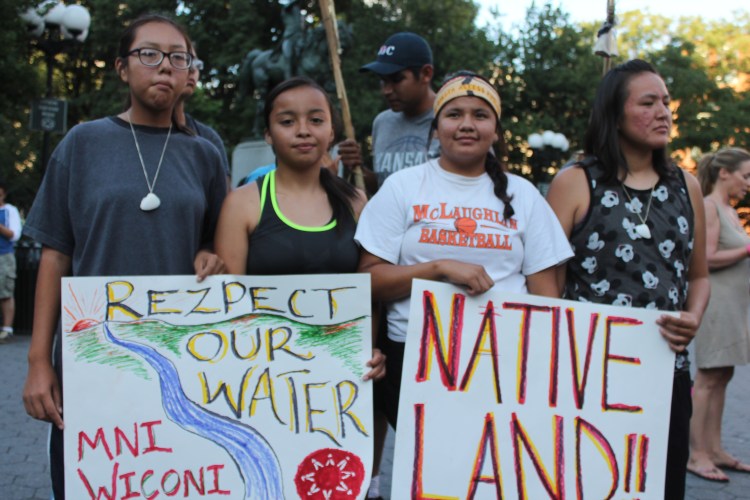
Social media has played a major role in publicising events at Standing Rock Indian reservation and as a platform for protests, both against the pipeline and against local authority responses to protests. More than 1 million Facebook users checked in to Standing Rock reservation in response to a call to ‘overwhelm and confuse’ the Morton County Sheriff’s Department, who were accused of using Facebook check-ins to monitor the number and identity of protesters. The Morton County Sheriff’s Department has denied using Facebook check-ins to monitor activism at Standing Rock and the website Snopes, which investigates online rumours, stated that “If police were using geolocation tools based on mobile devices, remote check-ins would not confuse or overwhelm them.” Nonetheless, the check-ins have been well received as a statement of solidarity. Kandi Mossett of the Mandan, Hidatsa, and Arikara nation said she was encouraged by the massive response, as “It gives people a way to support us.”

Celebrities have become major players in the promotion of such online movements. With their lives shared with increasing intimacy through the screens of our laptops and smartphones, popular celebrities have a unique ability to focus the eyes of the world on important human rights issues. This has been particularly evident in the case of Standing Rock. ‘Divergent’ actress Shailene Woodley streamed her arrest for criminal trespass on Facebook Live while protesting the Dakota Access pipeline. She has since stated via Facebook that she believes her arrest to be because of her large fan-base, which would constitute a serious breach of international law as arrests cannot be made solely for the purpose of intimidation. In light of this and evidence of police using excessive force against protesters, Amnesty International USA has sent human rights observers to monitor the actions of police. Other celebrities such as Jaden and Willow Smith, the children of film stars Will Smith and Jada Pinkett, and Mark Ruffalo (best known for his portrayal of the Hulk in the Avengers film series) have posted images and videos of scenes from the protests to Instagram. Ruffalo shared with his 3.7 million Instagram follower an image of a ‘Water Protector’ who had suffered serious facial injuries as a result of being hit by rubber bullets.

Protestors against the Dakota Access Pipeline take to the streets of New York, by Joe Catron

One often-stated criticism of such action is that once people have liked, shared and even ‘checked in’ on Facebook, they may be inclined to believe that their contribution to the movement is over. ‘Slacktivism,’ termed by Urban Dictionary as “the ideology for people who want to appear to be doing something for a particular cause without actually having to do anything,” is a major concern for online social justice movements. However, at the very least, these online movements ignite conversation on important issues, spreading news of human rights abuses across the globe, and in reality the impact of social media in affecting change can be considerable.

Social media played a notable role in the Arab Spring, with demonstrations coordinated over Facebook and Twitter in Egypt and social media networks used to evade government news censorship in Tunisia, particularly to spread the word about human rights abuses. Speaking in 2011, Khaled Koubaa, Founder and President of the Arab World Internet Institute, emphasised the role of social media networks in igniting revolution: “Three months before Mohammed Bouazizi burned himself in Sidi Bouzid [Tunisia] we had a similar case in Monastir. But no one knew about it because it was not filmed. What made a difference this time is that the images of Bouazizi were put on Facebook and everybody saw it.”

When a 30-minute video about the Ugandan Lord’s Resistance Army (LRA) leader Joseph Kony appeared on the internet in 2012 it became an immediate hit, garnering 100 million views on YouTube and worldwide attention in just six days. Though the media presence of the Invisible Children group was somewhat short-lived and Kony is still at large as the head of the remainder of LRA forces, this, their most successful media campaign, achieved something that no diplomat, charitable organisation, or journalist had achieved in 25 years of campaigning: the deployment of 100 US advisers and 5000 African Union troops to search for Joseph Kony. Here also, the role of celebrities in promoting human rights abuses by Kony and his army was substantial. After Oprah Winfrey published a Tweet containing the hashtag #KONY2012, views of the Invisible Children video rocketed from 66,000 to over 9 million.

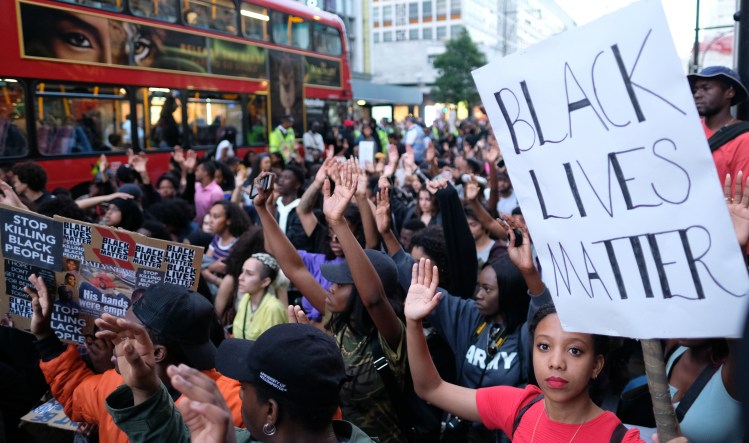
Many stars in the entertainment industry have used their influence to promote human rights issues in other ways too. A number of high-profile R&B artists have used recent album releases and performances to protest against racial violence in America. Beyoncé shared the red carpet at the 2016 VMAs with the mothers of Trayvon Martin, Eric Garner, Michael Brown and Oscar Grant III. Sybrina Fulton’s son Trayvon was fatally shot in 2012 at the age of 17 by a local neighbourhood watch volunteer, while Gwen Carr, Lesley McSpadden, and Wanda Johnson’s sons died in incidents involving law enforcement officers. Martin, Brown, and Garner’s mothers feature in the visual accompaniment to Beyoncé’s ‘Lemonade’ album, holding images of their sons, and in a similar statement, Frank Ocean sings “R.I.P. Trayvon” as he holds up an image of Trayvon Martin in the music video for ‘Nikes’, from his most recent album, ‘Blond’.

Black Lives Matter protestors raise their hands on London’s Oxford Street, by Alisdare Hickson

Beyond symbolic acts, these major influencers have encouraged fans to take action to support social justice movements. In a statement published in the aftermath of the deaths of Alton Sterling and Philando Castile, Beyoncé encouraged fans to protest against police violence by contacting their local politicians to demand action, providing a link to a website with instructions for contacting members of Congress. Her husband Jay Z became one of a number of artists who has donated to organisations associated with the Black Lives Matter movement, with his streaming service Tidal reportedly donating $1.5 million from the 2015 Tidal X: 1020 charity concert to social justice groups to assist with campaigns and legal fees.

With our world increasingly moving online, social media – and the role that celebrities play in utilising their following to promote human rights issues – can be a powerful tool in increasing awareness of social justice movements and affecting change. Human rights issues are inescapable in the online news media of social platforms and these provide a gateway to action on human rights issues in just a few clicks. Whether we sign petitions, contact our local government, or pledge our time or money to a worthy cause, this medium is undeniably becoming a powerful force for human rights advocacy.

The Religious Clothing Debate

The religious clothing debate has never been a discussion with easily agreed upon conclusions, and has been featured even more than usual in the public eye recently due to the controversy surrounding France’s ‘burkini ban’ over summer, as well as female non-Muslim chess players in Iran being told they could face fine or even arrest for refusing to wear headscarves at the female world championship earlier this year. With the United States having chosen a new president, and furthermore a having chosen a man who has been so widely accused of anti-minority rhetoric, the right to truly free religious expression through clothing and symbols, without any fear of discrimination, is especially significant.

A crucifix hanging in a car window

A recent facet of the discussion of religious clothing has been to do with passports and other official forms of photo identification. Having traditionally banned head coverings in general, unless it is for religious purposes (such as wearing a turban, nun’s veil, or hijab), passport regulation makers are facing criticism for what some argue is unnecessary discrimination against those who choose to cover their heads. Although human eyes may factor in what a person’s head or hair looks like, the more modern facial recognition technology widely employed today registers constant factors about a person’s facial appearance, such as eye from nose distance, rather than changeable features like hair. In the United States, a letter stating the need for a head covering in an official photo due to religious reasons is required from anyone wishing to cover part or all of their hair for such a photo. For a Christian, the only time head covering is properly discussed in the Bible is in Corinthians, where women are told to cover their hair if shaving it off would be shameful, (1 Corinthians 11:6). Additionally, many Muslim women interpret passages in the Qur’an about modesty to mean women should cover their heads in different ways, although the text itself never instructs behaviour, for example, explicitly requiring the covering of the face.

Discrimination in the workplace due to religious clothing and symbols can also prove a problematic issue for human rights; some minorities are simply statistically at a higher risk of being discriminated against to begin with regardless of visible expressions of religion. An employer can request that something such as a religious tattoo, like a crucifix, be covered, without too much backlash. Considering tattoos are not specifically instructed by the Christian holy book, being required to cover one when excessive tattoos might already be against the dress code of some professional institutions on their own is seen as a more acceptable request than asking someone to cover something not regarded as unprofessional, say, a bindi. In what some say was an extreme move, the highly secular nation of France has forbidden state educators and students from wearing Muslim headscarves, Jewish skullcaps, Sikh turbans, and Christian crosses.

A possibly very detrimental effect on human rights that many were worried about whilst the ban was being debated, was the possibility of students not attending school as frequently as a result of not being able to wear religious clothing. With basic education affecting people’s lives for so many years after they have left school, feeling negatively about having to enter an institution dressed, or indeed not dressed a certain way was a topic very much influenced by the religious clothing discussion.

Even on an average Greater London street people wearing clothes expressing belief in the Muslim faith are frequently intimidated. Many argue that feeling too uncomfortable to leave the house in religious clothing is surely a community-wide issue. However, it may be worth noting that the problem can go too far in the other direction as well; contemporary philosopher Susan Okin noted that traditional gender stereotypes possibly associated with female Muslim clothing and discrimination against women should not be preserved in the name of protecting cultural diversity where an Islamic community may be a minority.

Feeling uncomfortable about judgement for leaving the house without particular items of religious clothing, such as a headscarf in a non-Muslim country, has been considered an issue for concern by the women’s rights movement. Even if an extreme solution such as putting a blanket ban on certain types of women’s religious clothing was the best solution towards empowering women, it would be nearly impossible to enforce to any effective extent – for example, sending police officers into the privacy of people’s homes could end up creating resentment and an exclusion mentality in what are arguably already ostracised groups.

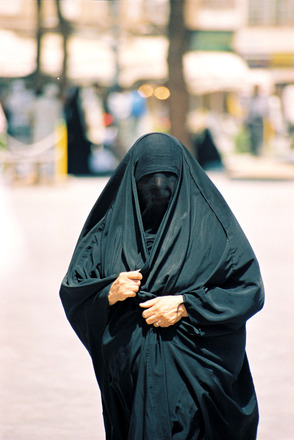
A woman wearing a burqa in Afghanistan

An additional question people wearing religious symbols and clothing are sometimes forced to ask is how much priority should the right to religious expression be given over the right to not be discriminated against. Whether or not a woman wearing a headscarf is truly accessing free expression of religious decisions, or if she is being oppressed in some way, is a separate question. Of course, no one should be made to choose between two rights. But the question of which right should be given more temporary importance is significant; if wearing a face or hair covering, or any other very visible sign of commitment to one religion, leads a person to be unjustly discriminated against, it could sadly be for the person’s own benefit to reduce the priority of such symbols in particular situations that have long term consequences, at least on an individual level. This could never be said to be any form of solution to the problem of discrimination on a social level.

Overall, with hate crime clearly on the rise, the UK along with the rest of the world will just have to wait and see what the overall effects of various types of religious clothing are on the statistics for the harming of people’s right to religious freedom. .

If you would like more information about what constitutes hate crime and ways to deal with it, visit this link. Details about how to go about emailing your local council and asking them to stand against hate can be found here. Alternatively, simply using the twitter hashtag #AgainstHate can be employed to show support for Amnesty International’s efforts on the matter of raising awareness about identifying and reducing hate crime.

Blurred Lines? Physical Discipline and Child Abuse: The Case for Legislation to Ban Corporal Punishm

According to UNICEF statistics, around 6 in 10 children worldwide between the ages of 2 and 14 are subject to physical punishment by their parents or caregivers on a regular basis. Such disciplinary practices, also known as corporal punishment, are defined by the United Nations as “any punishment in which physical force is used and intended to cause some degree of pain or discomfort, however light” – these include any acts such as kicking, spanking, and pinching children or hitting them with a hand or other tool. Close to a billion children worldwide are reported to be brought up using these disciplinary techniques.

The United Nations’ Convention on the Rights of the Child mandates that all children have the right to protection from all forms of violence, including that inflicted by parents or other caregivers. The convention, which has been ratified by all UN member states save the United States, is further clarified by the Committee on the Rights of the Child as clearly stipulating that “corporate and other cruel or degrading forms of punishment are forms of violence and the state must take all appropriate legislative, administrative, social and educational measures to eliminate them.” Despite the clear stance against corporate punishment in international law, it remains legal in many countries for parents to use physical measures to discipline their children.

A child is spanked in Germany, 1930s, from the German Federal Archives. Corporal punishment was fully outlawed in Germany in 2000, but remains legal in many countries

Many international and national advocacy groups are working to encourage and pressure governments into adopting legal restrictions or bans on the use of corporate punishment in the home. One such group is the Global Initiative to End All Corporal Punishment of Children, an organisation advocating for legal and normative change to prohibit corporal punishment in schools and in the home. Its work has been described by independent investigators as ‘catalytic’ in challenging and prohibiting all forms of violence against children.

The foremost argument against corporal punishment is that it undermines and neglects children’s rights. As described by the Global Initiative, the essence of legal prohibition of corporal punishment is to ensure that children are granted “equal protection under the law on assault, whoever the perpetrator and whether or not the assault is described or justified as discipline or punishment.” As such, the legal prohibition of corporal punishment is an issue of granting children the same legal protection as adults against assault and bodily harm. The Global Initiative and the 61 international organisations that are part of it, alongside countless national groups and individuals, all believe that harming another person is universally wrong, and a parent physically disciplining their child is no exception. As such, the Global Initiative makes clear in its advocacy the fundamental importance of a child’s need for equal protection.

Many studies have been done to try to ascertain the long-term effects of corporal punishment on children. As put by Susan Bissell, Chief of Child Protection at UNICEF, there exists ‘abundant evidence’ that violent discipline in children has been directly linked to increased violence and aggression, damage of family relationships, and poor mental health later in life, to name only the most prominent negative outcomes. Alongside this, there is evidence that it has no corrective results, but serves to normalise violence as an acceptable way to resolve conflict. Corporal punishment, UNICEF has found, is often less of a disciplinary choice and more the result of parents’ frustration, or lack of knowledge of non-violent disciplinary methods. It has been found to be a technique used when parents do not know what to do.

What role does national legislation play in protecting the rights of children? Sweden provides an interesting case. The country was first to outlaw corporal punishment in the home in 1979. It did so by including in its Parenthood and Guardian Code that “children are to be treated with respect to their person and individuality and may not be subjected to corporal punishment or any other humiliating treatment.” The legislation did not include any punitive measures for parents found to break the Code, rather, its was intended to be educational in nature. If parents were found to break the Code, they would be referred to Social Services for guidance and support.

Importantly, the Swedish ban was not the result of public outcry or advocacy. On the contrary, when it was introduced the ban was heavily criticized by the public who believed it meant the government was interfering with family life. However, the Swedish government was adamant that the ban itself would be an important catalyst for changing public practice and opinion. The ban represents an attempt by a government to use legislation to drive a normative change in the fabric of society.

Has the Swedish ban on corporal punishment been successful? Coming up on four decades after its implementation, public opinion in Sweden has drastically shifted. While the majority of Swedish parents in the 1960s were in favour of corporal punishment, the Swedish Radio News report recent polls that show that 90% of Swedes are opposed to even the mildest form of physical discipline.

In the United Kingdom, there are currently no legal prohibitions to corporal punishment in the home. In its most recent periodic report on the state of human rights in the UK, the United Nations Human Rights Committee criticises the UK for its lack of explicit prohibition on corporate punishment. The report urges the UK to “take practical steps, including through legislative measures where appropriate, to put an end to corporal punishment in all settings.” Alongside this, the UK was recommended to promote non-violent forms of discipline and a public awareness campaign was proposed to raise awareness on the harmful effects of corporal punishment.

There are signs that attitudes and behaviour within the UK are moving away from supporting and practicing corporal punishment in the home. Despite this, government-issued surveys have shown that just above half of parents in the UK agree that ‘it is sometimes necessary to smack a naughty child.’ Current legislation under the Children Act of 2004 stipulates that smacking, spanking or otherwise physically disciplining a child is lawful as long as this amounts to ‘reasonable punishment.’ Discipline is automatically deemed ‘unreasonable’ when it causes actual bodily harm to the child, but there is currently no clear distinction available. As such, the distinction between what falls under discipline – and what counts as abuse – remains blurred.

The debate surrounding corporal punishment is somewhat puzzling. While the overwhelming evidence against physical punishments is readily available, the practice remains widespread, and attempts to legally prevent its practice are – more often than not – met with public outcry. In a Huffington Post column, Lisa Belkin rejected the existence of any ‘debate’, saying “… there aren’t two sides. There is a preponderance of fact, and there are people who find it inconvenient to accept those facts.”

As seen in the Swedish case, legislation can be the first step in changing public opinion and practice. The UK, along with many other countries, notably the US and France, may consider the legal route toward changing public opinion and practice. While legal prohibition of corporal punishment may be seen as a drastic move, and is likely to be unpopular among a core group of any population, it might be a necessary step to be considered by governments committed to entrenching children’s rights in both law and practice.

Visit the Global Initiative to End All Corporal Punishment Of Children to find out about legislation and current campaigns in any country in the world. For information about the campaign to end corporal punishment in the UK visit the page of Children Are Unbeatable!

#USA #childrensrights #UN #corporalpunishment #UNICEF