‘Last Night in Sweden’: Immigration, Crime, and Misrepresentation

At a rally-style event in Florida on February 18th, President Trump illustrated his anti-immigration stance by alluding to a number of terror attacks in Europe. Alongside mentions of attacks in Paris, Brussels, and Nice, Trump urged his supporters to “look at what’s happening last night in Sweden … they took in large numbers [of immigrants]. They’re having problems like they never thought possible.”

President Trump’s comments have started a debate on the relationship between immigration and crime in Sweden, by Gage Skidmore

The President’s comments created a lot of confusion, since no one seemed to know what event he was referring to. No terror-related incidents had taken place in Sweden the night before – the country has not seen any confirmed terrorist activity since 2010, when a man set off two bombs on a Stockholm shopping street, killing only himself.

Trump himself later clarified in a tweet that his remarks were “in reference to a story that was broadcast on Fox News concerning immigrants and Sweden.” The story in question was an interview with documentary filmmaker Ali Horowitz on his recent film, in which he seeks to ‘expose’ Sweden’s open-door refugee policy. In the segment, Horowitz makes the link between Sweden’s large refugee population and a dramatic rise in violent crime. The segment also included a clip from the film where Swedish police officers are seen explaining that some urban areas with high refugee populations have become pockets of crime, effectively ‘no-go zones’ out of reach from Swedish law enforcement. The police officers in question have since come out and claimed to have been grossly misrepresented, asserting that their comments were edited out of context and that no such areas exist.

Across the Atlantic, Nigel Farage defended Trump’s uncorroborated claims of immigrant crimes in Sweden. On London’s LBC Radio he stated that “Sweden has taken more young, male immigrants than any other country in Europe and there has been a dramatic rise in sexual crime in Sweden, so much so that Malmö is now the rape capital of Europe.”

These comments by Trump and Farage, widely reported in international media, have triggered a public debate about the relationship between immigration and crime in Sweden. While Trump’s rally comments and subsequent tweet referred to the Swedish crime rate more generally, Farage makes a specific statement about immigrants committing rape. Both men imply a direct causation between immigration and the increase in crime. Is there any truth to these claims?

Farage is correct in saying that many young male refugees have taken up residence in Sweden. Over the last few years Sweden has welcomed more refugees per capita than any other European country, and a majority of them have been young men. According to the Swedish Migration Agency, in 2015, at the peak of the crisis, Sweden had over 162,000 asylum applications. For comparison, the UK received 42,000 applications during that same period.

After being questioned about evidence to support his claims, Farage has since explained that his comments were in reference to a 2012 United Nations Office on Drugs and Crime (UNODC) report, which showed Sweden to have the highest rate of rape in Europe.

However, statistical data can be misleading, especially in the case of sexual assault. In the absence of international standardisation, transnational comparisons can be deceptive. Eurostat, the statistical office of the European Union, urges that “comparisons [of crime data] between countries should be avoided” because of differences between their legal and criminal justice systems, reporting rates, and recording practices.

For example, poor conviction rates, stigmatisation of sex crimes, and victim-blaming are factors which cause report rates to differ dramatically between countries. Furthermore, the legal definition of rape has been broadened in Sweden, which means that the same crime might fall under the legal definition of rape in one country but not in another. In some countries, marital (or ‘spousal’) assault is not constitutive of a rape charge, while it is in Sweden.

The BBC reports that these factors are all identifiable in the Swedish case. Two decades of public awareness campaigns that encourage reporting of all sex crimes has caused the country to have a high report rate. The legal definition of rape is broad (it was extended in 2005 and again in 2012 – each time followed by an identifiable surge in the data). Finally, the Swedish recording practices requires each individual act of aggression to be filed as a separate incident. For example, in long-term cases of domestic violence, each non-consensual act will be registered as a separate offence. In most countries, this would only be recorded as one event. All these factors contribute to an inflation of the Swedish data in international comparisons.
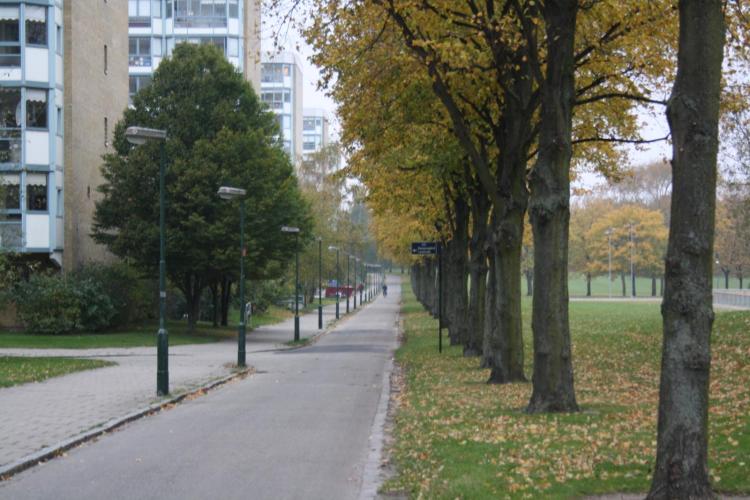
A walking path in Rosengård, one of Malmö’s supposed ‘no-go zones’, by Ulf Liljankoski

Farage’s description of immigrants as causing Malmö to be the “rape capital of Europe” is not supported by evidence. There is no proof of an increase in sexual assault in Sweden. The Swedish National Council for Crime Prevention reports that in 2015, the number of rapes reported to the police decreased by 12% compared to the previous year. Comprehensive statistics for 2016 have yet to be released. His fixation on Malmö is equally confounding. Sweden’s third largest city, where 43% of the population are of foreign descent, does not show an increase in sexual assault compared to urban municipalities. To further claim that immigrants are the perpetrators of sexual assault has no basis in reality, since no data is collected that accounts for the ethnicity of perpetrators of crime in Sweden.

This is not to say that crime generally, and sexual assault specifically, is not an issue in Sweden. However, to attribute the cause of these crimes to immigration is a careless and dangerous act, which undermines integration policies in Sweden. This debate illustrates how easily crime statistics can be co-opted and misrepresented to serve a political agenda. Although both Trump and Farage’s statements have been convincingly disproven, the surrounding ordeal has been detrimental for Sweden’s image abroad, claims Morgan Johansson, Swedish Minister for Justice and Migration. Moreover, these comments have entered into discourse a link between migration and criminal activity that is, in the Swedish case, taken out of thin air.
Human Rights in the Age of Brexit and Trump

Last Wednesday, the LaFayette Club of St Andrews welcomed David Mepham, UK Director of Human Rights Watch, to deliver a talk on the current status of human rights in front of an attentive audience of over a hundred people at Hotel du Vin’s Ballroom. With an impressive career within policy and advocacy that has included four years as senior policy adviser to the UK’s Department for International Development, as well as working for Save the Children UK, Mr Mepham joined Human Rights Watch in 2011. He offered an intriguing insight into the work of a human rights organisation, as well as presenting his take on the most pressing challenges to this area.

Mr Mepham started by offering his definition of what human rights are – a core set of entitlements, freedoms and protections that every human being should enjoy. He raised an important point, to which he would return, on the need for improved communication on these issues with the general public. He believes that there is a general lack of understanding on what human rights are and why they are important. Often they are seen as relevant only for those who break the law, for example when they are used to justify avoidance of deportation of criminals, but Mr Mepham was right to point out a need to make a more positive case for their importance.

He went on to give a whistle-stop tour of a few areas of Human Rights Watch’s ongoing international work. In each case, the organisation has three main tasks: to investigate specific issues on the ground, to expose violations of international law when they are found, and to try to bring about change based on these findings by seeking to influence governments to address these problems.

The first site was Yemen, where a civil war is being fought between Houthi revolutionaries (with alleged support from Iran and Hezbollah) and the Yemeni government, supported by a Saudi-led coalition. Mr Mepham was keen to stress that Human Rights Watch takes no side in the conflict, but are instead concerned with documenting the extent to which all belligerents are upholding international humanitarian laws. They have found that there have been violations of this law on both sides. A primary issue of concern for their organisation is that the British government continues to supply Saudi Arabia with arms, despite their poor record for human rights. They have been involved with an ongoing court case which is determining the legality of this, the result of which is expected soon.

Human Rights Watch video encouraging the suspension of arms sales to Saudi Arabia

Next, Mr Mepham explained the ongoing issue of the persecution of the Rohingya ethnic minority in Myanmar, and how Human Rights Watch UK is seeking to persuade the British government to put more of an emphasis on human rights in its dealings with the Burmese government, with whom they have a strong relationship. Mr Mepham argued that with regards to Myanmar, many have been swept along with a romantic view of the country, that has seen Aung San Suu Kyi rise to the role of State Counsellor; it is clear that this has not suddenly transformed the country into a liberal democracy.

Ethiopia has been described as a development success story, but Mr Mepham argued that the reality is not so simple. The country’s ‘villagization’ process, which is intended to bring its nomadic peoples into communities which can offer amenities and opportunities, has, according to Human Rights Watch, resulted in a series of human rights offences. The program is ostensibly voluntary, but they have found that if individuals refuse to relocate, they risk being beaten, tortured, or raped. These three cases offered a fascinating insight into the work that Mr Mepham’s organisation does and the challenges they face. Moving closer to home, he then came to the crux of his talk – the implications of Brexit and Trump.

Although his organisation is distinctly non-partisan, in this section, Mr Mepham’s arguments belied his liberal inclination. He sees Trump as one of a number of ‘authoritarian populists’ around the world, standing alongside Vladimir Putin and Xi Jingping as the main actors in what, for him, is a troubling phenomenon. These politicians have all been accused of threatening freedom of speech by trying to eliminate their opposition. Mr Mepham was particularly concerned about Trump’s discourse – the way he has talked about women, disabled people, and minorities is alarming and legitimises this kind of language in politics, both nationally and internationally. The rise of populism is a grave concern for the human rights movement.

Brexit offers further challenges for human rights, as I have argued. For Mr Mepham, the primary issue is legislation, as so many of the protections that we enjoy in the UK are underpinned by EU law – when we leave they EU, these will no longer apply. While he was right to identify this as a cause of concern, he could perhaps have mentioned that EU law will in large part be replaced by domestic law, as set out in the Great Repeal Bill that was published just days ago. Mr Mepham then returned to his theme of a need for better communication around these issues – in this case, there is a degree of confusion about the difference between the EU and the European Convention of Human Rights, which are separate entities. Leaving the EU will not immediately affect Britain’s status as signatories to the latter.

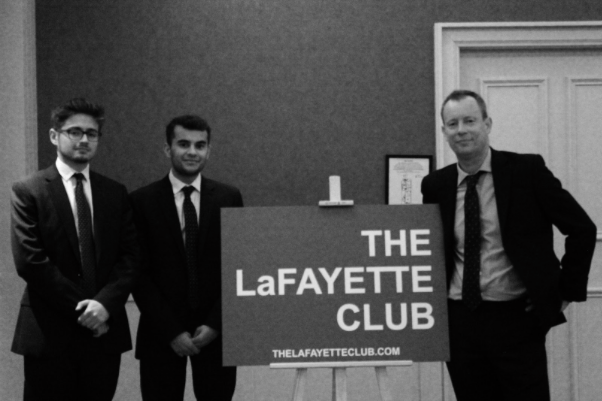
David Mepham (right) with the Lafayette Club’s founders, Daniel Rey (left) and Benjamin Thrasher (centre), by Devika Himatsingka

The take-home message from Mr Mepham’s talk and the discussion that followed was a need for better communication on human rights. One question came from an American member of the audience, who asked how she could talk about these issues without sounding like a member of the ‘liberal elite’. The question of how to improve engagement with human rights is a difficult one, but a crucial one; Mr Mepham reiterated the need to build up a constituency of support in order to gain international traction on these issues. While he did not offer any clear solutions on how to go about this, he did stress the need to focus on issues that will have resonance with ordinary people, and, in an age of ‘alternative facts’, to deal in truth and hard facts. He concluded with the humbling story of a women’s organisation from Bulawayo in Zimbabwe, who went out each weekend to protest against a variety of issues, such as corruption. Each time they do this, they are beaten up and/or tortured, yet the next weekend they do the same. If they can confront these issues in the face of such treatment, then surely we must also.

It was encouraging to see human rights being discussed in this kind of environment here in St Andrews – events like these are great ways of bringing these issues into the mainstream, and help to create a network of ideas and support for these causes. This was the LaFayette Club’s second, and unfortunately last, event of the semester, having welcomed Hillary Clinton’s 2016 campaign manager, Robby Mook, to speak in February. There are big things to come next year – you can keep up to date with upcoming events on their website.

2018 FIFA World Cup: Racism, Homophobia, and Hooliganism in Russia

One of the world’s biggest sporting events, the FIFA World Cup, will be hosted by Russia in 2018. This is despite the serious issues surrounding football within Russia such as the racism and homophobia which are rife at all levels of the game. There are also issues surrounding hooliganism within Russian football, which threatens the safety and comfort of those who may want to go watch the global sporting spectacle, making this one of the most controversial world cups in terms of human rights.

There are numerous cases which suggest there is a serious issue with racism within Russian football, which have given rise to the extremely negative image of Russian football around Europe, and indeed the world. The Russian FA was fined by UEFA following racist chanting from their fans during the 2012 European Championship. Domestically, there have been many comparable incidents, including high profile cases such as racism towards Roberto Carlos who had a banana thrown at him whilst playing for Anzhi Makhachkala in 2011. More recently, a similar incident occurred between FC Rostov and PSV Eindhoven in a Champions League match in October 2016. All in all, there were 92 incidents in the 2014/15 season in Russian domestic leagues, around 3 incidents for every weekend of the season, which suggests this is an epidemic within the Russian game, despite what those on the 2018 organisational committee may suggest. FIFA’s racism task force is necessary in order to stop, or at least limit, these issues in order to allow for all players and fans to attend the tournament without facing discrimination and prejudice, a right everyone should have. However, this task force was disbanded in the autumn of 2016, just 3 days after the Rostov incident, after saying their aims had been reached, clearly ignoring the statistics and stories coming out of Russia. FIFA’s actions show an apathy towards the rights of players, fans, and organisers of the tournament from different ethnic groups. Although Russia is by no means the only country with racist incidents within football culture, FIFA, in handing them the 2018 tournament, shows a clear lack of protection for the BME players. Furthermore, this shows that FIFA is failing in its objective of hosting competitions which “touch, unite and inspire the world,” as they are clearly neglecting the need to address racism, unlike UEFAs ‘No to Racism’ campaign which, despite varying success, is at least an attempt to stamp out racism. Unless something drastic is done, this competition will divide rather than unite the world by isolating large swathes of competitors and fans due to their ethnicity.

UEFA’s No to Racism campaign supported by Austria Vienna and Atletico Madrid, by Fare Network

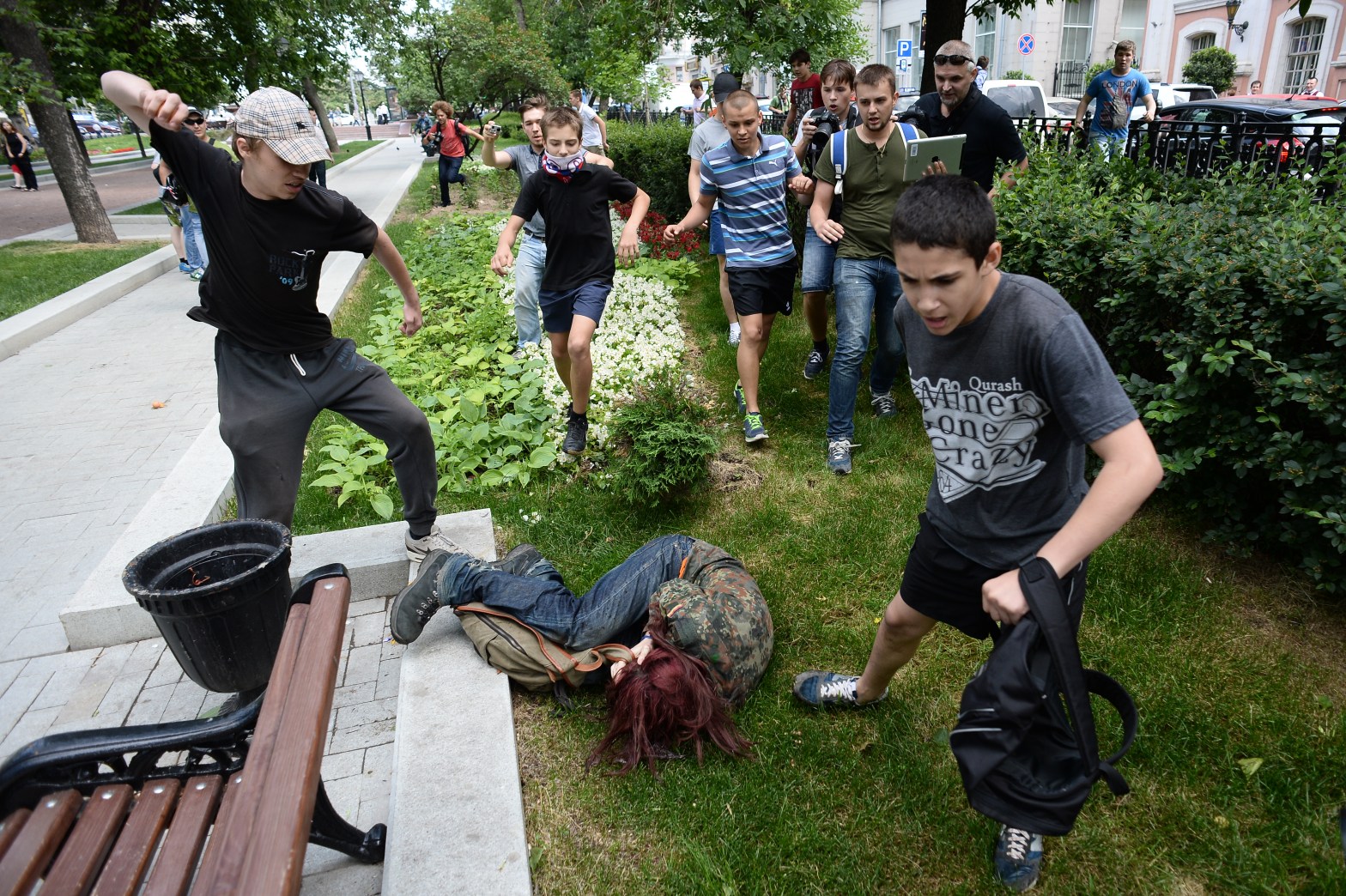
This tournament will prove divisive in more than just terms of race. Recent laws introduced in Russia seek to discriminate against homosexuals through banning “propaganda of nontraditional sexual relations.” These laws prevent teachers from speaking of homosexuality as normal, clearly discriminating against the LGBTI community and spreading hate and misinformation throughout the country. Furthermore, Moscow Gay Pride was banned for 100 years in 2012 by a Moscow court, not only limiting LGBTI rights, but more generally the right of free speech. Gay rights protesters have also been attacked during their protests, with little police presence or indeed interest, to help prevent the violence. One such incident occurred in Moscow in the aftermath of the laws passed in 2013, prompting suggestions that violence against LGBTI groups is actually encouraged by the state. Although the tournament will see a large police presence, incidents such as this do not project an image of safety for those planning to attend the tournament. FIFA, through giving Russia the right to host, have placed homosexual players, fans, organisers, and anyone else involved with the tournament in a position wherein they will have their rights suppressed in order to enjoy the spectacle FIFA has a duty of care for those who go to their events and they have placed LGBTI fans in this dangerous position by giving a state with such institutional repression the right to host such an event.

LBGT activist being attacked during protest against Homophobic Bill, by Roma Yandolin

Adding further fuel to this fire is the hooliganism that is prevalent in Russian football which will create an incredibly hostile atmosphere for any football fan, let alone BME or LGBTI fans when considering the racist and homophobic sentiments. In the 2016 European Championship, a new type of hooliganism was brought to the tournament by Russian supporters. In Marseilles, 2,000 English supporters were attacked by 200 Russian ‘supporters’ acting in a paramilitary fashion. This organised hooliganism caused carnage in Marseilles, though there were so few of them; the violence in Russia itself could be larger still. This new brand of hooliganism, mixed with the prevalent racism and homophobia, does not project warmth to visiting fans, especially for those being discriminated against who will not feel welcome or safe at the 2018 tournament. FIFA has therefore created a situation in which minorities will be uncomfortable playing and spectating at one of their tournaments, highlighting their apathy towards the rights of everyone to access the game.

This is amid controversy over the rights of the workers building the stadiums for the Qatar world cup, another example of neglect by the governing body, discussed in a previous Protocol article. FIFA needs to consider human rights when looking into the bids of countries and investigations into a country’s attitude towards civil rights need to be made prior to the bid. Throughout the build up to the tournament, if the rights of anyone involved is being threatened, then some course of action should be taken, and in some cases, the tournaments should be relocated in order to avoid the discrimination some will face when travelling to support their country.

Some clubs, such as CSKA Moscow, have been working with UEFA, the European governing body, in their ‘No to Racism’ campaign, in order to promote inclusivity in the game. To find out more about the ‘No to Racism’ campaign, please visit this website. For further information on the Russian legislation concerning human rights visit the Amnesty International UK website.

How Human Rights Present Barriers to Cloning

The exciting technology of human cloning, and its as-yet unknown impacts on the world, has captured the imagination of the general public through popular films, books, and television programmes. Animal reproductive cloning became a reality on 5 July 1996 when Dolly the sheep was born in Midlothian, Scotland. She was the first mammal ever to be successfully cloned from a mature cell. Yet by the time she was euthanised in 2003, aged just six, Dolly had developed both arthritis and severe lung problems. Her life represented what was for many a huge step forward in modern science and the power of cell manipulation, however for others the genetic modification used to create her was a chilling reflection of the morally questionable ideals of biotechnological eugenics. To control other human lives in this way would be, some say, reminiscent of concepts endorsed by the likes of the Nazi Party.

If ever implemented, even on a relatively small scale, human genetic modification and cloning could have exponentially influential effects on future generations of the human race. Adopted by UNESCO in 1997, the Universal Declaration on the Human Genome and Human Rights was the first international instrument to deal directly with the relationship between human rights and human genetic modification. Strongly advocating against human cloning due to its alleged impact on human dignity, the declaration stands alongside the likes of the Council of Europe’s Convention for the Protection of Human Rights and the Dignity of Human Being with Regard to the Application of Biology and Medicine, which also claim that human dignity could suffer under practices such as cloning. In 1998, the World Health Organisation stated that cloning for the replication of human individuals was unethical and contrary to human integrity and dignity. Why exactly human dignity would suffer as a result of such artificial cloning is hard to accurately pin down, and no accepted specific set of reasons stand undisputed.

By Weliton Slima

Perhaps the type of cloning will influence whose rights of life, dignity, autonomous identity, and individual freedom are impacted. Cloning occurs naturally in some bacteria through asexual reproduction, but the artificial production of genetically identical biological entities can be achieved in three different ways: gene cloning produces copies of segments of DNA, whereas reproductive and therapeutic cloning produces whole pieces of tissue, (and in the case of reproductive cloning, whole animals). Many member states agree that reproductive cloning should be banned. Respecting human dignity is the most often cited reason. Honduras proposed that human cloning is necessarily incompatible with the essential task of the protection of human rights. Yet Timothy Caulfield’s 2003 observation that it is simply general cultural anxiety of the unknown which is stopping cloning progress, and that policy makers are in a sense falsely advertising this as a respect for human dignity, is certainly interesting food for thought in the debate.

One of the biggest technical barriers to cloning is its inefficiency. Many hold that the expensive process could better direct its funds towards supporting the human rights of already living humans who lack access to education and clean water. Somatic cell extraction for the purposes of reproductive cloning was in its infancy a highly difficult process. The researchers who created Dolly the sheep had made two hundred and seventy six previous attempts. Before her, genetically identical cows, chicken, and mice had been created by the easier process of embryo splitting. But two years after Dolly’s birth, a team of Japanese researchers managed to clone eight calves from a single adult cow, although only four of the eight survived. In addition to this, a few controversial claims of successful human clones have been made, all without supporting evidence.

The concept of therapeutic cloning, which is creating a cloned embryo, has been the centre of similar debates. Whilst many feel morally opposed to reproductive human cloning, the potential disease eradicating benefits of therapeutic cloning and claims that what is used for this research is not yet a human being for this research have won the yet unproven process more supporters. Therapeutic cloning uses embryonic stem cells to experimentally replace different types of injured or diseased tissue, and observations of mutations the cells sometimes form, can help scientists gain a better understanding of how certain cancers come into being. Companies like Stemaid claim to be able to treat a wide variety of conditions with stem cell technology; they even recommend stem cell injections into the brain to treat certain cases of autism. Human stem cells are widely accepted as a theoretical way to test new therapeutic drugs, but the debate of whether or not embryos can be said to be people is a separate issue.

By Jean Scheijen

Access to human cloning has even been included by some in the right to reproductive freedom, but if human clones suffered from the same health issues as Dolly, such as premature ageing and immune system difficulties, the process of human cloning might even be argued to be detrimental to the human rights of reproductive clones themselves. Overall there is no clear cut answer as to whether or not cloning infringes on human rights, and the various different types of cloning each have positives and negatives. The meaning of human cloning is often misunderstood, and “genetically identical” mammals would never necessarily be altogether identical, as some important genes are also present in the mitochondria of the egg-cell. This may help get around individual worries of autonomy and individuality. As opposition to human cloning remains strong, progress is unlikely to be made in the field of reproductive cloning any time soon. Stem cell research however, depending on the country it is conducted in, may be a different story.

To learn more about the topic of cloning in relation to human rights, Carmel Shalev’s paper is a highly useful starting point. To read about the history of human rights in general, Amnesty International has a broad history of Human Rights Law and its enforcement.

Brexit: Where Does It Leave Human Rights?

It is almost a truism to say that the nine months since the EU referendum have been tumultuous in British politics. As Theresa May poises herself to trigger the process of leaving the EU, it is important to look at Brexit’s implications for human rights, both in the UK and further afield. What has already happened since 23 June 2016? And what will happen once the ink has dried on Article 50 – to EU nationals in the UK, to children seeking asylum here, and to UK nationals in the EU’s other member states?

This is all set amidst the recent decision of the House of Lords to block the Brexit Bill from passing in order to defend the rights of EU nationals to stay in the UK after Brexit. This decision was not without controversy, bringing into question the ability of the (unelected) Lords to interfere with House of Commons’ decisions. One senior Conservative MP has said that any “messing around” with the bill would lead to questions over their existence.

Ultimately, the Brexit Bill was passed through both houses unscathed, with two key amendments, one to defend the rights of EU nationals and the other to give parliament a ‘meaningful vote’ on the final Brexit Bill, voted down by MPs by 335 votes to 287 and 331 votes to 286 respectively. This decision was later accepted by the House of Lords who felt any further attempts to amend the bill would be futile; Labour’s Shadow Leader of the House of Lords, Lady Smith, told the Guardian “If I thought there was a foot in the door or a glimmer of hope that we could change this bill, I would fight tooth and nail, but it doesn’t seem to be the case.”

Safety pin badges have been used to display solidarity with immigrants and minorities in the UK since the Brexit referendum, by Mike Licht

In response to calls for greater clarity on the likely post-Brexit situation, Prime Minister May has said that she will refuse to give a “running commentary” on the government’s plans for Brexit negotiations. While this, to some degree, understandable, it is disappointing that they cannot reassure the 2.9 million EU nationals in the UK and clarify the expected effects of Brexit on human rights; surely doing so would not significantly compromise Britain’s position for the forthcoming negotiations during the two-year Brexit process.

It is unlikely that the government would decide to deport these people; moral considerations aside, the practical difficulties involved with such a mass deportation would make it unrealistic, especially in terms of deciding who would get to stay and who would have to leave. Nevertheless, the refusal to ensure the rights of EU nationals means that the fear of being removed from their families and livelihoods remains.

This issue is just one of the ways that Brexit and human rights are inter-linked. Since the referendum, ‘Remainers’ have pointed to a spike in hate-crime statistics as evidence of legitimisation of racist views in response to the Brexit vote. The think-tank Civitas has downplayed the connection between the two, while some argue that hate crime has been on the rise since before the referendum. Others cite greater encouragement to report these acts as the reason for the rise in statistics. Regardless of whether Brexit is to blame, hate crime is a serious issue and a threat to the human rights of people living in the UK; Brexit has, if nothing else, served to shine a light on this problem. This requires a strong response and, to her credit, May has sought to address this problem head-on. Expressions of solidarity, such as the safety pin movement, are encouraging signs that Brexit does not necessitate decreased tolerance.

Immigration played a significant role in the Brexit debate – for many Brits, placing limits on immigration is more important than access to the single market. Fears that immigration was putting a strain on resources, and in some cases challenging Britain’s cultural identity, were important to the Leave Campaign’s message. The most prominent example of this is the now infamous ‘Breaking Point’ poster, unveiled by then-UKIP Leader Nigel Farage.

The Leave Campaign’s victory has arguably vindicated the government to take a harder line on immigration and refugees, reflected in the decision of the Home Office to end the ‘Dubs scheme’. This scheme was originally intended to relocate 3000 refugee children but will now come to an end once 350 children have been helped. Home Secretary Amber Rudd justified the end of the scheme by arguing that it ‘incentivises’ children to become refugees, but MPs have widely criticised the decision, voting in favour of continuing to consult local authorities about their capacity for child refugees by 254 votes to one. A petition has been set up calling for the government to keep the scheme open until 3000 children have been resettled. As we continue with the Brexit process, it is imperative that we do not lose sight of our humanitarian obligations to these people.

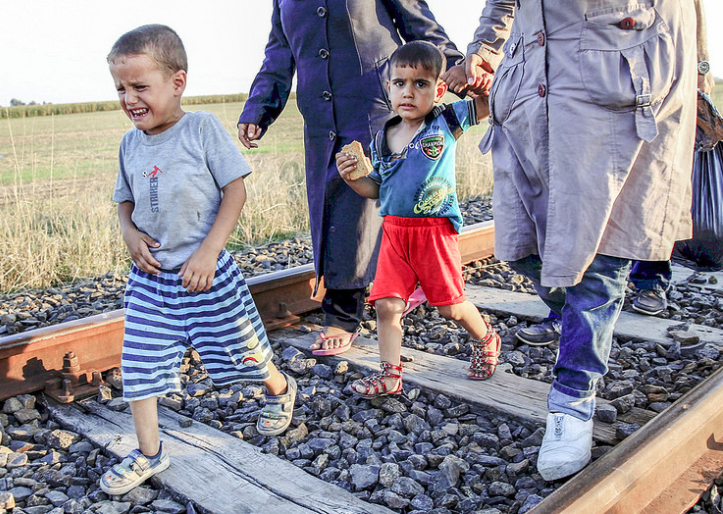
A migrant boy cries as he walks along a railway track near Roszke, Hungary. An estimated 90,000 lone child refugees arrived in Europe in 2015

Finally, what will Brexit mean for human rights legislation? Many of the rights we enjoy in Britain are underpinned by EU law, and it is not yet clear exactly what will replace this. The government has declared its intention to introduce a ‘Great Repeal Bill,’ which would repeal the European Communities Act 1972 and replace EU law with domestic law. Brexit Secretary David Davis has said that “The Great Repeal Act will convert existing EU law into domestic law, wherever practical. That will provide for a calm and orderly exit and give as much certainty as possible to employers, investors, consumers and workers. And we have been clear, UK employment law already goes further than EU law in many areas – and this Government will do nothing to undermine those rights in the workplace.”

While this appears to guarantee existing workers’ rights, it is not clear what will happen to the other fundamental rights that currently come under EU law, including data rights and privacy as well protection from discrimination. EU law has been described by Professor Colm O’Cinneide as “the engine that has hauled the development of UK anti-discrimination in its wake.” There is the potential for Brexit to have a positive effect on human rights in the UK, given that the British government will have control on the creation of these laws. However, the lack of communication from the government about how they intend to replace EU law that protects fundamental rights is regrettable.

With the triggering of Article 50 expected this month, it is important that we do not simply get caught up in the acrimony of British politics. We must bear in mind the consequences that Brexit will have and is already having on human rights. Brexit does not need to threaten human rights, but the government must be held accountable for situations where it does.

Criminally Insane

Nobody wants to talk about suicide. Suicide, however, is indifferent to this lack of attention and kills 44,193 people every year in the United States alone regardless. That’s 121 ‘successful’ suicides every day – and for each of these, there are another 25 attempts. In fact, suicide is the 10th leading cause of death in the US, behind heart and respiratory diseases and diabetes, but ahead of liver disease, Parkinson’s, and homicide. It is pandemic.

So what are we doing about it?

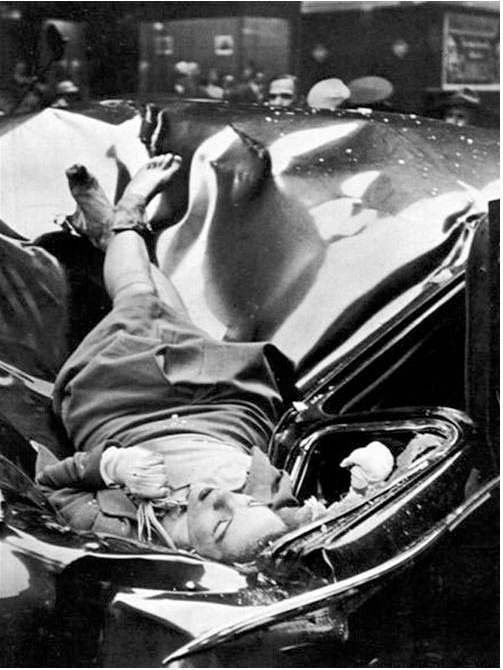
“The most beautiful suicide” of Evelyn McHale, by Robert Wiles

There are suicide helplines. But the effectivity and consistency of this resource has been called into question. In research informing the SAMHSA-funded National Suicide Prevention Lifeline Policy, it was found that of 33 calls where a suicide attempt was already in progress, emergency services were dispatched for six, helpline staff helped develop a ‘safety plan’ in eight, and no attempt was made to intervene in nineteen. This policy sought to develop a systematic approach to be applied in cases where callers were at ‘imminent risk’ of suicide, and was enforced nationwide in 2012. There exist, however, a couple of noteworthy inconsistencies within the framework. For example, it stresses ‘collaboration with the caller’ as a core value – which surely implies a certain level of mutual respect – yet simultaneously positions callers as necessarily irrational. Similarly, the policy recognises that ‘a supportive approach’ and ‘collaborative problem-solving’ are more successful than ‘authoritarian’ dynamics, and that ‘fear of potential police intervention can deter individuals from discussing their suicidal thoughts with others,’ but also implements the covert tracing of calls and unsolicited physical interventions by the emergency services.

This is not entirely controversial, and the reasoning is pretty clear: to be able to help someone, don’t support services need to know their location? However, implementing this as a systemic policy approach bestows great responsibility upon the police and emergency services, and thus the capacities of these actors must be carefully considered. Currently, the US is learning the hard way that its police force and emergency services lack the adequate crisis intervention training, and in fact may more often escalate situations by shouting commands and brandishing weapons. More seriously, there may even be evidence supporting police patterns of deliberate abuse towards those struggling with their mental health.

Here is a statistic that many do not know about the annual 963 fatal police shootings of civilians in the United States: almost half of those killed are mentally unwell. In many cases, the civilian’s mental state is known to the police officers. Yet a policy that undermines people’s rationality and agency and legitimises surreptitious tracing of calls inflates brash egos and aggression towards the very people in need of help. So it is not just the capacities, but the underlying mindset, that must be corrected. In the all too rare instances when officers are specially trained, ‘Crisis Intervention and Negotiation Units’ often combine suicidal persons, hostage-takers, and barricaded suspects together. An inappropriate grouping of mentally ill and suicidal people with criminals and terrorists is emblematic of the problem of the criminalisation of this group. Criminalisation that has grown so prevalent, in fact, that it has given rise to a new method of suicide: ‘suicide by cop’.

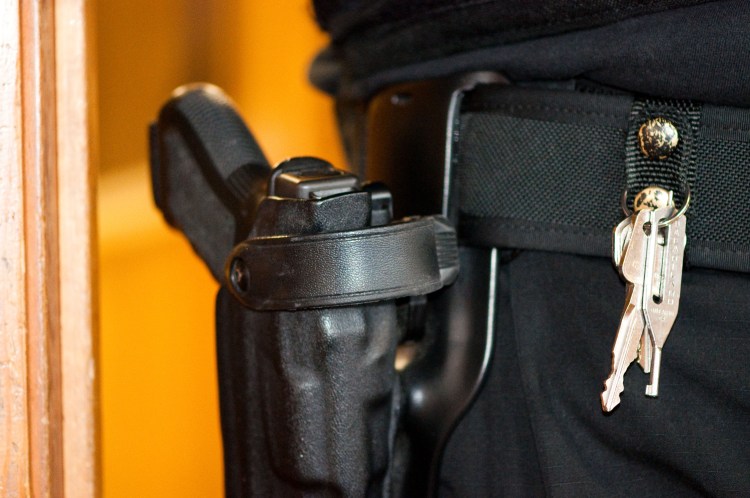
A gun at a police officer’s side, by Melanie Rene

Suicide by cop is exactly what it sounds like – the goal is to ‘provoke’ the police to shoot. ‘Suicides’ have been completed in this way by those as young as sixteen; police have been called to intervene with people showing signs of disturbance or suicidal intent and felt sufficiently threatened by weapons or behaviours to shoot and kill – only to discover afterwards that the weapon was fake, or that a suicide note had been left prior to the encounter. According to The Guardian these incidences make up 12% of fatal police shootings, and in two-thirds of cases police had prior knowledge that they were dealing with a suicidal person. And they still pull the trigger.

This is a nation-wide, systemic issue that must be addressed immediately. Responses to family calls for help for their loved ones should not be responded to with assault rifles instead of mental health professionals, or with nineteen armed and untrained officers. This can only lead to more killings. Men are killed. Women are killed. Children, teenagers, adults, and pensioners are killed. Pregnant women are killed. They are killed in their cars, in shopping centers, in their own homes. And they are killed within minutes of police arriving. An improved approach will not only save lives, but money as well; suicide currently costs the US $44 billion annually. The problem is not going away – in fact, with cutbacks in mental health services, repeal of The Affordable Care Act, and growing abuse of prescription drugs, it is only likely to intensify.

If you are affected by this issue there are a number of support services available.

Samaritans: http://www.samaritans.org/

Papyrus: https://www.papyrus-uk.org/

SOBS: http://uk-sobs.org.uk/

A Policy of Silence: The Global Gag Rule and its Impact on the Developing World

On January 26, not even a week after his inauguration, President Trump signed an executive order reinstituting the controversial Mexico City policy. This so-called ‘Global Gag Rule’ is a piece of legislation that prevents federal funding from the United States being used to advocate for the legalisation of abortion, provide abortion referrals or counselling, or expand pre-existing abortion services. Enacted in 1984 by President Ronald Reagan, the policy has since been upheld by Republican administrations and rescinded by Democratic ones. A requirement of the policy is that non-governmental organisations that use US federal funding declare they “neither perform nor actively promote abortion as a method of family planning in other nations,” with the only exceptions to the Mexico City policy being abortions in the case of incest, rape, or life-threatening conditions. Trump’s reinstating of the policy has which reignited the debate on the relationship between federal money and abortion, both at home and abroad.

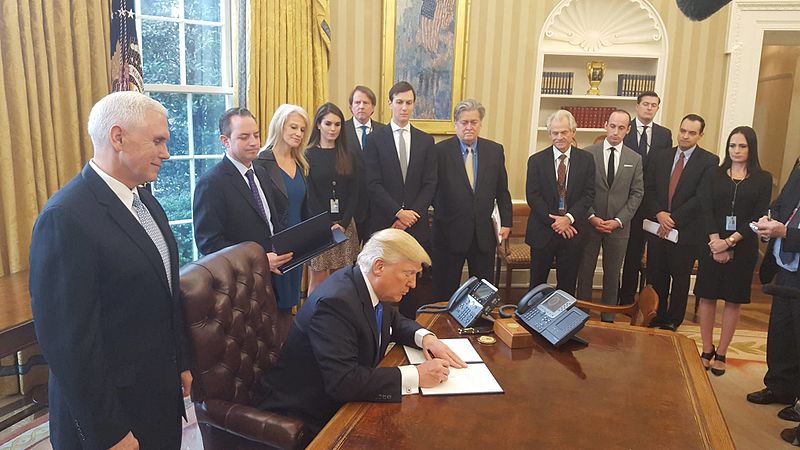
Donald Trump signing executive orders in January

In theory, the Mexico City policy is a means for the federal government to prevent American taxes being spent on abortion services; in a country where 75% of citizens declare themselves to be Christians, this is an unsurprising approach, and the status of the Mexico City policy undoubtedly remains influenced by the Christian right. Yet in reinstituting the Mexico City policy, the United States once again puts itself at odds with the international community committed to ensuring that the rights of women are protected, and who recognise that there are “robust empirical patterns suggesting that the Mexico City Policy is associated with increases in abortion rates.” The United Nations has consistently affirmed the right of women to an abortion as a human right, stating that “criminalisation of abortion and failure to provide adequate access to services for termination of an unwanted pregnancy are forms of discrimination based on sex.” As a major world leader and self-proclaimed human rights champion, the United States should be expected to uphold the rights of all global citizens, whether inside the American borders or not; in reinstituting the Mexico City policy, the American government fails to do this. It is a case of denying human rights by proxy; non-government organisations that rely on US aid to support vulnerable populations – particularly smaller organisations – will expect to either cut services that support, condone, promote, or provide abortions, or risk losing funding entirely.

Furthermore, the issue with removing funding for organisations that support a woman’s right to seek an abortion is that the data clearly demonstrates that criminalising abortion does not correlate with a reduction in the number of abortions performed, safe or otherwise. Data produced by the Guttmacher Institute shows that in Europe, where abortion is for the most part safe and fairly readily available, the number of abortions totalled 4.4 million between 2010 and 2014, making up 30 out of every 1,000 pregnant women. North America’s numbers were significantly lower: the US and Canada accounted for 1.2 million abortions in the same time frame, and made up 17 out of every 1,000 pregnant women. In contrast, the regions of the world with the most stringent abortion laws – Africa and South America – saw 34/1,000 and 47/1,000 women seek abortions respectively. The greatest need for abortion, therefore, correlates with the strictest abortion laws. Whilst concerns for the safety of women’s rights in the United States are valid, the true cost of the Trump administration’s policies toward abortion will therefore be felt most in underdeveloped countries, where 98% of unsafe abortions occur. Reducing access to safe abortion procedures will likely produce a spike in unsafe abortion rates and related deaths. The UN defines unsafe abortions as “a procedure for terminating an unintended pregnancy carried out either by persons lacking the necessary skills or in an environment that does not conform to minimal medical standards, or both.” According to the World Health Organisation, unsafe abortions account for 13% of maternal deaths, making it one of the highest factors in global maternal mortality. Furthermore, 5 million women who undergo unsafe abortions each year suffer long-term health consequences, 40% of whom never receive treatment for their conditions. It is the human rights of these women, the majority of whom live in the developing world, that are at risk with Trump’s executive order.

A map showing country-level maternal mortality rates, by the WomenStats Project

The war over the right of a woman to terminate her pregnancy remains as contentious in the United States now as it was in 1973 at the time of the Roe vs. Wade Supreme Court ruling. Democrats and Republicans, pro-choice activists and pro-life activists, debate the validity of the ruling and what it means for American domestic and foreign policy, and the new administration’s approach to abortion policy only compounds the issue for American lawmakers, and in the wider international community. What the data clearly demonstrates is that to reduce the number of abortions globally, removing funding to non-governmental organisations is not the answer. By preventing funding safe abortion procedures, counsel, or support, the Trump administration only heightens the risk of termination of pregnancy resulting in complications that prove fatal or life altering to the women involved. It therefore remains a human rights issue that should be of immense importance to the global human rights community.

Child Marriage in India: The Facts

While child marriage in India was officially outlawed in 1929 with the Child Marriage Restraint Act its enforcement and definition have been a constant source of political debate up to current times within the country. When India was under British Colonial rule the legal minimum age for marriage was fifteen for girls and eighteen for boys. In 1978 the Indian government officially raised the minimum age for marriage to eighteen and twenty one for girls and boys, respectively. In 2006 the Prohibition of Child Marriage Act was passed; it reinforced the 1978 age of legal marriage, created punishments for those complicit in child marriage, and allowed child marriages to be annulled, although the latter relies on the willingness of the child’s family to contact authorities. Child marriage, particularly among girls, is prevalent in India. According to UNICEF 18% of girls age fifteen and under were married and 47% of girls under the age of 18 were married in 2016 alone. According to the 2001 Indian census there were an estimated 1.5 million girls in Indian under the age of fifteen who were married, and of those girls roughly 300,000 were already mothers to at least one child. The problem with combating child marriage in India is how entrenched it is in society; action beyond the passing of legislation is required to fully eradicate it.

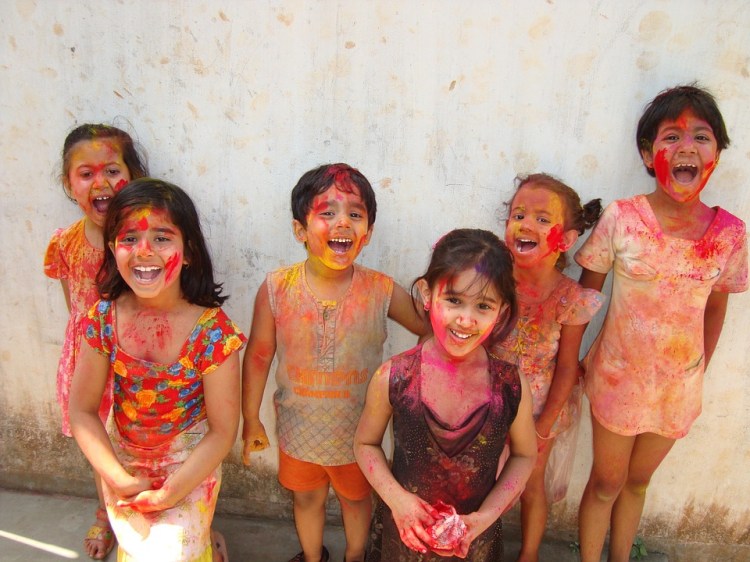
Children laughing during the Hindu festival of Holi

While child marriage in India is not exclusive to girls it is significantly more prevalent among females. Whereas some 16% of boys under the age of 21 are currently married in India, 47% of Indian girls are married before eighteen. Furthermore, the consequences of child marriage for girls are tremendous. Girls who are married as children are more likely to drop out of school, perform low-wage jobs, and have less decision making authority within their home and family. Child brides lack of education results in them having fewer employable skills and less negotiating power. For instance, once a girl has achieved ten years of education her chance of becoming a child bride is six times less than if she had not achieved that educational benchmark. Keeping girls in school is key not just to preventing child marriage but to furthering society as a whole; educated women earn more, are less likely to be victims of domestic violence, and are more likely to have educated children. Child brides are also more likely to face domestic violence and contract HIV/AIDS or other STI’s. 13% of married Indian females between the ages of 15 and 19 are victims of sexual assault by their husbands. This number drops to 10% when women are between the ages of 30 and 39. Furthermore, their are serious health risks surronding child and teenage pregnancy. One in six Indian women have their first child between the ages of 15 and 19. With each subsequent child they have while in this age range their chances of delivery complications as well as maternal and infant mortality increase. The infant mortality rate for women who give birth between the ages of 20 and 29 is 50%, versus 76% for women who give birth before the age of 20.

Child marriages are most prevalent among lower socioeconomic classes. The Indian caste systems accentuates this problem. Families from lower socio-economic backgrounds are more likely to marry their daughters off at a young age because they are seen as an economic burden. By having their daughters marry, families transfer the financial strain from themselves to their daughter’s husband and his family. Furthermore, dowry and marriage costs often incentivize poorer families to have their daughters marry at younger ages in order to reduce these cost. Location as byproduct of socio-economic class is also a large factor in the age in which a girl is married in India. Some 70% of the Indian population lives in rural settings, however a majority of the wealth is concentrated in the cities. Wealth disparity has also been growing in India at a rampant pace, due in a large part to gloablziaiton and economic liberalization. As a result, 49% of girls from rural settings, compared to 29% of girls from urban areas, are married before their eighteenth birthday.

Child marriage in Indian varies drastically according to geographic area as well. Central and Western India, in general, have the highest rates of child marriage. Whereas Eastern and Southern India traditionally have lower rates of child marriage. There are also some Indian states whose child marriage rates vastly exceed the national average, such as Bihar and Rajasthan, where over 60% of females who are currently between the ages of 20 and 24 were married as children.

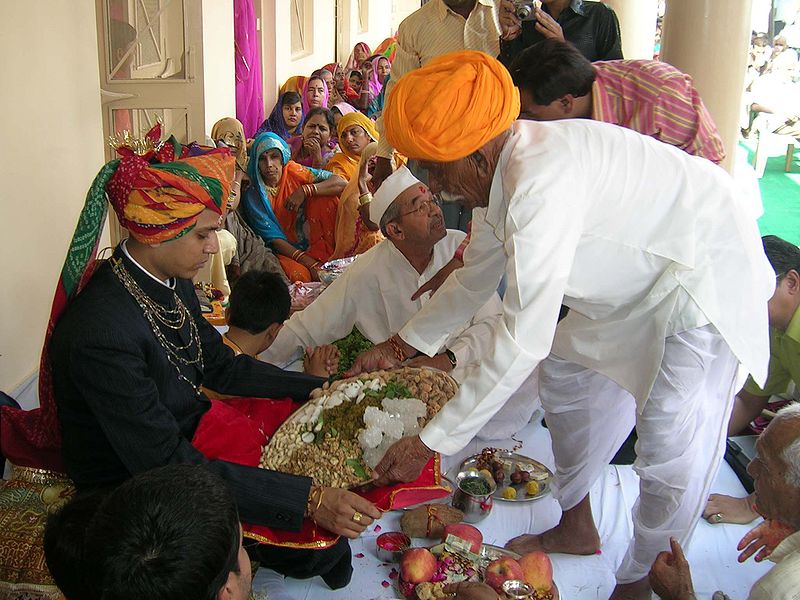
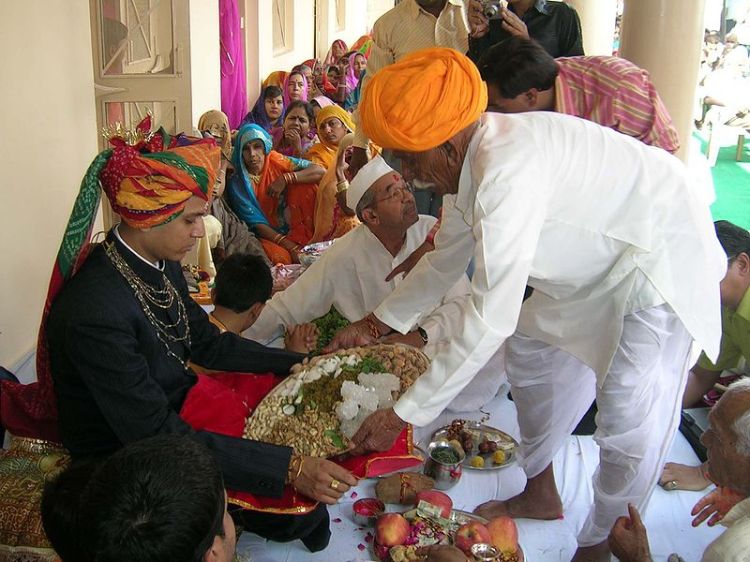
A traditional feast at a Hindu Rajput wedding, by Jaisingh Rathore

The Indian government is counteracting its high rates of child marriage through several initiatives. First, it is partnering with UNICEF to increase child marriage prevention laws and create a child marriage telephone hotline; to empower girls through life and protection skills; to mobilize communities by working with key local leaders, counseling, and media; and to create education and social protection programs. Second, in 2013 the Ministry of Women and Child Development drafted a National Action Plan with the goal of preventing all child marriages; unfortunately it has yet to be enacted. Its key focuses are law enforcement, high quality education, shifting traditional mindsets and social norms towards women, and empowering adolescents. Third, India uses cash incentives to prevent child marriage, specifically the Dhan Laxmi scheme and the Apni beti apna dhun programme. Furthermore, India is a member of the South Asia Initiative to End Violence Against Children (SAIEVAC). This initiative has a regional action plan, which they are implementing between the years 2015 and 2018, and aims to end child marriage.

The international community also aims to end child marriage in India. India is one of twelve states that was chosen to participate in UNFPA as well as UNICEF’s Global Programme to Accelerate Action to End Child Marriage. UNICEF partners with local organizations within India to combat the problem. UNICEF emphasizes community relations, education, and publicity; the goal is to change entrenched mindsets on women’s role in society which will by default lessen child marriage. There are also various NGOs who are working to eliminate child marriage in India including Breakthrough, the Girls not Brides initiative, the Saarthi Trust, and Vasavya Mahila Mandali.

If you want to help combat child marriage in India, check out UNICEF’s webpage for up to date information regarding the current situation. You can also take immediate and effective action to stop child marriage not just in India but globally through the Girls not Brides Initiative. You can donate to specific projects in India such as empowering adolescent girls in urban slums or ending child marriage through education in India. If you do not currently have the means to make a financial contribution you can spread the message through social media. By sharing the facts on Facebook and Twitter you will help raise awareness and activate more people to advocate for the end of child marriage in India.

Child Marriage… In New York?

The issue of child marriage is widely discussed in the context of far away countries, where discrimination against women is the norm and access to education is limited. Unsurprisingly, this issue disproportionately affects young girls. A staggering 15 million girls worldwide are married before the age of 18, and not just in developing countries. In fact, a concerning fraction of these underage marriages occur in the developed world. Most people would be shocked to learn that between 2001 and 2010, nearly 4,000 teenagers under the age of 18 married legally in New York State. New York is not the only state that has struggled with this issue, but it happens to be a standout in the unspoken problem of child marriage in the United States.

Legal consent to marry is determined on several levels across the United States. Nationwide, anyone can legally consent to marry once they reach the age of 18. However, states have the ability to allow marriages when one (or both) of the partners is a minor if certain conditions are met. Usually, these ‘conditions’ are limited to parental consent. However, in most states, and in the case of New York State, parental consent only covers marriages of minors of 16 years of age or older. For anyone younger than 16, judicial consent is necessary. Although these sound like reasonable and serious precautions, it should be noted that both parental and judicial consent are relatively easy to work around in most states. In cases where parental consent is required, few states have laws requiring the investigation of a minor’s willingness to marry when their parent or legal guardian has signed off on it. This means that in cases where a parent coerced or forced their child into an unwanted marriage, the legal system has no mechanism in place to thoroughly evaluate such cases. Cases of parents forcing their children into marriages has been observed in American families of a wide range of religious backgrounds, from Catholic to Hindu to Mormon. Reasons for such forced marriages vary from economic motivations to controlling a child’s sexuality – strikingly similar to the reasons behind forced marriages around the world.

The Statue of Liberty, New York, by Daz Smith

New Jersey, another state with loopholes in their marriage laws, has seen 3,461 marriages involving minors between 1995 and 2012. Although most of the minors in these marriages were 16 or older, this statistic remains deeply troubling. The problem is further complicated by the fact that 91% of these marriages occurred between a child and an adult, often in the category where statutory rape charges would be applicable in the absence of the marriage license. Furthermore, 90% of the minors involved in these marriages are girls, unsurprisingly. Some such marriages have received a startling reaction in the media. For example, the 2011 marriage between 16-year-old Courtney Stodden and 51-year-old Doug Hutchison was the subject of much scrutiny – and much twisted fascination – in the public eye. There is a strange phenomenon in the media, and particularly in the American media, of a sort of sick satisfaction that comes from watching others behave ridiculously and make poor decisions in the public eye. This trend is clearly visible everywhere you look, from tabloids, to viral videos, to the ever-popular reality TV shows on every network. Whatever humor, shock, or self-gratification that comes from others’ absurd and foolish behavior certainly cannot be worth the damage caused by underage marriages both here and around the world. Why is it a strange, but laughable news story when a teenage American girl marries a middle-aged man, but a tragedy when a teenage girl in Malawi or Bangladesh ends up in a similar situation? Americans, and many others in the developed world, take comfort in distancing themselves from the parts of the world they perceive as ‘corrupt,’ ‘dangerous,’ or ‘unjust,’ but they fail to see the injustice in their own backyards. It is crucial to be aware of human rights abuses worldwide and work hard to combat oppression in all its forms, whether these abuses occur around the corner or halfway around the globe.

The negative effects of child marriage have been studied widely, and the overwhelming consensus is that child marriage damages a young girl’s mental and physical health, education and career prospects, and socioeconomic well being. These negative effects are not exclusive to poorer countries. No matter where they live, girls who marry young are more likely to drop out of school, have more children earlier (sometimes putting their own health in jeopardy), fall into poverty, and develop mental health issues. All of these things are connected. Education for many is the path out of poverty, and economic stability can lessen the burden of health problems in turn. When these basic necessities are threatened when a girl gets married at a young age, her whole future is in peril. Young girls can fall into vulnerable situations in any country, but in democratic countries, people have the unique ability to have a greater say in the future prospects of their girls.

In the state of New York, lawmakers have introduced a bill to combat the issue of child marriage and monitor loopholes in marriage consent laws. The bill has been supported heavily by the group Unchained at Last, an activist group dedicated to eradicating child marriage in the United States and around the world. Recently, Unchained at Last protested child marriage law loopholes at the New York State Capital. The Human Rights Watch has also taken part in advocating for the passage of this bill. You can show your support by adding your name to the Human Rights Watch’s scripted email to state legislators in New York demonstrating support for the bill. If you live in the US and your state lacks adequate laws to protect girls from child marriage, call your legislators and demand change. Democracy works when people make their voices heard. When young girls succeed, we all succeed, and preventing child marriage is a crucial step in securing this success. And of course, it is essential to advocate for the rights of girls wherever possible, whether they pertain to health, education, economic stability, sexual violence, or marriage laws.

The Land of Liberty and Discrimination Against Atheists

Congress shall make no law respecting an establishment of religion, or prohibiting the free exercise thereof; or abridging the freedom of speech, or of the press; or the right of the people peaceably to assemble, and to petition the Government for a redress of grievances” – Constitution of the United States of America, 1st Amendment.

I pledge allegiance to the Flag of the United States of America, and to the Republic for which it stands, one Nation under God, indivisible, with liberty and justice for all” – The Pledge of Allegiance.

The United States of America defines itself as the bastion of liberty. A place where anyone can be someone and achieve ‘The American Dream’ – life, liberty and the pursuit of happiness. It is a country that boasts of its tolerance and protection of individual freedoms and does little to hide its hatred of totalitarian systems of government. During the Cold War, the Union of Soviet Socialist Republics was the enemy of individual liberty; in the 1990’s and early 2000’s it was Saddam Hussein’s Iraqi government. Since 9/11, it has been radical Islamic extremism, whether it is supported by Iran, Al-Qaeda or Daesh (although not the USA’s long-term ally, Saudi Arabia). The USA then is not afraid to take the moral high ground to defend liberty, human rights, and importantly, freedom of belief.

The Constitution of the United States was ratified on the 21st June 1788. It is arguably the most influential constitution written with the first ten amendments, the Bill of Rights, an example of the principles of individual liberty and freedom.

So, when we travel to the ‘Utopian States of America’, do we see a land flowing with milk and honey? Can Americans really be free to believe what they want, whether it is Atheism or “one Nation under God”?

Well, it depends on who you ask. Some fundamentalists believe that they are under severe persecution, that the USA is under attack from within by Secularists, and that there is a ‘civil war’ between those who support evolution and those who are creationists, and so on and so forth. I could go on but I shall refrain from this; I am only interested in the facts, and the facts are clear: 75.6% of Americans believe in God or a divine spirit; the majority of representatives and congressmen and women are Christian, while every President since Eisenhower has attended the National Prayer Breakfast. Christianity is the most dominant religious group in the USA, while America boasts the largest number of Jews outside Israel. In fact, with the exception of Muslims, most religious groups are seen pretty favourably and face few, if any, restrictions on their daily lives.

Everybody except Atheists.

Society in America is not particularly tolerant of atheism. In one study, which asked Americans which group they believed fitted in most with their values of American society, atheists were identified as the one least likely to fit in with American identity. In a Pew Research Study, 53% of Americans were less likely to vote for an atheist President, compared to one who had an extramarital affair (35%), or one who was gay or lesbian (27%). Another Pew Research Study asked participants to place how they felt about a particular religious group on a scale from 0 (Negatively) to 100 (Favourably). Atheists were placed as the second-least liked group in American society (41), after Muslims (40). As of 2015, there is one self-described atheist in Congress and with the exception of two presidents (Thomas Jefferson & Abraham Lincoln), the rest have been members of a church or have described themselves as Christian.

Atheists are not particularly liked, but surely they can go about their lives without harassment? Surely, in the land of the free, they do not have to worry about ‘coming out’ to friends and family?

Nicole Smalkowski and her family moved to Oklahoma in 2007. As an Atheist, she did not say the Lord’s Prayer before her team’s basketball match. When she revealed to her peers that she was an atheist, the relationship changed dramatically. She was called a devil worshipper and told to get out of the county. Eventually the abuse became too much and fearing for her safety, her father decided to home-school her and her sisters.

Damon Fowler was graduating in 2011. An atheist, he protested against schools having prayers at the graduation ceremony. This led to him being bullied and harassed by his peers and teachers. When he returned from his graduation ceremony, he found his belongings outside his home – he had been kicked out by his parents. He left home to live with his sister in Dallas, Texas.

Jessica Alquist complained to her school about a Christian banner hanging in the school gym. When news of this became public, she was faced with death threats and had to be escorted to school by police for her own safety.

During his inauguration in 2011, Alabama Republican Governor Robert J. Bentley claimed that “anybody here today who has not accepted Jesus Christ as their saviour, I’m telling you, you’re not my brother and you’re not my sister, and I want to be your brother”.

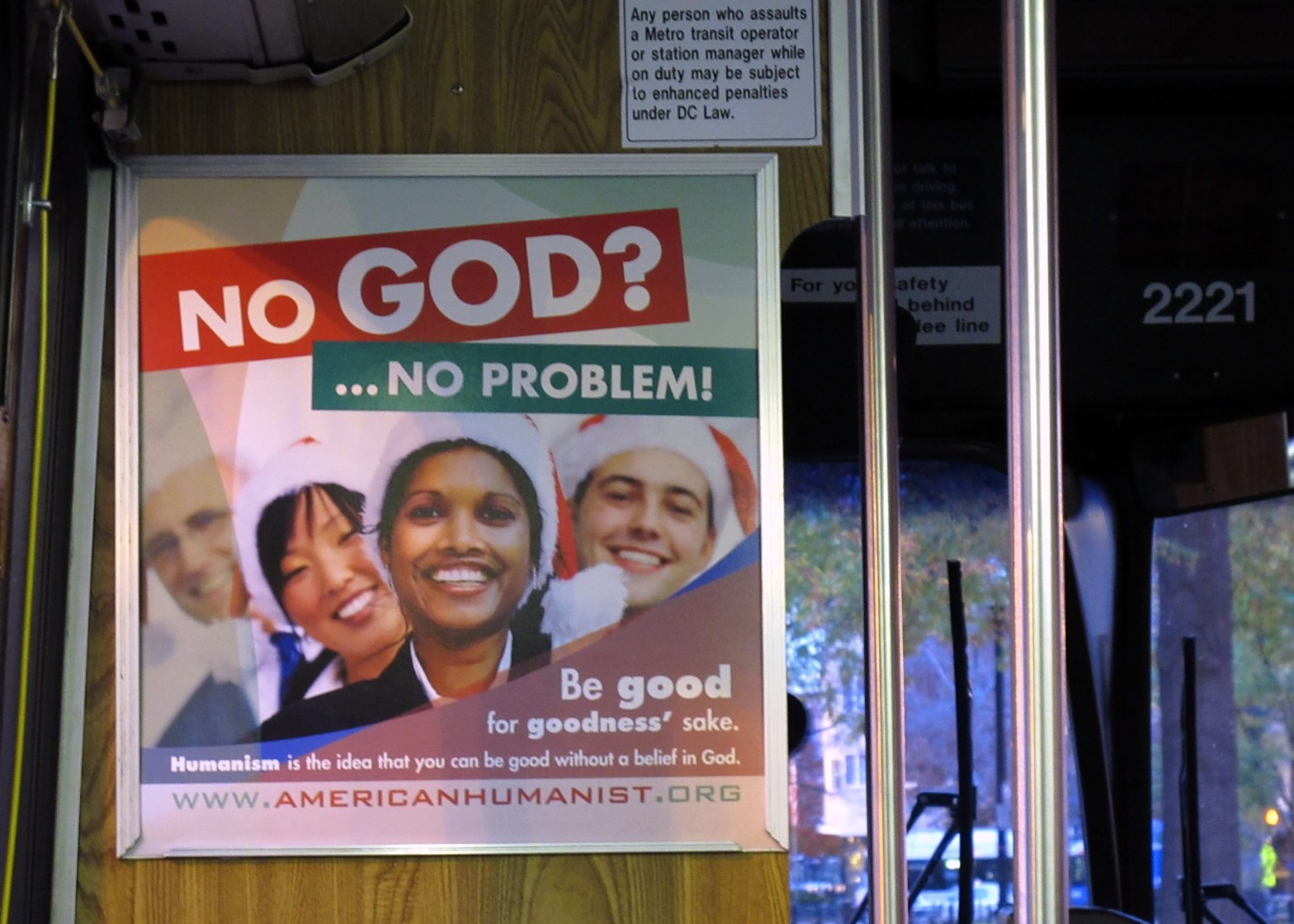
Atheist bus campaigns such as this one often receive opposition and controversy in many places where they are run.

These are not isolated incidents; they are repeated across the country. For a nation which prides itself on individual liberty, to deny the existence of a supreme being is to deny the essence of what it is to be an American. Even today, several states have unenforceable laws which prohibit atheists from running for public office. This did not stop some groups challenging (unsuccessfully) the election of Cecil Bothwell in Asheville, North Carolina, on the basis that he was unqualified to govern because of his views on the existence of God.

Atheism in America remains a touchy and controversial subject. How America will accommodate the radical fundamentalists and the desire of atheists for a secular America will continue to play out over the coming years and decades. By increasing awareness and understanding of what atheists believe, Americans will gain a better understanding of their friends, families, and neighbours, and see them not as outsiders seeking to destroy the country, but as human beings and fellow Americans.