‘Getting to the Heart’ of the Organ Trafficking Industry

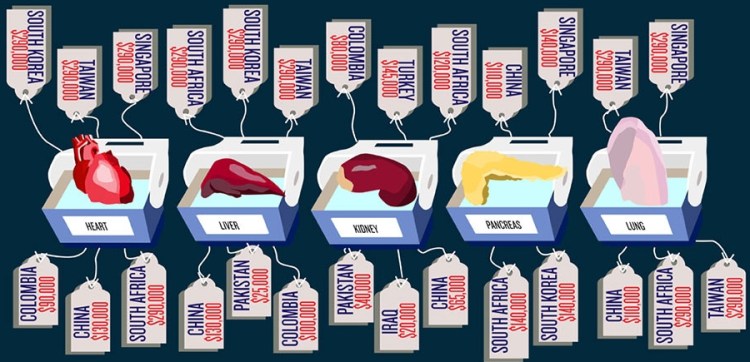
Organ donation is a much-needed act of kindness. The total number of organ transplants carried out in the period between April 2011 and March 2012 in the United Kingdom was 3,953 –an improvement upon the 3,725 transplants recorded in 2010/11. This represents an increase of 22.2% above the 2007/08 baseline. However, despite these improvements, over 10,000 people are currently in need of an organ transplant in the United Kingdom, and the number is steadily increasing. With a worldwide increase in demand for organs, illegal organ trafficking has become a vast and profitable industry.

The problem of organ trafficking has been prevalent since the medical organ transplant was introduced to the world. It is considered to be a stable and sustainable industry as long as the demand for organs exists in the world.Organ trafficking is defined as the “exploitative measures used in the processes of soliciting a donor in a commercial transplant. Exploitation is the threat or use of force or other forms of coercion, abduction, fraud, deception, abuse of power or position of vulnerability”. The illegal organ trafficking market is prevalent throughout the world, but China and its South Asian neighbours have been experiencing a particularly high increase in organ trafficking –leading to a new industry of organ transplant tourism.

There are two main sources of the illegal organ trade. The most common is the voluntary donation of organs for financial compensation. Take the example of Mr. Lee, which demonstrates individual reasoning for voluntary involvement in the illicit industry. A 35-year-old man from Incheon, South Korea, Mr. Lee sold his kidney to settle his debts, and achieved this via online message boards and forums which made it easier for the transaction to take place. It has been reported that wealthy patients are paying up to £128,500 for a kidney. However, it has been reported that in China, India and Pakistan, individuals are selling their organs for less than £3,200. An anonymous medical expert has told the Guardian that rich foreigners mainly from the Middle East and Asia are the main customers for such markets. The second common source of the illegal industry is forced organ harvesting, and this is becoming more prevalent throughout Asia. Reports also suggest the harvesting of executed prisoner’s organs, which began in China in 1984, when a law was implemented to allow the practice. This unethical organ procurement gained an additional dimension, when in 2006 the Kilgour & Matas Report claimed that organs were harvested from living prisoners, mostly from detained Falun Gong practitioners. Furthermore, victims who appear healthy are kidnapped for organ theft; twenty-five-year old Xiaohai told his story to the Yangtze Evening Post on Sept. 18. Sent on a business trip by his new employer, Xiaohai was led under false pretences –he was taken to a hospital, and had one of his kidneys removed without consenting. Xiaohai’s story is one of many which expose how young people are victimised. It is alarming to see that such theft happens on a regular basis.

It is clear that the number of organ trafficking incidents is increasing, and is more prevalent throughout the world than ever before. Therefore, it is important that we acknowledge such a problem and implement more strict enforcement and legislation to discourage involvement in the industry. Organ trafficking, even when voluntary, is fundamentally unethical and illegal.

Femmes Fatales: Women in the Military

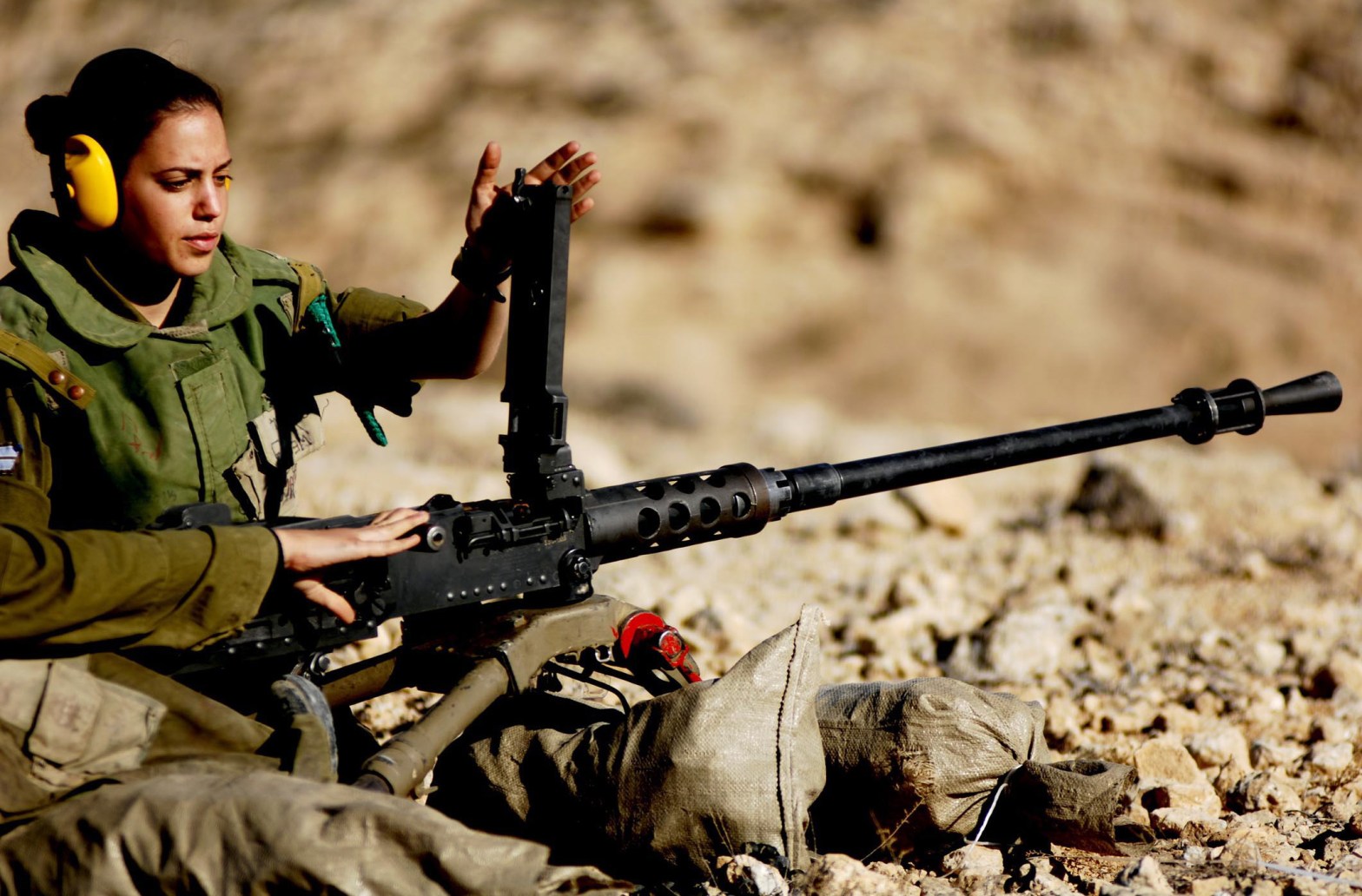
Women in the military have a history that extends over 400 years into the past. Women all over the world serve in the military and in different roles. Yet only certain nations permit women to fill active combat roles. The US recently overturned a 1994 rule banning women from serving in certain combat positions, potentially clearing the way for the presence of women in front-line units and elite commando teams. They now join the handful of countries that allow women to partake in active combat roles (New Zealand, Canada, Denmark, Finland, Italy, Germany, Norway, Israel, Serbia, Sweden and Switzerland). The question is, will Britain follow the US lead?

Women may now join the British Armed forces in all roles except those whose “primary duty is to close with and kill the enemy”. As it stands around nine per cent of the British armed forces are women. In the Army, 67 per cent of all jobs are open to females, compared with 96 per cent in the RAF and 71 per cent in the Royal Navy. But opportunities are continuing to open up. In 2011 women were allowed to serve on submarines for the first time and have been heavily involved in the wars in Iraq and Afghanistan, serving as pilots, military police and intelligence officers.

So is the ban really a case of sexism, of politically incorrectness? Or is it rather the realisation of a harsh reality: that women are not as physically able as men in this capacity? An eight-stone female can’t carry a 15-stone man, which, if he were wounded, she would need to. It is not politically incorrect or sexist. It’s not about equality, either.

I think we all can, women included, accept that there are physiological differences between male and female that would have an impact on performance in these positions. As Coloner Mike Dewer notes, the inclusion of women may result in a “sub-optimal infantry”. However, if the ban were lifted it would not mean that all women would be able to serve in those positions. Only the women who were deemed capable through testing and training would be. So what’s the real problem?

The main obstacle for women who want to serve their country is an outmoded set of biased assumptions about their place in society. It may be surprising to discover that many feminists are actually opposed to women’s complete integration into military roles as this encourages further militarisation of society, and the military being a typically masculine domain it thus encourages a further masculinisation of society.

Women who serve in the military rarely escape their gender. Take Faye Turney’s story, for instance. She was part of a group that was taken captive by Iranian military personnel in 2007. Faye received the most amount of media attention out of all of her colleagues, and in each and every report, or story, was reference to her motherhood. Her heroism, and her courage were both measured in relation to the fact that she was a mother. It’s unlikely that reports would follow the same pattern if they were about a soldier who also happened to be a father.

It is clear that the next step forward for the UK is to lift the ban, but it should not be assumed that this will be the end of the line concerning gender issues in the military. The next battles for female soldiers will be ensuring that this policy is implemented effectively, stamping out any remaining sexist attitudes.

Singapore: A wealthy city-state where the freedom is poor

Singapore is known to outsiders for its unique laws on the likes of chewing gum, tobacco, toy currency (not counterfeit, but the ones children play with) and pornographic material. It is also one of the wealthiest countries in the Asian continent, if not the world, with a GDP per capita of $60,900. Likewise known for its highly developed and successful free-market economy, Singapore enjoys a remarkably open and corruption-free environment and stable currency. But there is a side to Singapore often overshadowed by its economic success, and this side does not necessarily reflect the best of Singapore.

The Singaporean government guarantees its citizens the rights to freedom of expression, peaceful assembly and association. However, Singapore permits broadly interpreted restrictions not only for security, public order and morality, but also for parliamentary privilege and racial and religious harmony. Moreover, such restrictions can be used to facilitate censorship of broadcast and electronic media, films, video, music, sound recordings and computer games. What’s more, the Newspaper and Printing Presses Act requires publications to renew their licenses on a yearly basis, thus enabling government officials to limit the circulation of foreign newspapers they deem to “engage in the domestic politics of Singapore.” Another major problem regarding freedom of the press stems from the fact that the two corporations which dominate the media in Singapore are either wholly owned by a government investment company (MediaCorp) or a private company (Singapore Press Holdings Limited), friendly to the government, and whose boardroom holds the power to hire and fire directors and staff across its publications at will.

Although Singapore loosened some limitations on free speech, association and assembly in mid-March 2011, it has tightened restrictions on other sources of information. Blogs, podcasts and social networking sites were permitted for use in Internet election advertising as long as they did not contain recorded messages that were “dramatized” or “out of context,” neither of which was properly defined. Moreover, government officials continue to maintain that religious and ethnic differences have “the potential to cause friction and divide Singaporeans,” and in doing so justify maintaining restrictions on free speech.

Singapore’s judicial system is another case in note. The Internal Security Act (ISA) and Criminal Law (Temporary Provisions) Act allow for virtually unlimited detentions of suspects without charge or judicial review, if necessary. On the other hand, when dealing with drug-related issues, the Misuse of Drugs Act permits the confinement of suspected drug users in “rehabilitation” centres for up to three years without trial, and second-time offenders may face long prison terms and even be caned. Singapore has also continued to implement mandatory death sentences for some 20 drug-related offenses, despite heavy criticism. Judicial caning, an inherently cruel punishment, is a mandatory and additional punishment for medically fit males between the ages of 16 and 50 who have been sentenced to prison for a range of crimes, including drug trafficking, rape and immigration offences. A sentencing official may at his discretion order caning in different cases involving approximately 30 other violent and non-violent crimes. The maximum number of strokes at any one time is 24. The United States State Department reported that in 2010, “3,170 convicted persons were sentenced to judicial caning, and 98.7 percent of caning sentences were carried out.” During its HRC Universal Periodic Review (UPR), Singapore rejected all recommendations designed to eliminate caning.

Sexual discrimination is also prevalent in Singapore. Penal Code Section 377A criminalizes sexual acts between consenting adult men in the name of AIDS prevention and public safety. The same does not apply for women. The claim would appear to be absurd given that Singapore boasts one of the world’s best healthcare systems. Considering the amount of discrimination homosexuals already endure within Singaporean society, criminalization of male homosexuality must be condemned in the strongest terms possible.

Singapore is a beautiful city-state with many positive policies and systems to learn from, but it also is accurate to say that it needs reform of its judicial process, freedom of speech, and discriminatory policies. As Singapore seeks to cope with difficulties with neighbouring Malaysia and other South East Asian states, it will have to improve its record of freedom among its citizens. It would be intriguing to see what kind of direction Singapore takes as it emerges into one of the region’s key economic players.

Lèse-majesté in Thailand

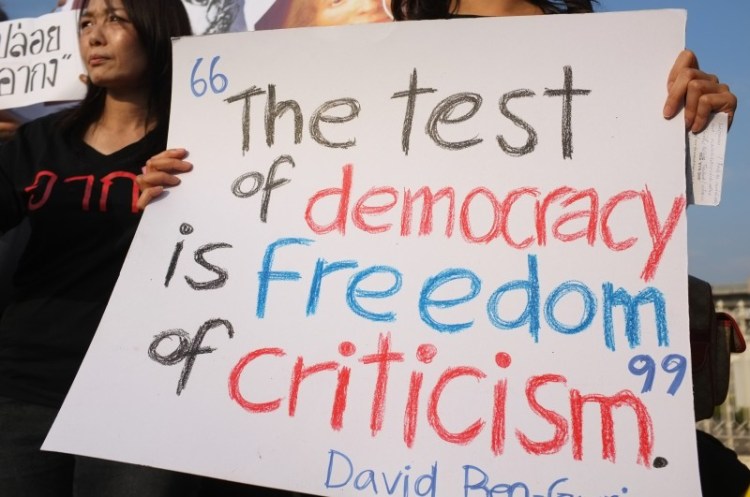
“The law’s defenders claim that Thailand’s love for its king is incomparable. Its critics say the law has become the foremost threat to the freedom of expression”. (David Streckfuss – Truth on Trial in Thailand)

Lèse-majesté – the crime of speaking offensively about the monarchy, has been present in Thai legislation for over a century; adopted into the new constitution in 1932 following the establishment of a constitutional monarchy. Whilst lèse-majesté laws are still in existence today in Norway, Kuwait, Jordan and Spain, Thailand arguably holds the strongest enforcement of the law. To demonstrate this, consider the dramatic increase in the number of lèse-majesté charges –rising from 33 arrests in 2005 to 478 arrests in 2010, during the large-scale protests in Bangkok organised by the ‘red shirts’ against the Democratic government.

Article 112 of the Thai Criminal Code outlines the lèse-majesté law as follows:

“Whoever defames, insults or threatens the King, Queen, the Heir-apparent or the regent, shall be punished with imprisonment of three to fifteen years.”

The law encompasses many actions deemed to be of offence to the reigning sovereign, including defamation of images of the King, text messages, written and spoken affronts. The law even includes a ban on the purchase of texts depicting a negative portrayal of the King –take for instance, the controversial book The King Never Smiles,which is not only prohibited in Thailand, but also subject to Internet censorship. Prominent political activist and magazine editor Somyot Prueksakasemsuk was sentenced to ten years imprisonment under lèse-majesté for printing remarks that were both insulting and threatening to the King. Denied bail 12 times a mere 10 months into his sentence, human rights groups argue he has been denied his right to freedom of expression. His arrest has been met with protests on the streets and across universities in Thailand. Streckfuss declares that those imprisoned under lèse-majesté are not granted the right to a fair trail due to the way in which an investigation to uncover the ‘actual truth’ may involve further defamation of monarchical dignity by making accusations public. With a phenomenal 1,500% increase in lèse-majesté cases since 2006, the legislation remains unchallengeable. Those who wish to campaign for the abolition of Article 112 themselves risk being prosecuted under lèse-majesté.

Thai historian Streckfuss argues, “the difficulty for defenders of the law is to explain how the institution of Thai monarchy could be so utterly loved if it required the most repressive lèse-majesté law the modern world has known”. However, as TIME magazine’s Robert Horn points out, no member of the royal family has ever filed a claim of lèse-majesté. One must then question –if the monarchy itself is not objecting to the freedom of speech of its citizens, how has the law remained in legislation for over 70 years? Who truly benefits from this repression of public sentiment?

Do They Know It’s Christmas Yet?

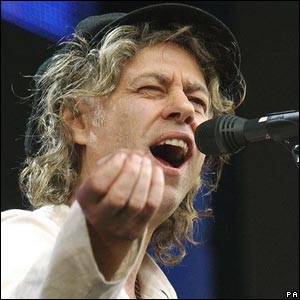
In November 1984 supergroup ‘Band Aid’ released their charity single ‘Do they know it’s Christmas?’ and sold 3.69 million copies worldwide. Proceeds were to be donated in support of famine relief following Michael Buerk’s report from Ethiopia. The Thatcher government was highly criticised for obtaining the record’s value added tax; only later under much public scrutiny and pressure from producer Sir Bob Geldof, thegovernment released the VAT to be later donated to charity. In further support of the record, BBC Radio 1 pledged to play the song once every hour, raising awareness and ensuring its place as Christmas number 1 in 1984. This is not however to say that the song or its intentions were universally received. Singer Morrissey called the charity single “the most self-righteous platform ever in the history of music”. Despite such a reception, the success of the song led to another campaign, the Live Aid concert. According to the Daily Mail, “the 16-hour rock concert on July 13, 1985 raised around £65million and was watched by a global audience estimated at 1.5 billion”.

Some twenty years on, speculation has risen concerning the allocation of the money that had been raised. A member from the Band Aid Trust has declared that “grants totalling $7,207,723 were provided to REST between 1985 and 1991”. BBC Editor Martin Plaut has suggested that up to 95% of money allocated to REST – the Relief Society for Tigray – was “spent on military and political campaigns.” REST was confirmed by a BBC correspondent in the 1990s to be “the humanitarian wing of the rebel movement … of that there is no doubt”.

The BBC World Service News report sparked outrage from Sir Geldof and the Band Aid Trust, who have accused the report of being an example of “disgracefully poor reporting”. Charged with factual inaccuracies and unsubstantiated claims, the majority of Plaut’s report was removed following official complaints by the Band Aid Trust. But reports from various other newspapers contained first hand accounts of the alleged abuses.

John James was Band Aid Field Director in Ethiopia from 1985 to 1991 and was awarded an MBE for his charity work. He says: ‘I would be surprised if it were any less than 10-20 per cent of funds were diverted to the rebels’.

Charity organisations involved with Band Aid at the time have voiced concerns of losing donors and funding as a result of the controversy. The focus of media reporting in 2010 seems to have shifted from the altruistic fundraising abilities of the British public to the credibility of reporting. Whether the credibility of individual reporters remains in tact or not, one thing remains: the need for the truth.

Religious Oppression and the Muslim Brotherhood: Egypt in Focus

The Egyptian government has struggled to consolidate its power since the fall of Hosni Mubarak; the Muslim Brotherhood now dominates the newly elected government. The fact that a religious political organisation is the dominant political power has brought unwelcome consequences for religious minorities in Egypt. Coptic Christians represent the single biggest religious minority in the Middle East and have historically endured hardship and oppression. But the plight of the Coptic Christians has now taken a dramatic turn for the worse. As the new government pushes for an Islamic constitution, extremists are increasing their attacks on Coptic Christian churches. It may appear easy to overlook the conditions experienced by the Coptic Christian minority, especially given the political issues currently affecting Egypt. But we must ensure their religious rights are not overlooked.

Coptic Christians are referred to as “Aqbat al-Mahgar”, Coptic Diaspora in Arabic. The term is commonly used in state media and tends to carry negative connotations. These have risen in prominence since the release of the anti-Islam film “Innocence of Muslims,” produced and promoted by an Egyptian Coptic Christian living in America. Coptic Christians are referred to as ‘Copts’ by many Egyptians. Most Egyptians shy away from identifying Coptic Christians as Egyptians. According to Nancy Messieh, associate director of the Atlantic Council’s Rafik Hariri Centre for the Middle East and editor of Egypt Source, on 9 October 2011, “as tanks crushed peaceful protesters outside the Maspero state television building, Egyptian state TV journalist Rasha Magdy called on Egypt’s honorable citizens to defend the nation’s military, which she said was under attack by armed Copts”. That night, the use of the word ‘Copts’ made it easier for state television to create an instant division among Egyptians. As images of Egyptian men and women being chased down by army tanks were broadcast on live television, these men and women were simply labelling them as ‘Copts,’ rather than Egyptians, or even Egyptian Christians. This fuelled the sense of disassociation between Egyptians and Coptic Christians, making it easier for the non-Christian Egyptian population to detatch themselves from their fellow Christian citizens and discriminate against them.

As of November 2012 Tawadros II has been Pope of the Coptic Christian Church in Egypt. However, the new Pope faces an uncertain time in the Arab world’s most populous country, and one which overthrew Hosni Mubarak last year and has since elected Mohamed Morsi. The rise of Islamism after the revolution that ousted Mubarak has sparked fears among Coptic Christians of further persecution at home, despite Morsi’s repeated promises to be a president “for all Egyptians.” Despite his promises, sectarian attacks against Coptic Christians have increased, and dozens have been killed in violence over the past two years. Many Egyptian Christians such as Emad Eskarous argue that the revolution has made matters worse for Coptic Christians. Clashes between Coptic Christians and Muslims are now a regular occurrence. In January 2011, a suicide attack on a church in Alexandria killed 24 people, and in a separate incident at least 16 people were wounded after an attack on a church and Christian homes in a village near the Egyptian capital on 1 August, 2012. The fears induced within the Coptic community by the rise in attacks are illustrated by an increasing number of asylum application to the United States.

Religious rights exist to serve all religions, regardless of a difference in beliefs. It is not acceptable to oppress one religious group just because they are a minority. The Egyptian government should do everything in their power to discourage attacks on Coptic Christians and protect the rights of all religions. As the Muslim Brotherhood seeks to restore religious rights for Muslims, they must learn to protect religious rights for Egypt’s religious minority groups as well.

Will Cuba still remain an Island-Cage?

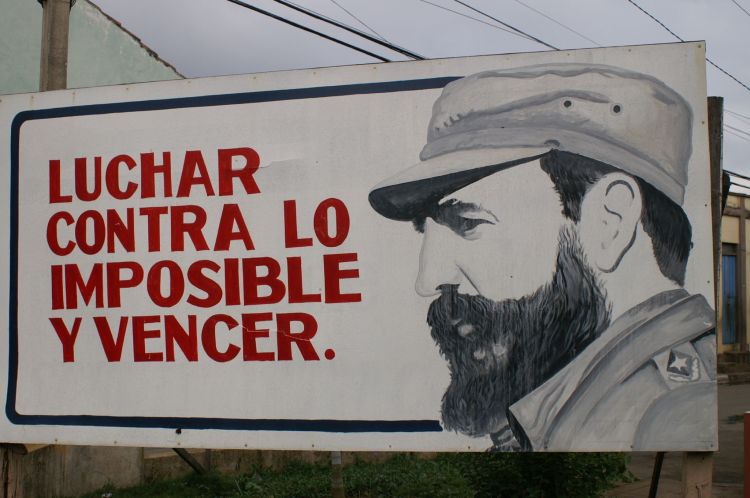
Last summer, I had the chance to travel throughout the eastern part of Cuba and stay in casa particulares – rooms in Cuban homes rented by locals who obtained a license from the government. This trip gave me the chance to receive a first-hand perception of how Cubans have lived under the Castro regime for the last 60 years and how they view Raúl Castro’s reform efforts over the past four years.

Soon enough I realized that most Cubans have never left the country, while others with greater luck have been able to go abroad through exit permits (issued by the Cuban government) or invitation letters, provided by residents from destination countries. Nonetheless, the Cuban authorities have recently assured that by the 14th of January, Cubans will no longer have to apply for an exit permit to leave the island. Yet is the new immigration law another attempt by the Castros to deceive the world into thinking that Cuba is truly changing? Will this reform significantly alter Cubans’ way of life for good?

For almost 52 years, tight restrictions on immigration have prevented Cuban citizens from travelling outside the country, and those who left illegally have not been able to go back to their beloved home. However, last October 16 the Cuban government released a new immigration law that will abolish government exit permits, and normalize a temporary entry of Cubans who left after 1994. This breakthrough seems to be a further step towards a more politically open order, but also a challenge for the Obama Administration, whose latest policies are seen by Republicans and some Cubans as too flimsy towards the Castros’ regime. It is also noteworthy mentioning that even if this law has been on the cards since August 2004, Cuban officials have carefully chosen this date, as it corresponds with the 50th anniversary of the Cuban missile crisis.

But before going into further detail, it is of the utmost importance to understand the impact this new immigration law will have on the Cuban citizenry. To that end, briefly describing how Cubans’ life has been limited for the past five decades would be a good start.

In an isolated country like Cuba, where almost 97 percent of the population doesn’t have internet access, where an internet connection is overwhelmingly expensive ($6 USD per 30 minutes) and where cellphones are still considered a luxury, it seems extremely difficult to stay in touch with the outside world. Yet Cubans who work in the tourist industry and are able to get hold of US dollars have managed to establish some kind of relationship with foreigners, and are thus more likely to go abroad through invitation letters. They also need to go through a rigorous process to get their passports and visa. It gets even more difficult when Cubans, longing to travel, do not reside in Havana because they would have to incur extra expenses to get to the Cuban capital and attend the embassy’s corresponding visa appointment. Despite complying with all the requirements, well-known opposition leaders like the renowned blogger Yoani Sánchez, have been barred from travelling abroad at least 20 times.

Before departing for Cuba, I decided to get in touch through social media with a local who would be able to show me around Havana. Thanks to Couch Surfing –an online platform that offers its users an exchange in hospitality –I had the opportunity to meet David, an outgoing and sassy Cuban originally from Pinar Del Rio, now living in Havana with his wife, and whose dream is to build the first hostel on the island. David told me how he had managed to go by himself to Poland for a couple of months, through an invitation letter from a Pole that he had met on Couch Surfing and had come to Cuba. This was after David had described how he and his wife had undergone a never-ending visa process to travel to London. David’s Cuban friend and her British husband were the ones who signed the invitation letter to get them to come to Britain for three months. Once there, neither sightseeing nor museum visits were on their agenda. Instead the couple’s daily life consisted of exhausting part-time jobs that allowed them to earn enough money to make ends meet, and save enough of it for their future life in Cuba. When the sun went up, they would already be cleaning houses, and when the sun went down, they would be scrubbing filthy pub restrooms.

By the end of their stay they had managed to bring not only British pounds back to the island, but some merchandise considered lavish goods back in Cuba: jeans, boots, handbags, glasses, watches, and interestingly, a pair of ice-buckets. They were both timely and fortunate, since they only had to pay the corresponding taxes for goods brought from abroad in moneda nacional/pesos cubanos ($1USD=24MN), and not in chavito or CUC ($1USD=1CUC). Unfortunately, from July 2012 onwards, the government issued a communiqué stipulating that Cubans wishing to bring “unusual” goods back home would now need to pay the government 25 CUC for every additional kilogram in their luggage.

Not everything is doom and gloom according to the Cuban authorities. As of January 2013, Cubans will be permitted to stay abroad for two years (double the current limit) without being stripped of residency, property and other related rights. In practical terms, David’s Cuban friend, who lives in London, will no longer be compelled to go back to Cuba every 11 months to prevent the authorities from seizing her house in Vedado, Havana. She will also have the right to request an extension to their time abroad upon the expiry of her two-year period. Similarly, this extension might serve as an economic incentive by encouraging Cubans to work abroad on a temporary basis. By collecting taxes from the increase in remittances, the Cuban government will thus be able to raise more US dollars to replace its depleted funds.

However, officials asserted that “Cuba would maintain measures to preserve the human capital created by the Revolution in the face of theft of talent applied by the powerful.” Put differently, those Cuban doctors, engineers and scientists with obligations to the Cuban State will need a “special passport”, in order for the government to prevent a brain drain. Given that the migration law also offers a last resort to the government, through which officials are free to deny any Cuban passport “for reasons of public interest as determined by the responsible authorities”, this regulation applies to political dissidents as well. No wonder Yoani Sánchez (please refer to her entry: Reforma migratoria: alegrarse o conformarse) posted on her blog that “until January 14 2013, I will pretend that my name is not on a black list and that there will be an end to the ideological filters that have prevented me from exiting the country.” Likewise, the authorities underlined that “those deemed hostile to the political, economic and social principles of the Cuban State (…) are expelled from returning to Cuba”. In other words, the Cuban government will still prevent exiled dissidents from going back to Cuba. Miami Cubans noted that this bias in the new law deters the return to the island of the most fervent critics of the Castro regime, who left before 1994.

Finally, it appears unlikely that the new immigration law will have a tangible impact on the Cuban population if the passports are neither free nor easily available. LatinNews forecasted that the cost of obtaining a Cuban passport would soar as of next year due to swelling demand. Also, in a country where a good salary amounts to $20 USD, excessive costs to get all the required papers for leaving the country are tremendously discouraging. Although it is true that many Cubans have been anticipating the moment to take out their savings from under the mattresses, or have family members abroad who might be able to provide them with some cash, they will still rely on the government to travel abroad. Even if Cubans were able to afford a passport, their only non-visa destinations are Russia, Belarus, and soon Ecuador. However, Cubans, eager to leave their home country once and for all may instead opt for getting a visa to go to the United States, and consequently take advantage of the “wet foot, dry foot” policy. On the American side, the Obama Administration might take matters into its own hands, and void this immigration act that has allowed thousands of Cubans settle down in the land of the free.
The Silent Victims of Sex Trafficking

When people discuss human trafficking, the usual stereotypical imagery is evoked: an international young woman trafficked across borders, a group of children forced to harvest distant crops, an inner city brothel exposed as exploiting dozens of young girls and women. But rarely do we read of the male victims of human trafficking. Men typically occupy the role of the perpetrator in these stories, but this does not mean that male survivors of trafficking should be denied their status as victims.

Yes, perpetrators of sex-trafficking usually target society’s most vulnerable members (women and children). However, research proves that men are forming an increasingly larger percentage of the victims. An alarming statistic in a 2008 US State Department report on human trafficking reveals that between 2006 and 2008, the percentage of adult male victims of human trafficking jumped from 6% to 45%. In the UK, it’s a similar story: men account for more than two-fifths (41%) of adult victims of human trafficking in England and Wales helped by the Salvation Army, contrary to the public perception that the crime almost exclusively affects women.

According to ILO and UNICEF, two percent of those forced into commercial sexual exploitation are men or boys, but the practice might be far more widespread than reported due to social stigmas associated with sex with boys. Most male victims do not report their abuse, as well as there being fewer services available to them, and virtually no concern for them either socially or from government-run organisations. A Canadian study found that sexually exploited boys were exploited at younger ages than girls, and remained in their situation longer. In addition, a US Department of State report on trafficking in Burma highlights that there were no shelter facilities available to male victims.

This lack of concern renders male victims invisible. This is evident in cases such as this article published on The Good Men Project blog, which claims its aims include the fostering of a national discussion centred around modern manhood and the question, “What does it mean to be a good man”? The article is written by the project’s founder, and despite the general title “Sex Slavery in America”, the focus remains solely on female victims throughout the article. One reader commented on the blog after having comments pulled, “It is unfortunate that it appears that The Good Men Project does not want to acknowledge male victims of sexual exploitation, and worse that it appears to now block anyone who mentions them.”

This underrepresentation of male victims of sex trafficking is most definitely due to the fact that sexual violence against males is a taboo subject; it happens but it is concealed by the victims who are too ashamed to speak out, and by a society that is not prepared to listen. According to the FBI’s Uniform Crime Reporting system, forcible rape is “the carnal knowledge of a female forcibly and against her will.” To the FBI, the carnal knowledge of a male forcibly and against his will is considered a different (and lesser) crime: “assault.” It is instances such as these that prove men can suffer just as much as women do from gendered stereotypes and power-structures.

That men do not typically fit into the role of victims as women do, is not just a reflection on the stereotypes inflicted onto women but also a portrayal of the injustices suffered by men who do not conform to society’s ideal of masculinity. It is clear that more help must be offered to male victims of sexual violence, as invisible victims cannot be helped. But what is also clear is that in order to bring male victims into sight, attitudes must be adjusted and taboos need to be broken down. We need to stop being so squeamish and accept the realities that occur in our world in order to overcome them.

North Korean Brides for Sale

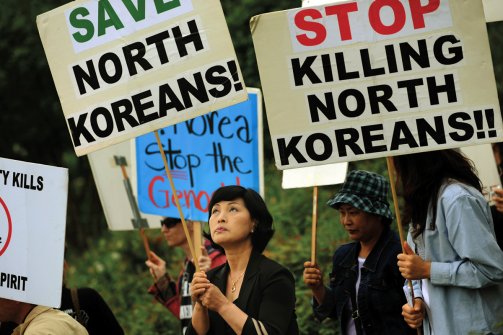
The one child policy in China is infamous for its strict controls limiting phenomenal population growth. However, such a policy has backfired, as a cultural preference for sons over daughters has resulted in high levels of abortion and staggering amounts of female infanticide – young girls are twice as likely to die as young boys in their first year of life. As of 2004, there were 120 boys for every 100 girls in China. In the three provinces closest to North Korea, the ratio of young men to women is 14 to 1, according to an estimate from the Committee for Human Rights in North Korea. This imbalanced gender ratio has created opportunities for illegal, yet massive industries for human trafficking, leaving men searching for alternative means to find their ‘wives’ as it is becoming increasingly difficult to find Chinese partners through traditional channels.

The human trafficking industry has identified a large market in China and started to take advantage of the search for wives. Chinese males who are ‘buying’ their wives, however, do not wish it to become public knowledge. They have therefore started to look for females who look similar to Chinese women; North Korean women are deemed to be an easy target. North Korean women living in China are exceptionally vulnerable to human trafficking due to their status as illegal immigrants and escapees. The methods these trafficking organisations use vary, but the majority play upon the strong will of North Korean escapees. They will hire smugglers who know the exact routes to get out of North Korea, with the least amount of risk involved, and use them to bring North Korean women into China. Both trafficking organisations and North Korean individuals who are trying to escape then pay the smugglers. Once they escape, the individuals are then taken to so-called ‘safe houses’ and smugglers leave them there, as they have often already made arrangements with different human trafficking organisations to pick escapees up from the ‘safe house.’ Once the escapees are sold, it is impossible to find them. This is one of the fundamental reasons for which North Korean escapees’ families are torn apart, unable to see their family members ever again as they have already been sold to different traffickers in different regions.

The exact numbers of North Korean women who are being trafficked into China as wives of Chinese men are not known; measuring how many North Korean escapees exist seems to be impossible due to the sensitivity of the subject matter. According to Mr Kim, a missionary in the region who helps women trafficked into China, approximately 80% of escapees are women and girls who have become the ‘commodities for purchase.’ The most popular marketplaces are in the three Chinese provinces closest to the North Korean border—Liaoning, Jilin, and Heilongjiang—but North Korean brides are sold to men throughout China. Kim also points out that most of the buyers are farmers; some with mental or physical disabilities, as those male groups are seen as unsuitable husbands in the eyes of Chinese people. Furthermore, women who were have fled from these ‘husbands’ have testified that most North Korean ‘brides’ are subject to horrible sexual, mental, and physical abuses such as forced abortion if they become pregnant with a baby girl, forced starvation, continual beating, and worse.

As previously mentioned, North Korean escapees are exceptionally vulnerable to the human trafficking industry –they are vulnerable to recapturing, unfair treatment and discrimination from Chinese as well. I would argue that these issues surrounding North Korean escapees and refugees must be brought to the fore, and require the attention of the global public. Human rights issues concerning North Korea are scarcely reported due to the country’s closed political nature, but as the number of refugees who find their way into South Korea increases, there is a growing number of reports on North Korean escapee-related issues. I can only hope that these issues will receive attention from all over the world, as North Koreans deserve the same human rights as we all do.

The Pussy Riot Controversy: Freedom of Speech vs. Breaching the Peace

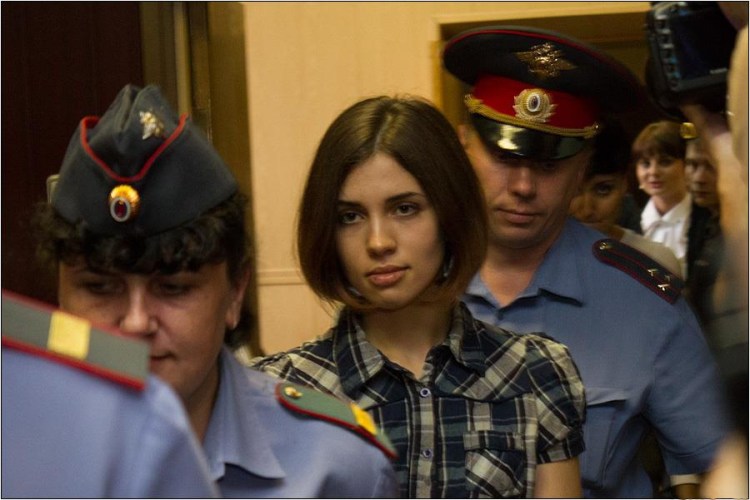
All-female Russian punk band Pussy Riot has been thrown into the spotlight following three controversial jail sentences for its members. The women were found guilty of “premeditated hooliganism performed by an organized group of people motivated by religious hatred or hostility”. The arrests followed a spontaneous concert, for which the group are most known for, at the Russian Orthodox Cathedral of Christ the Saviour – it was in this appearance they performed a song that translates to ‘Mother of God Drive Putin Away’.

This has created an international media storm – but Western media has arguably sensationalised one side of the events at play. Most notably removed from reports by major Western media outlets is the Russian public view. In 2012, an approximate 58 million people openly identified themselves with the Russian Orthodox Church. With lyrics during their performance including attacks on, “the Church’s praise of rotten dictators”, Pussy Riot has offended the Church and subsequently, a majority of the Russian public in direct persecution of their faith. Anatoly Karlin of Al-Jazeera News questions the hypocrisy of Western Pussy Riot supporters, as he asks us all to examine Article 10 of the European Convention of Human Rights, which reads:

“Everyone has the right of freedom of expression… The exercise of these freedoms, since it carries with it duties and responsibilities, may be subject to such [conditions and restrictions] as are prescribed by law and are necessary in a democratic society, in the interests of national security… for the protection of health or morals, for the protection of the reputation or rights of others…”

This leads us to question whether or not similar actions and arrests are inherent in the United Kingdom, and why Pussy Riot has generated a media storm and public support from numerous celebrities, including Madonna and Paul McCartney. Does an attack on someone’s faith qualify for arrest, under the need for protection of morals? Whilst some deem the church to be the centre of the attack, others see them as caught in the crossfire and thus, are as a result less sympathetic to the punishments dealt out to the band members.

Karlin asks us to consider what the British public would realistically do had the arrests been made against Right Wing protesters using strong language against feminism? Undoubtedly, the reaction seen would be far from the current public outcry –demanding leniency for the musicians. There is thus a fine line between hindering the right to freedom of speech, and breaching the peace, which we must bring to attention if we are to truly understand it.

Rachel Denber of CNN takes both sides of the controversy into account, remarking, “There is no basic human right to barge into a church to make a political statement, jump around near the altar, and shout obscenities. But there is most certainly the right not to lose your liberty for doing so, even if the act is offensive”. The women were held awaiting trial for over six months before two were given custodial sentences of two years. While awaiting their trials, Amnesty International UK reports that the women were forbidden from meeting with their families. Following the trial and overwhelming media attention, Yekaterina Samutsevich, the member of the band to be freed after having been given a delayed sentence, has subsequently filed a complaint to the European Court of Human Rights, “for violations of her freedom of speech, lawless criminal persecution and groundless arrest”.

Many people will inevitably agree that Pussy Riot have undergone mistreatment by the police and the courts system, as fundamental breaches of their human rights have undoubtedly occurred. However, Western media has yet to question the state of their activism: to portray their political beliefs, they have (although possibly inadvertently) quashed the fundamental faith of a majority of the Russian public. Putin has publicly called for leniency to be shown to the girls during their conviction, leading the girls’ lawyers to believe that “he is clearly worried and traumatised by the international reaction”, again demonstrating the political power they hold via this creation of a media storm.

This story is likely to remain in the news whilst the Western public support strives to legitimate their claims for the girls’ freedom. What we can thus far deduce is a need for heightened awareness – by accepting wholeheartedly claims from either side of this undeniably political case is to be a sheep to either end of prominent media. How far is too far when it comes to activism? Sensationalism by both the Russian and Western media has resulted in mass media frenzy. We now question if this is simply the David and Goliath scenario we have read of. What once seemed like a straightforward breach of human rights now appears to be a complex and controversial case, with more to it than meets the eye.