Blurred Lines? Physical Discipline and Child Abuse: The Case for Legislation to Ban Corporal Punishment

According to UNICEF statistics, around 6 in 10 children worldwide between the ages of 2 and 14 are subject to physical punishment by their parents or caregivers on a regular basis. Such disciplinary practices, also known as corporal punishment, are defined by the United Nations as “any punishment in which physical force is used and intended to cause some degree of pain or discomfort, however light” – these include any acts such as kicking, spanking, and pinching children or hitting them with a hand or other tool. Close to a billion children worldwide are reported to be brought up using these disciplinary techniques.

The United Nations’ Convention on the Rights of the Child mandates that all children have the right to protection from all forms of violence, including that inflicted by parents or other caregivers. The convention, which has been ratified by all UN member states save the United States, is further clarified by the Committee on the Rights of the Child as clearly stipulating that “corporate and other cruel or degrading forms of punishment are forms of violence and the state must take all appropriate legislative, administrative, social and educational measures to eliminate them.” Despite the clear stance against corporate punishment in international law, it remains legal in many countries for parents to use physical measures to discipline their children.
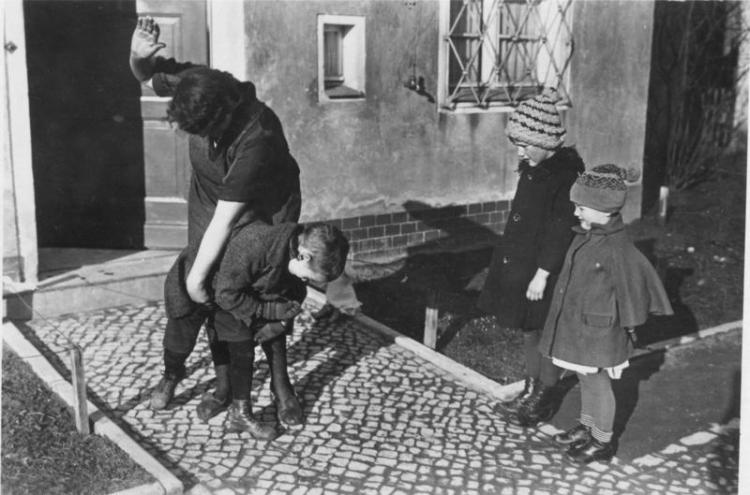
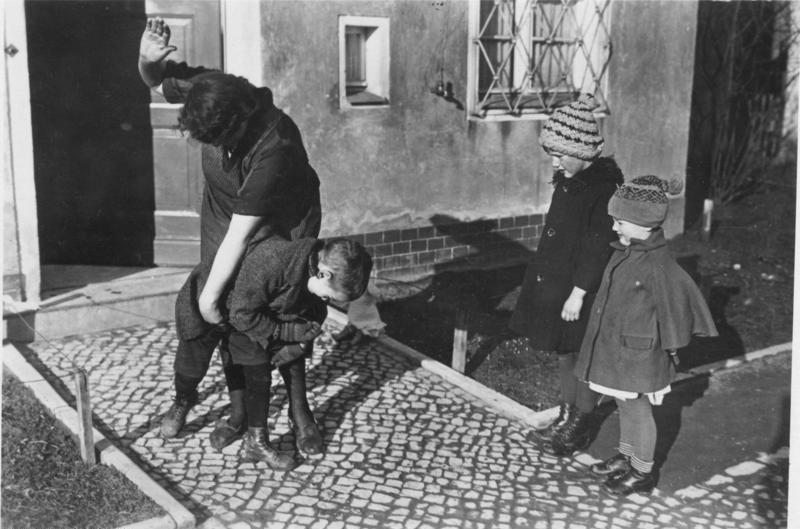
A child is spanked in Germany, 1930s, from the German Federal Archives. Corporal punishment was fully outlawed in Germany in 2000, but remains legal in many countries

Many international and national advocacy groups are working to encourage and pressure governments into adopting legal restrictions or bans on the use of corporate punishment in the home. One such group is the Global Initiative to End All Corporal Punishment of Children, an organisation advocating for legal and normative change to prohibit corporal punishment in schools and in the home. Its work has been described by independent investigators as ‘catalytic’ in challenging and prohibiting all forms of violence against children.

The foremost argument against corporal punishment is that it undermines and neglects children’s rights. As described by the Global Initiative, the essence of legal prohibition of corporal punishment is to ensure that children are granted “equal protection under the law on assault, whoever the perpetrator and whether or not the assault is described or justified as discipline or punishment.” As such, the legal prohibition of corporal punishment is an issue of granting children the same legal protection as adults against assault and bodily harm. The Global Initiative and the 61 international organisations that are part of it, alongside countless national groups and individuals, all believe that harming another person is universally wrong, and a parent physically disciplining their child is no exception. As such, the Global Initiative makes clear in its advocacy the fundamental importance of a child’s need for equal protection.

Many studies have been done to try to ascertain the long-term effects of corporal punishment on children. As put by Susan Bissell, Chief of Child Protection at UNICEF, there exists ‘abundant evidence’ that violent discipline in children has been directly linked to increased violence and aggression, damage of family relationships, and poor mental health later in life, to name only the most prominent negative outcomes. Alongside this, there is evidence that it has no corrective results, but serves to normalise violence as an acceptable way to resolve conflict. Corporal punishment, UNICEF has found, is often less of a disciplinary choice and more the result of parents’ frustration, or lack of knowledge of non-violent disciplinary methods. It has been found to be a technique used when parents do not know what to do.

What role does national legislation play in protecting the rights of children? Sweden provides an interesting case. The country was first to outlaw corporal punishment in the home in 1979. It did so by including in its Parenthood and Guardian Code that “children are to be treated with respect to their person and individuality and may not be subjected to corporal punishment or any other humiliating treatment.” The legislation did not include any punitive measures for parents found to break the Code, rather, its was intended to be educational in nature. If parents were found to break the Code, they would be referred to Social Services for guidance and support.

Importantly, the Swedish ban was not the result of public outcry or advocacy. On the contrary, when it was introduced the ban was heavily criticized by the public who believed it meant the government was interfering with family life. However, the Swedish government was adamant that the ban itself would be an important catalyst for changing public practice and opinion. The ban represents an attempt by a government to use legislation to drive a normative change in the fabric of society.

Has the Swedish ban on corporal punishment been successful? Coming up on four decades after its implementation, public opinion in Sweden has drastically shifted. While the majority of Swedish parents in the 1960s were in favour of corporal punishment, the Swedish Radio News report recent polls that show that 90% of Swedes are opposed to even the mildest form of physical discipline.

In the United Kingdom, there are currently no legal prohibitions to corporal punishment in the home. In its most recent periodic report on the state of human rights in the UK, the United Nations Human Rights Committee criticises the UK for its lack of explicit prohibition on corporate punishment. The report urges the UK to “take practical steps, including through legislative measures where appropriate, to put an end to corporal punishment in all settings.” Alongside this, the UK was recommended to promote non-violent forms of discipline and a public awareness campaign was proposed to raise awareness on the harmful effects of corporal punishment.

There are signs that attitudes and behaviour within the UK are moving away from supporting and practicing corporal punishment in the home. Despite this, government-issued surveys have shown that just above half of parents in the UK agree that ‘it is sometimes necessary to smack a naughty child.’ Current legislation under the Children Act of 2004 stipulates that smacking, spanking or otherwise physically disciplining a child is lawful as long as this amounts to ‘reasonable punishment.’ Discipline is automatically deemed ‘unreasonable’ when it causes actual bodily harm to the child, but there is currently no clear distinction available. As such, the distinction between what falls under discipline – and what counts as abuse – remains blurred.

The debate surrounding corporal punishment is somewhat puzzling. While the overwhelming evidence against physical punishments is readily available, the practice remains widespread, and attempts to legally prevent its practice are – more often than not – met with public outcry. In a Huffington Post column, Lisa Belkin rejected the existence of any ‘debate’, saying “… there aren’t two sides. There is a preponderance of fact, and there are people who find it inconvenient to accept those facts.”

As seen in the Swedish case, legislation can be the first step in changing public opinion and practice. The UK, along with many other countries, notably the US and France, may consider the legal route toward changing public opinion and practice. While legal prohibition of corporal punishment may be seen as a drastic move, and is likely to be unpopular among a core group of any population, it might be a necessary step to be considered by governments committed to entrenching children’s rights in both law and practice.

Visit the Global Initiative to End All Corporal Punishment Of Children to find out about legislation and current campaigns in any country in the world. For information about the campaign to end corporal punishment in the UK visit the page of Children Are Unbeatable!
Burkini: Liberation by Oppression or Oppression by Liberation?

A woman on holiday is publicly confronted by locals and forced to leave the beach, another is confronted by state officials in a public place and forced to change her clothing, while others are fined for failing to wear ‘an appropriate outfit’. Unimaginable in a country like France? No. Such instances have been happening on beaches in the French Riviera for months now. Last August, the media was filled with coverage of the burkini ban that around 30 cities on the Riviera adopted. Soon after, the highest court of France ruled that the ban “illegally […] breached fundamental freedoms.” The majority of the towns, however, refused to lift the ban. The reasoning of the ban supporters varies, but it is often talked about as an issue of public security, as people refer to the burkini as a symbol of Islamic extremism. It has been seen as a provocation in the light of the Nice attack and the church killing in Saint-Etienne-du-Rouvray and as a symbol of oppression. The ban is often addressed in context of the French secularist law, called ‘laïcité,’ that separates the church from the state. Evidently, the main argument against it is that it is purely Islamophobic and fails to accommodate for the human rights of many beach goers, especially because it is difficult to define what the burkini is.

A woman wearing a burkini while visiting a beach in Amasra, Turkey, with her family, by Charles Roffey

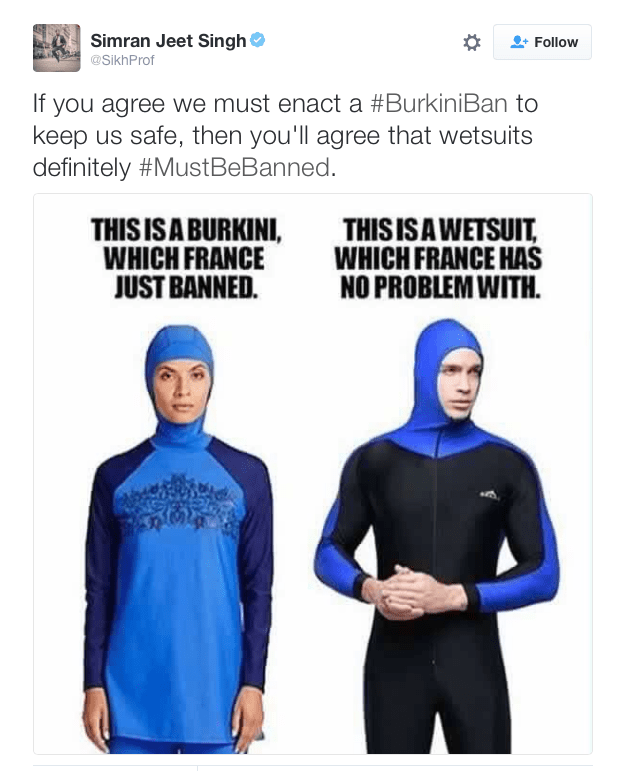
The burkini (or burquini), a portmanteau of the words burqa and bikini, was invented by Australian-Lebanese designer Aheda Zanetti in 2004. It is a swimming suit that covers the whole body except the face, the hands, and the feet, while also being light enough for swimming, and is intended to be in accord with Islamic traditions. Zanetti’s intention was to give Muslim women the freedom to be able to swim publicly and participate in sports. She owns the trademarks to both the words ‘burkini’ and ‘burqini’, but they have become generic terms for similar forms of swimwear, which calls into question how we can ban something that we cannot properly define. Moreover, the burkini is not all that different stylistically from the wetsuits used by scuba divers, surfers, and long distance swimmers. In addition, about 40% of Zanetti’s customers are not Muslim. The outfit has been popular in Israel among the Orthodox Jewish, in certain Asian countries where pale skin is considered desirable, and amongst Mormons, Hindus, Christians, and women and men with different body issues. Those who are not wearing it because of their Islamic beliefs cannot really be forced to wear it as a symbol of Islamic extremism. Thus we must raise the question of whether anyone is allowed to wear the burkini, and if not, why. Can men wear the burkini? Or non-Muslims? Or people who wish to protect their skin? The practicalities of this ban are dubious and it leaves room for authorities to only implement the ban based on one’s gender and ethnicity.

Why is the burkini so significant? Shanon Fitzpatrick argues that the burkini’s media popularity is rooted in its quality as a visual symbol that is able to accommodate overlapping debates about immigration, feminism, and national identity. This outfit is understood in many ways. It is read as a signifier of integration, as the Muslim minority can join activities of the host country (e.g. going to a mixed-gender beach). It can be read as a signifier of ‘progress’, a modernizing invention that brings Muslim women’s fashion and leisure pursuits up to speed with those of their non-Muslim counterparts. It can also be seen as a sign of freedom, as a burkini enables women to participate in public activities, and also frees them from the male gaze and the exacting standards of female beauty. However, some argue the exact opposite of all of this. The burkini can be seen as symbol of how Muslim women have failed to integrate into Western culture, as a step backwards on the way to modernisation, and, of course, as a sign of women’s oppression. The burkini signifies the oppression of women, provocation of the dominant society, and religious extremism, as as well as the opposite of all of these things. Thus one of the main arguments against the burkini is really a reflection of the contemporary political climate.

Tweet by Simran Jeet Singh, Religion Professor at Trinity University

The ban’s supporters are backing up their stance with French secularism that is based on the 1905 Law on Separation of the Churches and State (the backbone of laïcité). Laïcité requires religion to be absent in government affairs but it guarantees the freedom to exercise it. The government must refrain from taking positions on religious doctrine and only consider religious subjects for their practical consequences on the lives of the citizens. Even though no law mentions it, the current political discussion often argues that the 1905 law also includes that the government should separate private life, where religion belongs, and the public sphere, where everyone should appear as a simple citizen equal to others, without any ethnic, religious or other particularities. This is due to two laws which were recently passed. In 2004, it was decreed that it is forbidden to the wear any religious symbols in schools, evoking the values of laïcité, and in 2010, a law was passed that states that it is forbidden to cover one’s whole face (mainly targeting the niqab) in a public space. The idea that public spaces should be free of religious symbols stems from these laws that have been blurred together in the public discourse. This discourse (unlike the original laicité law itself) accommodates the idea that everyone should be presented as a citizen without any particular religious identity, but it fails to account for the freedom to practice one’s own religion. From a human rights perspective, this idea of secularism is problematic. Article 18 of the Universal Declaration of Human Rights states that “Everyone has the right to […] religion; this right includes the freedom either […] in public or private, to manifest his religion or belief in teaching, practice, worship and observance.” Thus restricting one’s rights to wear any religious symbols or clothing is against one’s fundamental rights. Still, there are many manifestations of certain beliefs that are not appropriate in certain situations or are even illegal, such as the Nazi salute in many European countries. Surely, the problem here is that banning the burkini and other religious symbols only stigmatises those religions, making them fall into the same category as ideologies that are seen as highly dangerous. In fact, the bans only endorse false and harmful narratives about Muslim people and risks increasing tensions between communities, while also hardening the feeling of injustice felt by some Muslims in France. They create an absurd correlation between how some Muslim women choose to dress and the terrorist attacks that French people have suffered. The main objectives of the burkini ban are to protect women’s rights and the republican principles of secularism, yet it has attempted to do so by restricting their right to choose what they would like to wear. It is also very contradictory, since the ban can be a recruitment tool for the Islamic State providing a justification for the attacks. Additionally, it is safe to say that, though the ban was declared to be illegal, the fact that only the highest court of France was able to stop it is worrisome.

If you would like to help fight Islamophobia in France you can donate to the Collective Against Islamophobia in France (CCIF) which is launching an online awarness campaign on the issue.

Arts and Culture: The Missing Piece of the Peacebuilding Puzzle

Thoughts from the Beyond Borders International Festival of Literature and Thought 2016

The last weekend of August was a warm and slightly drizzly one in the Scottish Borders. I found myself spending it milling around the grounds of the beautiful Traquair House, in marquees, yurts, and wig-wams filled with diplomats, artists, politicians, and writers. Fumbling and bustling around in my usual style, I managed to luck into a fascinating conversation with Oscar Guardiola-Rivera, Colombian philosopher, lawyer, and author of the award-winning What If Latin America Ruled the World?. It is this conversation, seemingly unremarkable amongst the many meaningful discussions of the weekend, that granted me the most insight, as well as a refreshing answer to the question, ‘What advice would you give to a student seeking a career in peacebuilding?’

He told me to bring a love of the arts to everything that I do. Whether it be art, music, or literature; live and breathe it all, and work passionately and creatively.

Paper Boats made by festival attendees to symbolise their wishes and considerations for refugees. Artists: Inge Panneels and Mark Timmins; Photographer: Karen Lerpiniere

I was admittedly taken aback, having been most frequently advised to ‘keep up to date with current affairs’ or ‘work on your language skills.’ Given the nature of the event I was attending, though, perhaps I should not have been. The Beyond Borders International Festival of Literature and Thought, founded by Mark Muller Stuart QC, prides itself on working “across several different mediums including literature, performing arts, visual arts, heritage, film, politics and dialogue” in efforts to “facilitate wider international cultural exchange, dialogue and reconciliation.”

In fact, Oscar may have inadvertently epitomised the entire weekend. Each morning began with a meditation session led by Rajesh Rai, meditation expert and human rights barrister. The effect of these sessions, at least for me personally, was to establish a calm and compassionate headspace with which to address the challenging deliberations that the rest of the day would bring.

The first talk I attended was entitled ‘Healing the Past’. It was held in a colourful yurt about the size of my living room, and the audience and facilitators alike sat on cushions in a circle around the floor. The conversation was led by Dr. Tim Phillips, innovator in neuroscience and post-conflict trauma. Topics ranged from the legacy of the slave trade to the Hillsborough Disaster, set within the context of situations of post-conflict and, on an individual level, the loss of a loved one. Dr. Phillips’ application of his expertise in neuroscience to these issues was a novel approach for me, and one that highlighted the universality of human experience. While we may sometimes forget our inescapable biological classification as mammals in a rush to identify as human, as unique, many of our impulses still stem from basic hunter-predator survival modes. The feeling of exclusion, cited as one of the most ubiquitous human experiences, served as an example; a most fundamental hunting technique is to single out one member from the herd. Exclusion thus to this day manifests itself in the brain as a danger to our very survival, experienced almost as a physical trauma since, fascinatingly, the brain cannot fully distinguish between physical and emotional pain. And, of course, this trauma is experienced universally as a human. Not as a European, or a Brit, or a St Andrean. A human. The way exclusion impacts upon a child’s development can hardly be overstated, and it is crucial furthermore to explore these implications scaled up to a group or national level. It is this exploration that led the conversation to call into question the dominant paradigms and narratives for dealing with the past, the interplay of individual and group identities, and explore further into the realm of the arts as something uniquely and powerfully democratic and unifying.

Up next was ‘3.5 Billion Cracks and Counting’, a conversation between Lyse Doucet and First Minister Nicola Sturgeon about the increasing role of women in peacemaking and political roles. The issue of gender can be considered fundamental to understanding the marginalisation of the arts within peacebuilding practices and institutions. During the talk, the first minister stressed that while it is great to see increasing numbers of female leaders, there is a real need to see women integrated at every level. As, in their inception, the very structures and institutions that govern peacebuilding interactions have been so male-dominated, they may even now not support women’s participation in the best way. Indeed, they may not support men’s participation in the best way – they may not even serve their purpose in the best way. The exclusion of women doesn’t just exclude ‘women.’ It excludes everything that has been coded ‘female’ – that is, emotion, compassion, nature, dialogue, and the arts. The effect of which is to create an approach which is biased towards the roles of logic, rationality, pragmatism, and aggression. Thus there is an evident and urgent need to reform and create new institutions that utilise equal participation and a ‘female’ perspective from their conception.

Beyond Borders yurt at Traquair House; Photographer: Karen Lerpiniere

These are but a few highlights from the festival, which somehow throughout the contemplation of such somber topics maintained the feel of a weekend-long garden party among friends. Also not to be missed were powerful photo exhibitions, such as Thana Faroq’s ‘Women Like Us’, which featured the struggles and aspirations of Yemeni women of different backgrounds in their experience of war; appraisals of the Chilcot Report by Sir Kieran Prendergast and Andrew Gilmore; foraging walks led by Fiona Martynoga and Fiona Bird; post-brexit debates between Richard Bacon MP, Merryn Somerset Webb, Alyn Smith MEP, John Kampfner, and Sir Menzies Campbell… and so much more.

It all culminated in an alfresco performance of Scottish Asylum Monologues by iceandfire. Asylum Monologues was launched at Amnesty International in June 2006 and has been touring ever since. This, however, was the world premier of this specific piece, focusing on the experience of asylum seekers in Scotland, their journey and the hurdles they continue to face. Such a simple presentation – reading scripts of extraordinary stories, represented a stark juxtaposition that served to prevent the performance from detracting from the realities of the situation, from feeling like fiction. The audience stood around in a circle; there was no stage, hierarchy, or attempt at showmanship, just a facilitation of words speaking for themselves. Words which were simultaneously moving and uplifting, funny and heartbreaking. Words which highlighted the importance of everything that the weekend had taught me so far.

Visit the Beyond Borders website here, and learn more about the work of iceandfire, or request a script to put on your own performance of Asylum Monologues, here.

Erasing the Past: Daesh and Iconoclasm

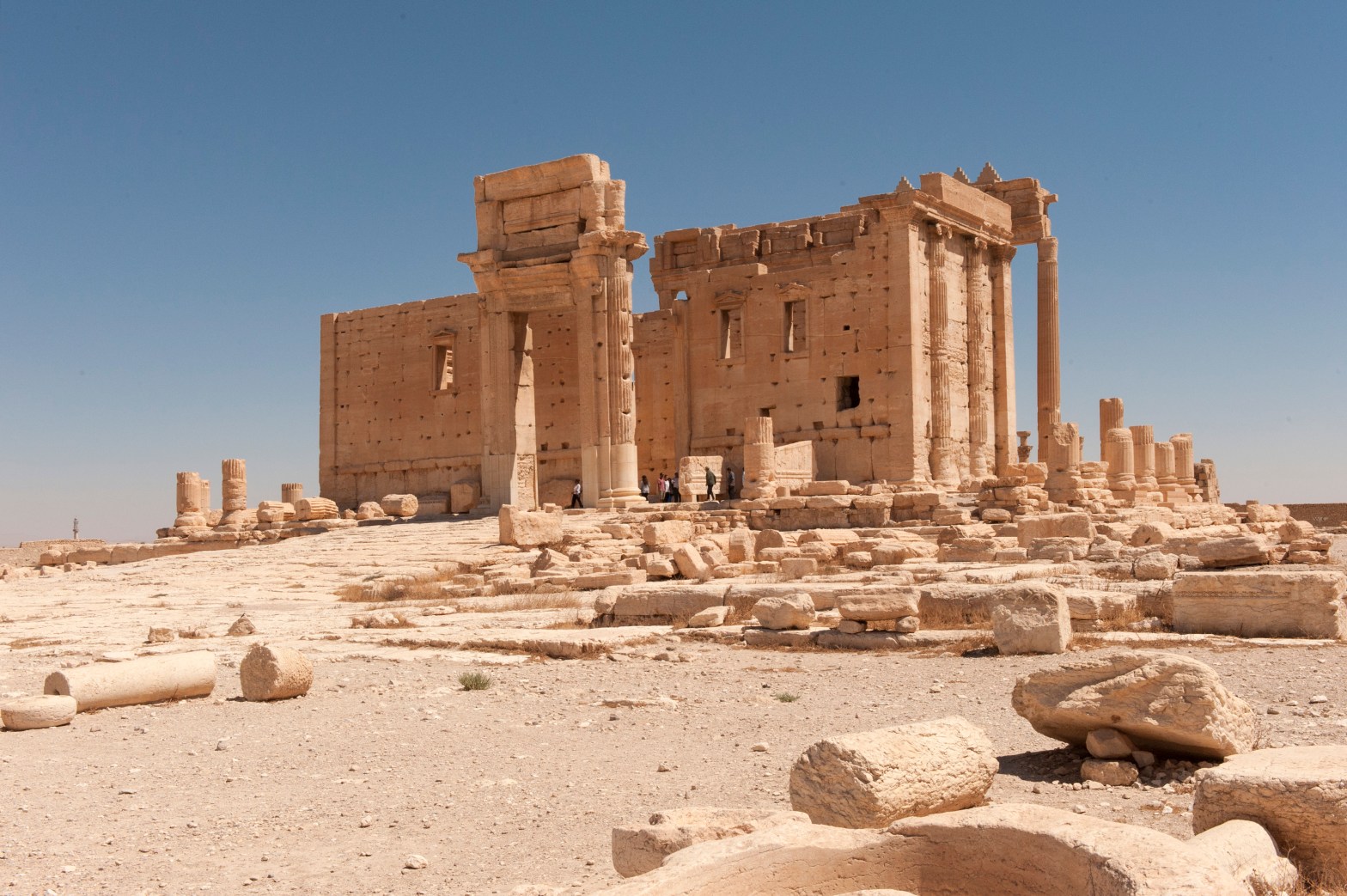
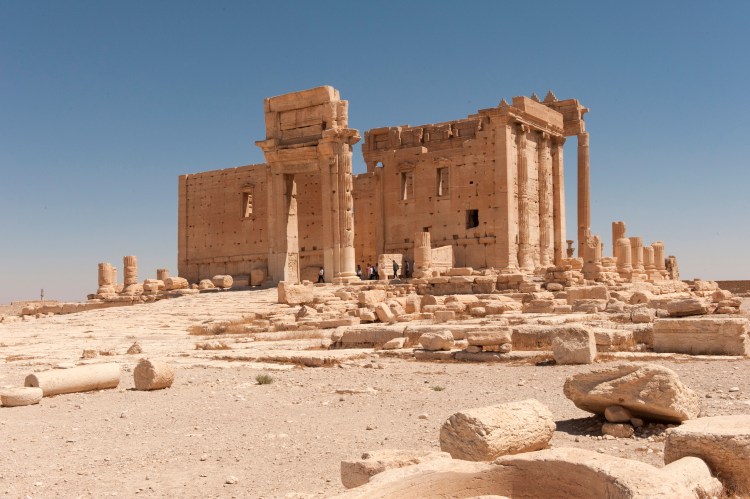
In August 2015, the Temple of Baal in Palmyra was reduced to rubble. Completed in AD 32, it has served as a Mesopotamian temple, a Christian church, and an Islamic mosque, but now the iconic ruins stand as a reminder of the physical impact of Daesh, also known as Islamic State or ISIS. Worldwide outrage ensued but Daesh still continued to destroy the rest of Palmyra, including the museums and libraries which held important historical artefacts. This cultural destruction has had a very real human cost with some even losing their lives protecting the history and culture of their country. In the same year Daesh bulldozed the ancient city of Nimrud in Iraq and destroyed thousands of manuscripts in Mosul. These ancient monuments, religious sites for religions that are no longer practiced, were deemed blasphemous and idolatrous. The destruction of Palmyra and Nimrud was a deliberate act of iconoclasm by Daesh and it will not be their last.

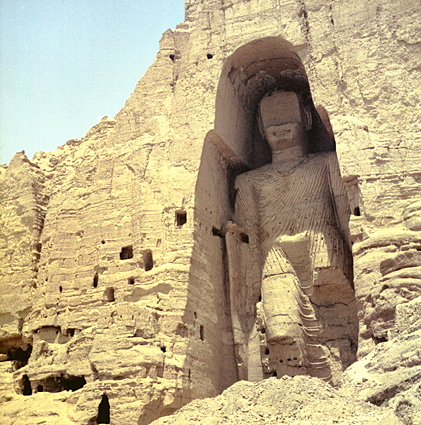
Iconoclasm is defined as the intentional destruction of religious icons and monuments for the purposes of religious or political motives. This is by no means a recent trend; throughout history the destruction of monuments and dedications has been a simple move to establish dominance. In 2001 the Buddhas of Bamiyan were destroyed by the Taliban. In minutes the 1500-year-old statues became nothing more than dust and another news story.

The Temple of Baal in Palmyra in 2010, by Egisto Sani

Established in 1956 with a second protocol in 2004, the Hague Convention for the Protection of Cultural Property in the Event of Armed Conflict aims to protect and preserve cultural property in areas of conflict. In the case of the convention, cultural property has been defined as monuments, art, archaeological sites, scientific collections, books, and other objects of cultural significance. Syria, and other countries that Daesh occupies, have ratified this convention but in the current conflict it is difficult to enforce, especially given the fact Daesh is a terrorist group and thus has not ratified the convention.

Damage to and destruction of cultural property is to be somewhat expected in any conflict, however there are different categories to the destruction. Sometimes buildings and monuments are caught in the crossfire and thus collaterally damaged. Often damage facilitates looting, with the focus on the monetary value of the property rather than its cultural value. Daesh, however, is deliberately destroying any cultural property which does not fit into their extremist version of Islam. Alongside the ancient polytheistic ‘pagan’ sites destroyed by Daesh, many early Islamic sites and other religious buildings are being reduced to rubble. The destruction is both religious and historical. Thousands of years of history are being destroyed, much of which can never be recovered. This intentional destruction is less about the past and more about the present, the culture in which people live now. Daesh seeks to destroy the vivid historical narrative which exists throughout the Levant, a history which involves multiple religions and ethnic groups.

Khaled al-Assad gave his life to protect the artefacts and ruins of Palmyra. As the head of antiquities for Palmyra he spent nearly fifty years dedicated to the preservation and conservation of the ancient city. Before Tadmur (modern-day Palmyra) was captured by Daesh, he helped to move and hide artefacts to safe locations. When Tadmur fell, al-Assad was detained by Daesh and tortured, but still he did not reveal the locations of the artefacts. He was publicly executed as punishment, his headless body hung from a column on the ancient site. A sign rested on his body declaring him an apostate, someone who abandoned Islam. This is the harsh reality of Daesh’s attack on cultural heritage. The history they destroy and erase impacts real people living within the shadows of the sites.

The long-term impact of Daesh’s destruction is yet to be known. The sites are immortalized in pictures and words, but the impact to livelihood and culture is already monumental. Political unrest and conflict strips an area of tourists and subsequently causes the economy to decline. For example, the 2011 Egyptian Revolution brought a new political era after Mubarak but also caused the tourism sector to crash drastically. Tourists were warned not to visit the country and the once popular sites became quiet. The Egyptian Antiquities Minister stated that income from Egypt’s ancient sites has fallen by 95% since the revolution. For a country with a rich and long history which relies on tourism for the stability of the economy, this is devastating.

One of the Buddhas of Bamiyan, standing at approximately 53 meters tall, in 1974, by Volker Thewalt

On September 26th 2016, Ahmad al-Faqi al-Mahdi was sentenced to nine years in prison for attacking religious and historical buildings in Timbuktu, Mali. Sentenced by the International Criminal Court (ICC), the same court that deals with horrendous war crimes, his sentence is an important step towards the protection of cultural property. Ahmad was part of the North African Tuareg extremist group Ansar Dine, who deliberately attacked buildings with historical and religious significance. His conviction raises awareness of these crimes and the importance of cultural heritage and property. It also raises hope that, in the future, Daesh members will be prosecuted for their role in the destruction of Palmyra and similar sites.

Despite the efforts by UNESCO and academics worldwide, the destruction of cultural heritage as a means of establishing dominance and erasing history prevails. In the recent past these destroyed monuments would remain piles of rubble and broken statues. However, technology and a desire to recreate the past has brought many destroyed monuments back to life. In June 2015, the Buddhas of Bamiyan rose once again as 3D light projections filled the empty cavities where the statues once stood. The New Palmyra project seeks to rebuild Palmyra using photographs of the original site and 3D printing to create accurate models. These new monuments have been displayed in Trafalgar Square and Central Park, bringing awareness to both the destruction and the new project. In the face of cultural destruction by groups like Daesh, there will always be people ready to protect their history and culture.

The New Debate Over Voting Rights: Suppression and Fraud in Modern America

The right to vote is a fundamental cornerstone of democracy, and one that is held dear by most Americans. In recent years, however, allegations of voter fraud and voter suppression from Republicans and Democrats, respectively, have sparked debate on the current status of voting rights in the United States. Interestingly, voter fraud is broadly defined and occurs in a variety of forms, including both voter suppression and the kind of fraud Donald Trump and his campaign claim is occurring, such as double voting and voter impersonation. With the presidential election looming, both Donald Trump and Hillary Clinton have spoken out about this issue, with, of course, completely different takes on the causes of the problem.

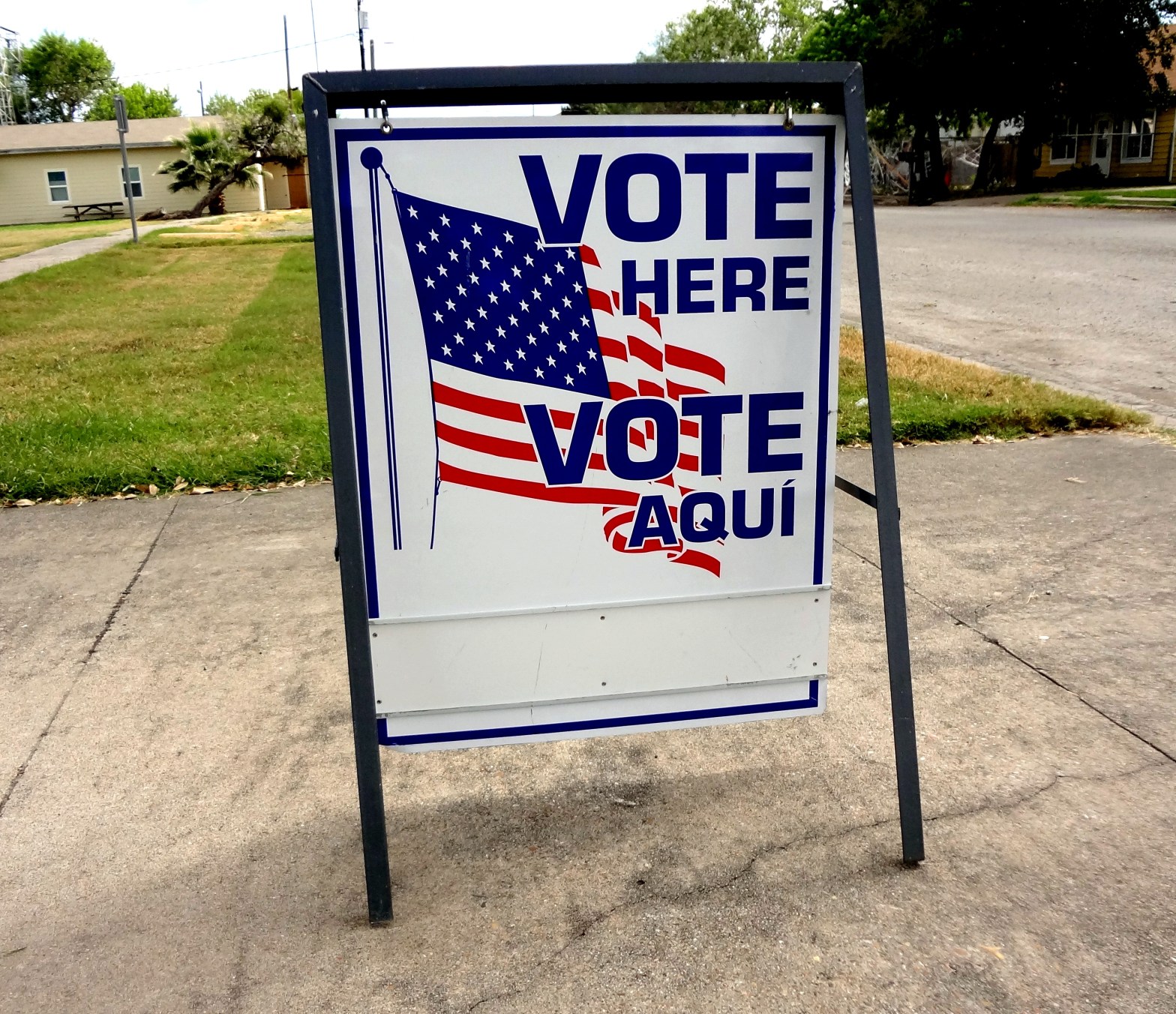
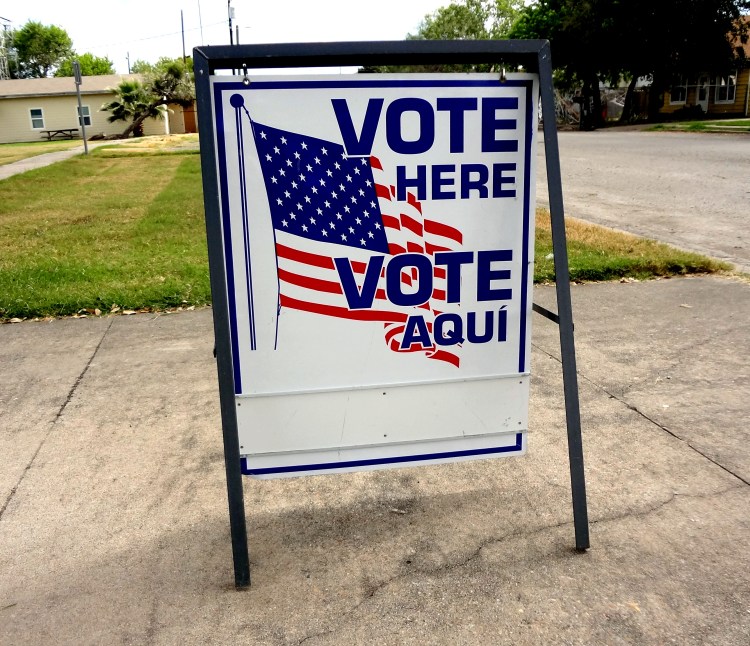
A sign outside a voting center in Texas, by Jay Phagan

Arguably with influence from the Bernie Sanders campaign, Hillary Clinton has placed an emphasis on repealing the 2010 US Supreme Court decision of Citizens United v. the Federal Election Commission, widely referred to simply as ‘Citizens United.’ The conservative majority of justices in this case voted 5-4 to allow organisations to broadcast politically angled content during an election season. The Court upheld this as a provision of the First Amendment, maintaining that independent political spending cannot be interfered with by the government, except when corporations would be donating directly to candidates or political parties. This decision has been viewed by many on the left as an allowance of “billions of dollars…being funneled into our elections in a form of legalized bribery,” according to the Bernie Sanders campaign website. This aspect of the voting rights controversy calls into question the integrity of the voting system, in that the power of the public is being potentially devalued by the power of corporations and other wealthy organisations, which now have the ability to influence elections even further.

On the other side of the aisle of American politics, Donald Trump’s campaign has regularly alleged that the 2016 election is being ‘rigged’ by Hillary Clinton supporters. Mike Pence, the Republican Vice Presidential nominee, has stated that voter fraud is a significant problem all around the country for the upcoming election. The Trump campaign has gone so far as to encourage its supporters to register as an ‘election observer,’ or a volunteer who monitors certain areas for voter fraud. This has been interpreted by Democrats as a thinly-veiled effort to intimidate voters in minority-heavy areas, and President Barack Obama called the claims “ridiculous” and “a conspiracy theory.” Studies have found that voter fraud is indeed quite rare, with one investigation finding 31 cases of fraud out of 1 billion votes over the course of several years. Nevertheless, voter fraud and voter registration have remained contentious issues in the 2016 election season, especially since it is the first election since the 2013 Supreme Court decision to restrict the Voting Rights Act of 1965.

The Voting Rights Act, signed into law in 1965 by then-president Lyndon B. Johnson, is widely regarded as one of the most influential pieces of legislation of the civil rights movement. The act aimed to put an end to discriminatory practices, mostly in Southern states, that made it more difficult for African-Americans to exercise their right to vote, guaranteed by the 15th amendment to the Constitution. The 2013 Supreme Court case dealt with Section 4 of the Voting Rights Act, which held that a list of states including Alabama, Alaska, Arizona, Georgia, Louisiana, Mississippi, South Carolina, Texas, and Virginia (among various other districts) had to seek federal clearance before changing voting procedures. The conservative majority of the Supreme Court again ruled that this portion of the Voting Rights Act was unconstitutional. Prominent African-American politicians, including President Obama and Democratic Representative John Lewis of Georgia, a leader during the civil rights movement, expressed disappointment with the Court’s decision on the grounds that it would allow the renewal of racial discrimination in Southern states especially. Justice Ruth Bader Ginsburg, in her written dissent, said “The great man [Martin Luther King, Jr.] who led the march from Selma to Montgomery and there called for the passage of the Voting Rights Act foresaw progress, even in Alabama, ‘The arc of the moral universe is long,’ he said, but ‘it bends toward justice,’ if there is a steadfast commitment to see the task through to completion.” In quoting Martin Luther King, Jr., Ginsburg implied that the ‘task’ of ending racial discrimination, particularly in the context of voter registration and procedures, had not yet been seen through to completion.

Indeed, she may have significant evidence for making this claim. In states which tend to lean Republican, lawmakers often limit early voting, which is when most working-class individuals are able to vote. Since Election Day is both a weekday and not a federal holiday, early voting access is essential for those who are unable to take time off from work. ‘Racial gerrymandering,’ or the tactic of redrawing voting districts to lessen the influence of the minority vote in the electoral college, only furthers the disproportionate impact of stricter voting laws on the working class and minorities. Leading up to the 2012 presidential election, one Pennsylvania lawmaker was recorded saying that new voter ID requirements in the state would lead to a victory for Governor Mitt Romney in the state of Pennsylvania. This is a striking example of the undeniable partisanship involved in the issue of voting rights.

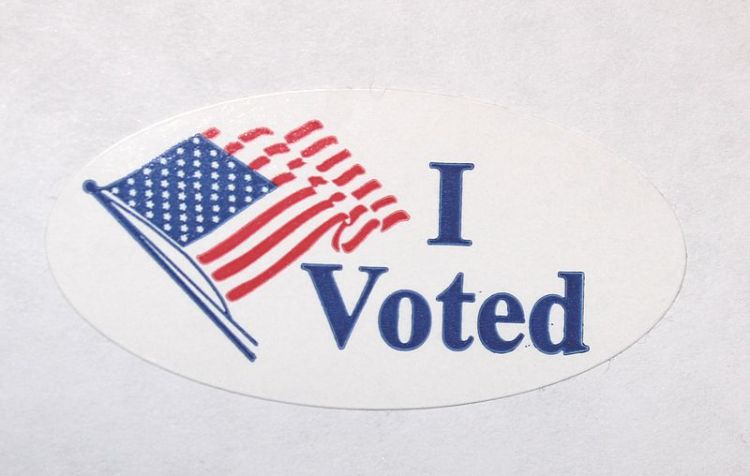
The classic sticker given to voters in the US, by Dwight Burdette

On the other hand, Democrats who have attempted to increase voter registration may have been doing so in order to increase votes for their own party. A liberal organization called Patriot Majority USA had significantly increased voter registration among African-Americans in the state of Indiana. Soon after, Republican lawmakers in the state launched a probe through the Indiana State Police investigating voter fraud in the state, and putting a portion of voter registration on hold. Patriot Majority USA called this a “partisan effort to disenfranchise 45,000 new Hoosier voters, most of whom are African-American.” However, the Federal Bureau of Investigations (FBI) is currently investigating the legitimacy of voter fraud claims in Missouri, Texas, Colorado, and Oklahoma.

As American politics devolves into a sea of confusion, it is sometimes tricky to pick out the truth amongst all the floating allegations from both sides. The United States’ history of voter discrimination leading up to and during the civil rights period is thought by many, including Chief Justice of the Supreme Court John Roberts, to be long over, but some evidence points to the contrary. In order to maintain the integrity of American democracy, most people on both sides of the political aisle would agree that the voice of the American people in government must remain the strongest influence. The results of the 2016 presidential election, and subsequent Supreme Court nominations, will undoubtedly affect the future of voting rights in the United States.

A Crisis of Faith: The International Criminal Court in Africa

On October 20th 2016, South Africa became the second African nation to publicly withdraw from the International Criminal Court, as Foreign Minister Maite Nkoana-Mashabane made the country’s formal notification to the United Nations Secretary General, Ban Ki-Moon. South Africa follows in the footsteps of Burundi as tensions have risen surrounding the nature of the court, including accusations of modern-day colonialism and allegations of racism. As of October 26th, the Gambia has followed suit, with its information minister, Sheriff Bojang, offering the damning analysis that “the ICC, despite being called the International Criminal Court, is in fact an international Caucasian court for the persecution and humiliation of people of colour, especially Africans.”

The International Criminal Court (ICC) was established in 1998 via the Rome Statute as a response to a wave of intense civil violence during the 1990s and was intended to provide a system in which to try cases of war crimes, genocide, and crimes against humanity. Although relatively young in the history of the United Nations, the court finds its roots in the earliest UN legislation: the Universal Declaration of Human Rights and the Convention on the Prevention and Punishment of the Crime of Genocide (CPPCG), both of which were ratified by the UN General Assembly in 1948. That said, the post-Kosovo and post-Rwanda context in which the court was established cannot be ignored, despite the long history that came before. Although both were investigated by tribunals separate from the ICC, the atrocities that occurred spurred on the creation of an international justice system that would investigate and prosecute crimes against humanity where state governments could not, or would not, do so.

Permanent Premises of the International Criminal Court in the Hague, Netherlands, UN Photo by Rick Bajornas

In theory, South Africa’s withdrawal is a result of its objection to the suspension of diplomatic immunity for individuals who have been indicted by the court. The country welcomed the Sudanese president, Omar Bashir, to an African Union summit in 2015, despite the ICC’s 2009 indictment of President Bashir over atrocities in Darfur; as, under local South African law, heads of state are offered diplomatic immunity. Since the end of apartheid in 1994, South Africa has been a leader on the continent in terms of supporting human rights, especially those of the LGBT community, and such a public display of disassociation is naturally troubling. The concern among international leaders is that, as the ICC’s former prosecutor Luis Moreno Ocampo puts it, the withdrawal of major states like South Africa and Burundi gives leaders a free pass “to commit genocide… under the Zuma leadership South Africa [has] decided to cover up the crimes and abandoned African victims.”

Yet African leaders tell a different story. Beneath the surface and despite its supposedly global nature, the African continent can arguably be called the ICC’s raison d’être. Indictments issued by the ICC disproportionately affect Africa, and thus far the only individuals to be convicted by the court have been Africans: Congolese Germain Katanga, Jean-Pierre Bemba, and Thomas Lubanga; and Malian Ahmed al-Faqi al-Mahdi. At a meeting of the African Union in 2013, the Prime Minister of Ethiopia, Hailemariam Desalegn, called the court a racist institution, and accused the court of “hunting Africans” after the ICC refused to halt proceedings in the trial of Kenya’s President Uhuru Kenyatta, accused of crimes against humanity. These accusations of racism are countered by the United Nations, who argue that leaders are only now objecting to the ICC out of fear their crimes might be the next to be investigated, such as those of Burundi’s President Pierre Nkurunziza, who stands accused of being party to the torture and murder of government opponents.

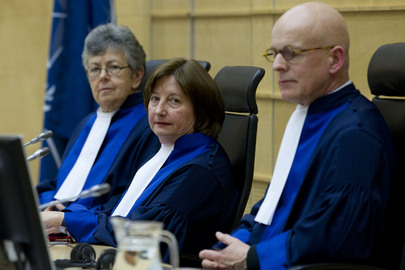
Now-President of the ICC Judge Silvia Fernández de Gurmendi (center) at the trial of former Ivorian President Gbagbo in 2011, UN Photo by Peter Dejong

The problems with the ICC in Africa, however, run deeper than this explanation gives credit for, and the impact on human rights spreads much wider than just the South African state. The region was instrumental in creating the court, but support has waned over the years as leaders and governments perceive the ICC to be turning a blind eye to atrocities committed by the West. The Gambia’s Information Minister pointed to the case of the coalition invasion of Iraq, and named former British Prime Minister Tony Blair in particular as an example of the ICC failing to prosecute in the West. “There are many western countries, at least 30, that have committed heinous war crimes against independent sovereign states and their citizens since the creation of the ICC and not a single western war criminal has been indicted,” he said. With China, Russia, and the United States failing to ratify the ICC, it seems unfair to many Africans that their nations are targeted, while there is no means to hold the world’s most powerful states accountable if necessary.

The concerns about the commitment to justice for atrocities in South Africa, Burundi and the Gambia are valid, but so too are the criticisms of the ICC for being too focused on Africa. Whilst the political and diplomatic back-and-forth continues, failure to reach suitable conclusions on either side of the table ultimately only jeopardises human rights in the region. Furthermore, it puts in a precarious position the idea of justice for the victims of crimes against humanity, a dangerous precedent to set in an era of instability and uncertainty. As the situation in Africa regarding the ICC continues to develop, Human Rights Watch offers online coverage of how the continent is responding to this major change in the status quo.

The Human Cost of Chinese Growth

On the 17th of March 2003, police in Guangzhou stopped Sun Zhigang, a migrant worker from Hubei Province and graduate of Wuhan University of Science and Technology, and detained him because he hid not have a temporary residence permit. He was not released, but was transferred to a holding centre for ‘vagrants’ (无业游民), and three days later died in custody. In the ensuing public outcry and media storm, twelve police officers were charged with causing Sun’s death and the Chinese government promised to implement reforms to the China’s household registration system, referred to Chinese as the hukou (户口). Little over a decade later, it seemed as though nothing had changed – images of a Taiyuan police officer standing over the body of Zhou Xiuyun, a migrant worker who had gone with a group of colleagues to dispute wage arrears with their employer, went viral on Chinese social media in December 2013. As with the death of Sun Zhigang, public outcry led to charges against individual policemen but little substantial change. Sun Zhigang and Zhou Xiuyun, and many more like them, reveal the human cost of China’s economic boom, much of which has been built on migrant labour.

The scale of migrant work in China is staggering. In 2015, 277.5 million people – equivalent to 4.5 times the population of the UK – were classified as ‘rural migrant workers’ (农民工). Only around one third of these have an employment contract. Contracts tend to be treated as a starting point for negotiations rather than binding agreements, and disputes also hold the potential to end with violent – and in the case of Zhou Xiuyun, deadly – responses by police. This discrimination is driven by a complex mix of economic and social power imbalances and a lack of accountability for employers. Despite promises by Xi Jinping to move China towards the ‘rule of law’ (法治), neither employers nor police tend to face real consequences for flouting legal responsibilities.

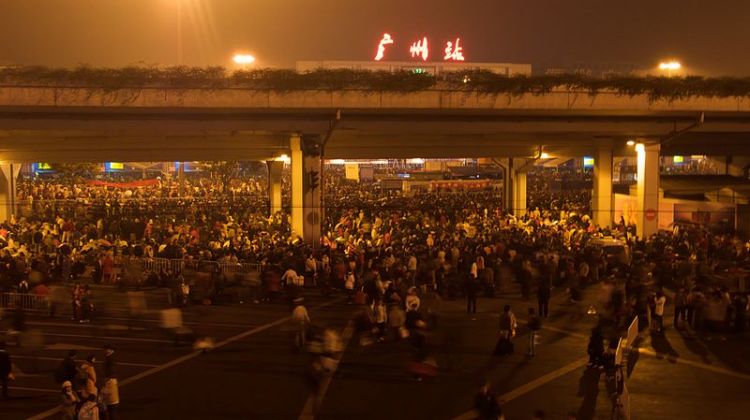
Crowds wait outside Guangzhou Railway Station to get home for Chinese New Year, by Eye Steel Film

In some ways, these two incidents mirror each other – both were victims to abuses of police power, but the reasons for these abuses were different. Zhou Xiuyun was killed while trying to assert her legal and constitutional rights under Chinese law, which are fairly comprehensive but rarely enforced. Sun Zhigang, on the other hand, only come under threat from the police as a result of the systemic violence of China’s household registration system. Under this system, access to education, housing, and social security are restricted to one’s region of birth, with drastically different benefits for ‘rural’ and ‘urban’ residents. A legacy of the command economy and early industrialisation of the PRC, the hukou system provided urban workers with an ‘iron rice bowl’ (tiefanwan 铁饭碗) of state support from cradle to grave, underpinned by food produced by self-sufficient rural areas. Despite their Chinese citizenship, Zhou Xiuyun and Sun Zhigang were more akin to Mexican workers in America than French workers in Germany. Sporadic reform efforts tend to be quietly shelved once public anger subsides, and the incompatibility of the hukou with guarantees of legal equality under the Chinese constitution persists.

However, the police and the hukou system are far from the only dangers to migrant workers, who disproportionately occupy dangerous sectors such as construction and sanitation. The vast majority of the 68,000 recorded work-related deaths in 2014 took place in sectors dominated by migrant labour. As is the case with migrant workers across the world, Chinese migrant workers face dangerous and taxing working conditions. Feelings of depression, loneliness, and despair are also disproportionately common among migrant workers. Just two months ago, Foxconn – the company responsible for assembling iPhones, in Chinese factories that have become notorious for high levels of worker suicides – saw yet another worker leap to his death.

Furthermore, the human rights implications of the staggering movements of people that have fuelled China’s recent economic often go beyond the impact on the workers themselves. Fan Lixin’s The Last Train Home is a powerful portrayal of the strains placed on families of migrant workers, and children of absent parents are more vulnerable to sexual abuse, which remains heavily taboo. Parents often face a choice between leaving children with relatives at home, where they will at least have access to education, and taking them to their host city where the right to education, although legally guaranteed, is often out of reach in practical terms.

Despite this precarious existence and the dangers involved in holding employers to account, labour disputes have spiked in recent years, as the Chinese economic slowdown leads to increasing non-payment of wages and awareness of legal rights increases among an increasingly educated migrant worker population. January 2016 was a record month for labour-related incidents, with 503 strikes and labour protests recorded across the country. In addition to this absolute increase, the distribution of protests is widening both by sector and by region, driven by demands for higher wages and increasing wage arrears. This trend shows little chance of changing any time soon.

Migrant workers in China face a complex array of legal and personal challenges, necessitating an equally complex solution. Improvements in the enforcement of labour laws and police handling of disputes might have helped Zhou Xiuyun, but without reforms to the hukou people in Sun Zhigang’s position would still be vulnerable to arrest and detention. The household registration system and deficiencies in the rule of law in China are the two fundamental obstacles to improvement in migrant worker conditions – meaning that the ultimate solution will not be found without major changes both policy and enforcement, both at the central and local level. Although foreign actors cannot influence this directly, supporting and giving publicity to the Chinese activists, workers, and lawyers that are fighting for improved labour rights is vital for these movements to succeed. China is entering its most repressive period since 1989, but international attention and condemnation of human rights abuses can and do force the state to exercise restraint. However, this is not exclusively an issue of Chinese human rights abuses. From smartphones in China, to construction deaths related to the Qatar World Cup, or closer to home in the UK, the exploitation of migrant workers is a system in which we are all complicit.

The Mosul Offensive: Trading in Human Rights for the Restoration of a Nation

Under a cloak of relative anonymity and overshadowed by the scope of Al-Qaeda in the Middle East, the Islamic State – also commonly referred to as ISIS or Daesh – shocked the global community as they gained control of Mosul during the summer of 2014. The second largest city in Iraq and home to a large Sunni Muslim population, ISIS’ stronghold signified to the diplomatic world the depth of their threat and that they were no longer a group to be overlooked. Since that summer, ISIS has repeatedly shocked the international community, not only because of their violent tendencies and continual human rights violations, but also for their ability to maintain both a territory with state-like qualities and a successful recruitment campaign throughout the Western world.

US and Iraqi forces training during Operation New Dawn, by US Navy Petty Officer 1st Class James E. Foehl

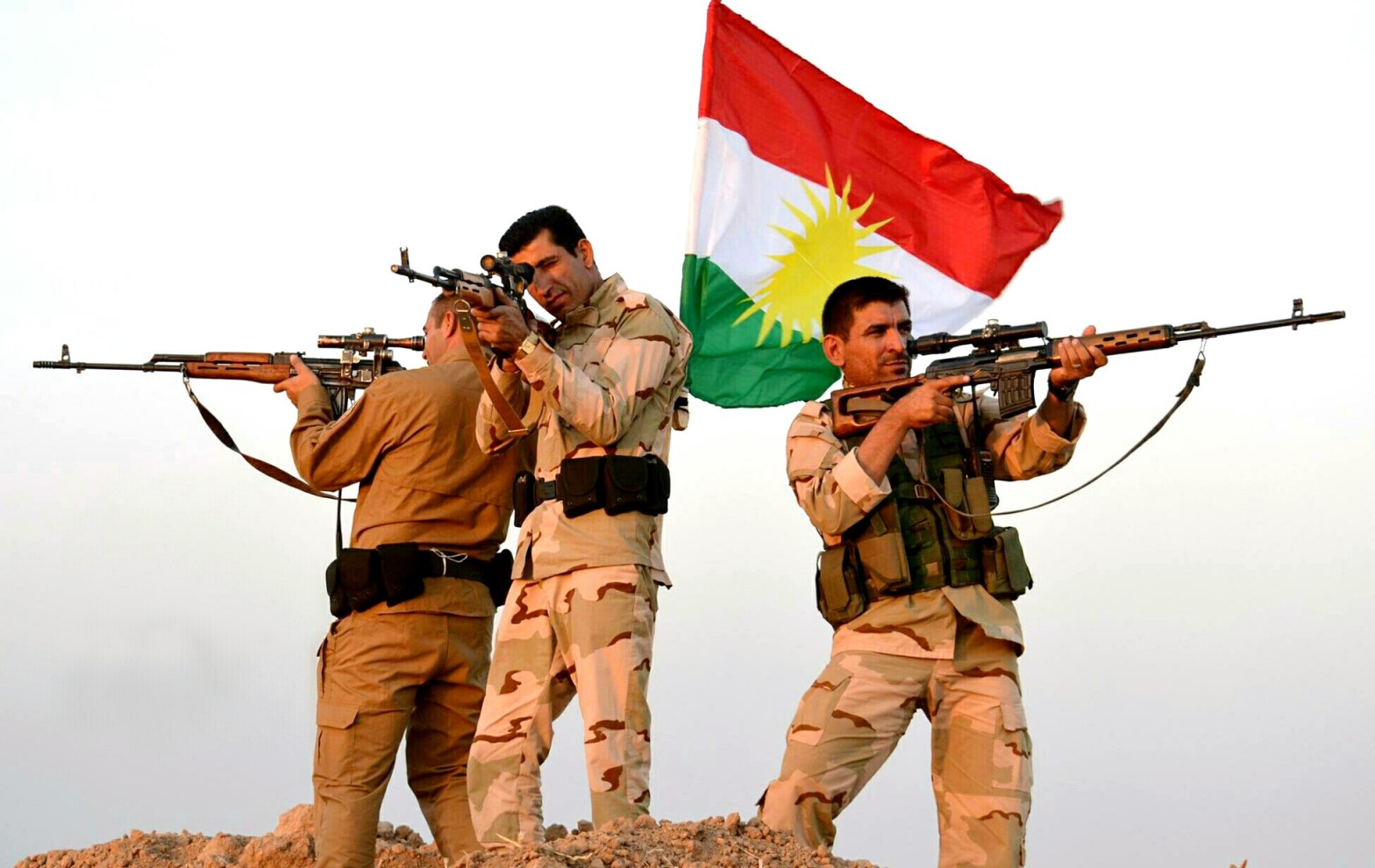
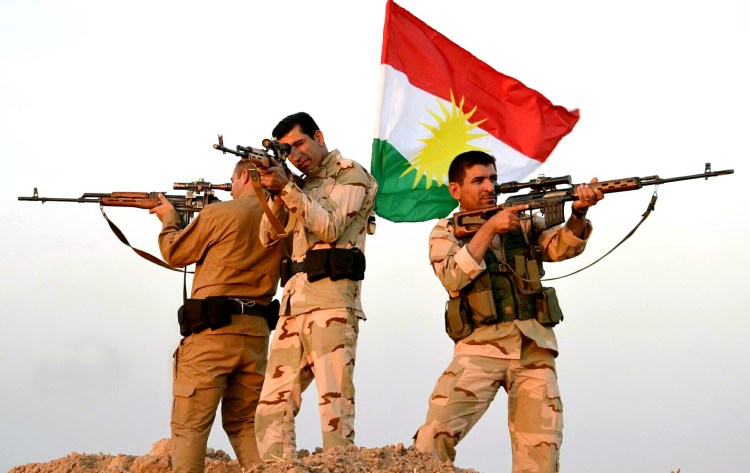
The battle to regain Mosul, coined the Mosul Offensive, officially began on the 16th of October with the aim of expunging ISIS’ presence so that Iraqi authorities may reassert their power in the northern provinces. The offensive consists of members of the Iraqi army, special forces, and the federal police who are working alongside the predominantly Shia Popular Mobilization Units (PMU) and Kurdish Peshmerga fighters, reinforced by United States-led air power and military advisors. As of publication, the first phase of the offensive is underway, seeking to set a foothold around Mosul and regain surrounding villages that have previously been under ISIS control.

Mosul’s importance in the fight against ISIS not only stems from the fact that it is one of the larger Iraqi cities, but also from the power it gives the Islamic State. The city is a hub for chemical weapon production and a strategic location for gaining access to surrounding territories such as Turkish Kurdistan, Iran, and Syria. Most importantly, it is where the terror group conducts taxation campaigns that bring in a majority of its revenue. Mosul also has symbolic significance for the group as it was the location of a monumental speech given by Abu Bakr al-Baghdadi, the elusive leader of the terror organization. Douglas Ollivant, former US National Security Council director for Iraq, stressed that defeating ISIS in Mosul would signify the beginning of their demise, stating “This is the last major urban area that ISIS holds [in Iraq]. After Mosul, it’s all one big mop up operation.”

2016 has not been a good year for the jihadist group. ISIS has seen the downfall of strategically significant territorial strongholds. In January, they suffered the loss of Ramadi, the provincial capital of the Western Anbar Province, which was followed by the fall of Fallujah in June and then the loss of 12% of their Iraqi and Syrian territories in July. The organization has also experienced major economic hits affecting the oil and water supply of civilians in regions under their control. Schools have been directly affected by this economic downturn with many of them remaining closed for the past year due to an absence of funding.

The battle for Mosul is not an easy one and the structure of the operation will have major implications on how the country will regroup and restructure at the end of the campaign. Analysts are voicing concern that the use of the ‘hasd al-shabi’ – Shia militias – in the Sunni majority city could lead to a resurgence of sectarian violence, an issue that has plagued the country since America’s intervention in 2003. Others say that a redrawing of Iraq’s boundaries should be expected at the end of the offensive, with the country most likely being reshaped according to religious and ethnic divides such as Sunni, Shia, and Kurd. Currently, the various groups are uniting under a general Iraqi identity and hope to wipe out ISIS’ presence in the region, but they all have different motives for participation. Shias recognize that their involvement is an opportunity to re-unite the country under Baghdad while Sunni militias are seizing the occasion to establish a Sunni presence independent from ISIS. The Kurds, however, see their participation as a major bargaining chip in their fight to make Kurdistan, a semi-autonomous state, into a fully independent internationally recognized nation. In the end though, there are two clear goals: to extricate ISIS and to see a country united under Baghdad with Iraqi flags waving once again.

Kurdish Peshmerga fighters

While the possibility of eradicating ISIS’ presence in Iraq seems promising, it is easy to overlook the human rights implications that the offensive may have on the civilian population of Mosul. On Tuesday of last week, Amnesty International published a sweeping report called Punished for Daesh’s Crimes: Displaced Iraqis Abused by Militias and Governmental Forces. Based on comprehensive interviews with victims and their families, Amnesty sought to expose the war crimes and human rights violations committed by the Shia Militias who are a key component of the offensive strategy. The report coincides with the beginning of the offensive as a reminder to forces on the ground that the international community is watching. As Phillip Luther, research and advocacy director for the Middle East and North Africa at Amnesty International, states, “Iraqi authorities must take concrete steps to ensure there is no repeat of the gross violations witnessed in Fallujah and other parts of Iraq during confrontation between government forces and with the Islamic State.”

The ‘gross violations’ to which Luther refers are the killings and torture schemes that have taken place without impunity by security forces and popular mobilization units, comprised of mainly Shia militants, in eight provinces with large Sunni populations. Alongside accusations of senseless murders, the militia and military groups have been accused of detaining refugees from the city without judicial proceedings and of using physical violence to obtain coerced confessions. Baghdad has yet to respond to the findings, while the Kurdish government flat out denies the validity of the accusations. Humanitarian crises do not rest solely on the backs of the militias but are an inevitable repercussion of prolonged armed conflict, with experts and analysts like Bruno Geddo of the United Nations Refugee Agency in Iraq stating that the exodus from Mosul could be “one of the largest man-made displacement crises of recent times.” At the same time, the civilian hardships of living under ISIS should not be overlooked. Mosul residents are under constant threat of sniper violence and of being thrown in jail or tortured and killed by ISIS combatants. Those who attempt to escape are met with million – dinar fines or, if they were a former member of the Iraqi police, death by beheading.

On October 20th, senior diplomats from several Western and Middle Eastern nations convened in Paris to discuss how to restore peace and stability in the country as well as to ensure minimal humanitarian damages. During a televised conference, Iraqi prime minister Haider al-Abadi emphasized the importance of protecting human rights during the offensive and of using the discussions in Paris to create humanitarian corridors for fleeing civilians. al-Abadi also underscored that the country is not seeking to fall into the same divide of sectarian violence that overtook Iraq post-2003. In light of the recently released Amnesty report, there seems to be ambivalence towards the severity of the findings on the part of the participatory members of the offensive. Some may argue that the human rights injustices suffered under ISIS control are worse than any act to committed or foreseen as a result of the violence. As the Mosul Offensive unfolds, it is important to watch whether the Iraqi government and the international community will omit the rights of the few for the greater good of a nation or if they will try to preserve the human rights of Iraqi civilians during the fight against ISIS.

What It All Means: Looking Beyond the Death of Keith Scott

Preface: This piece should not be seen as an indictment of America’s police force. A vast majority of police in America try to uphold the values of service to their country. Rather, this piece delves into the intricacies of the system of racial bias that America maintains; it hopes to explore what one of the world’s great powers has failed in, because change is clearly needed.

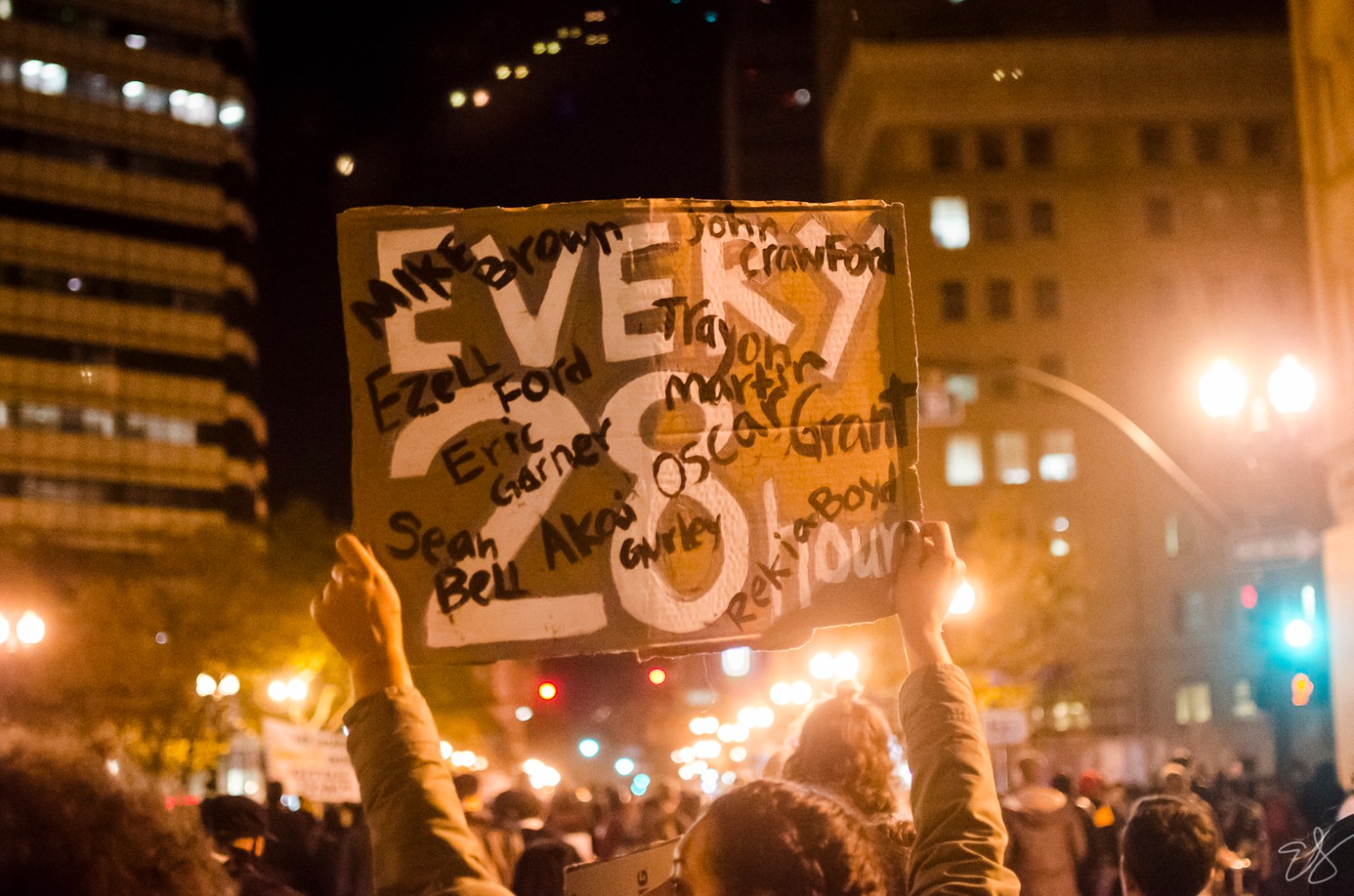
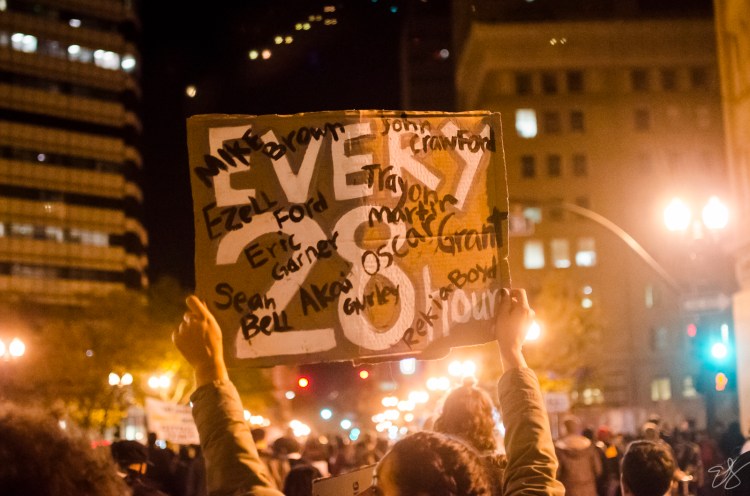
There is a simple pattern that has arisen since 2013. It starts with a black man, generally unarmed or non-aggressive, who is shot and killed by a police officer. As multimedia evidence of this event emerges on the internet, a responsive uproar begins across the nation. That uproar then physically materializes into protests in major cities. After a certain amount of time, violence ensues, wherein police forces attempt to disperse the crowd, resulting in multiple arrests, beatings, and the occasional loss of life. The cycle has been repeated on numerous occasions, and on September 23, 2016, the people of Charlotte, North Carolina bore witness to this course of events.

Sights from a Black Lives Matter protest in San Francisco, CA, by Erica Joy

That afternoon, Charlotte police officers confronted Keith Lamont Scott at his car after searching for a suspect with an outstanding warrant in the same area — Scott was not that suspect. After initial contact with the police, Scott re-entered his car, where a firearm was visibly present. From there, police officers encircled the car, prompting Scott to exit the vehicle with what police say was a firearm. Other eyewitness accounts say Scott was unarmed upon exiting his vehicle. Following heated verbal confrontation by the police officers, Scott was shot four times. There was no physical confrontation, nor was there any advance made by Scott towards the police.

What ensued was the expected uproar from local community members and social justice activists around the country, with #KeithLamontScott trending on social media as video of the incident surfaced. By 7:00 pm that day, crowds of protesters gathered in the city center, culminating in violent confrontation with the police. The end result: four arrests, several injuries, thousands of dollars’ worth in municipal damages, and one death.

Charlotte’s experience rings true for a multitude of areas across the United States. Ferguson, Baltimore, New York; the list goes on, but the story remains the same. Conservative pundits, like the editors of the National Review, are quick to justify the actions of law enforcement officials by looking at the victim’s background for a “violent history,” and labeling these events as isolated incidents. These officers were in ‘deadly’ situations, where a violent response was ‘necessary’ to ensure the wellbeing of the police present.

While these feelings of danger and imminent death were probably legitimate, did they justify the action? Did those same feelings justify the actions of Timothy Loehmann and Frank Garmback, two police officers who fatally shot 12-year-old Tamir Rice? Did they justify the death of Philando Castile, who was killed by Minnesota officers after reaching for his license and registration when pulled over? Though the fears were real, where those fears originated is what is inherently problematic.

What remains is this: the United States has a racial bias problem. It is not limited to these overtly publicized instances of bloodshed by police, but rather, it has been permeating the very lives of a significant portion of America’s population. According to the American Civil Liberties Union, black individuals are four times more likely to be arrested for marijuana usage than whites even though their consumption rates are identical; a report by the New York Times Economics Review found that black people are charged roughly $700 more than white people when buying cars; a study conducted by the University of Chicago concluded that black-sounding names were 50% less likely to hear back from potential employers, as opposed to their white counterparts, even though the resumes were identical.

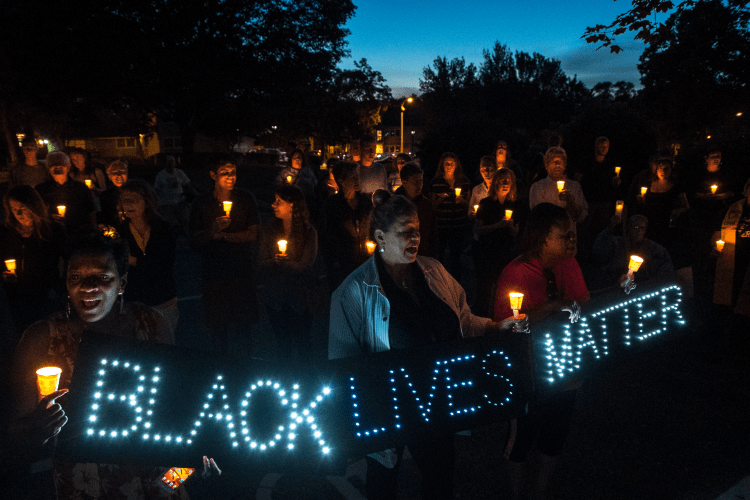
Members of the Madison, WI community attend a candlelight vigil in the wake of the Charleston Church Shooting in 2015, by Joe Brusky

The fabric of daily life for non-white people in the United States has thus been impacted in such a way that white individuals will almost always stand three feet higher than their neighbors. This is what happens when a country’s laws and culture are created by and dedicated to only a portion of the population. That is not to say that white people in America cannot experience hardship and trial, and at times be worse off than others of different racial status. Inherently, however, the color of one’s skin determines one’s seat at the cool kids’ table.

When institutions like law enforcement agencies, schools, private businesses, and even courts of law seek to uphold these racial standards of ‘entry,’ we arrive at a problem. Too often are human rights violations narrowly restricted to the likes of underdeveloped, non-Western states that perpetuate blatant atrocities against their inhabitants. Although organizations like Amnesty International have recently recognized police brutality in the United States as a human rights concern, institutionalized racism, the fundamental source of these injustices, has yet to appear on their radars. What is posited here defies that scope and places America in that almost unthinkable category.

The unalienable rights to life, liberty, and the pursuit of happiness that this country was founded on sadly only rings true for a select few. Whether it takes the form of the death of one more non-white person at the hands of law enforcement, or an inability to decide legislation due to systematic deterrents like mandatory ID laws, they all tell the same story.

Now, we come to the final question: what can we do about it? When this problem has extended its tentacles into multiple aspects of daily life, it is hard to come up with an overarching solution. Politicians like Hillary Clinton, Senator Cory Booker, and others have devoted time to providing legislation to reverse the effects of some inherently discriminatory policies, for example gun laws and incarceration laws, et cetera. Yet legislation can only go so far in changing a culture. How do we change the minds of the American population so that innate prejudice ceases to exist? In my eyes, finding an answer to that question can only bring us closer to making America’s mantra of freedom become a universal standard.

Torture in the United States: In Theory and Praxis

The United States is known by many as the global hegemon, especially in regard to military strength. While this is sometimes disputed, what cannot be is the vast scale on which the defense budget of the United States far exceeds that of any other country. In 2015, the defense budget of the US was $569.3 billion, while the next closest country, China, comparatively had a measly budget of $190.9 billion. With this global label and exponential expenditure comes a certain amount of responsibility on the part of the US. The United States has maintained its membership in the United Nations and ratified selected international treaties, showcasing this so-called accountability. However, their adherence to this governance remains questionable. This is especially apparent in the case of torture.

Torture is universally condemned under customary international law as jus cogens, meaning that “it has the highest standing in customary law and is so fundamental as to supersede all other treaties and customary laws.” Anti-torture has been further institutionalized by the United Nations Convention against Torture and Other Cruel, Inhuman or Degrading Treatment or Punishment, which was ratified by the United States in 1994. This Convention defines torture as

“any act by which severe pain or suffering, whether physical or mental, is intentionally inflicted on a person for such purposes as obtaining from him or a third person information or a confession, punishing him for an act he or a third person has committed or is suspected of having committed, or intimidating or coercing him or a third person, or for any reason based on discrimination of any kind, when such pain or suffering is inflicted by or at the instigation of or with the consent or acquiescence of a public official or other person acting in an official capacity.”

The United States has similarly ratified the Geneva Conventions, which “bars torture, cruel, inhumane, and degrading treatment, as well as outrages against the human dignity of prisoners of war, or POWs.”

In ratifying these treaties, the United States is asserting to the United Nations and the rest of the globalized world that they will refrain from partaking in any acts that fall under these definitions of torture. They are simultaneously declaring that their vast and sometimes daunting military budget will not contribute to these acts of war. Though this sounds well and good in theory, the United States has in fact participated in acts of torture, while claiming the vague and broad definitions above do not fit their specific exploits.

Prisoners at Guantanamo Bay being forcibly chained and muzzled by United States military personnel

When thinking about the justification of torture claimed by the United States, there are a few specific examples that stand out. These include acts committed in Guantanamo Bay and Abu Ghraib. Guantanamo Bay is a US detention camp that was created to house prisoners of war in Afghanistan, while Abu Ghraib was a shared US-Iraq prison in Iraq. Each of these examples represents a series of abuses that the United States has passed off as different from the definitions of torture highlighted by both the Convention on Torture and the Geneva Convention.

Guantanamo Bay, located at Guantanamo Bay Naval Base in Cuba, opened as a result of the 9/11 terror attacks in New York City as part of the United States’ War on Terror. When opened, the camp was intended to be a place to interrogate suspects and, initially, the detainees were combatants captured during the the war in Afghanistan in 2002. However, it evolved into something much more dangerous. It has been discovered that many of the captives were low-level fighters and even civilians, coming not only from Afghanistan, but also from places such as Saudi Arabia and Yemen. Reportedly, the CIA frequently inflicted extreme torture on the detainees. This included but was not limited to: sexual assault, sleep deprivation, sensory deprivation, solitary confinement, mock executions, forced medication, temperature extremes, and even forcefully making one watch another be tortured. Even though Guantanamo Bay’s illegal activities have been widely publicized, it remains open to this day. However, the Obama Administration filed an executive order in 2009 to close the prison, a work hopefully still in progress.

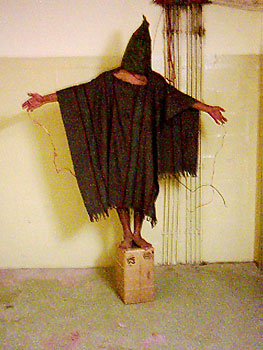
The techniques used at Guantanamo were then used as a blueprint for further abuses at Abu Ghraib prison in Iraq, located 20 miles west of Baghdad, facilitated by the Torture Memos describing the practices. General Geoffrey Miller, a US officer during the war, was even sent to Abu Ghraib prison to ensure the practices at Guantanamo were effectively instilled. In 2004, Abu Ghraib was gripped with controversy when photos were released of the brutality conducted against the detainees. In the Taguba Report, a written report of the investigation of the 800th Military Police Brigade, it was stated that violations included physically abusing detainees by forcing them to participate in many different sexual and explicit acts.

One of the most famous and widely publicized photos released of Ali Shallal al-Qaisi, a prisoner at Abu Ghraib

However, while similar practices were performed at both locations, very different discourses surrounded each. The Bush administration has publicly declared that the CIA program at Guantanamo did not include torture, as it is banned by the US government, but instead constituted what they called “enhanced interrogation techniques.” The definition of this term, which was originally made vague so as to encompass multiple forms of aggression, was then used as a justification. President Bush stated that “America’s armed forces would treat the detainees ‘humanely’ in a manner ‘consistent with the Geneva Conventions’” — but only “to the extent appropriate and consistent with military necessity.” In 2006, it was later ruled by the Supreme Court that all detainees, no matter where they were being held, were protected by the Geneva Conventions.

While this rhetoric was used for justification of the abuses at Guantanamo Bay, an opposite form of language was used in regard to Abu Ghraib. When pictures were publicly released of the atrocities performed at Abu Ghraib by the United States in 2004, there was public outcry. At Guantanamo, the US could spin the theoretical protocol and ratified treaties as a justification, but in the case of Abu Ghraib there was clear photographic evidence of intense brutality. Secretary of Defense Donald Rumsfeld stated that they “depict incidents of physical violence towards prisoners, acts that can only be described as blatantly sadistic, cruel, and inhuman.” This statement was then supported by President Bush.

While the use of torture in both these places is equally deplorable, why the difference in discourse? Abu Ghraib has been publicly condemned while Guantanamo Bay lives on. The difference lies in the international community’s reaction. The photos of Abu Ghraib were proof of torture activities, exemplifying the extent to which the United States violated the theoretical frameworks against torture outlined in the Geneva and U.N. Conventions. However, at Guantanamo Bay the extent, and some could say proof of torture, was far less publicized. In today’s media climate, photographic proof such as that of Abu Ghraib speaks exponentially louder. It is much harder for the United States public to believe their own government and military are committing atrocities without clear-cut evidence. It is uncommon for a people to oppose their government without a reason, and Abu Ghraib gave them that reason. This then begs the question, what now? How do you force the world’s strongest and best equipped military to follow international law?

There is something that can be done, however small. Visit closeguantanamo.org to sign a petition to get President Obama to close the base. Every signature makes an impact.