Review: Professor Wendy Savage's Discussion of Abortion Rights

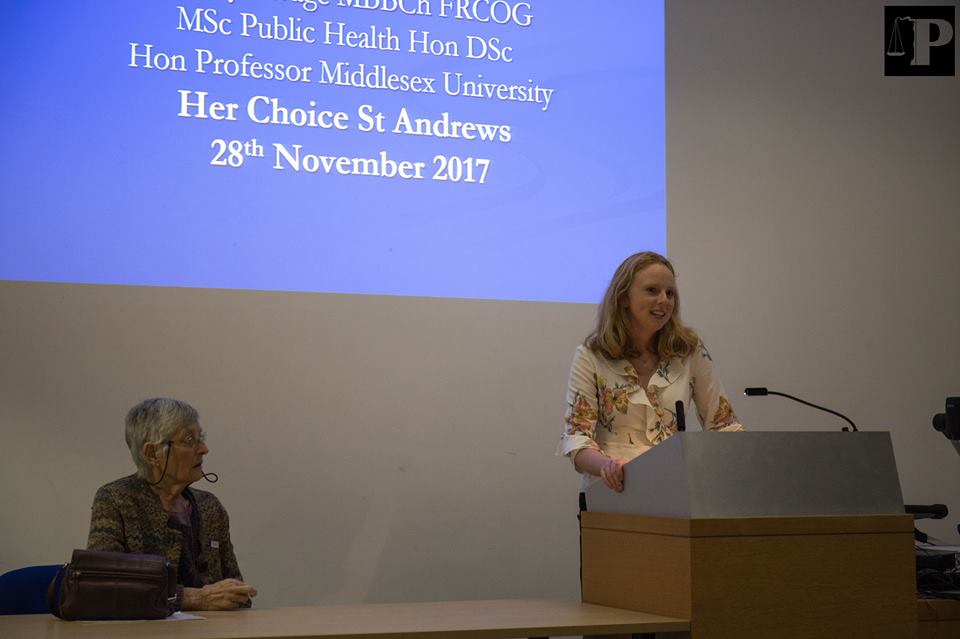
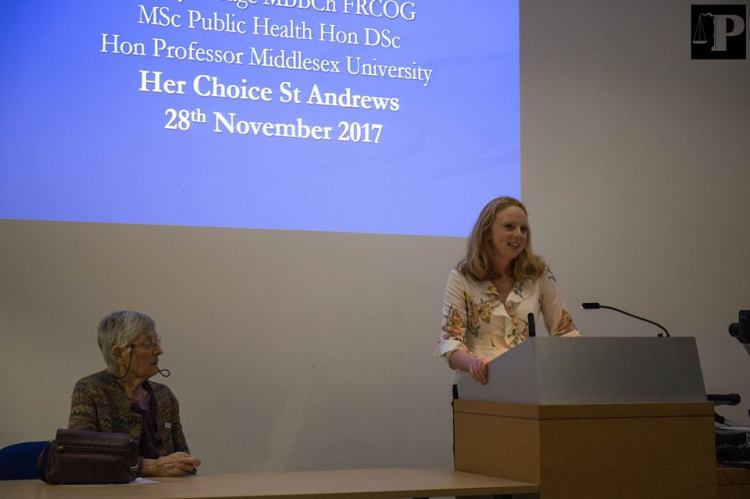
Human Rights Watch takes a stance on that the denial of the right to make a decision regarding an abortion as a fundamental violation of various human rights. Moreover, they underscore the importance of health and safety and how it is correlated with access to safe abortions. On Tuesday, 28 November, Professor Wendy Savage came to St Andrews to discuss her work with women’s reproductive rights, and the history of abortion laws in the United Kingdom. In her talk, titled “What is wrong with the 1967 Abortion Act?”, she discussed the history and progress of abortion laws in the U.K. Prof. Savage is currently at the University of Middlesex, but was brought to St Andrews by Her Choice, a university society that aims to “raise funds for thousands of women who are unable to access abortion facilities and to raise awareness of their plight”. Her Choice was founded in February 2017, and this was their first major event since their foundation.

Dr. Savage is known around the world as a vanguard of women’s reproductive rights through her impressive career as a gynaecologist and activist. Dr. Savage studied medicine at Girton College, Cambridge, graduating in 1960. She was the first women consultant for obstetrics and gynaecology at London Hospital. She has worked around the world ever since, notably opening an abortion service in New Zealand before the “law was liberalised”. Following a high-profile inquiry in 1985, when Dr. Savage was accused of incompetence in management of the obstetrics post at London Hospital Medical College, she was reinstated in 1986 with all charges cleared. Particularly of interest to the evening’s audience is her work with Doctors for a Woman’s Choice, sometimes known as Doctors for Choice.

While the investigation was not long, it garnered plenty of attention to this day, but Dr. Savage is no novice to discord. She made headlines earlier this year when she said it was “outrageous” that some doctors withheld the gender of unborn babies due to fear of sex-selective abortions. This was met with outrage from some, arguing that she was ignoring the risks of telling parents who would abort the foetus based on gender. Dr. Savage held her ground, arguing that withholding information from mothers is an ethical mistake and that they have every right to that information, especially as they are the ones “taking the risks”. The British Pregnancy Advisory Service immediately supported Dr. Savage, noting that there is no evidence of sex-selective abortion in the UK.

Dr. Savage gave a lecture-style talk followed by an informal question and answer session. The event was attended by both pro-life and pro-choice students, adding a range of opinions and voices to an evening that could have become an echo-chamber. Dr. Savage was obviously very well versed in the history of reproductive rights in the U.K. and showed this with passion and clarity. Touching on the range of laws from Northern Ireland, England and Scotland, and the challenges posed to a woman requesting an abortion. Problems such as required confirmation by two doctors or mandatory locations for taking abortion pills, showed the complicated history still present in the world of reproductive rights and the debate over the right to a safe, accessible abortion. She concluded with steps that she recommended for all those in support of a woman’s right to an abortion.

One of the merits of the event was the attendance of members of the Students for Life group in St Andrews. James Castro, the secretary of the group, commented that “the speaker raised a number of interesting issues from her talk. However, the speaker seemed closed off from reflecting on whether the unborn child is a new human life. It is painful to see how far apart the two sides are in recognising that abortion also entails ending an innocent human life but, listening to the pro-choice side of the debate is important.” Seeing both groups interact and take part in discussion made the event that much more enriching.

Photography by Alanna Gow.

Sexual Violence: A Crime Against Humanity

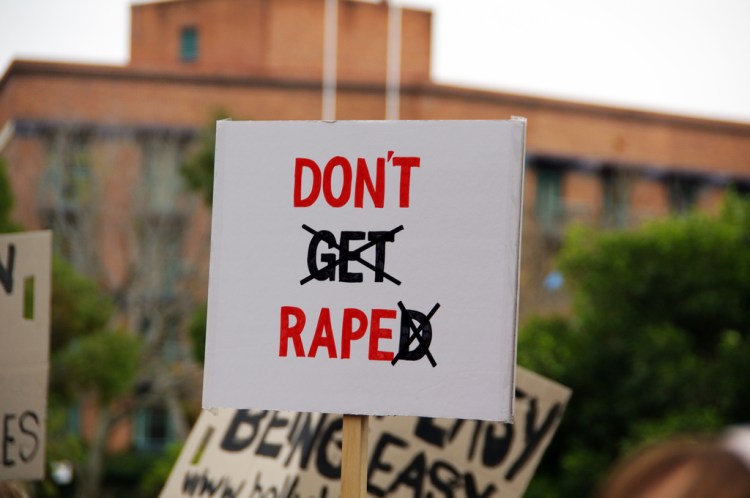
In 2013, the day after Faith organized an anti-rape protest in the south west Democratic Republic of Congo, government policemen came to her home, murdered her husband, beat her children, and raped her niece while forcing her to watch. They then took Faith to prison where she lost count of how many times she was raped and beaten (Freedom From Torture). In the DRC, which has been dubbed ‘the rape capital of the world’ and ‘the most dangerous place to be a women,’ Faith’s experience is far from isolated. Recent research estimates that 48 women are raped every hour in the DRC (American Journal of Public Health).

Sexual violence is the most underrepresented and unrecognized weapon of war and form of torture in conflict zones, despite the lifelong physical and psychological trauma it causes that extends immeasurably beyond war. A concept as old as war itself, rape is the cheapest, most effective, and a low-risk form of torture. Consequently, it is systematically used to instill terror and destroy communities in order to achieve military and political objectives.

Source: Flickr.

Rape and sexual violence have devastating implications for not only the individual violated, but also for entire communities due to the roles women have as mothers, daughters, and wives. Physically, sexual violence is a tool for ethnic cleansing. Mass rapings of communities are carried out with the aim of spreading HIV, taking away women’s’ fertility, and changing the ethnic makeup of the next generation (United Nations). The psychological ramifications of widespread sexual violence are perhaps even more severe, for families and communities are indelibly traumatized and destroyed. Rape and sexual violence cannot be unseen or unfelt by victims — post traumatic stress, unwanted pregnancies, and stigma thwart any return to normality for women and men alike.

It was not until 1992, after the highly publicized and documented accounts from the media of widespread sexual slavery and rape in the former Yugoslavia, that mass sexual violence came to the attention of the United Nations. In the early 1990s, the International Criminal Tribunal for the former Yugoslavia (ICTY, 1993) and the International Criminal Tribunal for Rwanda (ICTR, 1994) declared rape as a war crime alongside torture. Yet only in 2001 was the first person accused of rape found guilty in an international court. Since then, the Rome Statute of the International Criminal Court has included “rape, sexual slavery, enforced prostitution, forced pregnancy, enforced sterilization, or ‘any other form of sexual violence of comparable gravity’ as a crime against humanity when it is committed in a widespread or systematic way” (United Nations). International recognition and reprisal of sexual violence is critical, but it is not enough on its own.

Figures place the number of rapes during the 3 months of the Rwandan Genocide at minimum 100,000 and up to 500,000 (United Nations). However, as rape is notoriously difficult to document and more often than not goes unreported, it is likely that those numbers are far higher. Statistics do not translate the meaning and devastation of war fought through women’s bodies as a military strategy. This brings to light the fact that the social sphere of women is typically viewed as outside the concern of state or official involvement. Sexual and gendered violence needs to be recognized as an intrinsic aspect of women’s structural inequality. The undefined boundary between when rape should be treated as an individual criminal act or as a weapon of war and violence has been used as an excuse to avoid action (Hannah Pearce).

The lack of a universal, cohesive attitude and denunciation towards sexual violence will be one of the most challenging obstacles to overcome. Rape as a weapon of war arises out of uncontrolled malice, desire for power, and a sense of inadequacy from the perpetrator — yet it is the victim who suffers from shame and social exclusion after the fact (Hannah Pearce). The stigma that women face after suffering sexual violence often leads victims to deny rape for integrity reasons. Adding insult to injury, the male-dominated legal processes that women have to go through to report their attacks are unreliable and insensitive. This issue is underestimated, for how should we expect hesitant, abused women to put their trust in a legal system that will likely fail them? To put things in perspective, in the UK, a nation with developed legal systems and relative gender equality, only 6 percent of reported rapes end in conviction (Journal of Law and Society). Now imagine that statistic in a war-torn state with limited resources.

Going forward, it is essential that sexual violence and rape is internationally understood and treated as a weapon of torture, a war crime, and a crime against humanity. Procedural changes and enforced punishment are necessary to win the battle against sexual violence, for rape can no longer be an unchallenged, mass means of torture that is carried out without consequence. More importantly, society needs to get on the side of women and provide social sanctions within communities that allow their plight to be redressed. Rape has been a habitual and dismissed product of conflict for as long as there have been wars, but there is no excuse for this still to be the case in our modern world. Through reformed politics, legal procedures, and attitudes, victims of sexual violence can receive the support and justice they deserve.

Works Cited:

The Guardian; The United Nations; Freedom From Torture

Silence Breakers

In recent months a watershed movement has been taking place. Women from all backgrounds have been coming forward and sharing their stories in a bid to de-stigmatize sexual harassment. The first scandal that garnered attention occurred in October of last year, with the release of the Billy Bush Access Hollywood tape, featuring the now President, Donald Trump. After the tapes were released, 19 women came forward and accused Trump of sexual harassment. While these allegations did not stop Trump from ascending to the presidency, the movement has picked up speed, and recently many leaders in politics, media, and news have faced repercussions. From Hollywood insider Harvey Weinstein, to Fox News icon Bill O’Reilly and NBC anchor Matt Lauer, to comedian Louis C.K. This movement comes on the heels of Kerry Washington’s 2016 film Confirmation, which follows the story of Anita Hill, a staffer who accused supreme court nominee Clarence Thomas of sexual harassment in 1991. While Hill’s case was not victorious, and Thomas was still sworn in, the brave step that she took 25 years ago has paved a path for other women to do the same.

Harvey Weinstein is facing multiple allegations of sexual harassment and assault. Source: Wikimedia Commons.

It is especially brave of the women who have come forward in recent months to share their stories, knowing the obstacles that they may face in doing so. Victims of sexual harassment— unlike those of car accidents, muggings, or robberies— can face condemnation from society. They are often blamed, with questions such as, “what were you wearing”, or “how much did you have to drink” becoming synonyms for, “it was really your fault” and “you should have known better”. Due to fear that they may not be believed, or of being judged, shamed, and of suffering career repercussions, many women stay silent. That silence has now broken, with a watershed movement leading women of all ages, races, and denominations to come forward and share their stories.

The prevalence of sexual harassment in society may seem easy to sweep under the rug as hearsay or he said she said. However, the numbers do not lie: 65% of women have been harassed on the street and 20% have been followed. Workplace sexual harassment is even more rampant: 1 in 3 women aged 18-34 have been sexually harassed at work, with only 29% of these women reporting it and the rest staying silent. Even more condemning is the 16% of women who said they had not been sexually harassed at work, but had been the recipient of explicit, sexual, and inappropriate comments. This demonstrates an ingrained culture of workplace misconduct and sexual harassment that women are programed to accept as “normal”. Over 80% of women have experienced verbal harassment at work and 25% have received lewd and inappropriate emails, texts, and phone calls. Moreover, 75% of women say they have been sexually harassed by a male coworker, 49% by a male client or customer. Women aged 19 to 29 are the most likely to experience sexual harassment in the workplace, with 64% of women in this age range having faced unwelcome advances at work.

One such woman who recently broke the silence is Tarana Burke the creator of the #metoo movement. Burke is a social activist who works with domestic abuse survivors, she has long used the phrase to create a sense of solidarity among the women she works with. She first brought the phase to social media in 2006 via myspace, to empower women through empathy, especially women of color from underprivileged communities. The hashtag was a response to the internal turmoil Burke felt after talking to a 13 year old sexual assault survivor. The hashtag was popularized in October when actress Alyssa Milano tweeted it out after the allegations against Harvey Weinstein came to light. Milano encouraged other women who had faced sexual harassment to do the same. A virtual flood of #metoo filled the facebook, twitter, and instagram pages of people worldwide. #Metoo emphasized the prevalence of sexual harassment in society and the fact that nobody is safe from it. Sexual harassment does not discriminate against race, socioeconomic status, education, or geographical region. Within 24 hours of Milano’s initial tweet over 4.7 million people in 12 million posts had used the hashtag. #Metoo vividly demonstrates that everybody has a stake in ending sexual harassment.

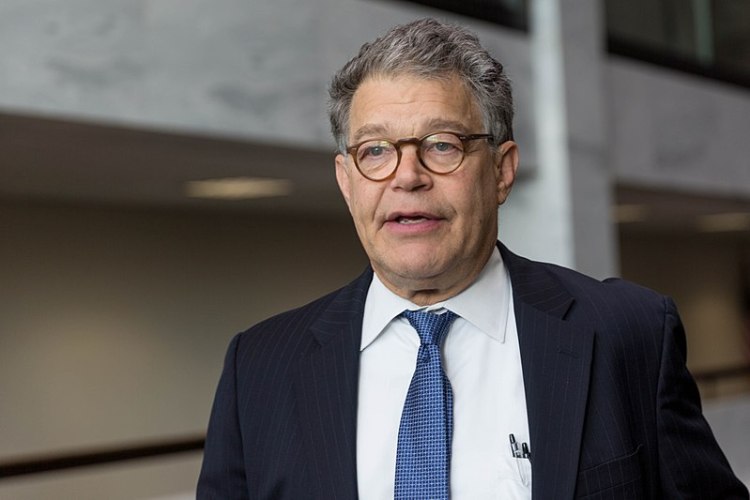
Another women who recently broke the silence is Leanne Tweeden, a radio broadcaster from Los Angeles. Tweeden recounted how during a 2006 USO show, Senator Al Franken made unwanted and inappropriate advances. Tweeden claims that Senator Franken wanted to rehearse a skit with her where they would kiss, despite being uncomfortable with the scene, Tweeden eventually agreed and practiced the performance. Tweeden claims that Franken acted inappropriately and that she felt violated by his behaviour. However, Tweeden said that the inappropriate kiss was nothing compared to the sense of violation she felt after she saw photographs from the USO trip. Tweeden tweeted the incriminating photo which shows Senator Franken groping her breasts while she was asleep. Senator Franken responded that it was a gag, probably done in poor taste. However, as Tweeden and the other seven women since her who have spoken out about inappropriate behaviour from Senator Franken, can attest, jokes such as this one are not really funny. Rather, they demonstrate a problem that many women face on a day to day basis. Male coworkers and colleagues not only fail to recognize where appropriate boundaries lie but rather that boundaries exist at all. What was a prank to Senator Franken, something he most likely forgot about when he disembarked the plane, had long term implications for Tweeden, like a loss of confidence and security. Senator Franken has announced that he will step down from the Senate. However, he admits no wrongdoing; instead, Senator Franken apologizes for any actions that made others feel uncomfortable, but claims he does not remember any of the events in the same way that his accusers do. Senator Franken is just the latest in a long line of powerful men who have faced severe repercussions due to sexual harassment allegations. Hopefully it will serve as a lesson for others, that workplace misconduct and sexual harassment are never ok.

Senator Al Franken has stepped down from his position in the wake of the accusations against him. Source: Wikimedia Commons.

While it would be easy to chalk this tidal wave of sexual harassment allegations up to isolated events without a unifying factor or common denominator, that is not the case. Although this is not a social movement reminiscent of the fight for civil rights in the 1960s or feminism in the 1970s, it is creating a transformation in society. Titans of industry are being toppled, people who have long been too afraid to speak out are coming forward, and open discussions are taking place about appropriate workplace behaviour. Facebook CEO Sheryl Sandberg called this a “watershed moment” and urged that it is an “opportunity that must not be lost.” This moment has captured people’s attention and vividly demonstrated why everyone desires to work in a safe and equal environment.

Notes from the field: The UN Forum on Business and Human Rights 2017

“Human rights are not optional norms” stated Professor Surya Deva, the Chairperson of the UN Working Group on the issue of human rights and transnational corporations, at the opening plenary at the sixth UN Forum on Business and Human Rights. The Forum took place in November 2017 at the Palais de Nations in Geneva, the home of modern human rights (and terrible sandwiches, apparently). Its mandate is to create a global platform helping academics, activists, states, and businesses to come together, share good practice, and further the discussion on the burgeoning field of business and human rights. The Forum’s main focus over the last few years has been to “move the UN Guiding Principles on Business and Human Rights (the UNGPs) from paper to practice”. The UNGPs were launched in 2011, on the back of growing concerns that the sheer size and power of multinational corporations (MNCs) were having an increasingly negative impact on human rights. Due to to the extensive reach of many MNCs, prevention, accountability and remedy for human rights abuses are lacking. This is especially relevant within global supply chains, many of which are based in the developing world and which struggle with inadequate state infrastructure. Disasters like Rana Plaza in Bangladesh in 2013, or Shell’s involvement in human rights abuse in the Niger Delta, highlight the need to provide international standards of behaviour for multinational corporations.

Aiming to bridge this gap, the UNGPs broadly encompass three Pillars: upholding states’ existing obligations to protect human rights; compliance and respect of human rights by business enterprises; and the right to effective remedy when human rights abuses occur. While not legally binding, the popularity of the UNGPs represents a shift in wider corporate discourse, with numerous MNCs integrating the Principles into their operations. This year’s Forum focused on Pillar III of the UNGPs—the right to access to remedy. Sometimes called the “forgotten pillar”, the right to access to remedy represents “one of the greatest challenges within the business and human rights agenda”, since it requires a complex and victims-based perspective that is very often overlooked. As Debbie Stothard, the Secretary General of the International Federation of Human Rights (FIDH) said during one session in the Forum, “How do you compensate for a death of a loved one, the loss of ancestral land, or cultural identity?”.

One particular focus of the Forum this year was the need to recognise women’s rights within business and human rights issues, with an all-women opening panel and specific sessions dedicated to this issue. Women make up a significant fraction of the workforce in most industries, yet business practices and cultures continually fail to consider the needs of women and girls and how they are impacted. According to the International Labour Organisation (ILO), sex-based discrimination against women remains the most prevalent form of inequality in the workplace. Women workers are often situated at the bottom of corporate value chains, especially in the garment sector, and often experience unique discrimination and human rights violations. Julienne Lusenge from Women@TheTable reiterated this point during a special session on women’s access to remedy, saying that for many women their only options are to deal with workplace sexual harassment or get fired for reporting it.

Moreover, women shoulder a heavy burden from the negative effects of businesses in the communities in which they operate. One example highlighted during the Forum was the forced displacement of indigenous communities by natural resource industries in the Global South, where women are disproportionately affected. This can be bound up with the structural inequality still present in many societies. Some formal state laws and regressive social norms still see women as the property of their husbands, denying them the right to own property, and seeing their role as solely familial. These structural inequalities prevent women from redressing grievances and deny them the chance for their voice to be heard. For businesses, this can represent an opportunity to give back to communities, by advocating for women’s rights and supporting positive change within society.

Another important issue that emerged during the Forum was the impact of technology on business and human rights. A number of MNCs are investing in new technology to better understand human rights issues in their global supply chains. Nevertheless, disruptive technology such as large-scale automation and artificial intelligence (AI) are set to completely transform work as we know it, so it is vital to understand the implications for workers’ rights. In a session aptly named “Remedy Against the Machine”, examples of this new technology were discussed, with examples including the ‘Sewbot system’, capable of making 1.2 million t-shirts a year, outstripping its human counterparts. With this automation comes job displacement, especially in low-cost export economies like Bangladesh, and the potential for human rights abuse. Another facet of this new technology concerns the huge amounts of data collected for AI, and the increasing influence this will have on our day-to-day lives. This, as Steven Crown, Microsoft’s Vice President stated, “requires businesses to reflect on new ways of thinking about privacy”.

After the hectic schedule of the Forum, the closing plenary was an opportunity to reflect upon the achievements and hindrances of the previous three days. The voices of indigenous communities from around the world shared stories and lessons from their experiences, and asked the Forum participants to work towards the elimination of human rights abuses that they had faced at the hands of MNCs. There was also a diverse range of businesses, keen to engage and present their human rights accomplishments. However, state representation was noticeably lacking in many of the sessions. This is an unfortunate oversight on the part of countries, given that under international human rights law (and under the UNGPs themselves) it is states that are charged with the primary duty to protect human rights. The prospect of a binding treaty on business and human rights also loomed over the Forum, with Professor Deva launching his book on ways to build this treaty. It remains to be seen how this is developed both over the next few years and during the 2018 Forum. With all these complex issues, it is imperative to remember what the UN High Commissioner for Human Rights, Zeid Ra’ad Al Hussein, said in his address to the closing plenary: “No-one will remember us for our silence, nor respect us for it”.

Nazanin Zaghari-Ratcliffe: what happened and where next?

On April 3rd 2016, British-Iranian Nazanin Zaghari-Ratcliffe was detained as she was about to board a flight back to the UK. Although her family and Amnesty International have been campaigning for her release since 2016, in recent months her case has been featured on national news due to comments made by Boris Johnson. By looking at the various events that led up to Johnson’s comments and acknowledging how they affect her case, it is clear that her release will be hard to secure.

Iranian news network PressTV reported that Zaghari-Ratcliffe’s arrest and subsequent sentencing was in connection with her involvement in the post-election conflicts in 2009, in which it is claimed she “conducted activities against the security of the country by designing websites and carrying out campaigns in the media”. The 2009 post-election riots are often referred to as the “Twitter revolution”, as Twitter and other social media sites were essential for communication between the protestors. The protests lasted nearly eight months and led to the arrests of, according to the Iranian government, 4,000 individuals, although the real figure may be higher. Journalists, both Iranian and foreign, were included in those arrests. Zaghari-Ratcliffe worked in an administrative role for the BBC World Service Trust (now known as BBC Media Action) which taught courses for Iranian journalists. However, she was never involved with these courses and this previous job cannot be used as evidence against her. Her current position as project manager with the Thomson Reuters Foundation, a news media charity, has been used as evidence against her. On September 10th 2016 she was formally sentenced to five years imprisonment for “allegedly plotting to topple the Iranian regime”.

Nazanin Zaghari-Ratcliffe. Source: Free Nazanin.

On November 1st 2017, Foreign Secretary Boris Johnson spoke about Zaghari-Ratcliffe’s situation stating that she was “simply teaching people journalism”. Not only was this a false statement, as she was on holiday visiting family in Iran, it was irresponsible and dangerous. Members of Parliament and the public called on Johnson to retract his statement, apologise, and resign as Foreign Secretary. After pressure he called the Iranian Foreign Minister to reiterate that Zaghari-Ratcliffe was on holiday and not in Iran to train journalists, however the damage had already been done. In the days following Zaghari-Ratcliffe was brought back to court and Johnson’s comments were used as further evidence against her.

She is due to appear in court again on December 10th, with Iranian authorities stating that she will be charged with “spreading propaganda against the regime”. Her family has claimed that these new charges could increase her sentence to 16 years, although this has not been confirmed. The Iranian Embassy in London has said that she may receive more years onto her sentence.

There are many issues with Zaghari-Ratcliffe’s imprisonment, which are at the forefront of the campaign for her release. When she was initially arrested in April 2016 she was not told the reasons for her arrest and was put in solitary confinement for 45 days. During this time she was not permitted to speak to her family and was not able to speak to a lawyer until three days before the trial in September 2016, where she was sentenced to five years imprisonment. However, the most startling and worrying issue is that there is no legitimate evidence against her. She is being illegally imprisoned based on evidence that does not provide reason for arrest nor sentencing.

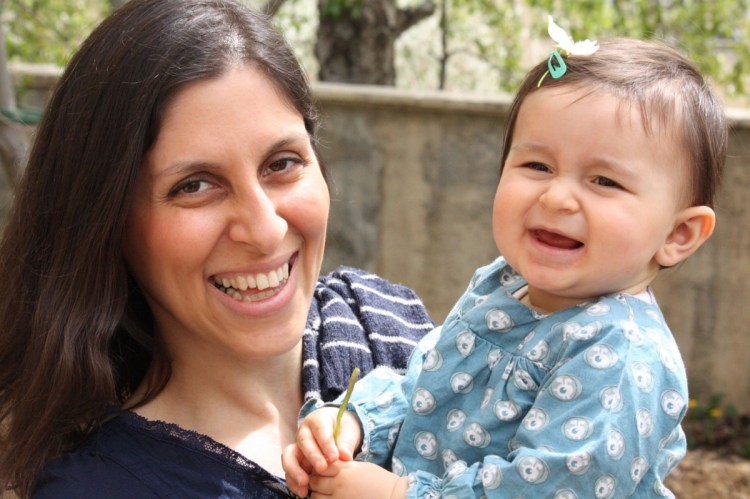
Nazanin Zaghari-Ratcliffe and daughter Gabriella. Source: Free Nazanin.

Zaghari-Ratcliffe has now been in prison for nearly twenty months and there are concerns about her health, which has worsened since her imprisonment. She has arm, shoulder, and neck pain, and was denied access to healthcare which meant she was forced to suffer in pain. She was worried about breast cancer after discovering lumps – but has fortunately been given treatment and the all-clear. Alongside these physical effects, her imprisonment has had a serious impact on her mental health, with diagnoses of both depression and post-traumatic stress disorder noted by the prison psychiatrist.

She was arrested in front of her young daughter, Gabriella, who has remained in Iran since her mother’s arrest. She is not an Iranian citizen, and her British passport was originally confiscated, although it has now been returned. She visits her mother twice a week but is looked after by her maternal grandparents. Despite seeing her mother each week Gabriella speaks Farsi and only little English, which makes communication with her British father difficult. She was only 22 months old when her mother was arrested and has now spent nearly half of her life visiting her mother in prison; this is no life for a child.

Although Zaghari-Ratcliffe has both Iranian and British nationality, this is not recognised by the Iranian government and thus she is not permitted British consular advice or involvement. However, the UK government could offer diplomatic protection which would mean that the situation would be treated as a formal, legal dispute between the UK and Iran. The UK government have claimed that they are working on all ends to secure her release, with both Johnson and Prime Minister Theresa May raising her case with high-ranking Iranian officials. However, it appears that pressure from the UK government needs to be increased for progress to be made. The United Nations have called for her release on multiple occasions stating that her arrest and lack of fair trial are human rights violations.

In order for Zaghari-Ratcliffe to be released and reunited with her family, pressure must continue to be put on both the UK and the Iranian government. There are two main petitions calling for her release; Amnesty International and a change.org one set up by her husband. For more information on her case and the upcoming trial visit freenazanin.com.

The Border that Death Creates

A pressing issue that is not given enough attention in the media is the degree of violence experienced by migrants at EU borders and the transnational effects that holds. Iosif Kovras and Simon Robins shine a light on the issues that undocumented migrants and their families face due to methods of security implemented at the border. Present day levels of securitization and militarization are increasing in an attempt to keep migrants out and are resulting in violent deaths that take place on state lines. Contrasting state policies of dealing with dead migrants versus dead citizens are pushing the emotional component of the border into the homes of migrants’ families. The modern-day refugee crisis has changed and it stretches far beyond the massive migration of people into European states; it is changing the discourse around Mediterranean migration from “one concerned with the threat to Europe, to humanitarian concerns”. States within the EU are failing to deal with this humanitarian crisis and, as a result, the indirect victims are those families living in ambiguity, uncertain of the status of their loved ones.

The contemporary border is a shifting phenomenon presently shaped by death at the border as a result of increased securitization. Through an analysis of death as the border, we see the underlying impact that the deaths of would-be migrants at the EU frontiers create. While the physical border separates citizens from aliens, death as the border is what separates families from their loved ones and creates a border that presents a strong emotional component. This extension of the contemporary border contributes to the growing humanitarian crisis because it is constructed from the bodies of migrants and the trauma felt from their family members. Different forms of exclusion and inclusion are experienced at the border and remain highly evident after death through the management of dead bodies within the EU.

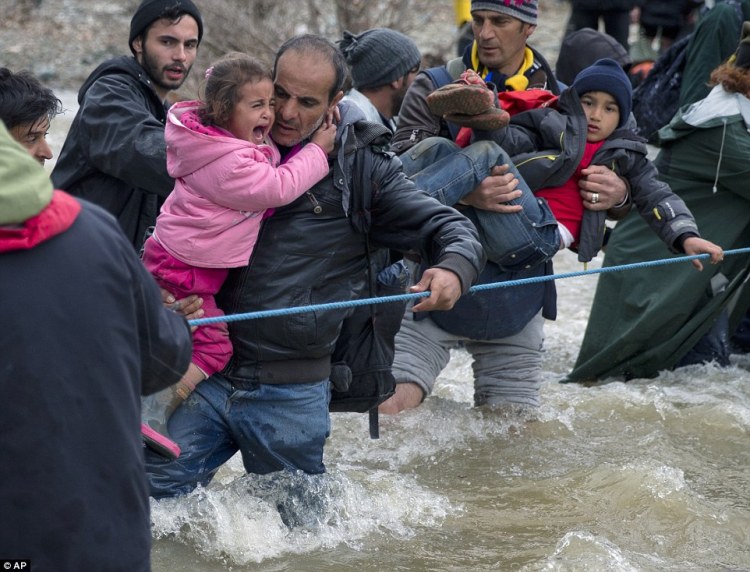
Source: Daily Mail.

Lesbos, Greece, is a popular destination for migrants and refugees; 500,000 arrived in 2015–a huge number for an island of roughly 86,000 people. The fundamentally different policies enacted by governments in the EU in response to dead citizens or dead migrants emphasize the dire situation at hand. The living migrant is seen as the biggest “‘threat’ to national security” and is placed under the microscope of surveillance, but the moment those migrants die at the border, death is seen as an accident and thus not the responsibility of the state. These policies are evident in cemeteries, where migrants’ bodies are scattered throughout and buried at unmarked graves. 97% of Greek citizens are identified at the time of death, which is an exceptional number even by international standards, while only around 20% of migrants are identified. The state authority’s failure to take responsibility for the bodies of migrants leaves the issue in the hands of local authorities who lack the necessary funds to properly identify and bury every body. This contributes to forms of exclusion felt by migrants after death. Consequently, this lack of action holds repercussions abroad where the transnational effect of the border is felt; where families wait to hear from state officials if their loved ones are alive or not.

This poses an interesting question: what makes one human life more valuable than another? Giorgio Agamben explains this concept through his framework of “bare life”, which illustrates the inhumane treatment of migrants at the border inherent to this humanitarian crisis. Migrants are placed in these situations of extreme vulnerability to state’s power, a position of isolation, in other words, the point between inclusion and exclusion, where the migrant holds no rights in any legal system. When a person is stripped of their rights, deemed as ‘illegal’ or ‘undocumented’, they are immediately seen as an excess, “as something other than human” and undeserving of sufficient consideration at the time of death. Those who are not valued in life are in effect not valued or seen as grievable at the time of death and these forms of exclusion are what shape the present-day refugee crisis. As a result, migrants end up unidentified and their bodies left among the masses. The families of would-be migrants are left suffering in ambiguity, uninformed of what has happened to their loved ones who fell at the mercy of the border.

Additionally, a German newspaper has recently released a list of the names of refugees and migrants who have died trying to reach Europe. This list is over 46 pages long and holds the lives of 33, 293 migrants and refugees. The newspaper wanted to document the lives of innocent people who have fallen victim to increased securitization at EU borders since 1993. With that being said, the border has recently shown to be at a violent peak, as proven by 5,079 migrants dying or gone missing last year due to EU states no longer being able to prevent the massive movement of refugees and asylum-seekers from coming into the country. Instead, the power of state sovereignty is exerted through attempts to control the flows of migrants through increased security and surveillance. This inhibits migrants’ right to a decent life and thus infringes not only on their human rights to survive, but also on their rights to move freely and live in a world they deserve. Managing the flow of people while keeping some level of state power alive through security is the reason deaths are increasing at the frontiers. State authorities are not taking responsibility for these deaths because migrants remain outside of the legal system. Death creates the most significant border of them all and the neglect of the state’s response on the issue only makes matters worse. The families abroad, unable to rely on official statements from the state authorities, are left forgotten and faced with consequences far too massive to ignore.

Third Generation Project: Because Climate Change Is a Human Rights Issue

Third Generation Project (TGP) is an innovative think-tank, based in the School of International Relations at the University of St Andrews. TGP exists to collaboratively advocate and promote the collective rights of communities, in particular those who are on the frontlines of climate change. Human rights function on three levels. Primary and secondary rights form the main focus of the Universal Declaration of Human Rights (UDHR), whose adoption we are celebrating this week. These levels (or generations) of rights cover individual civil, social and economic rights, such as freedom of speech, equality before the law and the right to food, housing, and employment in just and favourable conditions. Tertiary – also known as third generation – human rights go beyond these individual rights to cover the collective, and include the right to a healthy environment, the right to participate in cultural heritage and the right to self-determination. Collective rights are not explicitly denoted in the UDHR and whilst initial steps have been taken to recognise them, the UN Declaration on the Rights of Indigenous Peoples and the African Charter on Human and Peoples’ Rights remain the only two statutes which enshrine the need to protect communities in international law. TGP believes that collective rights are as important as individual ones, and that the former – in particular as regards communities’ social and environmental collective rights which are often impacted by climate change – are neglected. We work to redress this neglect by building bridges, through action and research, between affected communities, policy-makers, scholars and activists. We seek to work with and for affected communities to promote specifically their knowledge and concerns among the upper echelons of political decision-making.

In the following paragraphs, TGP’s student research interns will introduce a range of issues TGP and the collaborating communities grapple with – spanning from corporate and state accountability, to land and water rights, and to climate refugees and displaced peoples. First, we shall present research on the US government’s efforts towards including environmental and Indigenous activists under counter-terrorism legislation. Then we shall review TGP’s collaboration with AIMPO (a grassroots organisation in Rwanda) to reduce Twa land and food poverty, aggravated by government-led evictions. The final two paragraphs shall examine small-island-states, first illustrating some of the challenges they face regarding climate change, such as ‘climate refugees’ and rising sea levels, then introducing the approach and action taken by Fiji, as the leader of this year’s COP23 climate talks, to encourage international collaboration regarding climate change through placing particular emphasis on Pacific experiences.

Source: Flickr.

Protests Around the Pipelines – Tyler Tsay

TGP has been tracking the use of counter-terrorism legislation in the arrests of Indigenous and environmental activists at the Keystone XL Pipeline, Standing Rock and other areas. This research begins with a letter sent from Congresspeople to Attorney General, Jeff Sessions, asking whether the Patriot Act could be used to prosecute water protectors or environmental activists; it also asks whether pipeline protesters could be classified and tried as domestic terrorists. The letter symbolizes the culmination of years of domestic legislation that has allowed the near outlaw of environmental protest in the name of Indigenous peoples. For the first time since the civil rights movement, environmental activists, either of Indigenous descent or working closely with Indigenous leaders, have regularly been charged under “civil disobedience” and counter-terrorism statutes that have historically been weaponized by police against minorities fighting for basic human rights. Contemporary prejudice from U.S. representatives and judges have set the foundations for a government that forbids peaceful protest from its citizens, particularly when the matter regards Indigenous lands, rights and cultural/religious protections. The broadening scope of counter-terrorism legislation has increasingly permitted the American government, and governments around the world, to infringe upon human rights under the guise of protection and environmental safety. Federal workers and troops around the pipeline projects, for instance, continually use excessive force against activists and exercise dominion over the area “at all costs” as dictated by President Trump’s executive order on Keystone XL. As the Trump administration continues to unravel the legacy of the previous administration’s environmental policy, TGP will examine the documents, precedents and codifications that have legalized centuries of state violence against minorities, Indigenous populations, queer peoples and others, evidenced by the unlawful arrests of water protectors and activists. TGP hopes that this research, along with its other work, will add to the knowledge that Indigenous activists can use in the fight against climate change and state violence.

TGP collaboration with the Twa, the Indigenous Peoples of Rwanda – Annabelle von Moltke

As demonstrated above, TGP works closely with grassroots organisations to support and contribute to these organisations’ efforts to defend their communities’ collective human rights. A further example of such collaboration would be the TGP’s partnership with the African Initiative for Mankind Progress Organisation (AIMPO). AIMPO is one of two non-governmental organisations in Rwanda working to advocate for the human rights of ‘Historically Marginalized Peoples’, previously known as ‘Twa’, to alleviate some of the population’s pervasive concerns, such as lack of food security, land scarcity, low levels of education and high levels of gender-based violence. The Twa are recognized internationally as Rwanda’s Indigenous Peoples, yet are not legally recognised as such by the state, despite Rwanda’s technical support of the UN Declaration of the Rights of Indigenous Peoples, and in defiance of repeated UN condemnation. In the wake of the Rwandan genocide (1994), the government have chosen to orchestrate ‘ethnic amnesia’, focusing instead on the construction of Rwandan civic identity (Vandeginste 2013). The Twa are now classed as “Historically Marginalised Peoples” – people who have been “left behind by history” – an ambiguous label which most civil society organizations also believe includes disabled people, women and Muslims (Collins and Ntakirutimana 2017). This erasure of ethnicity from public and political discourse and the introduction of this blanket category, obscures the discrimination faced by the Twa, and makes differentiated data collection as well as human rights advocacy practically difficult and politically sensitive. An example of the injustices suffered specifically by the Twa is their expulsion from their ancestral forest homelands over the course of several decades as a result of deforestation, conflict leading to forced displacement, natural resource extraction, and conservation in the name of development. TGP and AIMPO’s current collaboration seeks to collate knowledge of Twa resources and experiences for their own use, in particular to strengthen their platform for advocating their communal rights, a process which aims to ultimately increase Twa access to land and reduce food insecurity. At TGP I have helped with the first stages of applying for funding for AIMPO-TGP projects from the European Commission, a regional/supranational organisation. From an analytical perspective, this is also an interesting example of how human rights legislation shapes interactions between non-state and supra-state organisations and how these norms are made meaningful on a local as well as an international level.

Climate Refugees and Small-Island Developing States – Yasmine Maize

As TGP promotes the collective rights of communities, the threats that climate change poses to many communities’ rights is examined and discussed. People who have lost their homes and are forced to move due to unliveable conditions or environmental disasters caused by climate change have become known as ‘climate refugees’ (UNHCR). However, the 1951 Geneva Convention Relating to the Status of Refugees defines “refugees” as people who have been forced to leave their country and cannot return home safely due to war, persecution or conflict. Due to this legal incompatibility between the international definition of ‘refugee’ and the refugee-like position that ‘climate refugees’ face, there is a legal gap that leaves communities suffering from climate change without any international legal status. Refugees created by political issues are protected from being returned to the danger in their country and are given access to fair asylum procedures; yet climate refugees only receive help in “extenuating circumstances” in which the UNHCR deploys emergency teams to provide concrete support in terms of “registration, documentation, family reunification and the provision of shelter, basic hygiene and nutrition” (UNHCR). This type of assistance is very limited, which leaves climate refugees particularly vulnerable. Due to the fact that the majority of people displaced by disasters and climate change remain within their own borders where the individual states have defined responsibility, the international community often does not focus on providing aid to these displaced communities even though there is extreme need.

Though many communities are impacted by climate change throughout the world, the impacts are especially concerning for Small-Island Developing States (SIDS). Since the 1994 United Nations Conference in Barbados, SIDS have gained international attention, especially pertaining to the issue of sea level rise and the impacts of climate change. There are 39 SIDS, whose communities constitute about five percent of the global population (AOSIS), and are specifically islands of the Caribbean Sea and the Atlantic, Indian and Pacific Oceans (UNESCO). SIDS are particularly vulnerable to loss of land through sea-level rise due to their typically small-size and high-coastal proportion, and are also more susceptible to infrastructure damage by intense weather occurrences due to their isolated location. However, SIDS are often without sufficient economic or physical resources to address these climate-caused issues that they face. As much of the way of life for communities in SIDS is rooted in their specific islands, the threat that climate change poses jeopardizes many of their cultures, senses of identity, and lifestyles. In order to prevent these issues from augmenting, there is a pressing need for international action to alleviate the current hardships that communities face and to create a platform to address the future issues that are expected to arise from climate change. As stated in Article 43 of the United Nations Declaration on the Rights of Indigenous Peoples, the rights of indigenous people include their “survival, dignity and well-being” (2007). As all of these aspects are threatened by climate change, the need for the protection of these collective rights can be identified as internationally necessary. As TGP, we study the link between the need to protect the collective rights of communities and the conjoined need to address climate change.

Fiji as the Leader of COP23 – Tom Hurst

Fiji was chosen to lead the COP23 conference in Bonn this past November. The COP talks are forums – organised by the United Nations every two to three years – where member states congregated to discuss the challenges they face caused by climate change. This year, Fiji brought a new perspective to the table; it was the first small-island-state to be elected as leader of the conference. Prime Minister Frank Bainimarama made clear his desire to infuse the conference with Fiji’s ‘Bula Spirit’ of ‘inclusiveness, friendliness and solidarity’ (COP23: Fiji’s Vision for COP23). This was coupled with the guiding principle of ‘Talanoa’, ensuring ‘a process of inclusive, participatory and transparent dialogue that builds empathy and leads to decision making for the collective good’; this was recognised and praised by UNFCC Executive Secretary, Patricia Espinosa, before the conference took place. Bainimarama regularly mentioned his desire to make clear the need to draw a stronger link between the health of the world’s oceans and the impacts of and solutions to climate change, as part of a holistic approach to the protection of our planet. This, he feels will best be achieved through the forging of a grand coalition to accelerate climate action before 2020. This coalition, for Bainimarama has to be at all levels; ‘civil society, private sector and ordinary citizens’ in order to move ‘this agenda forward’ (COP23fj YouTube: Fijian Prime Minister addresses the 72nd Session of the UN General Assembly). The right to a healthy environment has been identified as a part of third generation human rights, and was at the forefront of the issues discussed as a Fijian schoolchild spoke at the conference, describing climate change as a ‘thief in the night’ (Radio New Zealand News: Fijian Students Speak at COP23). Bainimarama drew on his experience as ‘a Pacific Islander, who comes from a region of the world that is bearing the brunt of climate change’ (COP23: Fiji’s Vision for COP23), (caused primarily by overfishing, rising sea levels and the increasing number and intensity of freak weather events) to further the interests of the global population as well as those communities in small-island-states who are already feeling the catastrophic effects of global climate change.

In conclusion, this introduction to various TGP projects illustrates TGP’s commitment to addressing the effects of climate change on frontline communities, and the rights of underrepresented communities, as well as the ways in which these interact, through a combination of collaborative research and action. By raising awareness of the US government’s abuse of the Patriot Act, TGP works to support environmental and Indigenous activists in their struggle to protect their land and water rights. In collaborating with AIMPO, TGP is helping to facilitate engagement with state actors to redress structural discrimination against the Twa, which underlie many of their most pressing daily challenges. Finally, through research on the disproportionate impact of climate change on small-island-states and the underappreciated role island states play in shaping international negotiations, TGP seeks to highlight not only their concerns but also their knowledge, whose prioritisation is of fundamental importance in regards to approaching climate change and the collective human rights ramifications it has.
The Universal Declaration of Human Rights: A Landmark International Standard

December 10th marks the anniversary of The Universal Declaration of Human Rights, a touchstone piece of human rights work, fundamental to laying guidelines for later legislation on and treatment of human rights in the international community. The Declaration formally asserts that all human beings are free and equal, regardless of race, class, nationality, religion, gender or any other category. Agreement on this document by the United Nations General Assembly on December 10th, 1948 marked the first time that a statement of what constituted human rights and a call to protect them was laid out in a formal document that received widespread agreement.

At the commencement of work on the declaration, the international community was still reeling from the devastation of World War II. The atrocities committed by the malignant regimes of the time brought attention to the issue of human rights. The world community was horrified by the conduct of the Nazi party, and nations with a concern for human protection came together to act. With the birth of the United Nations in 1945, and the general hope for international improvement and for the success of the new organization, the time was right for an attempt to distinguish human rights. The creation of the United Nations was centered around the maintenance of peace, with the concern for human rights falling into second place, but nonetheless this marked an important step forward in the institutionalization of human rights concerns.

Outlining what constituted basic human rights was not a brand-new endeavor. There had been prior efforts such as the Statement of Essential Human Rights put forward by the American Law Institute in 1944. This document was put together by a diverse group of intellectuals, and later had an influence on the drafting process of the UDHR. The former League of Nations attempted a document to protect international labor and minorities, among others, through various international treaties. At this time, human rights were considered a domestic concern and not an appropriate issue for international moderation. The atrocities of WWII brought nations together in the desire for a ‘basic standard of human dignity and worth’.

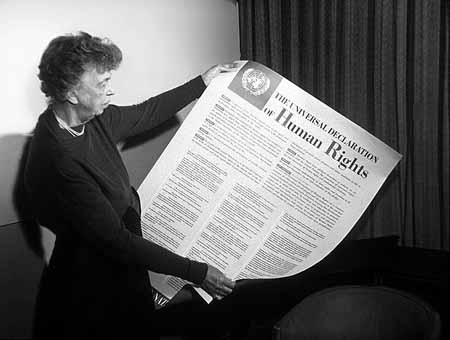
Eleanor Roosevelt with the Declaration. Source: Wikimedia Commons.

The attempt was made, with debatable success, to represent different world views through representation of each of the UN member states, then only fifty, in the drafting process. There were a few particularly instrumental individuals. Eleanor Roosevelt was the Chair of the UN Human Rights Commission at the time, and was instrumental to the creation of the declaration. She served as a skilled manager of the conflicting viewpoints vying for representation in the document, and was considered to fill the vital role of consensus builder and relationship manager. P. C. Chang, the Committee’s Vice Chair, came from China. He was particularly concerned with the document being applicable to non-Western cultures, and concentrating on the incorporation of other philosophies in the declaration. The Lebanese Charles Malik was the President of ECOSCO and Chair of the Third Committee, a boon later as the document moved through the Third Committee and the General Assembly for approval. A fourth important member of the group was France’s René Cassin, a lawyer and philosopher, who was later awarded the Nobel Peace Prize for his human rights work regarding the influence of states on creating the conditions of human actions.

In addition to individuals from nations around the world, nongovernmental organizations took part in the creation process. NGOs such as the American Law Institute, the Federal Council of Churches, the Women’s Trade Union, and the International League for Human Rights all submitted drafts and comments to the Commission in the hopes of influencing the resulting document.

The underlying purpose of the document was a formal definition of human rights and recognition that they should be protected. The UDHR preamble states that the declaration is ‘a common standard of achievement for all peoples and nations, to the end that every individual and every organ of society… shall strive… to promote respect for… to secure their universal and effective recognition and observance.’ The declaration contains thirty articles outlining the freedoms and rights that were agreed upon as most vital and basic to human life and security. These rights range from participation in culture, to an adequate standard of healthy life, to education, to participation in government, to recognition as a free and equal person. The document is considered a landmark because, despite the fact that the declaration is not a legal agreement, it marks the first time that humans were the primary focus of an international agreement, rather than power politics.

The status of the UDHR as a declaration rather than a binding agreement at the time of its birth is another important aspect of its history. As it was being drafted, some states, including the United States, expressed serious concern about domestic interference and violations of state sovereignty from formal international legislation on human rights. Nations such as the United Kingdom supported a more binding agreement, for a precise outline of what UN member states were obligated to do to protect these universal standards. The debate over the UDHR as a morally compelling document or a legally obligating treaty ended in the declaration not becoming international legislation when it was passed by the UN in 1948. This was due to the final decision of the drafters, and as well as because the document was agreed upon by the member states’ representatives to the UN rather than formally ratified by the individual state governments. However, through time, the declaration gained legal value through use as a foundation for other formal international legislation. For example, various states and regional organizations have incorporated the declaration or parts of it into laws, legal agreements, or treaties, ranging from the International Convention of the Elimination of Racial Discrimination and the Convention of the Rights of the Child. These various kinds of legal agreements were ratified by the states who participate in them, thus making those aspects of the UDHR incorporated within them legally binding.

Today, the UN groups the UDHR with the International Covenant on Civil and Political Rights and the International Covenant on Economic, Social and Cultural Rights to form the International Bill of Human Rights. Both covenants incorporate the rights written into the UDHR, and as both are formal legal agreements, are binding on the agreeing states. This solidifies the recognition and protections of human rights the UDHR outlined.

As more international agreements on human rights come into existence and receive wide support, Irene Khan, the former Secretary General of Amnesty International, argues that, moving forward, the focus must be on implementation. Issues of violations of human rights by countries who have agreed to respect and promote them are unfortunately not rare, and the response to these violations is inconsistent and not multilateral. The continuing debate regarding respect of sovereignty and noninterference adds another layer of complexity. However, as the rights and freedoms of the declaration have been widely accepted and transformed into international law, they deserve to be defended. Agreeing to the words of the declaration means little without effort to uphold it. The declaration is an important and foundational piece of human rights work and, despite the unending obstacles that accompany any effort for international action and agreement, will doubtless continue to encourage further humanitarian regulation in the future.

Human Rights and the Opioid Crisis

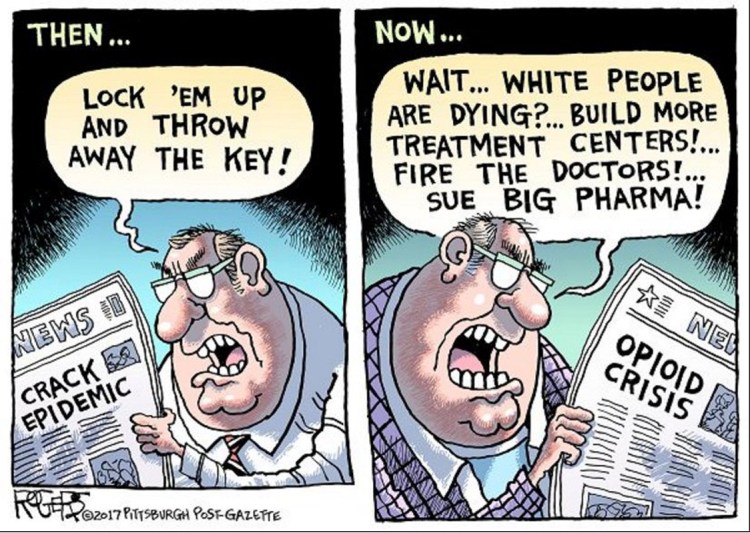
The opioid crisis in the United States is a plague that has taken hundreds of thousands of lives, and it needs to be addressed. The Center for Disease Control has categorized the opioid crisis as an epidemic, and its presence is felt from cities to rural areas. Every day 91 Americans die from opioid overdoses. Since 1999, the number of opioid overdose deaths has quadrupled. The opioid crisis in the United States has been made into a criminal issue for the black community and a public health issue for the white community, but it is truly a human rights issue that the United States needs to treat as such.

The black community in the US has long struggled with opioid addiction, which politicians and media have used to demonize them. Ronald Reagan’s “War on Drugs”, which began in the 1980s and had ramifications through the 1990s to present day, put hundreds of thousands of black people in prison. As part of the War on Drugs, there were mandatory minimum sentencing for drug possession, even in trace amounts, and it disproportionally targeted black people. Today, every 25 seconds, an American is arrested for possessing drugs for their personal use. African Americans are imprisoned for drug charges at six times that of whites, despite similar drug usage rates between the two groups. Through this campaign, black addiction to drugs was deemed a problem with the black community specifically, rather than a problem spanning across all races. It was an epidemic and a human rights issue in the 1980s and 1990s, but was not treated like one. Instead, it was made into an innate failing of the black population.

Source: Flickr.

In recent years, the opioid crisis in the United States has taken on a new precedent. Doctors have begun prescribing opioid painkillers more and more; between 1991 and 2013, prescriptions for opioid painkillers went from 76 million to 207 million per year. Americans got addicted to these painkillers, moving sometimes to heroin for cheaper and better highs. As an increasing number of white Americans fall victim to opioid overdoses, the media has taken a new stance on the epidemic. Now, videos of children sobbing next to collapsed, overdosing parents in supermarkets are the norm on the nightly news cycle. Sympathy for these families is at an all-time high. It is an “epidemic” rather than a “war”. Politicians have now taken up the epidemic with more compassion and a healing perspective. The Trump administration has made the crisis a central issue, promising crisis-ending plans and funding. However, many doubt that the plan will be as effective as necessary, lacking the breadth and elements crucial to ending the epidemic.

In addition to the sheer number of deaths, there are a multitude of collateral consequences as a result of the opioid crisis. Those addicted to opioids are not living alone, without families or without an impact on their community. Children born into opioid addicted families are now filling the foster care system, with unique needs that the system struggles to provide for. Foster parents endeavor to care for children whose needs surpass normal expectations. They need daily shots of methadone to curb the screams and shakes of the addiction of which they are born. For the rest of their lives, they will have particular needs to just be healthy, not even taking into account the trauma of being orphans. The most shocking reality is that their parents did not have to die.

In the past decade, the drug naloxone has proven to be a method to save lives on the brink of death from overdose. The drug halts the spread of opioids throughout the body, preventing the opioids from attaching to neurons. The side effects are dizziness, nausea, shaking, and sweating, but certainly not death. There are countless stories of the drug saving lives with just a shot or a spray into the nose.

To continue saving lives, the United States should make a wider effort to put naloxone in the pockets of emergency medical staff, police officers, and other first responders. This is a crisis, and every American deserves the right to live and recover from addiction. Some argue that providing naloxone widely would lead to an increasing use of opioids. Bertha Madras, deputy drug czar to President Bush, told National Public Radio that users should not have access to naloxone because “sometimes having an overdose, being in an emergency room, having that contact with a healthcare professional, is enough to make a person snap into the reality of the situation and snap into having someone give them services”. This has proven, though, to not be a productive means of curbing the crisis. Since the Bush administration, deaths have continued to climb, with no end in sight. People are still dying at the expense of this “tough love” mentality. We need to save these lives, so that they can have the chance at recovery. No person would pause in using a lifesaving drug for cancer or heart disease; any hesitation in allowing for the use of naloxone is taking away a person’s right to survive.

Violations of the Universal Declaration of Human Rights in Tibet

The United Nations General Assembly in Paris proclaimed the Universal Declaration of Human Rights (UDHR) on the 10th of December 1948 as ‘a common standard of achievements for all peoples and all nations.’ Though it is not a legally binding document, it has been invoked countless times in international treaties, national constitutions, and other laws, causing some legal scholars to argue that it has become a part of customary international law. However, many of the thirty articles outlining fundamental human rights are often ignored.

A particularly striking instance of complete disregard for the UDHR is the Chinese rule in Tibet. The Chinese People’s Liberation Army first invaded Tibet in 1950, and in 1951 the Tibetans signed a seventeen-point agreement reaffirming China’s sovereignty over Tibet and providing an autonomous administration led by Dalai Lama. The fourteenth Dalai Lama eventually fled in 1959 and the Tibet Autonomous Region within China was established in 1965. There have since been increasingly severe violations of the basic human rights of the Tibetan people, including allegations of torture, abductions, infringement on religious freedoms, and restricted freedom of movement. In reference to the UDHR, there are several articles of the declaration that have been especially desecrated in Tibet. These are articles five, thirteen, and twenty one, respectively regarding torture, freedom of movement, and choice of government.

Source: Asia News.

The fifth article of the declaration proclaims that ‘no one shall be subjected to torture or to cruel, inhuman or degrading treatment or punishment.’ Torture in Tibet is endemic in the judicial system of Tibet; it is an accepted repercussion of activism, and recent reports have detailed the extent to which Tibetan prisoners are subjected to extreme forms of torture. Peaceful demonstrators who have been protesting the Chinese regime and oppression in Tibet have increasingly been taken prisoner for so-called ‘criminal activities.’ There is ‘evidence that since 2008 torture has become more widespread and directed at a broader sector of society.’ The unrest in 2008 catalyzed harsher measures by the Chinese government in attempts to repress Tibetan insurrectionists. In a report by the International Campaign for Tibet, a pattern of torture and mistreatment by Chinese prison officials of Tibetans is documented, including 14 who died as a consequence between 2009 and 2014.

A major cause of the protests and demonstrations is the violation of articles thirteen and twenty-one of the UDHR. The thirteenth article says that ‘everyone has the right to freedom of movement and residence within the borders of each state’ and ‘everyone has the right to leave any country, including his own, and to return to his country.’ The Tibetan people have to go through a significantly more difficult process to gain a passport than the ethnically Chinese areas of China. They are delegated to a slow-track passport system, which ‘allows residents of ethnic Chinese areas of China to travel abroad easily, but denies residents of Tibetan…areas equal access to foreign travel.’ Since 2012, this system of restriction has been taken to the extreme in the Tibetan Autonomous Region. Authorities ordered the confiscation of all passports held by registered residents of the region, over 90 percent of whom are Tibetans.

There are also severe infringements upon the political rights of the Tibetan people in violation of the twenty-first article of the UDHR, which states that ‘everyone has the right to take part in the government of his country, directly or through freely chosen representatives.’ From the Chinese invasion in 1950, Tibet has had a form over ‘people’s democracy’ forced upon them; Tibet is governed directly by the Chinese Communist Party in Beijing. Almost exclusively, ethnically Chinese immigrants run the political system in place in the ‘autonomous’ region of Tibet. They run the border systems and hold key positions government. In the Tibet Autonomous Region no Tibetan has ever been appointed Party Secretary, which is the most senior government post. The ethnically Tibetan people thus have extremely limited influence in a form of government that was thrust upon them.

The violation of these three articles of the UDHR barely begins to scrape the surface of the entrenched oppression and abuse of the Tibetan people. They also face severe repression of their religion and culture by the Chinese occupiers. The Tibetan flag and national anthem are banned, and since 2016, Larung Gar, the biggest Buddhist institute in Tibet, has been the target of a major assault. China has also taken advantage of Tibetan natural resources to fuel its economic and industrial expansion, despite the destruction this has caused for the local communities and landscape. The abuse of the native people is pervasive and comprehensive, and is only becoming more desperate and irreversible as time passes.