Asian Identity During the Coronavirus Pandemic: How Fear Is Exposing Xenophobic Bigotry

Written by Depali Rai

As a British Asian, from the very beginning of the Coronavirus outbreak, I had felt silent calculations forming in the heads of strangers I passed on the streets, waited on station platforms with and rode on buses alongside. Was I Chinese? Had I recently been abroad? Did I exhibit any symptoms? Never in all my twenty years in Britain had I felt so conspicuous.

Over dinner back home in London, my father tells me of a woman who crossed the road upon seeing him. He shrugged it off and reasoned that it was non-confrontational and she was wrong- he wasn’t a Chinese coronavirus patient. Perhaps she was just a passionate social distancer. The recommended two-metres was just simply not enough.

Whatever that stranger’s logic was, her visible distrust in my father fits neatly into the current experiences of many other Asians, at home and abroad. A friend tells me how her parents back in New York were denied a viewing upon their arrival at the property. The doorman insisted that the agent was not at the apartment and so refused them entry. Confused, they called her up. She tells them that she was indeed there and cannot think why he told them differently. Perhaps the doorman was also fiercely committed to the cause of social distancing.

Yet, the rise in anti-Asian sentiment around the world following the outbreak of COVID-19 has meant that microaggressions and everyday racism against Asian people have become increasingly obscured in the face of violent attacks and explicit demonstrations of xenophobia.

Indeed, there is an entire Wikipedia page entitled ‘List of incidents of xenophobia and racism related to the 2019–20 coronavirus pandemic‘. Scrolling through the paragraphs of abuses and hate crimes, it appears that every continent save Antarctica is represented.

In the U.K, on the 24th February, Jonathan Mok, a 23-year-old from Singapore, was violently attacked by four males whilst walking down Oxford Street in London. After shouting “we don’t want your Coronavirus in my country”, the attackers left Mok with a broken bone. Across the ocean, Jose L. Gomez, 19, stabbed three members of an Asian family on March 14 in Midland, Texas before being taken down by a store employee. The FBI reports that Gomez was motivated by the perception that “because he thought the family was Chinese, and infecting people with the coronavirus”. These incidents aren’t isolated hate crimes but follow a global trend of xenophobic attacks against Asian communities.

On the one hand, there is a strong and continued rise in Sinophobia, namely racism and prejudice against those of Chinese origin. In northern Italian towns of Como, Brescia and Varese, posters plastered on the storefronts of Chinese-Italian businesses read: “Coronavirus? Buy Italian. It’s a moral duty”. The posters also carried the logo of the far-right Forza Nuova group. In San Francisco, on her way to the gym, Yuanyuan Zhu was harassed and spit on by a stranger who yelled: “F*** the china” at her.

Such Sinophobia, particularly towards Chinese immigrants, is not limited to the recent COVID-19 outbreak. Racist narratives about Chinese communities are historical and enduring. In the case of the USA, “close from the very beginning, Chinese immigrants were seen as inferior, filthy and diseased,” tells Claire Jean Kim, a professor of political science and Asian American studies at the University of California at Irvine. Kim is right to ask: “What is being accomplished by using this kind of language?”

Closely following, Sinophobia has bubbled over into a wider racist homogenisation of Asian people. The stereotype that “all Asians look the same” is proving to be dangerous and consequential. There has been an evident racist conflation of different Asian backgrounds into a single category. When 24-year old Pawat Silawattakun was violently assaulted and robbed by two teenagers shouting “coronavirus” at him, it didn’t matter that he was British Thai. His appearance alone satisfied the one-dimensional xenophobic conception of Asian identity.

Lumping all people of Asian background into a monolithic unit is far from a novel phenomenon arising from the recent outbreak of the Coronavirus. Historically, the term ‘Yellow Peril’ was used to describe the alleged threat that all East Asians posed to the west. Irrespective of differences and nuance, skin colour or features are used to homogenise Asians. Despite being the largest, most populous continent on earth, the bigot’s logic is that anyone vaguely “oriental” looking belongs to a single, static yet ambiguous category of ‘Asian-ness’.

I am prompted to think back to a recent Instagram post I came across. It was an Asian girl eating an ice-cream. At that moment, I already knew to brace myself for the comment section: “Have they now decided to start eating normally?”, “at least it isn’t a bat”, “I hate China”. The girl with the ice cream is Korean.

It was a moment that made me pause from my scrolling and recall all the times that I had been racially vetted by curious peers and strangers: are you Chinese? Japanese? Maybe Thai? After the rise of K-pop, Korean also joined the list of possibilities. The weird guessing game that I have humoured too many times before now holds a more disturbing weight. Perhaps the reunions I have been waiting for, the trips I have been planning and the perishable foods that I have been craving are no longer just simple pleasures that I once took for granted. Even in our allegedly post-racial world, my visible ‘Asian-ness’ may continue to be seen as a threat long after the virus is contained.

Undeniably, major incidents of any sort have often manifested in racial tensions. After the 2016 Brexit Referendum, the Home Office reported a doubling in the rise of hate crimes in the U.K in which race was cited to motivate 76% of all crimes. Across the pond, as Stephen Rushin from Loyola University Chicago School of Law argues, Donald Trump’s presidential election victory and the racist rhetoric it espoused, fuelled a surge in race-related hate crimes in the USA.

But no circumstance of any kind can justify this or any other surge in racism. In a world where the President of the United States labels the outbreak as the “Chinese virus”, fear is eroding at our supposedly universal and timeless commitment to human rights. It is a difficult and challenging time but the anger, upset and anxiety we feel cannot be channelled at a single country or continent. The coronavirus is indiscriminate in the suffering it has caused.
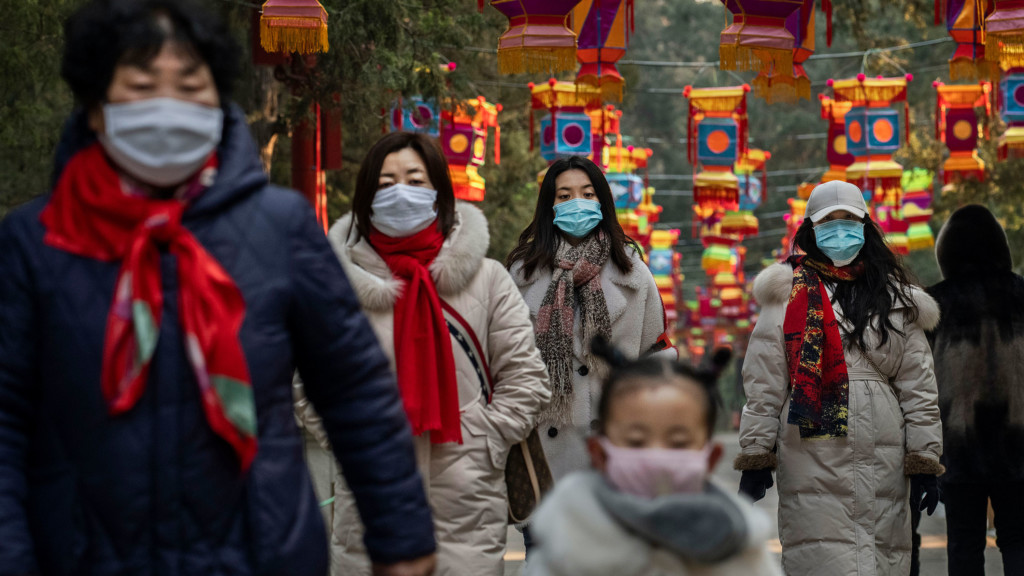
We live in historic times and we need now, more than ever, a collective realisation of our values and belief systems. Mutual respect and compassion should not be reserved for when it is convenient for us. In the face of extreme adversity, may the enduring legacy of this pandemic be one of humanity towards all.

Edited by Aliza Wall

How Judo Lessons In India Are Empowering Women Against Sexual Assault

Written by Siobhan Ali

Rape has been a persistent and prevalent issue in India with more than 32,500 cases brought to the police in 2017 alone and many more going unreported. According to data compiled by the National Crime Records Bureau (NCRB), the state of Madhya Pradesh has the highest number of reported cases in the country, earning it the title of India’s ‘rape capital.’ This has serious repercussions for women in the region, restricting them from carrying out routine, daily tasks such as walking around their villages unaccompanied or attending school. Women with disabilities such as visual impairment feel this fear tenfold as they are more vulnerable to an attack and struggle to defend themselves. Research conducted on the prevalence of sexual assaults amongst individuals with and without visual impairment demonstrated that visually impaired women have higher rates of assault than the general population.

It was with this understanding of the plight of visually impaired women and a desire to empower them that international non-governmental organisation Sightsavers launched free judo lessons in 2014. Working in collaboration with local charity Tarun Sanskar which supports disabled individuals, local Madhya Pradesh police and the Department of Crime Against Women, Sightsavers began training blind, or partially blind, young women in self-defence.

Beginning initially with 20 students, specialist instructors offered coaching that catered to the women’s visual disabilities using physical touch, clapping sounds and clear instructions. The classes had an immediate impact on women’s confidence with Jayashree Kumar, Programme Manager at Sightsavers noting that women’s voices had ‘become so strong’ and they were able to walk independently and ‘interact with the villagers’ in ways they were not able to before. Many women who had been forced to drop out of school due to fears for their safety were able to go back and continue their schooling. Programme participants have gone on to pursue higher levels of education and vocational training to become teachers, volunteers and activists. Several women have felt empowered to speak about their disabilities and the challenges they face, becoming spokespersons not only for the programme but also for other charity organisations designed to support visually impaired women. Therefore, through this programme, young women have been placed on a path of greater societal and financial independence where they can not only defend themselves against attack but also support and sustain their lifestyles.

Witnessing the startling and transformative change, other women were encouraged to get involved. Over the last five years, the programme has grown, touching the lives of nearly 60 women. Many women have gone on to compete national and international blind judo competitions, such as the Commonwealth Judo Championships, winning medals for both their region and country. In this way, these women have come to serve as role models for other visually impaired women around the world. Some girls in the programme also felt encouraged to qualify as judo trainers themselves, continuing the support and guidance they received. Many have taken younger women under their wing, supporting their quest for autonomy and independence. The programme has had lasting effects on these women, shaping the course of their life and empowering them to explore new possibilities and countering their previous mind-sets that they are limited by their condition. It has also supported the families of these women as it reassures them of the security of their mothers, daughters, wives and sisters. Over time, the project has also worked towards addressing abusive community attitudes towards disabled women.

While there is a much larger, nationwide issue of sexual assault against women which requires direct addressing, self-defence projects such as the one offered by Sightsavers canform an important opponent of this response. Sightsavers has not only improved women’s sense of safety as they can defend against sexual assault, it has also allowed them to break away from the societal constraints and restrictions of their disability towards greater self-sufficiency and freedom. It has improved their self-esteem, equipping them with the knowledge that they can protect themselves and tackle the challenges that come their way. The programme is extending to other neighbouring regions in India with hopes to expand to a national level.

Photo courtesy of https://www.sightsaversindia.in/

Opinion: The Case For Breaking Up Big Pharma

Written by Adam Rektor-Polánek

Photo via Pixabay.com.

The outbreak of Coronavirus has shined a light on many uncomfortable truths about the world we live in. For example, the ways in which popular media feed off sensationalist, spectacle-centred reporting that leads to mass panic. Or how easily this panic then transforms into racist attacks, in this case against people of East Asian descent. Or the stunning incompetence of world leaders in dealing with such a critical issue. However, there exists a key player that continues to be widely unquestioned: multinational pharmaceutical companies. The industry’s actions are ineffective and its existence is morally indefensible. Now is the time to break up Big Pharma in order to build a fairer, more compassionate world.

1) Big Pharma is killing people for profit

There is no other way of putting it. By neglecting diseases that do not generate profit and by setting drug prices too high, pharmaceutical corporations are killing people by denying them essential care. For decades, patients have been reduced to consumers and money has determined whether they live or die. This injustice burdens mainly developing countries, and though the number of people that have fallen victims to Big Pharma practices is difficult to estimate, an MSF report from as far back as 2003 concluded neglected diseases have killed millions of people. Not much has changed since.

Examples of conditions with expensive medication include diabetes –only half of the people requiring insulin have access to it- and cervical cancer, which, despite being preventable and curable, kills hundreds of thousands of women, 85% of which live in lower- and middle-income countries. The cure exists but is too expensive for many governments and NGOs to obtain at large. And while the world’s poorest continue to suffer, pharmaceutical CEOs get paid as much as $38 million/year. Big Pharma would rather see people die than lose capital.

2) Big Pharma is making the world more prone to epidemics

Rolf Hilgenfeld, a structural biologist now working on Coronavirus treatments, made an ominous statement in a recent issue of the Nature journal:

‘…the total number of people infected, if you combine SARS, MERS and this new virus, is under 12,500 people. That’s not a market. The number of cases is too small. Pharmaceutical companies are not interested.’

The cure to COVID-19 is being developed now, since the ‘market’ has since become sizable enough for Big Pharma to care. But as Hilgenfeld points out, we could have had the cure, or its close approximation, years ago. Coronavirus is from the same family as SARS and MERS, viruses that the world faced in 2003-2005 and 2013, respectively. Because the ‘market’ was not big enough then, corporate pharmaceuticals had no incentive to fund the kind of research that would arrive at a reliable treatment. Had this research happened earlier, then scientists today would have a much easier job battling COVID-19, saving both time and lives. Big Pharma operates almost exclusively in terms of short-term profits, which has made the world ever more prone to epidemics like the one we are facing now.

3) Big Pharma is hindering scientific research

One of the arguments used to defend Big Pharma is the supposed quality of research. By putting together the best scientists from all around the world and providing them with the latest equipment, pharmaceuticals could be overseeing the development of unprecedented medicinal achievements. The only problem is that they are not.

Up to two-thirds of all the drugs that arrive on the market are no better than the ones which already exist. Pursuing the prolonging of monopolies through additional patents, Big Pharma focuses on the tweaking and rebranding of existing drugs, considerably limiting possibilities for original research. In turn, scientists are very rarely encouraged to work on what excites them or what they find important, as evident from Rolf Hilgenfeld’s story. Big Pharma is not unlocking scientific potential, but obstructing it.

Above are just some of the cruel and reprehensible practices that define the multinational pharmaceutical industry. To fight against it, consider donating to causes that provide medical aid where it is needed the most, be it MSF or, specifically related to COVID-19, the official WHO Solidarity Response Fundraiser. Also, put pressure on companies to lower drug prices, for example through the #NoMoreTears campaign which targets the monopoly Johnson & Johnson has on the lifesaving drug bedaquiline. And, above all, campaign for the end of an institution which has put profit before people for way too long.

Forgotten in Concentration Camps

Early picture from the “re-education” camps in Xinjiang uploaded to WeChat. Retrieved from Flickr.com

Since the beginning of mass quarantines in China as a result of the COVID-19 pandemic, China’s draconian policies addressing the spread of the virus have come under scrutiny. Since its discovery in China’s Hubei region, the virus has quickly spread across the globe. The Chinese government has been criticized for not notifying the public of the outbreak of the disease sooner as it would have given other countries more time to prepare. As the rest of the world addresses the spread of the virus, countries are looking to places where the virus has had the greatest impact (China, Italy, and South Korea) for guidance on addressing the issue. China’s policies reflect the harshest policies but are also being implemented in Italy, where over 16 million people are being quarantined.

However, the response to coronavirus is not the first time a “rounding up everyone who should be rounded up” policy has been in place. A similar policy is in place for the Chinese government to address terrorism and uprisings in Xinjiang, resulting in the mass internment of ethnic minorities, mostly Muslim Uyghurs. The government has labelled the camps as voluntary “re-education” camps dedicated to suppressing dissent in the region. The reports from those who escaped the camps tell a very different story. Poor and unsanitary living conditions make up the majority of reports from those who have truly seen inside the camps. Very few have seen inside the camps or even have proof of their existence beyond that of eyewitness testimony. The outbreak of coronavirus in China presents a new threat to those in the internment camps.

For more information, read Maxwell Dowden’s article on Uyghur discrimination and re-education camps in China.

The impact of the virus on Uyghurs differs from that of the rest of the country in that many remain in overcrowded re-education camps with little access to medical services. The Chinese government’s slow response to the virus is especially worrisome. The close quarters and poor sanitary conditions make the spread of the virus more likely. Additionally, the virus is most concerning for those with weakened immune systems. The stress of the camp and close quarters places many more people at risk of catching the virus and experiencing more severe symptoms as a result of a compromised immune system.

As schools in Beijing and Hong Kong close, the re-education camps remain open. As factories and key industries in Wuhan grind to a halt, members of the internment camps are being put to work in the factories in affected areas. China’s state-run news service announced that over 30,000 labourers were being sent to factories in Xinjiang’s Hotan region. To make matters worse, the plight of those in camps is rarely reported on.

It is difficult to gauge the extent of the issue as the information from family members of those interned differ greatly from official Chinese government reports. The government claims the camps are voluntary and required to stamp out separatist and Islamist terrorism. The government has also been accused of misreporting infection rates and for failing to report the virus at all. It is even less likely to report any infections from the re-education camps as any information on the re-education centres is largely shrouded in secrecy. Furthermore, it is unlikely for those in the internment camps with the virus to receive adequate treatment. When asked about their plans for those in the internment camps amid the spread of COVID-19, Chinese government officials on Australian television responded that the camps were voluntary training centres and are therefore not a concern.

Human rights activists have been calling for more attention to be given to Uyghurs in concentration camps. Human rights activists have continued their fight to close the re-education camps. However, international action has been slow going. After 22 countries signed a letter calling on China to shut its internment camps, a group of 37 countries responded with a letter in defence of China’s policies. Some majority Muslim nations have defended China’s actions against the Uyghur people; a move many argue is due to a fear China will withdraw trade relations necessary for economic survival. The United States could call for allowing access to the camps for humanitarian aid workers and news outlets as a small step forward.

As the world responds to the novel coronavirus, it is important not to forget the plight of the Uyghurs in China.

Conflict, Climate, and the Congo

By Leonie Malin

Degraded forest in the area of Yangambi, DRC. Photo by Axel Fassio/CIFOR via Flickr.

While newsrooms continue to be consumed by the chaos caused by the uncontrollable spread of the coronavirus, other relevant (and more lethal) issues are being swept under the rug. Countries with a history of civil conflicts and a future of high vulnerability to climate change are being sidelined in current conversations, even though they often experience the highest risk to the spread of epidemics. After over a year of battling an Ebola virus outbreak which has killed 2,200 people, the Democratic Republic of the Congo (DRC) has now been identified among 13 countries most at risk of coronavirus disease (COVID-19). Most people in the DRC still do not have access to safe drinking water and sanitation, exposing them to increased risks of waterborne and emerging infectious diseases. As a result, the status of human security in the DRC is precarious.

Human security, which refers to the extent of economic, food, health, environmental, personal, community, and political security experienced by an individual, has never been a straightforward or simple topic in the DRC. Economic deprivation, armed conflict, and institutional failures have been destabilizing the DRC ever since the 15th century when outsiders initiated a violent and long-lasting trend of exploiting the Congo for the trillions of dollars worth of resources hidden within its landscapes. The historical context of European colonization and extreme exploitation serves to illuminate why the country confronts so many interlinked issues today.

Although the DRC is extremely rich in resources such as energy, minerals, gemstones, and timber, it only ranks 168 out of 169 on the UNDP’s Human Development Index and 70% of the country’s economy is informal and dominated by rural sectors. The level of development in no way reflects the level of natural wealth present in the region. The root cause of the low levels of development and human security in the country can be traced to violent conflicts that have been rampant in the region for decades. Large values have attracted a variety of powerful interests as market demand for Congolese minerals has increased. In this vicious cycle, war facilitates the excessive exploitation of resources and this has reinstigated further conflict.

Aside from generating an enormous death toll, the country’s past and present conflicts have resulted in immense environmental damage and degradation. The conditions of environmental damage and threats to human safety are mutually reinforcing and have been difficult to address effectively, as political instability, poverty and inequality has remained pervasive. With some successes, the UNDP is implementing several projects to support development in the DRC, such as one titled “Building Capacity in DRC to Threats Posed by Climate Change on Food Production and Security,” which aims to address the increased variability in agro-climatic conditions and subsequent impacts on the agricultural sector. The Congo Basin is the second-largest tropical rainforest in the world and provides food, shelter, and livelihoods for over 80 million people, making it a highly environmentally valuable region. The DRC’s share of the region’s tropical rainforest also stores 8 % of global forest carbon, making it a valuable area for carbon sequestration.

Unfortunately, the region is threatened by the prospect of increased temperatures and variable rainfall as a result of climate change. These changes are projected to negatively affect livelihoods and ecosystem services which are already in danger as a result of land-use change and deforestation. Although determining the vulnerability of different sectors to climate change is challenging, there is a great urgency for action to address access to safe drinking water, the displacement of people due to environmental change, reduced agricultural yields, potential damage to infrastructure, and the increased prevalence of water- and vector-borne diseases. The urgency of institutional change and quality health infrastructure has been increasingly evident in the past few years, but the actually political ability to act remains limited. The human-environment dilemma facing the DRC is an enormous one, often sidelined or forgotten in the midst more high-profile news stories and immediately shocking trends than the slow violence that institutional failure and climate change can provide.

Conversations about human health and security must be multi-sectoral and include environmental consciousness on every level in order to successfully promote the individual and institutional responses necessary. In the case of the DRC, local armed groups that continue to wreak havoc in many regions hamper the progress of development, threaten human security, deepen instability, and complicate responses to diseases. If the threat of violence cannot be contained, then the prospects for peace and human security in the Congo will remain gloomy. Each element of human security is interconnected and requires a holistic approach to support its development in vulnerable countries. As civilians of countries like the DRC continue to suffer the consequences of a violent and greedy mineral trade, extensive environmental degradation, armed group attacks, and vulnerability to epidemics and climate change, wealthier nations are failing to make the supportive financing commitments needed to help communities on the front lines of crisis. While the urgency to address humanitarian and climate crises rises, the concrete actions taken by powerful states and corporations continue to disappoint and newsrooms continue to be swept up in stories distracting from the more fundamentally life-threatening issues confronting humanity today.

Forgetting the Forever War

By MacKenZie Rumage

Air Force Airman Holding Refugee Child in Dar Ul Aman, Kabul by Cecilio M. Ricardo Jr., April 8, 2007 via Flickr

On Saturday, March 1, the United States and the Taliban signed a peace deal after a week-long semi-cease fire and months of negotiations. The peace deal comes after President Donald Trump tweeted that he had called off secret negotiations in September between the United States, the Taliban and President Ghani of Afghanistan. Trump wrote that the reason was because the Taliban admitted to killing an American service member and eleven other people. The cancellation caused widespread controversy for multiple reasons, from Trump’s reasoning to what the actual deal would have resulted in. The peace deals look similar, with a full withdrawal of American troops within fourteen months — a withdrawal that is dependent on a guarantee from the Taliban that they will start negotiations with the Afghan government and no terrorist action against the United States will be taken on Afghan soil. However, not everyone is excited about the peace deal.

Even though it is a new chapter in the long, painful saga that has been the American war in Afghanistan, many are sceptical that it will be effective — or even if it will last. In the past couple of days, I have asked some students around the University of St Andrews campus about what they think of the recent developments.

F., a third-year American study abroad student, said a step towards peace was good, but she wasn’t taking the news of the deal at face value. Part of why she was reticent to believe that the deal would work is because of how long the war has been. Americans born after 9/11 will soon be able to enlist in the military, even though they have never known a world in which America hasn’t been at war in Afghanistan. When I asked, F. and another American study abroad student, P., what they thought when they heard the word ‘Afghanistan’ they said they thought of civilian casualties and war. Yet the war isn’t on most people’s minds anymore.

How did the ‘Forever War’ become so forgettable?

It is partly because of how long the conflict has been. Both F. and P. said that other things have felt more important and the war in Afghanistan has become less important in their minds the longer it has gone on. It’s hard to constantly think about a conflict when it does not directly affect you on a daily basis and there have not seemed to be any drastic changes over the past two decades.

Our relationship with the media renders the war even less relevant. Both F. and P. said they check the news semi-regularly, and check news on the war in Afghanistan even less. Neither of them study anything related to International Relations or the Middle East, and neither of them have a loved one serving in the military. In fact, very few Americans have served in Afghanistan compared to the number of service members who fought in previous American wars.

In order to get a better idea of student news consumption, I created a small poll at a local college where my parents teach in the United States. Most students polled at Ringling College in Florida said that on a scale of one to ten of checking the news (ten being very frequently), they were at a four, and at a one of checking news on the war in Afghanistan. It’s clear, then, that many college students do not check the news very much and when they do, they don’t look at war coverage. The war in Afghanistan and the larger War on Terror don’t make major headlines very much anymore. Time heals all wounds — or maybe it just causes indifference.

The question then is how to make it more relevant for Americans on a day-to-day basis. P. says the reason he does not follow the news on Afghanistan is that he wonders, ‘what changed? What’s interesting that happened there that is new that I haven’t learned about already?’ Those are important questions: in a world with a news cycle that shifts every day and a host of other issues to be concerned about, what has happened related to Afghanistan that I should know about? He wants the media to highlight what has happened in Afghanistan recently and why it is prevalent right now.

One reason why it is prevalent right now is because of the upcoming presidential election. It is worth asking how important the war is to voters when choosing a candidate. F. said it’s very important to her, because ‘it’s just something that’s ongoing, and [an end is] something that you always hope can be reached.’

The other reason why the war is still prevalent is why it has always been prevalent: because civilians have suffered since we invaded in 2001. Eighteen years is a long time to be at war, and a long time for a people to live in a war zone. According to Brown University’s Watson Institute of International and Public Affairs, about 43,000 civilians have been killed in Afghanistan since 2001 and over 300,000 civilians have died ‘violent deaths’ as direct results of the War on Terror. In 2018, Reuters reported that over one thousand children were killed from January to June of that year. When I gave these numbers to P., his jaw dropped, as had mine. None of us knew the true scale of the problem.

And yet, these numbers are just that — numbers. The war in Afghanistan has been reduced to them: the number of casualties, the number of bombs dropped, the amount spent by the American military. As powerful as those numbers can be, they can only tell us so much about actual experiences of the war and the lives of Afghan civilians. In a twenty-four-hour news cycle like America’s, where are the stories about the civilians who have endured generations of occupation and war, from the British to the Soviets to the Americans?

When I asked F. and P. what they wanted to see from media coverage of Afghanistan, they said more coverage in general, but specifically more focus on the civilians.

In a 2019 piece for The New Yorker, Luke Mogelson wrote about specifically about the many civilians who faced the consequences of American military decision-making on a daily basis. He told the story of a man who tried to convince his brother to flee violence between ISIS and the Taliban with him. His brother refused, and his execution was the first of ten shown later in an ISIS video. Mogelson writes that if a peace plan does not work and current trends continue, ‘within a decade, hundreds of thousands more Afghans could die.’ In a war that the American public struggles to remember and the government struggles to end, the Afghan civilians are truly the ones who are forgotten.

The Tanzania dilemma highlights the World Bank’s shaky position on human rights

Written by Elisabeth Mäkiö

World Bank Group President Jim Yong Kim visits Zanaki Primary School. Photo Sarah Farhat / World Bank via Flickr. March 20, 2017

The World Bank has recently been making headlines with regards to their stance on human rights. This is due to a proposed loan of US$500m from the World Bank to the Tanzanian government, to be used on improving access to secondary education. The meeting about the loan has been postponed after civil society groups and political opposition leaders called on the World Bank to re-evaluate their decision of granting the $500m education loan, due to concerns over the Tanzanian government’s policies on women’s educational rights.

Tanzania’s current education policies expel pregnant schoolgirls, administer intrusive pregnancy tests to girls in schools and even arrest girls who attend school whilst pregnant. The president of Tanzania, John Magufuli, has openly expressed his support for these policies, as well as raised controversy after referring to people who use birth-control as “lazy”. As unsafe abortions are one of the leading causes of maternal deaths in Tanzania, and sexual violence is common, it is no surprise that Tanzanian policies have raised severe objections from human rights-organizations. Policies that focus on portraying adolescent girls as “immoral”, rather than focusing on the lack of access to birth control and sexual violence, are not only ineffective but violate the girls’ rights to education. In 2018, the World Bank withheld a US$300m educational loan over concerns of women and girl’s rights in Tanzania.

So how is this new loan even proposed without any changes to Tanzania’s policies? Part of the reason lies within the World Bank’s wish to remain apolitical. Although the bank claims to strive for development in sectors such as gender equality and poverty eradication, they have systematically stayed away from aligning themselves with human rights standards, claiming that recognizing human rights would risk the institution’s position as an apolitical actor. This stands in stark contrast to other major international organizations, who have recognized and integrated the UN Human Rights Declaration into their activities. The supporters of the World Bank are likely to argue that the language used makes little difference to its activities; surely it is more important that they try to advance causes such as environmental and social justice?

The answer is not a simple yes or a no. Although some of the World Bank’s work is admittedly admirable, it has also been highlighted as a prime example of bad practice. Making an official declaration on the bank’s stance on human rights would send a strong message of the core values the bank deems non-negotiable, as well as avoid situations such as the one that has arisen in Tanzania. As of now, it is unclear what the World Bank’s policy on human rights is, and that is a big problem.

Although they postponed the education loan in 2018, last September a US$450m poverty-reduction program was approved to Tanzania. The World Bank claimed this was due to Tanzanian policy changes, yet the opposition leaders and human rights organizations have remained skeptical about these changes. Pregnant girls are still not allowed to attend school and can be arrested if found to be pregnant in school. For the institution to “improve girls’ education” by lending money to a country that excludes thousands of girls from attending education seems misguided at best, and hypocritical at worst. A clear stance on human rights issues would likely be helpful to the World Bank in making decisions (and having clear policies) about lending to countries violating human rights.

#WorldBank #HumanRights #GirlsEducation

Fear Is No Excuse for Forgetting Humanity

WHO is concerned about Human Rights during the novel coronavirus epidemic?

By Pippa Davis

The novel coronavirus (COVID-19) has taken 2,711 lives in China with 80,419 infections reported and the number growing, domestically and internationally, every day. Such statistics are at the forefront of every news site, but the issues being overlooked are those of human rights – for those infected and for those not. The Universal Declaration of Human Rights, established in 1948, consists of 30 articles affirming an individual’s rights. The World Health Organisation states that human rights should not be casualty to the coronavirus, however China has made their disregard for such rights apparent through Document No 9, in 2013. This internal Communist party edict refers to “universal values” of human rights, civil rights, and freedom of press as “infiltrations” that should be handled with “renewed vigilance.” However, the WHO is not faultless, as reports say “The WHO has been unceasingly lavishing praise on China, but the reality is that the government’s response was – and remains – highly problematic.”

Article 12: The right to health, as guaranteed under the Universal Declaration of Human Rights, provides the right to access healthcare, the right to access information…

From the beginning China has prioritised upholding pretences of control and stability above honesty and transparency, denying the existence of the virus for weeks to the detriment of their own people’s health. The first case of COVID-19 was recorded on December 8th, with existing reports of even earlier cases, yet the virus wasn’t confirmed until December 30th. Even upon confirmation of its existence, the Wuhan Health Commission sent a directive prohibiting doctors from disclosing any information about the outbreak to the public. Whilst it is reasonable in some situations to withhold certain information from the public as a preventative measure against mass panic, China’s objective was to maintain appearances.

Gao Fei, a migrant worker who left Hubei province last year, only learned of the existence of the virus after breaching China’s firewall and reading western news. Fei also reported that many doctors have coronavirus symptoms but remain working, with ambulance services having a waiting list of 700 people. While State news channels broadcast stories celebrating China’s swift construction of new hospitals and factories built solely to produce masks, Wei Peng, a doctor in his 40s at a community hospital in Wuhan revealed that the states infection statistics are “definitely not reliable” with patients ignored, and shortages of doctors, hospital beds, and masks. Local media reported that people are unable to get to hospitals quickly because of a public transportation shutdown and, in some cases, unable to remove bodies of the deceased from their homes. Most recently, the government confirmed a further 254 previously unreported deaths, due to a sudden methodology change where coronavirus victims diagnosed via CT scans were now included, whereas previously only those diagnosed via testing kits were counted. Victor Shih, a specialist in Chinese politics at University of California San Diego said, “The adjustment of the data today proved without doubt that they have had two sets of numbers for confirmed infected all along.” Such emphasis on maintaining an image of a nation in control is being enforced at the expense of the right to basic healthcare for Chinese citizens.

Article 19: The right to freedom of opinion and expressions without interference, and to seek, receive and impart information and ideas through any media.

Not only do the Chinese Government withhold information, the authorities also deny citizens their basic right to freedom of expression. The now infamous whistle-blower, doctor Li Wenliang was detained for “spreading rumours”after posting about the virus on January 1st and was forced to sign a confession that he made “untrue statements”. Business publication, Caijing, reported on the “uncounted people” who had died without being tested, information that was wiped off the internet within days. “Citizen journalism”, an emerging method of broadcasting the reality of censored situations, has severe consequences. Gao Fei was arrested for tweeting that President Xi Jinping should resign over the government’s handling of the virus. Fang Bin, a clothes seller turned social media activist, posted videos of public hospitals in Wuhan with eight corpses spotted in the first few minutes, exposing his nation’s mishandling of the situation. He was then arrested by authorities pretending to be doctors that wanted to quarantine him. Recently, the Chinese government has announced new penalties for “spreading rumours”about the virus outbreak allowing them to detain more than 300 Chinese citizens, leading to countless fines and arrests.

The recent death of Dr Li Wenliang has aroused anger across China at the actions of their government with the trending topic, “We Want Freedom of Speech”, attracting vast support with links to “Do You Hear the People Sing”, a song popularised in recent protests. Both were immediately taken down by the police.

Article 9: No one is subject to arbitrary arrest, detention, or exile.

Quarantines, which restrict humans’ right to freedom of movement, are justified under international law only in instances when strictly necessary, proportionate, and non-discriminatory. The Chinese government’s implantation of “war-time measures” – resulting in 760 million Chinese in some form of home lock down – are neither proportionate nor necessary and were imposed without any evidence to support the effectiveness of such measures.

The largest concentration of people infected with coronavirus outside of mainland China is located on a ship. It is reminiscent of the Black Death victims in 14th Century, who were commonly sequestered on ships for months as no countries would allow them entry. The Diamond Princess has lived up to the reputation of cruise ships being “floating petri dishes”: at the start of quarantine only 10 occupants tested positive for coronavirus, yet two weeks later more than 690 people were infected and two had died. Instead of treating 10 victims in a hospital, thousands of occupants and staff were subjected to psychological distress and constant fear of infection. Families were trapped in 160 square feet rooms. Dr. Amesh Adalja, with the Johns Hopkins Centre for Health Security, said, “The quarantine was not justified, and violated the individual rights of the passengers while allowing the virus to literally pick them off one-by-one.”

Similar instances of inhumane treatment come from the Australian government who are detaining their own citizens in a former prison on Christmas Island. The Australian Medical Association was not consulted and are currently looking for a “more humane” solution for the group of already vulnerable and scared Australians quarantined in the Immigration Detention Centre, according to its head, Dr Tony Bartone. President of the island, Gordon Thomson, found out about the detainment via the news and deemed it “regressive colonialist treatment” worrying that the tourism industry will cease due to the media labelling it “Virus Island.” Severino, an Australian living in Wuhan, has supported the idea of quarantine, but said putting citizens “behind bars” was not acceptable and definitely violates the “just” part of detention. There were also reports the government planned to charge the citizens $1.000 AUD for the flight to Christmas island, which have been refuted.

Both regressive approaches are reminiscent of The Trolley thought experiment – is it better to allow those infected to return to society for treatment, at risk of the virus spreading naturally, or to contain the virus on the ship, condemning a fixed number of occupants to infection and harm?

“Hindsight is a wonderful thing, but foresight is better, especially when it comes to saving life or some pain!” – William Blake.

Article 2: Everyone is entitled to all the rights and freedoms set forth in this Declaration, without distinction of any kind, such as race, colour etc.

The conduct of some of the USA’s top institutions, where Chinese students are pushed to self-quarantine despite a lack of symptoms, has led to a noticeable increase in xenophobia. Sylvia Su, a student at New York’s Barnard College, has been quarantined to her dormitory room for two weeks; her only excursions are to the communal bathroom, for which she was reprimanded. Many oppose “self-quarantines” as there is no scientific evidence to support its effectiveness as its stringent changes from case to case. Su, when commenting on the xenophobia she experienced, said, “personally, I feel like I’ve been told I deserve this.”

Regrettably, Barnard is not alone in mishandling their response to the virus outbreak, as University of California, Berkeley posted a list of “common reactions”to the virus which included xenophobia, seemingly suggesting that such racism was acceptable and normal in light of current situations. Xenophobia is even occurring in China as those from Wuhan are being denied access to hotels and shops and have had their personal information leaked online. Asian communities across the world are fighting back, with the hashtag #JeNeSuisPasUnVirus (I am not a virus) trending in France.

As George Santayana said, “Those who cannot remember the past are condemned to repeat it.” And we should know better; fear is no reason to forget humanity.

Opinion: The Case for Reassessing Voter ID Laws

Article by Teia Swan

Photo by Kelley Minars on Flickr.com

The U.S. Voting Rights Act of 1965 aimed to establish federal protections against voter suppression by outlawing mechanisms such as literacy tests and mandating federal oversight on the electoral proceedings in states with tendencies to practice voting discrimination. While the legislation was generally effective in mitigating overtly racist techniques of voter suppression, it also gave birth to a new, less obvious wave of political disenfranchisement.

Nowadays, most electoral policies in the United States that serve to disenfranchise people of colour are presented alongside seemingly rational justifications; felons, for instance, are denied the right to vote on the basis that they have chosen to violate the inherent social contract that guides our society – never mind that many incarcerated people are purely victims of the school-to-prison pipeline, nor that in many states, their disenfranchisement persists beyond their actual incarceration. One of the more nefarious justifications for voter suppression, however, is the one provided for voter identification laws: it can be seen that policymakers and media sources in America routinely push the narrative that democracy is best protected by denying people the right to vote.

Although Voter ID laws are officially intended to ensure election security, they have in actuality ended up disenfranchising citizens living in poverty, many of whom are people of colour. Access to valid forms of identification, for example, is often obstructed by bureaucratic fees and transportation costs. The ACLU reports that for most voters, the costs of obtaining documents and covering transportation can range from $75 to $175, an amount that would not be insubstantial to the 49% of Americans that are living paycheck to paycheck. Recent numbers indicate that such barriers deter many Americans from accessing identification cards: 11% of Americans do not possess any form of official ID. These numbers are even higher among voters of colour. For instance, 20% of Native Americans and 25% of African-Americans of voting age report having no form of government ID.

Furthermore, certain implementations of voter identification laws can be seen to be specifically disadvantageous to disenfranchised groups. In Texas, gun licenses are considered to be acceptable forms of voting ID, while social service cards are not. Similarly, in most states, Native American tribal IDs are not considered to be valid forms of identification, despite often being the primary form of identification for tribal citizens. Moreover, many Native Americans do not even have access to appropriate documentation should they seek to acquire state or federal identification; many people living in tribal populations do not have birth certificates, nor do many rural reservations have street addresses required to prove residency.

Evidently, voter ID laws have the capacity to disenfranchise hundreds of thousands of American voters in every election. To make matters worse, such laws aren’t actually necessary. Despite claims from President Trump that millions of non-citizens committed voter impersonation in the 2016 election, a closer look at the numbers reflects that since 2000, there have only been 31 incidents of voter impersonation, out of over a billion cast ballots. Cases of voter fraud are so astonishingly rare that there is no justification for continuing to disenfranchise impoverished and non-white Americans. And, while election security is important, there are less harmful ways to caution against voter impersonation. A recent study indicates that government databases can be used to confirm identity almost perfectly, with only a 1 in 2.7 billion chance of confusing two individuals.

The healthiest democracies are the ones in which citizens can participate freely. This is why it may be time for America to assess the ways in which its legislation may be preventing citizens from exercising their right to vote and change its laws accordingly. Hopefully, this will include abolishing voter ID laws – or, at the very least, expanding the list of acceptable forms of ID to include formats such as tribal identification cards, social service cards, and student IDs.

Edited by Peder Heiberg Sverdrup

The 2020 Opinion Series: Bloomberg vs Bernie on Racism

Bernie Sanders and Micheal Bloomberg at the Nevada debates on Feb. 19th. Photo via CNBC

Within the last decade, racist rhetoric has spiralled out of control, both within and out of the political sphere. As we head into the 2020 Presidential Election, where a candidate with a history of evidenced racism is representing the Republican Party, this article will assess which of the two current front runners of the Democrat Candidates truly has a leg to stand on when attacking President Trump on his racism that has persisted throughout his presidential tenure.

Bernie Sanders

Bernie. Currently the front runner with 31% of support in the primaries. Bernie Sanders is a unique candidate that the Democrats, at least in recent times, have never had. He is a staunch, left-wing socialist, who is pushing his message of equality throughout the US. On the surface, Bernie looks like the perfect fit for the Democrats in the upcoming election. He is an anti-establishment candidate who stands for strong values, which for the majority of voters is an attractive alternative to Donald J. Trump. Even when it comes to racism, Sanders seems to be a strong candidate. Last week at the CNN New Hampshire debate, Sanders stated that  “We are one people,” he said, “and I don’t care if you’re black, you’re white, you’re Latino, Native American, Asian American, you’re gay, you’re straight—that’s not what it’s about. What it’s about is that we are human beings and we share common dreams and aspirations.” On the surface, he is the ideal candidate to take on Trump and the racist rhetoric and hate that comes with him.

Yet, Bernie, like all the other candidates being assessed today, has a key problem. For Sanders, its anti- Semitism. Bernie Sanders is not anti- Semitic. But, and this is a big but, Bernie Sanders has a huge anti- Semitism problem on his hands, specifically with those he shares a stage with. This reminds me very much of the Jeremy Corbyn campaign in the United Kingdom General Election in late 2019. Corbyn was not necessarily an anti- Semite, but the problem that surfaced under his leadership as leader of the Labour Party and his lack of awareness is what many argue was a key cause for his downfall. Sander’s first anti- Semitic problem that has arisen is his lack of action when it comes to shutting down anti-Semitic rhetoric, especially from those on the left that have stood with his campaigns, such as Rashida Tlaib, Linda Sarsour and Ilhan Omar. This has become most apparent in recent times, with multiple Jewish representative groups stating their discern with the Vermont Senator. For instance, the group Democratic Majority for Israel has released multiple statements in the months leading up to the primaries, rebuking Sanders for “surrounding himself with a number of surrogates and endorsers who hate Israel, support BDS and have repeatedly made anti-Semitic statements,” of course, this is an indirect statement to the likes of Sarsour and Tlaib, who have been plagued with anti- Semitic accusations since their rise into mainstream American politics. Sanders has also had multiple points where he has been a key figure in the fight against racism. When analysing his campaign itself, the evidence is clear that he is an anti-racist and aims to “root out institutional racism wherever it exists.” He has promised to create a nation of equal individuals, as well as to address the racist criminal justice system. In all honesty, these are policies that are necessary in America, and that cannot be stressed enough in a presidential campaign. However, until Sanders deals with this issue of anti-Semitic prejudice scattered throughout his campaign group, the base that he has to attack Trump for his racist rhetoric is ultimately redundant.

Mike Bloomberg

Billionaire Bloomberg. Oddly, in terms of political experience as a candidate, Bloomberg lacks what many of his opponents have, which is congressional experience. Despite this, his vision for America has within the last few weeks spiralled into a frenzy of support which has ultimately seen him rise in ratings to be the second leading candidate within the Democratic nomination race. Bloomberg, unlike Bernie, is a further centred politician; Bloomberg was even on the Republican ballot in both 2002 and 2005 when running for New York City Mayor. In this sense, his vision for America is far less of a socialist nature and more of a politically centred social and fiscal vision with a central aim of his campaign being the defeat of current president Donald J. Trump.

When assessing his record regarding racism, it is of paramount importance to see whether he, in the way that Sanders does not, has a leg to stand on when attacking Trump for his racist record. Following research, unlike the Bernie campaign, there really was not too much to find about Bloomberg’s record regarding racial prejudice. He did have a conversation in 2015, supporting the notion of ‘stop and frisk’, an issue of extreme importance regarding the criminal justice system and its institutionally racist nature. However, throughout his campaign as well as prior to that, Bloomberg has made it evidently clear, that those views were a mistake and that he should have curbed the policy sooner and faster. Many argue that this mistake places him in a weak position when standing up for his values of being an anti-racist. The question must be, will the views shared by Bloomberg stain his campaign and ultimate aim in succeeding in the Democrat primaries and thus defeating Trump?

The decision

When assessing the two candidates, one thing I feel ought to be argued here is the fact that Bloomberg, unlike Sanders, has admitted errors and has shown remorse for his mistake. This is unlike Sanders, who still employs and accepts endorsements from those who have expressed anti-Semitic tropes and views in the past. For that reason, it ought to be argued that Bloomberg, between the two, is the only true and viable candidate that will be able to take on Trump when criticising him for his racist rhetoric.

Edited by Eleanor Braithwaite